Should I Drive With Traction Control On Or Off On Ice
Driving with traction control on is almost always the safer choice on ice. The system helps prevent wheel slip and keeps your car stable when road conditions get treacherous. However, there are a few rare situations where turning traction control off can help you get unstuck. Understanding when to keep it on and when to switch it off is one of the most important winter driving skills you can learn. This guide covers everything you need to know about traction control on icy roads.
This is a comprehensive guide about Should I Drive With Traction Control On Or Off.
Key Takeaways
- Keep traction control on by default: It prevents wheel spin and helps you maintain control on ice and snow.
- Turn it off only in specific situations: Such as when you are stuck in deep snow or ice and need to rock the vehicle free.
- Traction control works with ABS: Together they form a safety net that most drivers should never disable.
- Know your drivetrain: Front-wheel drive, rear-wheel drive, and all-wheel drive vehicles all respond differently to traction control settings.
- Practice in safe conditions: Find an empty icy parking lot to learn how your car behaves with and without traction control.
- Good tires matter most: No electronic system replaces proper winter tires for ice driving.
[FEATURED_IMAGE_PLACEHOLDER]
Winter roads can be scary. One moment you are driving along just fine, and the next your wheels start spinning uselessly on a patch of ice. Most drivers have wondered at some point whether they should turn off their traction control to get better grip. The answer is not always as simple as yes or no.
Should I drive with traction control on or off on ice? In the vast majority of cases, the answer is to keep it on. Traction control is one of the most important safety systems modern cars offer. It was designed specifically to help you maintain control when your tires lose grip. But there are a handful of situations where disabling it makes sense. Let us walk through everything you need to know so you can make the right call every time you hit the road in winter.
Whether you drive a front-wheel drive sedan, a rear-wheel drive truck, or an all-wheel drive SUV, understanding how your traction control system works will make you a safer, more confident driver. This article breaks it all down in plain language. No jargon. No fluff. Just practical advice you can use today.
What Does Traction Control Actually Do?
Before we dive into whether you should turn it off, let us understand what traction control does. Many drivers know the system exists but do not fully grasp how it works under the hood.
The Science Behind Traction Control
Your car’s traction control system uses sensors to monitor wheel speed. When it detects that one or more wheels are spinning faster than the others, it steps in. The system reduces engine power or applies the brakes to the spinning wheel. This helps the tires regain grip on the road surface.
Think of it as an electronic helper that constantly watches your tire contact with the road. When it senses a loss of traction, it reacts in milliseconds. That is faster than any human could respond.
Traction control works hand in hand with your car’s anti-lock braking system, or ABS. While ABS prevents your wheels from locking up when you brake hard, traction control prevents them from spinning freely when you accelerate. Together, these systems give you much better vehicle control on slippery surfaces.
How It Helps on Ice
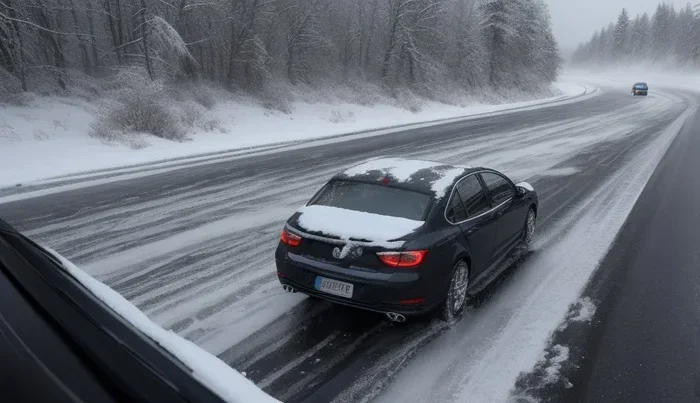
On ice, your tires have very little grip. If you step on the gas, the wheels can spin instantly. Without traction control, a spinning wheel provides almost zero forward motion. Worse, it can cause your car to slide sideways.
With traction control active, the system catches wheel spin before it becomes a problem. It eases off the power and lets the tires bite back into the ice. This keeps your car moving in the direction you want it to go.
For most drivers, this is exactly what you want. Should I drive with traction control on or off on ice for daily commuting? The answer is almost always on.
When to Keep Traction Control ON
The default setting for most modern vehicles is to have traction control enabled at all times. There are very good reasons for this. Let us look at when you should absolutely keep it turned on.
Everyday Winter Driving
If you are driving to work, picking up groceries, or running any normal errand in winter weather, keep traction control on. The system is designed to help you in exactly these situations. It gives you an extra layer of protection when road conditions are unpredictable.
Even if the roads look clear, black ice can appear without warning. Traction control helps you recover if your tires suddenly lose grip. It is one of the best safe driving tips you can follow year-round.
Rain and Wet Roads
Traction control is not just for ice. It also helps on wet roads, flooded streets, and muddy paths. Any time your tires have less grip than usual, the system is working to keep you stable.
Many drivers forget to turn their traction control back on after using it in snow. Make it a habit to check that the system is active before you start driving in any adverse road conditions.
Highway Driving in Winter
Highway driving at higher speeds is especially dangerous on ice. A sudden loss of traction at 60 miles per hour can be catastrophic. Traction control helps maintain car handling stability during these high-speed situations.
The system works in the background without you needing to do anything. That is the beauty of modern driver assistance technology. It protects you even when you are not thinking about it.
When It Makes Sense to Turn Traction Control OFF
Now for the exceptions. There are a few specific scenarios where turning off traction control can actually help you. These situations are rare, but knowing about them could save you from being stuck.
Getting Unstuck in Snow or Ice
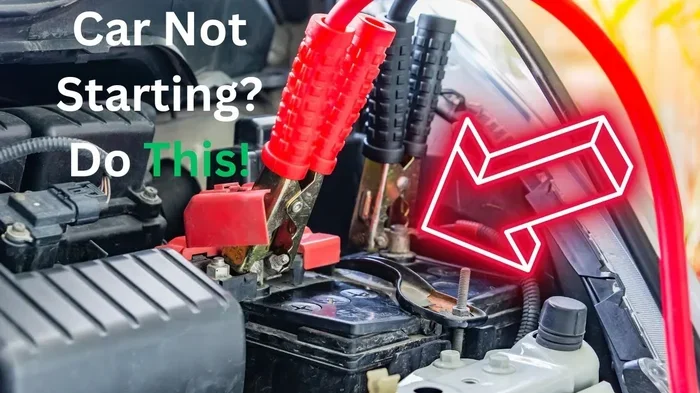
This is the number one reason drivers turn off traction control. When your car is stuck in deep snow or ice, the system may prevent your wheels from spinning at all. Without some wheel spin, you cannot build up the momentum needed to break free.
In this case, turning off traction control allows your wheels to spin and dig into the snow. You can then gently rock the car back and forth to create a path forward. Once you are moving again, turn traction control back on immediately.
Should I drive with traction control on or off when stuck? Off, temporarily, until you regain traction and forward motion.
Driving on Deep Sand or Mud
The same principle applies to sand and mud. These surfaces need constant, gentle wheel spin to maintain forward movement. Traction control can interfere with this by cutting power every time a wheel slips.
If you are heading off-road in sandy or muddy conditions, disabling traction control can help you maintain a steady pace. Just remember to turn it back on when you return to paved roads.
Racing or Track Driving
Experienced drivers on closed tracks sometimes turn off traction control to allow controlled wheel spin. This lets them accelerate harder out of corners. But this is a specialized scenario that does not apply to everyday driving.
If you are not a professional driver, there is no reason to disable traction control on public roads. The safety benefits far outweigh any perceived performance gains.
How Different Drivetrains React to Traction Control on Ice
The type of drivetrain your car has plays a big role in how traction control behaves on ice. Let us break down the differences.
Front-Wheel Drive Vehicles
Front-wheel drive cars send power to the front wheels only. On ice, these vehicles can understeer, meaning the front end slides wide. Traction control helps by limiting wheel spin at the driven wheels. This keeps the front tires gripping the road better.
Most front-wheel drive drivers will benefit greatly from keeping traction control on. The system compensates for the natural tendency of FWD cars to push wide on slippery surfaces.
Rear-Wheel Drive Vehicles
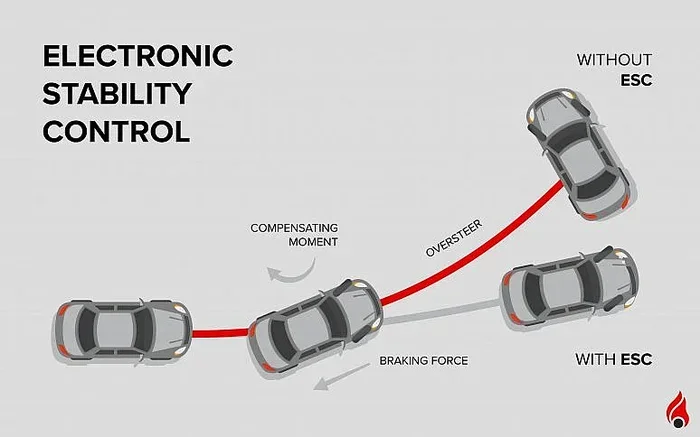
Rear-wheel drive cars send power to the back wheels. On ice, these vehicles are more prone to oversteer, where the rear end swings out. Traction control helps by reducing power to the spinning rear wheels.
Without traction control, rear-wheel drive cars on ice can be particularly tricky to handle. The system acts as a valuable safety net. Should I drive with traction control on or off on ice in a rear-wheel drive car? Keep it on unless you are stuck and need to rock the vehicle.
All-Wheel Drive Vehicles
All-wheel drive distributes power to all four wheels. This gives better overall grip on ice. Traction control adds another layer of protection by managing individual wheel speeds.
AWD drivers should also keep traction control on. The combination of AWD and traction control provides excellent stability in winter conditions. Do not assume AWD alone is enough to keep you safe.
Common Mistakes Drivers Make with Traction Control
Even experienced drivers make mistakes when it comes to traction control. Here are some of the most common errors and how to avoid them.
Forgetting to Turn It Back On
The most common mistake is turning traction control off to get unstuck and then forgetting to turn it back on. Driving with traction control disabled on normal roads removes a major safety feature.
Make it a habit to check your dashboard after any off-road recovery. The traction control warning light should be off when the system is active.
Relying Too Much on the System
Traction control is a helper, not a replacement for good driving habits. Some drivers think they can speed on ice because the system will save them. This is a dangerous misconception.
The system can only do so much. If you are going too fast, even traction control cannot prevent a crash. Always adjust your speed to match road conditions.
Confusing Traction Control with Stability Control
Many drivers use these terms interchangeably, but they are different systems. Traction control prevents wheel spin during acceleration. Stability control helps you maintain directional control during turns and evasive maneuvers.
Most modern vehicles have both systems active by default. Some cars let you turn off traction control independently, while others disable both at once. Check your owner’s manual to understand your specific vehicle.
Ignoring Tire Condition
No electronic system can fully compensate for worn-out tires. If your tires have little tread depth, traction control will struggle to keep you stable on ice.
Invest in a set of quality winter tires before the cold season hits. Combined with traction control, proper tires give you the best possible grip and safety margin.
Expert Tips for Winter Driving with Traction Control
Want to get the most out of your traction control system this winter? Here are some practical tips from driving safety experts.
Accelerate Gently
Even with traction control, slamming the accelerator on ice is a bad idea. Gentle, gradual acceleration gives the system time to work. It also reduces the chance of sudden wheel spin.
Think of the gas pedal as something you need to have a conversation with, not something you push hard. Smooth inputs lead to smoother vehicle behavior.
Maintain Safe Following Distances
On ice, stopping distances increase dramatically. Keep at least six to eight seconds of following distance from the vehicle ahead. This gives you time to react and brake safely.
Traction control helps with acceleration, but it does not shorten your stopping distance. That depends on your tires, brakes, and road conditions.
Learn How Your Car Feels
Every car behaves differently on ice. Take time to learn how your specific vehicle responds. Find a safe, empty icy parking lot and practice gentle acceleration and braking.
Pay attention to how traction control intervenes. You will start to recognize the early signs of wheel slip before the system kicks in. This awareness makes you a better driver.
Keep Your System Updated
Modern traction control systems rely on software and sensors. Keep your car’s software up to date as recommended by the manufacturer. Clean sensors and proper maintenance ensure the system works at its best.
A well-maintained traction control system is one of the most reliable safety features in your car. Treat it with the same care you give your brakes and tires.
Key Takeaways
- Keep traction control on by default: It prevents wheel spin and helps you maintain control on ice and snow.
- Turn it off only in specific situations: Such as when you are stuck in deep snow or ice and need to rock the vehicle free.
- Traction control works with ABS: Together they form a safety net that most drivers should never disable.
- Know your drivetrain: Front-wheel drive, rear-wheel drive, and all-wheel drive vehicles all respond differently to traction control settings.
- Practice in safe conditions: Find an empty icy parking lot to learn how your car behaves with and without traction control.
- Good tires matter most: No electronic system replaces proper winter tires for ice driving.
Conclusion
The question of should I drive with traction control on or off on ice does not have a one-size-fits-all answer, but it comes close. For the overwhelming majority of drivers and situations, keeping traction control on is the safest choice. The system is engineered to help you maintain control when your tires have the least grip. It works silently in the background to prevent accidents and keep you on the road.
There are a few exceptions. When you are stuck in deep snow or ice, turning traction control off temporarily can help you rock free. But as soon as you are moving again, turn it back on. The same applies to sand, mud, and other low-grip surfaces where you need continuous wheel spin.
Understanding your drivetrain, maintaining your tires, and practicing good winter driving habits all complement your traction control system. No electronic feature replaces attentive, cautious driving. But together, they create a powerful safety package that can make winter roads far less intimidating.
Next time the roads glaze over with ice, remember what you have learned here. Keep your traction control on, drive gently, and give yourself extra time and space. Your car has more help than you think. Trust the system, stay alert, and enjoy the confidence that comes with being a prepared winter driver.
Should I Drive With Traction Control On Or Off on Ice Frequently Asked Questions
Is it safe to drive with traction control off on icy roads?
Generally, no. Driving with traction control off on ice removes a critical safety feature that prevents wheel spin and helps you maintain steering control. You should only disable it temporarily when your car is stuck and you need the wheels to spin to gain momentum. Once you are moving again, turn it back on immediately.
Can traction control prevent accidents on black ice?
Traction control significantly reduces the risk of accidents on black ice by managing wheel spin during acceleration. However, it cannot prevent all accidents, especially during hard braking or sharp turns at high speeds. Always combine traction control with proper winter tires and safe driving habits for the best protection.
Does turning off traction control help you go faster on ice?
No. Turning off traction control does not make you go faster on ice in a safe or controlled way. It may allow your wheels to spin more freely, but this leads to less grip, not more. You are far more likely to lose control of the vehicle without traction control active on slippery surfaces.
Should I turn off traction control if I have all-wheel drive?
No. All-wheel drive already provides better grip by distributing power to all four wheels. Adding traction control to the mix creates an even more stable driving experience on ice. Keep both systems active unless you are specifically stuck and need to rock the vehicle free.
How do I know if my traction control is working properly?
Your traction control system is working when the dashboard warning light is off. If the light stays on or flashes, there may be a sensor or system issue. Have your car checked by a qualified mechanic. Regular maintenance and keeping sensors clean help ensure the system operates as designed.
What is the difference between traction control and stability control?
Traction control prevents wheel spin when you accelerate, while stability control helps you maintain your intended direction during turns and sudden maneuvers. Most modern cars have both systems active by default. They work together as part of your vehicle’s electronic safety suite, but they address different driving challenges on ice and snow.
Frequently Asked Questions
What is Should I Drive With Traction Control On Or Off?
Should I Drive With Traction Control On Or Off is an important topic with many practical applications.