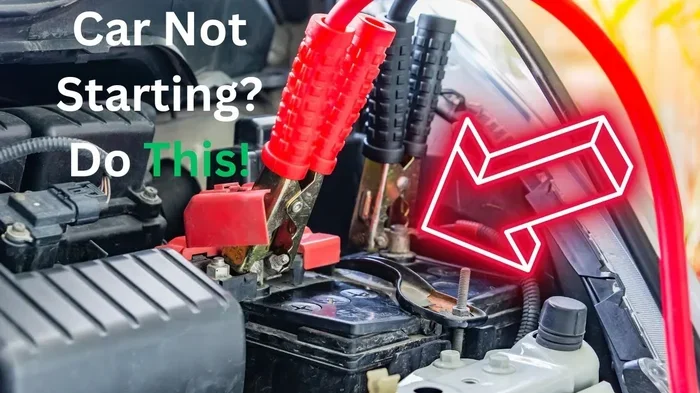
Reasons Why a Car Wont Start and How to Get It Running
There’s nothing more frustrating than turning your key and hearing nothing. Reasons Why a Car Won’t Start range from simple fixes like a dead battery to serious mechanical issues. This guide walks you through every common cause, what to check first, and how to get back on the road fast.
Reasons Why a Car Won’t Start are more common than most people think. Every driver has been there — you hop in, turn the key, and nothing happens. The silence can be scary, but the good news is that most causes are easy to diagnose and fix.
Whether you’re dealing with a clicking sound, a grinding noise, or total silence, this article covers every scenario. We’ll break down each possible cause step by step. You’ll learn what to check yourself, when to call for help, and how to prevent these problems in the future. Let’s dive in and get you back on the road.
Key Takeaways
- A dead or weak battery is the #1 reason cars won’t start. Regular maintenance prevents most battery failures.
- Corroded battery terminals and loose cables can block power even with a good battery.
- Faulty starter motors and ignition switches cause clicking noises or complete silence when you turn the key.
- Fuel system problems like a clogged filter or failed fuel pump keep your engine from getting gas.
- Knowing when to call a professional saves time and money compared to guessing.
- Preventive habits like checking your battery age and keeping your tank above a quarter full reduce breakdown risk.
📑 Table of Contents
- Why Your Car Won’t Start: The Most Common Culprits
- Fuel System Issues That Prevent Starting
- Electrical and Ignition System Failures
- Security and Anti-Theft System Problems
- Mechanical Failures That Stop Your Engine
- Quick Comparison: Common No-Start Causes
- Quick Tips to Prevent Starting Problems
- Common Mistakes People Make When Their Car Won’t Start
- When to Call a Professional Mechanic
- Expert Insight: The Diagnostic Process
- Conclusion
Why Your Car Won’t Start: The Most Common Culprits
When your engine refuses to turn over, the cause usually falls into one of a few categories. Understanding these categories helps you narrow down the problem fast. Reasons Why a Car Won’t Start generally trace back to the electrical system, fuel system, or ignition system.
Before you panic or call a tow truck, take a deep breath. Start by listening carefully. Does the engine crank slowly? Do you hear a single click? Is there total silence? Each sound tells a different story. Let’s explore the most common reasons your car won’t start and what you can do about each one.
Dead or Weak Battery
The battery is the heart of your car’s electrical system. When it dies, nothing else matters. A dead battery is the single most common reason cars won’t start, and it can happen to anyone.
Batteries typically last three to five years. Cold weather, short trips, and leaving lights on can shorten that lifespan significantly. If you left your headlights on overnight, there’s a good chance the battery drained overnight. A jump start can usually get you going again temporarily.
Here are some signs your battery is failing:
- The engine cranks slowly or sluggishly
- Your dashboard lights are dim
- The battery warning light appears on the dash
- You need to jump-start the car frequently
- The battery case looks swollen or bloated
To test your battery, use a multimeter. A healthy battery should read 12.6 volts or higher when the engine is off. If it reads below 12.0 volts, it’s time for a replacement. Corroded battery terminals can also cause problems even when the battery itself is fine. White or greenish buildup on the terminals blocks the electrical connection. A quick cleaning with a wire brush and baking soda solution often solves this.
Faulty Starter Motor
The starter motor is what actually cranks the engine. When you turn the key, the starter engages and spins the engine to begin combustion. If the starter fails, you’ll usually hear a single loud click or nothing at all.
Starter motors wear out over time, especially in older vehicles. A faulty starter motor can also be caused by a bad solenoid, which is the switch that sends power to the starter. Here’s how to tell if the starter is your problem:
- You hear a single click when turning the key
- The engine doesn’t crank at all
- You hear a grinding noise when trying to start
- The starter spins but the engine doesn’t catch
Replacing a starter motor can cost anywhere from $200 to $500 depending on your vehicle. It’s not a DIY job for most people, so calling a mechanic is usually the best move. However, knowing the symptoms of a bad starter helps you avoid being overcharged at the shop.
Ignition Switch Problems
The ignition switch is the part you interact with every time you start your car. It sends power from the battery to the starter and ignition system. When this switch goes bad, your car simply won’t start.
Older vehicles are especially prone to ignition switch failures. The contacts inside the switch wear out over years of use. You might notice other electrical issues first, like flickering dashboard lights or problems with the power windows.
Signs of a bad ignition switch include:
- The key won’t turn in the ignition
- The engine cranks but won’t stay running
- Accessories like the radio don’t work
- The key feels loose or wobbly in the ignition
Replacing an ignition switch is relatively affordable and straightforward for a mechanic. This is one of those reasons why a car won’t start that gets overlooked because people assume the battery is at fault.
Fuel System Issues That Prevent Starting
Your car needs fuel to run, and any problem in the fuel delivery system can prevent starting. Even if the engine cranks perfectly, no fuel means no combustion. Fuel system problems account for a large percentage of no-start situations.
Empty Gas Tank
It sounds silly, but running out of gas happens more often than you’d think. Life gets busy, and sometimes we forget to fill up. If your car won’t start and the fuel gauge reads empty, this is your answer.
Modern fuel gauges aren’t always perfectly accurate. The needle might still show a quarter of a tank when the tank is actually empty. Always keep your tank at least a quarter full, especially in winter. A low tank also helps prevent moisture buildup inside the fuel system.
Clogged Fuel Filter
The fuel filter keeps dirt and debris out of your engine. Over time, it gets clogged and restricts fuel flow. A clogged fuel filter means your engine isn’t getting enough fuel to start.
Most fuel filters should be replaced every 30,000 to 40,000 miles. Check your owner’s manual for the specific recommendation. Replacing a fuel filter is a quick and inexpensive job that prevents a lot of headaches down the road.
Failed Fuel Pump
The fuel pump sends gas from the tank to the engine. When it fails, fuel never reaches the combustion chamber. A bad fuel pump is one of the more serious reasons why a car won’t start because it usually requires professional repair.
Warning signs of a failing fuel pump include:
- A whining noise coming from the rear of the car
- Engine stalling at high speeds
- Loss of power when accelerating
- The car won’t start after sitting for a while
Fuel pumps can last 100,000 miles or more with proper care. Keeping your tank at least a quarter full helps the pump last longer because fuel acts as a coolant for the pump motor.
Electrical and Ignition System Failures
Beyond the battery and starter, your car’s electrical and ignition systems have many moving parts that can fail. These issues often require a bit more diagnostic work to identify.
Bad Spark Plugs
Spark plugs create the spark that ignites the air-fuel mixture in your engine’s cylinders. When spark plugs wear out or get fouled, the engine can’t combust properly. Old spark plugs are a very common cause of starting problems.
Most spark plugs need replacement every 30,000 to 100,000 miles depending on the type. Signs of bad spark plugs include rough idling, poor acceleration, and difficulty starting. Replacing spark plugs is one of the easiest and cheapest maintenance jobs you can do yourself.
Faulty Ignition Coil
The ignition coil converts the battery’s low voltage into the high voltage needed to create a spark at the plugs. When an ignition coil fails, one or more cylinders won’t fire. This can prevent your car from starting or cause it to run very poorly.
A bad ignition coil often triggers the check engine light. If your car cranks but won’t fire up, a failing ignition coil is worth investigating. Replacement costs are reasonable, typically between $100 and $300 per coil.
Parasitic Draw Draining Your Battery
A parasitic draw occurs when something in your car continues to draw power after you turn off the engine. Over time, this slowly drains the battery until it’s too weak to start the car.
Common causes of parasitic draw include:
- Interior lights left on
- Faulty door switches
- Aftermarket electronics like dash cams
- Bad relays or wiring issues
A mechanic can test for parasitic draw using a multimeter. This is one of those sneaky reasons why a car won’t start that catches people off guard, especially after the car has been sitting for a few days.
Security and Anti-Theft System Problems
Modern cars come equipped with sophisticated security systems. While these systems protect your vehicle, they can sometimes prevent it from starting when they shouldn’t.
Immobilizer or Key Fob Issues
Many newer vehicles use transponder keys or key fobs that must communicate with the car’s computer. If the key fob battery dies, the car might not recognize the key and won’t start. This is a surprisingly common issue that people don’t always think of.
Try replacing the key fob battery first. It’s a cheap fix that takes about two minutes. If that doesn’t work, hold the key fob directly against the start button or ignition cylinder. Some cars have a backup antenna in that exact location.
Security System Lockout
Sometimes the car’s security system goes into lockout mode after a power disruption or battery change. This can prevent the engine from starting even when everything else works fine. A mechanic or dealer can reset the system, but this is an inconvenience many drivers don’t anticipate.
Mechanical Failures That Stop Your Engine
Some reasons why a car won’t start are purely mechanical. These issues tend to be more serious and expensive to repair, but identifying them early can prevent further damage.
Broken Timing Belt or Chain
The timing belt or chain synchronizes the engine’s camshaft and crankshaft. If it breaks, the engine won’t turn over properly. In some engines, a broken timing belt can also cause expensive internal damage.
Timing belts should be replaced according to the manufacturer’s schedule, usually between 60,000 and 100,000 miles. A broken timing belt is one of the most expensive starting problems because it often requires major engine work.
Frozen Fuel Line
In extremely cold weather, moisture inside the fuel line can freeze and block fuel flow. This is more common in older vehicles or cars that sit outside in winter. Adding a fuel line antifreeze product to your tank can help prevent this issue.
Clogged Catalytic Converter
A severely clogged catalytic converter can prevent your car from starting because it creates too much back pressure. You might notice this problem gradually getting worse over time, with the engine running rough before it eventually won’t start at all.
Quick Comparison: Common No-Start Causes
Use this table to quickly identify what might be wrong with your car based on what you hear and see.
| Symptom | Likely Cause | Fix Difficulty |
|---|---|---|
| Total silence when turning key | Dead battery, bad starter, ignition switch | Easy to Moderate |
| Single click, engine doesn’t crank | Dead battery, faulty starter solenoid | Easy to Moderate |
| Rapid clicking sound | Weak battery, corroded terminals | Easy |
| Engine cranks but won’t fire | No fuel, bad spark plugs, ignition coil | Moderate to Hard |
| Engine starts then dies immediately | Fuel pump, idle control, security lockout | Moderate |
| Grinding noise when starting | Bad starter motor, damaged flywheel | Hard |
Quick Tips to Prevent Starting Problems
Prevention is always better than repair. Here are some simple habits that keep your car starting reliably:
- Get your battery tested every six months, especially before winter
- Keep your tank at least a quarter full to protect the fuel pump
- Replace spark plugs on schedule according to your owner’s manual
- Clean battery terminals once a year to prevent corrosion buildup
- Turn off all accessories before shutting off the engine
- Replace your fuel filter every 30,000 to 40,000 miles
- Listen for unusual sounds when starting and address them early
Common Mistakes People Make When Their Car Won’t Start
When you’re frustrated and your car won’t cooperate, it’s easy to make mistakes. Here are some common errors to avoid:
Assuming it’s always the battery. While the battery is the most common cause, it’s not the only one. Spending hours trying to jump-start a car with a bad starter wastes time and can damage the electrical system.
Trying to start the car repeatedly. Continuously turning the key when the engine won’t start can overheat the starter and drain the battery further. Wait at least 30 seconds between attempts to let things cool down.
Ignoring warning signs. A slow-cranking engine, dim headlights, or unusual noises are all early warnings. Addressing these early prevents a complete no-start situation.
Using the wrong jumper cable gauge. Thin cables can’t handle the current needed and may cause damage. Always use heavy-gauge cables rated for your vehicle’s size.
When to Call a Professional Mechanic
Not every starting problem is a DIY fix. Knowing when to call a professional saves you time, money, and frustration. Here are situations where you should definitely get expert help:
- The engine cranks but won’t start after checking the battery and fuel
- You smell gasoline or notice a fuel leak
- The check engine light is flashing along with no-start symptoms
- You’ve tried jump-starting and the car still won’t start
- You hear unusual mechanical sounds like grinding or knocking
- The car started having intermittent issues that are getting worse
A good mechanic will perform a diagnostic scan to read error codes from your car’s computer. This can pinpoint the exact problem much faster than guessing. Many auto parts stores also offer free diagnostic testing for batteries and alternators.
Expert Insight: The Diagnostic Process
Professional mechanics follow a systematic approach when diagnosing no-start conditions. They typically check the battery voltage first, then move to the starter circuit, fuel delivery, and ignition timing in that order. This methodical process ensures nothing gets overlooked and saves both time and money.
Understanding this process helps you communicate better with your mechanic. When you can describe exactly what happens — or doesn’t happen — when you turn the key, the mechanic can focus their diagnosis more effectively. Providing clear details about your symptoms is one of the best things you can do to get an accurate repair estimate.
Conclusion
Reasons Why a Car Won’t Start come in many forms, but most are diagnosable and fixable. The key is staying calm, listening to what your car is telling you, and working through the possibilities systematically. From a simple dead battery to a more complex fuel pump failure, each cause has clear signs and solutions.
Regular maintenance is your best defense against most starting problems. Keep your battery healthy, your fuel system clean, and your spark plugs fresh. These small habits add up to big reliability over the life of your vehicle.
Next time your car won’t start, don’t panic. Refer back to this guide, work through the checklist, and you’ll be well-equipped to handle the situation. And if the problem is beyond your skill level, don’t hesitate to call a trusted mechanic. Getting your car running again is always the goal, and with the right knowledge, you’re already halfway there.
Frequently Asked Questions
What are the top reasons why a car won’t start?
The most common reasons include a dead battery, corroded terminals, a faulty starter motor, an empty gas tank, and bad spark plugs. Each cause has distinct symptoms that help you narrow down the problem quickly.
How do I know if my battery is dead or if it’s something else?
Turn on your headlights. If they’re dim or don’t come on at all, the battery is likely dead or weak. If the lights work fine but the engine won’t crank, the problem is probably the starter or ignition system.
Can cold weather cause a car not to start?
Yes, cold weather significantly reduces battery performance. At freezing temperatures, a battery loses about 30 to 50 percent of its strength. This is why battery failures spike in winter months and why keeping your battery in good condition is so important.
How much does it cost to fix a car that won’t start?
Costs vary widely depending on the cause. A battery replacement typically costs $100 to $250. A starter motor repair runs $200 to $500, and fuel pump replacement can be $400 to $800. Always get a diagnostic before committing to a repair.
Is it safe to keep trying to start my car if it won’t turn over?
No, repeatedly trying to start your car can overheat the starter motor and drain the battery further. Wait at least 30 seconds between attempts. If the car won’t start after two or three tries, check the basics and consider calling for help.
What should I keep in my car for starting emergencies?
Keep jumper cables, a portable jump starter, spare batteries for your key fob, and a basic flashlight in your car. These items can get you out of most starting emergencies and are small enough to store in the trunk year-round.