Can You Turbocharge a Toyota 86 Heres the Full Guide
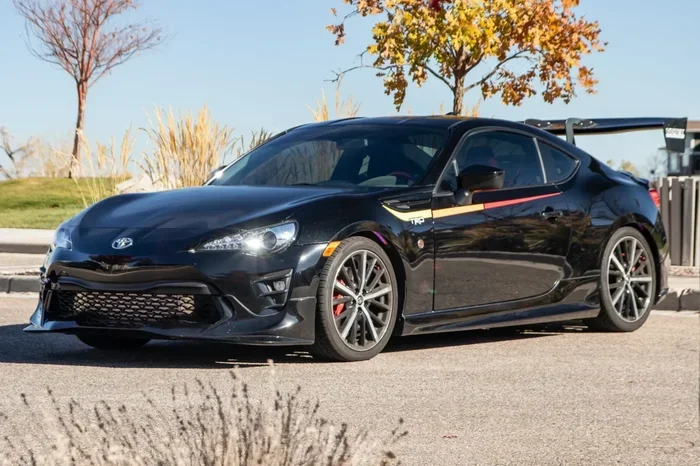
Yes, you can turbocharge a Toyota 86, and it is one of the most popular upgrades for this sporty little car. The Toyota 86 (also known as the GT86 or Scion FR-S) comes with a naturally aspirated boxer engine that handles forced induction surprisingly well. In this guide, we walk you through everything from turbo kit options and installation costs to potential risks and performance gains. Whether you want a mild boost or full-on track power, this guide has you covered.
The Toyota 86 has won the hearts of driving enthusiasts since it first hit the market. Its low center of gravity, balanced chassis, and rev-happy boxer engine make it a joy to drive on twisty roads. But let us be honest, the stock engine leaves something to be desired when it comes to raw power.
So the big question remains: can you turbocharge a Toyota 86? The short answer is yes. The longer answer involves a lot of important details that you need to understand before cracking open your wallet. This guide breaks down everything you need to know about adding forced induction to your Toyota 86, from kit options and installation costs to performance gains and potential risks.
Whether you are a weekend warrior looking for more fun on the track or someone who wants a more exciting daily driver, turbocharging your 86 is a proven path to serious performance gains. Let us dive in.
Key Takeaways
- The Toyota 86 can be turbocharged: The FA20 engine handles forced induction with proper supporting mods.
- Costs range from $3,000 to $10,000+: Depending on the kit quality and additional upgrades needed.
- Stock internals can handle moderate boost: Around 6-8 psi safely, but forged internals unlock higher levels.
- ECU tuning is essential: A proper tune ensures your engine runs safely and efficiently with a turbo.
- Supporting mods matter: Fuel system upgrades, intercooler, and exhaust are critical for reliability.
- Turbo lag is a real factor: Smaller turbos spool faster and deliver a better daily driving experience.
📑 Table of Contents
Understanding the Toyota 86 Engine
Before you throw a turbo on anything, you need to understand what you are working with. The Toyota 86 uses the FA20 engine, a 2.0-liter flat-four boxer engine that produces about 200 horsepower in stock form. This engine was co-developed with Subaru and shares its architecture with the Subaru BRZ engine platform.
The FA20 is a naturally aspirated engine, meaning it relies solely on atmospheric pressure to fill the cylinders with air. This design keeps things simple and reliable, but it also limits the amount of power the engine can produce. Adding a turbocharger forces more air into the combustion chamber, which allows more fuel to burn and creates more power.
The good news is that the FA20 engine block and internals are reasonably robust. With the right supporting modifications, this engine can handle a significant amount of boost. Many enthusiasts run their turbocharged 86s reliably for years without major issues.
Why the FA20 Engine Works Well with Forced Induction
The FA20 engine has several features that make it a good candidate for turbocharging. The closed-deck design provides extra structural rigidity compared to open-deck engines. The forged crankshaft and connecting rods add durability under increased cylinder pressures. The piston design also handles higher loads reasonably well.
Additionally, the boxer engine layout keeps the center of gravity low, which is a huge advantage when you are adding heavy components like a turbocharger and intercooler. The flat configuration also means the turbo kit fits more cleanly into the engine bay compared to inline engines.
That said, the stock fuel injectors and fuel pump were designed for a naturally aspirated engine. You will need to upgrade these components to support the increased fuel demands that come with boost. This is a critical point that many first-time builders overlook.
Turbo Kit Options for the Toyota 86
Not all turbo kits are created equal. When you start shopping for a turbo kit for Toyota 86, you will find a wide range of options at different price points and performance levels. Here is a breakdown of what is available.
Single Turbo Kits
Single turbo kits are the most popular choice for the Toyota 86. They use one turbocharger to compress intake air and feed it to the engine. These kits are simpler to install, easier to tune, and generally more reliable than twin-turbo setups.
Popular single turbo kits for the FA20 engine include options from companies like GReddy, HKS, and Tomei. These kits typically include the turbo manifold, downpipe, intercooler, charge pipe, wastegate, and all necessary hardware. Some kits also include the turbo itself, while others require you to source it separately.
For most builders, a single turbo kit with a ball-bearing center cartridge is the best choice. Ball-bearing turbos spool up faster than journal-bearing turbos, which reduces turbo lag and improves throttle response. This matters a lot in a car like the 86, where quick power delivery makes the driving experience so much more enjoyable.
Twin Turbo Kits
Twin turbo kits use two smaller turbochargers instead of one large one. This setup can reduce turbo lag even further because the smaller turbos spin up more quickly. However, twin turbo kits for the FA20 are rare, more complex to install, and significantly more expensive.
Most Toyota 86 owners stick with single turbo kits. The simplicity, reliability, and cost-effectiveness make them the clear winner for the vast majority of builds. Unless you are chasing extreme power numbers above 400 horsepower, a single turbo is the way to go.
Hybrid and Custom Kits
If you want a middle ground, some builders opt for hybrid turbo kits. These combine a quality turbo unit with custom fabrication for the manifold and piping. Hybrid kits can be more affordable than full OEM-style kits while still delivering excellent performance.
Custom kits are another option for experienced builders who want complete control over every component. These require significant fabrication skills and a deep understanding of turbocharger sizing and airflow dynamics. If you are not experienced with custom turbo builds, stick with a proven kit from a reputable manufacturer.
Performance Gains and What to Expect
The amount of power you gain from a turbo setup depends on several factors, including the size of the turbo, boost levels, and supporting modifications. Here is a realistic breakdown of what you can expect from a turbocharged Toyota 86.
| Setup Level | Boost Pressure | Estimated HP Gain | Total HP |
| Stock | 0 psi | 0 | ~200 HP |
| Stage 1 Turbo Kit | 6-8 psi | 80-120 HP | ~280-320 HP |
| Stage 2 Turbo Kit | 10-14 psi | 150-200 HP | ~350-400 HP |
| Stage 3 Turbo Kit | 18-22 psi | 250-350 HP | ~450-550 HP |
Stage 1 setups focus on reliability and daily drivability. A modest 6-8 psi of boost adds meaningful power without stressing the stock internals too much. This is the sweet spot for most owners who want a fun, reliable upgrade they can enjoy every day.
Stage 2 builds push the boost higher and usually require upgraded fuel injectors, a fuel pump upgrade, and an ECU tune. These builds produce significantly more power but also demand more from the engine. You will want to monitor oil temperatures and boost pressure carefully.
Stage 3 builds are full race builds that require forged internals, a standalone engine management system, and extensive supporting mods. These are track-only or occasional-use builds that produce serious power but sacrifice daily reliability.
Costs of Turbocharging a Toyota 86
Budget is always a big factor when planning a turbo build. The total cost depends heavily on the kit you choose and what additional parts you need to buy. Here is a realistic cost breakdown.
Turbo Kit Costs
A quality single turbo kit for the Toyota 86 typically costs between $3,000 and $6,000 for a complete kit. Premium kits from brands like GReddy or Tomei can push $7,000 to $10,000 depending on the included components. Budget kits from lesser-known brands may cost less, but quality and reliability can be questionable.
Supporting Modifications
The turbo kit itself is only part of the equation. You will also need to budget for supporting modifications that are essential for a safe and reliable build. Here is what those typically cost.
- ECU tune: $500 to $1,500 depending on the tuner and complexity
- Fuel injector upgrade: $200 to $500 for a set of upgraded injectors
- Fuel pump upgrade: $150 to $400
- Intercooler: $300 to $800 (some kits include this)
- Exhaust system: $300 to $1,000 for a quality downpipe and cat-back
- Oil cooler: $200 to $500 for maintaining safe oil temperatures
When you add all of these up, a complete Stage 1 turbo build can easily reach $5,000 to $8,000 depending on the parts you choose. Stage 2 and Stage 3 builds will cost significantly more as you add stronger internals and more advanced components.
Some owners also choose to upgrade their aftermarket exhaust and intake system to maximize airflow. You can also add a blow-off valve to handle boost pressure spikes and protect the turbo. Every addition adds cost, so plan your budget carefully before you start.
It is also worth noting that some of these parts, like exhaust upgrades, can be found through trusted aftermarket sources. If you are looking for quality parts at competitive prices, check out what aftermarket automotive parts options are available for your build.
Installation: DIY or Professional?
Installing a turbo kit on a Toyota 86 is a complex job that requires mechanical knowledge and the right tools. Some experienced DIY builders tackle the install themselves, while others prefer to leave it to professionals. Here is what you need to consider.
DIY Installation
If you have experience working on engines and are comfortable with fabrication, a DIY turbo install can save you a significant amount of labor costs. The FA20 engine bay is relatively accessible, which helps. You will need basic hand tools, a torque wrench, and potentially some fabrication tools for custom piping or mounting brackets.
DIY installation typically takes two to four weekends depending on your experience level. The hardest parts are usually getting the turbo manifold to fit properly and routing the intercooler piping without interference. Patience and careful planning go a long way here.
Professional Installation
Hiring a professional to install your turbo kit typically costs between $1,500 and $3,000 in labor. This is a significant expense, but it comes with the peace of mind that the job is done correctly. A professional shop will also have experience with ECU tuning and can identify potential issues before they become expensive problems.
If you go the professional route, make sure you choose a shop with specific experience on the FA20 engine platform. Not all shops are familiar with the Toyota 86 and its unique engine characteristics. Ask for references and look at portfolios of their previous work.
Common Installation Mistakes to Avoid
- Skipping the oil catch can, which can lead to oil contamination in the intake
- Using stock fuel injectors, which cannot deliver enough fuel under boost
- Forgetting to upgrade the fuel pump, causing fuel starvation at high RPM
- Undersizing the intercooler, which leads to heat soak and power loss
- Running too much boost too soon without supporting mods
Reliability and Maintenance Considerations
A turbocharged engine requires more maintenance and attention than a naturally aspirated one. If you want your turbo 86 to last, you need to be proactive about upkeep. Here are the key areas to focus on.
Oil Changes and Quality
The FA20 engine already benefits from regular oil changes, but a turbocharged version demands even more attention. Use high-quality synthetic oil and change it every 5,000 miles or less. The increased cylinder pressures from boost can break down oil faster, and contaminated oil can damage your turbo bearings.
Cooling System Upgrades
The stock cooling system on the Toyota 86 was designed for a 200-horsepower engine. When you add a turbo and significantly increase power output, the cooling system needs help. Consider upgrading to a larger radiator, adding an oil cooler, and installing a high-flow water pump. These upgrades keep temperatures in check during spirited driving and track days.
On hot days, even a stock cooling system can struggle with a turbocharged engine. If you frequently drive in hot climates or do track events, cooling upgrades are not optional, they are essential.
Turbo Maintenance
The turbocharger itself requires periodic inspection. Check for oil leaks around the turbo fittings and make sure the wastegate operates freely. The turbo bearings can wear over time, especially if oil changes are neglected. A healthy turbo can last well over 100,000 miles with proper care.
Also, give your turbo a cool-down period before shutting off the engine after hard driving. This allows the turbo to cool down and prevents oil coking in the center cartridge. Some owners install a turbo timer to automate this process.
For more tips on keeping your car running strong, check out our guide on driving and maintaining your car with aftermarket exhaust modifications.
Is Turbocharging a Toyota 86 Worth It?
The answer depends on your goals and budget. If you want a significant power increase from your Toyota 86 and enjoy the process of building and tuning a car, then yes, turbocharging is absolutely worth it. The FA20 engine responds beautifully to forced induction, and the result is a genuinely exciting car that can compete with much more expensive sports cars.
However, if you are looking for a quick and cheap power boost, turbocharging might not be the most cost-effective route. The total cost of a proper turbo build, including supporting mods and professional tuning, can easily exceed $7,000 to $10,000. For that kind of money, you could also consider buying a different car that already has forced induction.
That said, there is something uniquely satisfying about building a turbocharged Toyota 86 from the ground up. The car becomes yours in a way that buying something off the shelf never achieves. Every modification is a choice you made, and every horsepower gained is a reward for your hard work and knowledge.
If you are also considering other car modifications or upgrades, you might find our article on alternative fuel options for car performance interesting as well.
Before you start your turbo journey, make sure you have a clear plan. Define your budget, your power goals, and your daily driving needs. Research the right kit for your goals, and invest in quality components. The Toyota 86 is a fantastic platform for a turbo build, and with the right approach, you will end up with a car that is truly special.
Conclusion
So can you turbocharge a Toyota 86? Absolutely. The FA20 boxer engine is a strong and capable platform that handles forced induction remarkably well. Whether you are aiming for a mild 280-horsepower daily driver or a 450-horsepower track monster, the turbo route is proven and rewarding.
The key to a successful turbo build is planning. Choose the right kit, invest in supporting modifications, get a proper ECU tune, and commit to regular maintenance. Skip any of these steps, and you risk damaging your engine or wasting your money on unreliable power.
Turbocharging your Toyota 86 is one of the best ways to unlock its full potential. The car already handles beautifully, and with a turbo, it finally has the power to match its handling prowess. If you have been on the fence about this upgrade, now is the time to start planning your build.
Frequently Asked Questions
Can you turbocharge a stock Toyota 86 without any other modifications?
Technically, yes, you can bolt on a turbo kit to a stock Toyota 86. However, running boost on the stock fuel system is not safe. The stock injectors and fuel pump cannot deliver enough fuel to support even modest boost levels. You should at minimum upgrade your fuel injectors and fuel pump before adding boost to avoid engine damage.
How much horsepower can you gain from turbocharging a Toyota 86?
A Stage 1 turbo setup with 6 to 8 psi of boost typically adds 80 to 120 horsepower, bringing total output to around 280 to 320 horsepower. More aggressive Stage 2 and Stage 3 builds can push total output to 400 or even 500 horsepower with supporting modifications and stronger internals.
Is turbocharging a Toyota 86 reliable for daily driving?
Yes, a properly built turbo Toyota 86 can be very reliable for daily driving. The key factors are a quality turbo kit, professional ECU tuning, upgraded fuel system, and consistent maintenance. Stick to moderate boost levels (6 to 8 psi) and use quality parts, and your turbo 86 will be a dependable daily driver.
How long does it take to install a turbo kit on a Toyota 86?
A DIY turbo installation on a Toyota 86 typically takes two to four weekends for an experienced builder. Professional installation usually takes one to two days of labor. The complexity depends on the specific kit, whether fabrication is needed, and how cleanly the components fit into the engine bay.
What is the best turbo kit brand for the Toyota 86?
Popular and well-regarded turbo kit brands for the Toyota 86 include GReddy, HKS, and Tomei. These companies have extensive experience with the FA20 platform and offer kits that are designed for proper fitment and performance. The best kit for you depends on your budget, power goals, and whether you prefer a turnkey solution or a more customizable setup.
Do you need an ECU tune after installing a turbo kit?
Yes, an ECU tune is absolutely essential after installing a turbo kit. The stock ECU is calibrated for a naturally aspirated engine and cannot properly manage the increased airflow, fuel demands, and boost pressure that come with forced induction. A professional ECU tune ensures your engine runs safely, efficiently, and at its full potential with the turbo installed.
=== META TITLE ===
Can You Turbocharge a Toyota 86? Full Guide 2024
=== URL SLUG ===
can-you-turbocharge-a-toyota-86
=== SEO TITLE ===
Can You Turbocharge a Toyota 86? Heres the Full Guide