Is VSC the Same as Traction Control Explained Simply
VSC and traction control are not the same thing. VSC stands for Vehicle Stability Control, and it helps keep your car from sliding or spinning out. Traction control focuses on stopping your drive wheels from spinning when you accelerate. Both systems work together to make driving safer, especially on wet or icy roads. Understanding the difference can help you use your car’s safety features the right way.
Have you ever wondered what happens under the hood when your car starts to slide on a wet road? Two systems jump into action behind the scenes. One is called VSC, and the other is traction control. Many drivers use these terms interchangeably. But here is the truth. They are not the same thing. Knowing the difference matters. It helps you understand how your car stays safe on the road.
In this article, we will break down everything you need to know. We will explain what each system does. We will compare them side by side. And we will answer common questions drivers ask all the time. Whether you drive a Toyota, Honda, Ford, or any other brand, this guide applies to you. Let us dive in and clear up the confusion once and for all.
Key Takeaways
- VSC and traction control are two different systems: VSC keeps your car stable during turns and slides, while traction control prevents wheel spin when accelerating.
- Both systems rely on sensors: They use wheel speed sensors, steering angle sensors, and yaw sensors to detect problems in real time.
- Traction control came first: It was developed before VSC and focuses only on acceleration, whereas VSC covers both acceleration and cornering.
- They share components with ABS: Both systems use the anti-lock braking system hardware to apply braking force where needed.
- Dashboard warning lights differ: Each system has its own indicator light, and knowing what they mean helps you respond quickly.
- You cannot turn off VSC in most cars: Traction control can often be disabled, but VSC usually stays active for safety reasons.
- Both systems save lives: Studies show that stability and traction control significantly reduce fatal accidents on the road.
📑 Table of Contents
- What Is VSC?
- What Is Traction Control?
- Key Differences Between VSC and Traction Control
- How VSC and Traction Control Work Together
- Common Warning Lights and What They Mean
- Can You Turn Off VSC and Traction Control?
- Common Mistakes Drivers Make With These Systems
- Quick Tips for Using VSC and Traction Control
- Expert Insights on Stability and Traction Systems
- Key Takeaways
- Conclusion
What Is VSC?
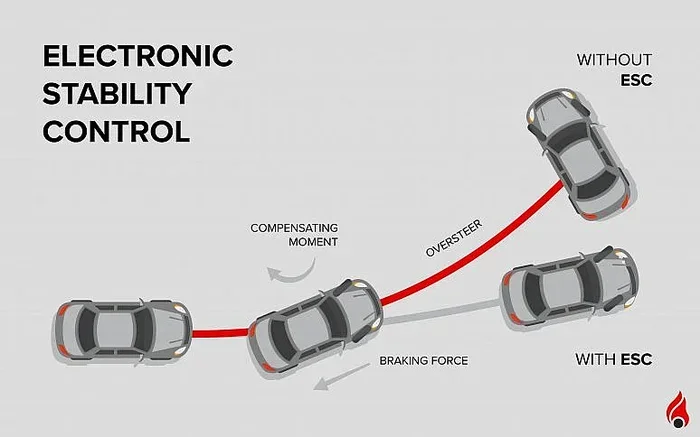
VSC stands for Vehicle Stability Control. It is an advanced safety system designed to help drivers maintain control of their car. When your vehicle starts to slide or skid, VSC steps in automatically. It uses a network of sensors to detect when the car is not responding to steering input the way it should.
The system works by reducing engine power and applying brakes to individual wheels. This helps correct the direction of the car. VSC is especially useful during sharp turns or sudden lane changes. It prevents the car from understeering or oversteering.
How VSC Works in Real Time
VSC relies on several sensors working together. The steering angle sensor tracks where you are turning the wheel. The yaw sensor measures how fast the car is rotating. The wheel speed sensors monitor each individual wheel. When these sensors detect a mismatch between where you are steering and where the car is actually going, VSC activates.
For example, imagine you are driving on a rainy highway. You turn the steering wheel to the left, but the car keeps drifting to the right. VSC detects this mismatch instantly. It then applies the brake to the outer left wheel. This creates a correcting force that helps steer the car back on track. All of this happens in a fraction of a second. You barely notice it happening.
What Cars Have VSC?
Most modern vehicles come equipped with VSC as a standard feature. Toyota was one of the first manufacturers to popularize the term. They call their version VSC or Vehicle Stability Control. Other brands use different names. BMW calls it Dynamic Stability Control. Mercedes uses ESP, which stands for Electronic Stability Program. Despite the different brand names, they all serve the same core purpose. They keep the car stable and on course.
If your car was made after 2012, there is a very good chance it has VSC or an equivalent system. In the United States, the National Highway Traffic Safety Administration required electronic stability control on all new vehicles. This made VSC and similar systems mandatory across the industry.
What Is Traction Control?
Traction control, also known as the Traction Control System or TCS, serves a very specific purpose. It prevents your drive wheels from spinning when you press the accelerator. This is especially important on loose or slippery surfaces like ice, snow, or gravel.
When you step on the gas pedal and the wheels start to spin, traction control kicks in. It reduces engine power or applies the brakes to the spinning wheel. This allows the tires to regain grip and start rolling again. The result is smoother acceleration and better control.
When Does Traction Control Activate?
Traction control activates whenever the system detects wheel spin during acceleration. Here are some common situations where you will notice it working:
- Driving on icy or snowy roads
- Accelerating on wet pavement
- Starting from a stop on gravel or dirt
- Driving through standing water
- Accelerating too quickly on a loose surface
You might feel the throttle momentarily reduce or hear a slight clicking sound. That is the traction control doing its job. It is working silently in the background to keep your tires gripping the road.
Traction Control vs. Wheel Spin
Without traction control, wheel spin is a common problem. When you accelerate too hard, the drive wheels lose contact with the road surface. They spin freely without actually moving the car forward. This is dangerous because you lose steering control. The car can slide sideways or spin out entirely.
Traction control solves this problem by limiting wheel spin. It ensures that the tires maintain friction with the road surface. This is especially critical for front-wheel-drive cars, where wheel spin during acceleration can cause the front end to push wide in a turn.
Key Differences Between VSC and Traction Control
Now that we know what each system does, let us look at how they differ. The differences are important to understand. They show why both systems are valuable and why one cannot replace the other.
Purpose and Function
The main difference comes down to what each system is designed to do. VSC focuses on overall car stability. It corrects slides and skids during any type of maneuver. Traction control focuses only on preventing wheel spin during acceleration. They address different driving problems with different solutions.
When Each System Activates
VSC activates when the car is sliding or not tracking with your steering input. This can happen during braking, turning, or even coasting. Traction control activates specifically during acceleration. It only intervenes when the drive wheels begin to spin.
Think of it this way. Traction control handles the gas pedal side of things. VSC handles the steering and braking side of things. Together, they cover a wide range of driving scenarios.
Braking Approach
Both systems use the ABS hardware to apply individual brakes. However, they apply that braking force for different reasons. Traction control brakes a spinning wheel to slow it down and restore grip. VSC brakes specific wheels to create a turning force that corrects the car’s path.
For instance, if the rear of your car starts sliding to the right, VSC will apply the brake to the front left wheel. This pulls the back end back into line. Traction control would not intervene in this scenario because the wheels are not spinning.
Engine Power Management
Both systems can reduce engine power when needed. But they do so in different contexts. Traction control cuts engine power when wheels spin during acceleration. VSC cuts engine power when the car is losing stability in any direction. This includes understeer, oversteer, and loss of traction during braking.
Comparison Table
| Feature | VSC (Vehicle Stability Control) | Traction Control System |
|---|---|---|
| Primary Purpose | Maintains car stability during turns and slides | Prevents wheel spin during acceleration |
| Activation Trigger | Slide, skid, or stability loss in any direction | Drive wheel spin during acceleration |
| Brakes Applied | Individual wheels to correct direction | Spinning wheel to restore grip |
| Engine Power | Reduces power during stability loss | Reduces power during wheel spin |
| Sensors Used | Steering angle, yaw, wheel speed | Wheel speed sensors |
| Works During Braking | Yes | No |
| Works During Turning | Yes | No |
| Works During Acceleration | Yes (if stability is lost) | Yes (primary function) |
| Can Be Turned Off | Usually no | Often yes |
| Common Warning Light | Car with wavy lines icon | Lighted car with curved tread marks |
How VSC and Traction Control Work Together
Here is something many drivers do not realize. VSC and traction control do not work against each other. They work together as a team. They share the same sensor network and ABS hardware. When one system activates, it can trigger the other to respond as well.
Imagine you are driving on a wet mountain road. You accelerate out of a curve, and the rear wheels start to spin. Traction control immediately reduces engine power to stop the spin. But the car is still drifting toward the outside of the curve. VSC then detects the drift and applies brakes to individual wheels to pull the car back on course. Both systems worked in sequence to keep you safe.
This teamwork is what makes modern cars so much safer than older models. Before these systems became standard, drivers had to rely entirely on their own skills to recover from slides and wheel spin. Now the car helps you. It acts as a second set of eyes and reflexes.
The Role of ABS in Both Systems
The Anti-lock Braking System, or ABS, is the foundation for both VSC and traction control. ABS prevents your wheels from locking up during hard braking. It does this by rapidly pulsing the brakes on and off.
VSC and traction control use the same ABS pump and brake modulators. They add extra intelligence on top of the ABS hardware. The sensors that feed ABS also feed VSC and traction control. This is why a problem with your ABS system can sometimes trigger both VSC and traction control warning lights on your dashboard.
Common Warning Lights and What They Mean
Your car’s dashboard is full of warning lights. Two of the most common relate to stability and traction systems. Let us break down what each light means and what you should do when it comes on.
VSC Warning Light
The VSC warning light usually looks like a car with wavy lines underneath it. When this light comes on, it means the Vehicle Stability Control system has been deactivated or has detected a fault. In most cases, you can still drive the car. But you will not have the stability assist feature working.
If this light comes on suddenly while driving, try to keep the car steady. Avoid sharp turns and sudden braking. Have the system checked by a mechanic as soon as possible.
Traction Control Warning Light
The traction control light often looks like a car with skid marks behind it. This light can mean a few things. It might mean the system is actively working to prevent wheel spin. Or it could indicate a malfunction in the traction control system.
If the light stays on constantly, the system may be turned off or there could be a sensor problem. If it flashes, the system is actively intervening. A steady light that does not go away warrants a visit to a repair shop.
Why Both Lights Might Come On Together
Sometimes both the VSC and traction control lights come on at the same time. This usually points to a shared component problem. The most common culprits include a faulty wheel speed sensor, a low battery voltage, or an ABS module issue. When these lights appear together, do not ignore them. Get the car diagnosed promptly.
Can You Turn Off VSC and Traction Control?
This is a question many drivers ask, especially those who enjoy spirited driving or off-road adventures. The answer depends on the system and the vehicle.
Traction control can usually be turned off with a button. Many cars have a traction control off switch on the center console or steering wheel. When you turn it off, the traction control light will appear on the dashboard. This allows the wheels to spin freely, which can be helpful when stuck in snow or mud.
VSC is a different story. Most manufacturers do not allow you to completely turn off VSC. Some vehicles have a sport mode or a button that partially reduces VSC intervention. But the system always remains active to some degree. This is by design. VSC is considered too important for safety to allow full deactivation.
When Turning Off Traction Control Makes Sense
There are a few situations where disabling traction control is useful. If you are stuck in deep snow or mud, wheel spin can actually help you gain momentum. With traction control off, the wheels can spin and dig into the surface. This can help you get unstuck.
Off-road enthusiasts sometimes turn off traction control for better control on loose surfaces. However, this should only be done in safe environments. On public roads, keeping traction control on is always the safer choice.
Common Mistakes Drivers Make With These Systems
Even though VSC and traction control are designed to help, drivers sometimes make mistakes that reduce their effectiveness. Here are some common errors to avoid.
Ignoring Warning Lights
The biggest mistake is ignoring the warning lights. If the VSC or traction control light comes on, do not assume it will go away on its own. These lights indicate a real problem. Driving without these systems active leaves you more vulnerable on the road.
Driving Too Fast for Conditions
VSC and traction control are not magic. They cannot defy the laws of physics. If you drive too fast on a wet road, even the best stability system may not be able to save you. These systems work within limits. They buy you time and correction, but they do not replace safe driving habits.
Worn Tires
Both systems rely on your tires to maintain grip. If your tires are worn down or improperly inflated, VSC and traction control cannot do their jobs properly. The sensors detect wheel slip, but if the tires have no tread, there is no grip to work with. Always keep your tires in good condition.
Confusing the Two Systems
Many drivers assume that if traction control is working, VSC is also working. This is not always true. They are separate systems with separate sensors and modules. A traction control malfunction does not necessarily mean VSC is affected, and vice versa. Understanding this helps you diagnose problems more accurately.
Quick Tips for Using VSC and Traction Control
Here are some practical tips to get the most out of your car’s safety systems:
- Keep your tires properly inflated. Correct tire pressure ensures maximum grip and allows both systems to work at their best.
- Check your tire tread regularly. Replace tires when the tread gets too low. Bald tires defeat the purpose of stability and traction systems.
- Do not ignore dashboard lights. Address warning lights promptly to keep your safety systems fully operational.
- Learn what your car’s specific systems do. Read your owner’s manual. Different brands have different names and slightly different functions.
- Drive at safe speeds for road conditions. Even with VSC and traction control, speed is the number one factor in accident prevention.
- Keep your ABS system well maintained. Since both VSC and traction control depend on ABS hardware, regular brake maintenance is essential.
Expert Insights on Stability and Traction Systems
Automotive engineers have spent decades refining these systems. The goal has always been to make cars safer without taking away driver control. According to safety research from the Insurance Institute for Highway Safety, vehicles equipped with electronic stability control have significantly lower fatality rates than those without.
Traction control has also been linked to reduced accident rates. A study by the National Highway Traffic Safety Administration found that traction control helps prevent accidents caused by wheel spin during acceleration. These findings reinforce why both systems are so important.
Modern cars are getting even more advanced. New vehicles now integrate VSC and traction control with adaptive cruise control, lane-keeping assist, and automatic emergency braking. These systems share data and work together to create a comprehensive safety net around the vehicle.
For drivers shopping for a used car, checking whether VSC and traction control are present is a smart move. These features can often be found in vehicle history reports and specification sheets. If a car lacks these systems, consider it a significant safety gap.
Key Takeaways
- VSC and traction control are two different systems: VSC keeps your car stable during turns and slides, while traction control prevents wheel spin when accelerating.
- Both systems rely on sensors: They use wheel speed sensors, steering angle sensors, and yaw sensors to detect problems in real time.
- Traction control came first: It was developed before VSC and focuses only on acceleration, whereas VSC covers both acceleration and cornering.
- They share components with ABS: Both systems use the anti-lock braking system hardware to apply braking force where needed.
- Dashboard warning lights differ: Each system has its own indicator light, and knowing what they mean helps you respond quickly.
- You cannot turn off VSC in most cars: Traction control can often be disabled, but VSC usually stays active for safety reasons.
- Both systems save lives: Studies show that stability and traction control significantly reduce fatal accidents on the road.
Conclusion
VSC and traction control are not the same, but they work together to keep you safe. VSC handles the big picture. It corrects slides and keeps your car on track during any driving situation. Traction control handles a specific job. It stops your wheels from spinning when you accelerate. Both systems are essential parts of modern vehicle safety.
Understanding how they work gives you confidence behind the wheel. You will know what those dashboard lights mean. You will know when the systems are helping you and when they might need attention. The next time you see a VSC or traction control light on your dash, you will know exactly what is going on.
Take care of your tires. Pay attention to warning lights. And remember that these systems are there to assist you, not replace you. Safe driving starts with knowledge. Now that you understand the difference between VSC and traction control, you are better equipped to drive smarter and stay safer on every road you travel.
Frequently Asked Questions
Can I drive without VSC or traction control?
Yes, you can drive without them, but it is not recommended. These systems are designed to prevent accidents and help you maintain control. Driving without them means you lose a layer of safety protection. If a warning light is on, get the system checked as soon as possible.
Why does my VSC light come on when it rains?
Moisture can sometimes trigger the VSC light temporarily, especially if the sensors detect intermittent wheel slip. However, if the light stays on, it usually indicates a fault in the system. Have a mechanic inspect the sensors and ABS module to rule out any real problems.
Is traction control the same as electronic stability control?
No, they are not the same. Traction control prevents wheel spin during acceleration. Electronic stability control, which includes VSC, keeps the car stable during turns and slides. ESP is a broader system that incorporates traction control as one of its features.
Do all new cars have VSC and traction control?
In most countries, yes. Since 2012, electronic stability control has been mandatory on all new cars sold in the United States. Traction control is also standard on nearly all modern vehicles. If you are buying a newer car, both systems should be included.
Can bad tires cause VSC and traction control lights to come on?
Yes, worn or improperly inflated tires can trigger these lights. The systems rely on consistent wheel speed and traction to operate correctly. When tires lose grip or rotate at abnormal speeds, the sensors may detect a fault and activate the warning lights.
Does turning off traction control save fuel?
No, turning off traction control does not save fuel in any meaningful way. The system only activates when wheel spin is detected, which is a brief event. The fuel saved by disabling it is negligible compared to the safety risk of driving without traction control on slippery surfaces.