My Car Starts Sometimes and Sometimes It Doesnt What Now
My Car Starts Sometimes and Sometimes It Doesnt is a frustrating problem many drivers face. This guide breaks down the most common causes behind intermittent starting issues. You will learn how to diagnose the problem yourself and when to call a mechanic. Simple fixes like cleaning battery terminals or replacing a weak key fob battery can often solve the issue. Read on to get your car running reliably again.
Have you ever turned your key or pressed the start button and heard nothing? Then the next day, your car fires right up like nothing ever happened? This is exactly what My Car Starts Sometimes and Sometimes It Doesnt feels like. It is confusing. It is frustrating. And it can leave you stranded when you least expect it.
The good news is that you are not alone. Thousands of drivers deal with this exact issue every year. In most cases, the root cause is something simple and fixable. Sometimes it is a corroded battery terminal. Other times, it is a failing starter motor or a weak key fob battery. Whatever the reason, this guide will walk you through every possible cause and fix. By the end, you will know exactly what to do next.
Intermittent starting problems are tricky because they do not follow a pattern. Your car might work perfectly for weeks and then act up out of nowhere. This unpredictability is what makes the issue so stressful. But understanding the common causes is the first step toward a solution. Let us dive in and figure out why your car behaves this way.
Key Takeaways
- Dirty or corroded battery terminals are the #1 culprit behind intermittent starting problems.
- A failing ignition switch can cause your car to start sometimes and not others.
- The starter motor or solenoid may be wearing out and needs inspection.
- A weak key fob battery is an often-overlooked cause, especially in modern vehicles.
- Fuel pump issues can prevent your engine from cranking properly.
- Regular maintenance like checking electrical connections prevents most starting problems.
- Knowing when to see a mechanic saves time and money in the long run.
📑 Table of Contents
- Why Does My Car Starts Sometimes and Sometimes It Doesnt?
- How to Diagnose the Problem Yourself
- Common Mistakes People Make When Their Car Won’t Start
- When to See a Mechanic
- Preventive Maintenance Tips to Avoid Starting Problems
- Quick Tips for When Your Car Won’t Start
- Comparison: Common Causes and Their Fixes
- Expert Insights on Intermittent Starting Problems
- Key Takeaways
- Conclusion
Why Does My Car Starts Sometimes and Sometimes It Doesnt?
Intermittent starting problems can come from many sources. The challenge is that each cause creates different symptoms. Some issues only show up in cold weather. Others get worse after the car sits for a while. Understanding these patterns helps you narrow down the problem faster.
The electrical system is usually the first place to look. Your car relies on a complex web of wires, connections, and components to start. When one link in that chain fails, the whole process stops. The good part is that most electrical issues are easy and inexpensive to fix.
Mechanical problems can also cause intermittent starting. The starter motor, fuel pump, and ignition switch all play critical roles. When any of these parts begin to wear out, they may work fine one day and fail the next. This is what makes diagnosis tricky. You need patience and a systematic approach.
Common Electrical Causes
Electrical issues are the most frequent reason for intermittent starting. Your battery, alternator, and wiring all work together to deliver power to the starter. When any part of this system weakens, your car may not start reliably.
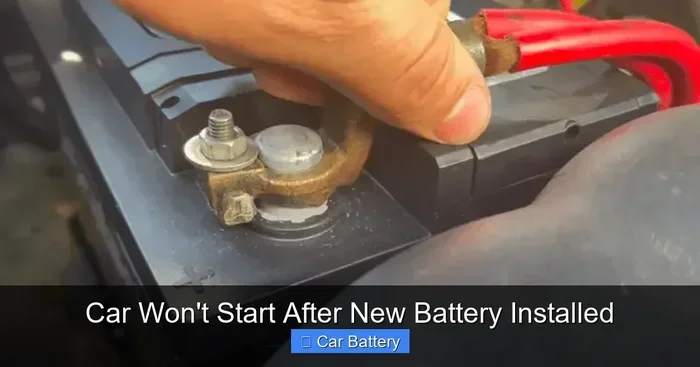
Corroded battery terminals are the number one cause. Over time, a white or blueish buildup forms on the terminals. This corrosion blocks the electrical connection between the battery and the rest of the car. Sometimes the connection is just enough to start the car. Other times, it is not.
A weak battery can also cause this problem. Batteries have a limited lifespan, usually three to five years. As they age, they hold less charge. On a cold morning, a weak battery might not have enough power to crank the engine. But on a warm afternoon, it might work just fine.
Bad ground cables are another hidden culprit. These cables connect the battery to the car’s frame and engine. If they are loose or damaged, the electrical current cannot flow properly. This creates intermittent starting issues that are hard to trace.
Mechanical Causes of Intermittent Starting
Mechanical problems are less common but still important to consider. These issues involve physical parts that wear out over time. They often require professional diagnosis and repair.
The starter motor is a prime example. This small but powerful motor cranks your engine when you turn the key. Starter motors have internal components that can fail intermittently. A worn-out starter might work fine for months and then suddenly fail. Sometimes tapping on the starter with a hammer can temporarily fix it. This is a classic sign of a dying starter motor.
The ignition switch is another mechanical component to watch. This switch sends electrical signals to the starter and fuel system. When it wears out, it may send signals inconsistently. You might turn the key and hear nothing. Then try again a few seconds later, and the car starts. This pattern is a telltale sign of a failing ignition switch.
The solenoid is a small relay that engages the starter motor. It sits between the ignition switch and the starter. A bad solenoid can cause clicking sounds without cranking the engine. These clicking sounds are a key symptom to listen for.
How to Diagnose the Problem Yourself
You do not need to be a mechanic to troubleshoot starting problems. A few simple checks can help you identify the cause. These steps will save you time and money before you visit a repair shop.
Step 1: Check the Battery
Start with the battery. It is the most common source of starting problems. Look at the terminals for any white or greenish buildup. If you see corrosion, clean it with a wire brush and a baking soda solution. Mix a tablespoon of baking soda with a cup of water. Apply it to the terminals and scrub gently.
Next, use a multimeter to check the battery voltage. A healthy battery should read 12.6 volts or higher when the car is off. If it reads below 12.0 volts, the battery may need replacement. Intermittent starting problems often point to a battery that is on its way out.
Step 2: Test the Starter Motor
Have someone turn the key while you listen carefully. Do you hear a single click? Or do you hear rapid clicking? A single click usually means the solenoid is engaging but the starter motor is not turning. Rapid clicking often means the battery does not have enough power.
If the starter motor sounds weak, it may need to be replaced. Starter motors typically cost between $200 and $400 to replace, including labor. This is a worthwhile repair if the starter is the root cause.
Step 3: Inspect the Ignition Switch
The ignition switch controls the flow of electricity to the starter and fuel system. To test it, turn the key to the “on” position and check if the dashboard lights come on. If they flicker or do not come on at all, the ignition switch may be faulty.
Some cars have a security light on the dashboard. If this light stays on or flashes when you try to start the car, the security system might be interfering. This is common in vehicles with keyless entry and push-button start.
Step 4: Check the Key Fob Battery
If you have a push-button start, a weak key fob battery can cause intermittent starting issues. The car may not recognize the key fob if the battery is low. Replace the key fob battery with a new CR2032 coin cell battery. This simple fix costs less than a dollar and often solves the problem instantly.
Step 5: Examine the Fuel System
The fuel pump delivers gasoline from the tank to the engine. A failing fuel pump can cause intermittent starting problems, especially after the car sits for a while. You might hear a faint humming sound when you turn the key to the “on” position. If you do not hear this sound, the fuel pump may be the issue.
A clogged fuel filter can also restrict fuel flow. Most fuel filters should be replaced every 30,000 to 40,000 miles. Check your owner’s manual for the recommended maintenance schedule. Replacing a fuel filter is a cheap and easy fix that can restore reliable starting.
Common Mistakes People Make When Their Car Won’t Start
When your car refuses to start, it is easy to panic. Many people make mistakes that waste time and money. Avoid these common errors to save yourself frustration.
Assuming It Is Always the Battery
While the battery is a common cause, it is not the only one. Many people jump to the battery and replace it unnecessarily. If you replace the battery and the problem persists, you have wasted money. Always check the terminals, wiring, and starter motor before replacing the battery.
Ignoring Warning Signs
Your car usually gives you warning signs before a complete failure. Slow cranking, dim dashboard lights, and clicking sounds are all red flags. Ignoring these signs can lead to a situation where the car will not start at all. Pay attention to these early warning signals and address them promptly.
Tapping the Starter Motor Too Hard
Some people recommend tapping the starter motor with a hammer to get it working temporarily. While this can work in an emergency, it is not a long-term fix. Tapping can damage the internal components of the starter. If tapping works, use it only to get to a repair shop. Then replace the starter motor properly.
Neglecting the Key Fob Battery
Modern cars rely heavily on the key fob for starting. A dead key fob battery can mimic many starting problems. Before you spend money on expensive repairs, try replacing the key fob battery first. It is the cheapest and easiest fix of all.
Not Checking the Fuel Level
This might sound obvious, but it happens more often than you think. If your fuel gauge is acting erratically, you might have run out of gas without realizing it. Always check the fuel level before assuming something is mechanically wrong.
When to See a Mechanic
Some starting problems are easy to fix at home. Others require professional tools and expertise. Knowing when to seek help can save you from bigger problems down the road.
If you have checked the battery, terminals, and key fob, and the problem persists, it is time to see a mechanic. A professional mechanic can perform a diagnostic scan on your car’s computer system. This scan reveals error codes that point to specific problems. Many auto parts stores offer free diagnostic scans as well.
You should also see a mechanic if you notice any of these warning signs:
- The car starts sometimes but stalls immediately after starting
- You smell burning or electrical insulation when trying to start the car
- The dashboard warning lights flash erratically
- The car cranks very slowly or makes grinding noises
- The problem happens more frequently over time
These symptoms suggest deeper issues with the electrical system or engine management computer. A certified mechanic can diagnose and repair these problems safely.
Preventive Maintenance Tips to Avoid Starting Problems
The best way to deal with intermittent starting problems is to prevent them in the first place. Regular maintenance keeps your car reliable and saves you from unexpected breakdowns.
Clean Battery Terminals Regularly
Inspect your battery terminals every few months. Clean off any corrosion with a wire brush and baking soda solution. You can also apply a thin layer of petroleum jelly to the terminals after cleaning. This prevents future corrosion and keeps the electrical connection strong.
Replace the Battery on Schedule
Do not wait for the battery to die completely. Most batteries last three to five years. Replace yours before it reaches the end of its lifespan. This prevents unexpected starting failures, especially during cold weather.
Keep the Fuel System Clean
Use quality fuel and replace your fuel filter regularly. A clean fuel system ensures consistent fuel delivery to the engine. This is especially important for older vehicles that may have fuel system buildup.
Check Electrical Connections
Loose or corroded electrical connections can cause a range of problems. Periodically check the cables and connections under the hood. Tighten any loose connections and clean off any corrosion you find.
Replace the Key Fob Battery Annually
Make it a habit to replace your key fob battery once a year. This prevents the battery from dying at the worst possible moment. It is a tiny cost that provides big peace of mind.
Quick Tips for When Your Car Won’t Start
Here are some quick tips to keep in mind when you face starting problems:
- Turn the key to “on” for 10 seconds before starting. This gives the fuel pump time to build pressure.
- Try turning the key gently. Forcing the key can damage the ignition switch.
- Shift to neutral and try again. Some cars will not start if the transmission is in park but the neutral safety switch is faulty.
- Check the fuse box. A blown fuse can prevent the starter from receiving power.
- Keep jumper cables in your trunk. They can help you start the car if the battery is weak.
- Stay calm and work through the checklist. Panic leads to mistakes. A systematic approach gets results.
Comparison: Common Causes and Their Fixes
| Cause | Symptoms | Fix | Cost |
|---|---|---|---|
| Corroded battery terminals | Intermittent starting, clicking sound | Clean terminals with baking soda | $0-$5 |
| Weak battery | Slow cranking, dim lights | Replace battery | $100-$250 |
| Failing starter motor | Clicking without cranking | Replace starter motor | $200-$400 |
| Bad ignition switch | Intermittent power to dashboard | Replace ignition switch | $150-$300 |
| Weak key fob battery | Car does not recognize key fob | Replace key fob battery | $1-$5 |
| Failing fuel pump | No humming sound when turning key | Replace fuel pump | $400-$800 |
| Clogged fuel filter | Hard starting, stalling | Replace fuel filter | $15-$50 |
Expert Insights on Intermittent Starting Problems
Automotive experts agree that intermittent starting problems are among the most difficult issues to diagnose. The problem often disappears by the time you bring the car to the shop. This is why documenting when and how the problem occurs is so important.
Keep a log of when your car fails to start. Note the temperature, how long the car sat, and what sounds you heard. This information helps mechanics narrow down the cause faster. Many experienced technicians say that the pattern of failure is more important than the symptoms themselves.
Another expert tip is to check the parasitic draw on your battery. A parasitic draw occurs when something in the car continues to drain power after the engine is off. This slowly drains the battery over time. A simple test with a multimeter can reveal if your car has a parasitic draw. If it does, you can track down the culprit and fix it before it causes a starting problem.
Key Takeaways
- Corroded battery terminals are the most common cause of intermittent starting problems and are easy to fix at home.
- A weak or old battery should be tested regularly and replaced every three to five years.
- The starter motor and solenoid can fail intermittently and may need professional replacement.
- A weak key fob battery is a simple and cheap fix that many drivers overlook.
- Fuel pump and fuel filter issues can prevent your car from starting reliably.
- Regular maintenance of electrical connections and the fuel system prevents most starting problems.
- Knowing when to see a mechanic saves you from wasted effort and unnecessary part replacements.
Conclusion
My Car Starts Sometimes and Sometimes It Doesnt is a problem that affects many drivers, but it is almost always fixable. The key is to work through the possible causes systematically. Start with the simplest and cheapest fixes, like cleaning battery terminals or replacing the key fob battery. If those do not solve the problem, move on to checking the starter motor, ignition switch, and fuel system.
Remember that intermittent problems can be tricky. Your car might work perfectly one day and fail the next. This does not mean the problem is unsolvable. It just means you need patience and a clear plan of action. Document when the problem occurs and share that information with your mechanic.
Most intermittent starting problems are caused by electrical issues that are easy and affordable to fix. You do not need to be a car expert to handle many of these repairs yourself. With the right knowledge and a few basic tools, you can get your car starting reliably again. Do not let this problem stress you out. Take action today and get back to driving with confidence.
Frequently Asked Questions
Why does my car start sometimes but not other times?
This is usually caused by a weak battery, corroded terminals, or a failing starter motor. The problem often gets worse in cold weather or after the car sits for a long time. Cleaning the battery terminals and testing the battery voltage are the best first steps.
Can a weak key fob battery cause intermittent starting problems?
Yes, absolutely. Modern cars with push-button start rely on the key fob to communicate with the car. A low battery in the fob can prevent the car from recognizing it. Replacing the CR2032 battery in your key fob is a quick and inexpensive fix.
How do I know if my starter motor is failing?
Listen for a single click when you turn the key. If you hear clicking but the engine does not crank, the starter motor may be failing. Sometimes tapping on the starter with a tool can temporarily get it working again. This is a clear sign that the starter needs replacement.
Is it safe to drive a car that starts intermittently?
It can be risky. If the car stops starting while you are driving, it could leave you stranded. It is best to diagnose and fix the problem as soon as possible. If you must drive it, keep jumper cables with you and avoid letting the car sit unused for long periods.
How much does it cost to fix an intermittent starting problem?
The cost varies widely depending on the cause. Cleaning battery terminals costs almost nothing. Replacing a battery runs $100 to $250. Starter motor replacement can cost $200 to $400. Fuel pump replacement is more expensive at $400 to $800. Always start with the cheapest and simplest fixes first.
Can cold weather cause my car to start sometimes and not others?
Yes, cold weather is a major factor. Low temperatures reduce battery efficiency and make engine oil thicker. This means the starter motor has to work harder. If your battery is already weak, cold weather can push it over the edge. Keeping your battery fully charged and insulated helps in winter months.