Can a Bad Battery Make Your Car Overheat Seriously
A bad car battery can absolutely contribute to overheating problems. When your battery fails, it puts extra strain on the alternator and cooling system, which can cause your engine to run hot. Understanding the connection between battery health and engine temperature helps you avoid costly repairs and dangerous breakdowns.
Have you ever popped your hood and noticed your car running hotter than usual? Maybe the temperature gauge crept into the red zone on a perfectly normal drive. You checked the coolant, the fan, and everything seemed fine. But then you noticed the battery looked swollen or corroded. Could your battery actually be the culprit behind an overheating engine? The short answer is yes. A bad battery can make your car overheat in ways you might not expect. Let’s dive deep into how this happens and what you can do about it.
Most car owners never think about the battery when the engine starts overheating. We usually blame the radiator, the thermostat, or a broken fan. And those are all valid causes. But the electrical system plays a bigger role in temperature regulation than most people realize. Your car’s cooling fans, sensors, and even the engine control module all depend on a steady electrical supply. When the battery starts failing, that supply gets interrupted. The result? Your engine works harder, runs hotter, and eventually may overheat.
This article breaks down the connection between a bad battery and car overheating. You’ll learn the warning signs, the science behind it, and simple steps to prevent problems. Whether you drive a sedan, SUV, or hybrid vehicle, this guide covers what you need to know. Let’s get into it.
Key Takeaways
- A failing battery forces the alternator to work harder: This extra load generates heat and can raise engine temperature.
- Corroded battery terminals disrupt electrical flow: Poor connections can affect cooling fans and sensors that regulate engine heat.
- Battery acid leaks can damage nearby components: Acid leaks may harm wiring and cooling system parts directly.
- Old batteries reduce overall electrical efficiency: A weak battery impacts the entire electrical system, including temperature regulation.
- Regular battery maintenance prevents overheating: Simple checks can save you from expensive engine repairs.
- Hybrid and electric cars face unique battery risks: High-voltage batteries in hybrids need special attention to prevent overheating.
- Replacing an old battery is often the best fix: Don’t wait until a failing battery causes bigger problems.
📑 Table of Contents
- How Does a Car Battery Affect Engine Temperature?
- Warning Signs Your Battery Is Causing Overheating
- Common Causes of Battery-Related Overheating
- How to Prevent Battery-Related Overheating
- When to See a Mechanic About Battery and Overheating Issues
- Common Mistakes People Make With Batteries and Overheating
- Expert Insights on Battery Health and Engine Temperature
- Final Thoughts
How Does a Car Battery Affect Engine Temperature?
Your car battery does more than just start the engine. It powers the entire electrical system while your car runs. That includes the cooling fans, the temperature sensors, and the engine control unit. When the battery weakens or fails, every one of these systems suffers.
The Electrical System and Cooling Connection
Here’s how it works. Your car’s cooling fans rely on electrical power to pull air through the radiator. If the battery can’t deliver enough voltage, the fans spin slowly or don’t turn on at all. The engine then has no way to release heat efficiently. Within minutes, temperatures start climbing.
The temperature sensor also needs a stable electrical connection to send accurate readings to your dashboard. A bad battery creates voltage fluctuations. These fluctuations confuse the sensor. You might see the gauge spike randomly even when the engine is fine. Or you might not see a warning at all until it’s too late.
Why the Alternator Works Harder With a Bad Battery
When your battery can’t hold a charge, the alternator picks up the slack. The alternator charges the battery and powers the electrical system simultaneously. But an overworked alternator generates excess heat of its own. This heat radiates into the engine bay. In hot weather or during long drives, this extra heat adds up fast.
If you’ve ever wondered whether a bad temperature sensor can cause a car to overheat, the answer is yes. And a failing battery makes temperature sensors unreliable. So you end up with a double problem: the sensor gives bad readings, and the engine actually overheats.
Warning Signs Your Battery Is Causing Overheating
Spotting the signs early can save you from a major repair bill. Here are the most common indicators that your battery is contributing to overheating issues.
1. The Temperature Gauge Fluctuates Unexpectedly
A healthy battery provides steady voltage. When the battery starts dying, voltage drops and spikes randomly. Your temperature gauge may bounce between normal and hot. This inconsistency often points to an electrical problem rather than a cooling system problem.
2. Cooling Fans Don’t Turn On or Run Slowly
Your cooling fans should kick on when the engine reaches a certain temperature. If you notice the fans staying silent even when the engine feels hot, check the battery first. Weak batteries often can’t supply enough power to activate the fan relay.
3. Swollen or Bloated Battery Case
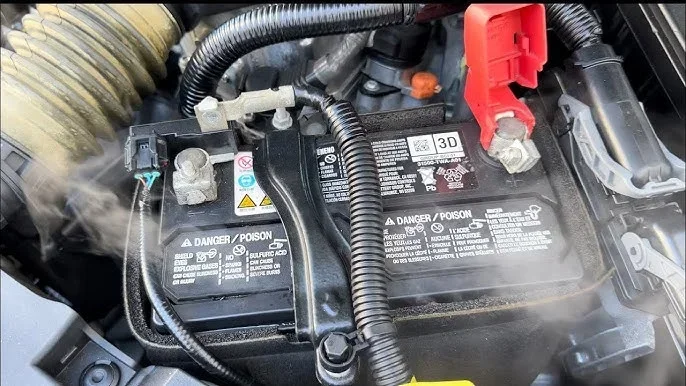
A healthy battery has a flat, firm case. When a battery overheats internally, the case swells. This swelling happens because excessive heat builds up inside the battery. The heat then radiates outward into the engine compartment, raising the overall temperature under the hood.
4. Corroded or Loose Battery Terminals
White or blue-green buildup on the terminals means corrosion. Corrosion creates resistance in the electrical connection. Less power reaches the cooling system components. The fans, sensors, and control modules all suffer from this reduced power delivery.
5. Dimming Lights and Electrical Accessories
If your headlights dim when you turn on the AC, that’s a classic sign of a weak battery. The AC compressor puts a heavy electrical load on the system. When the battery can’t keep up, the alternator overcompensates. This creates heat in the engine bay and can push temperatures higher.
Sometimes overheating on a hot day feels inevitable. But if you notice these signs together, your battery might be making a bad situation worse. You can learn more about how hot weather affects your car in our article Can A Car Overheat On A Hot Day.
Common Causes of Battery-Related Overheating
Not all battery problems look the same. Understanding the root cause helps you pick the right fix. Here are the most common reasons a bad battery leads to overheating.
Old Age and Wear
Car batteries typically last three to five years. After that, the internal plates degrade and can’t hold a full charge. An old battery forces the entire electrical system to work harder. That extra effort generates heat throughout the engine bay.
Internal Short Circuits
Inside the battery, short circuits between cells cause excessive heat buildup. These short circuits can also send incorrect voltage to the engine control module. The result is poor engine performance and rising temperatures.
Battery Acid Leaks
A cracked or damaged battery case can leak sulfuric acid. This acid corrodes nearby wiring and components. When it reaches cooling system connectors or fan wiring, it creates resistance and heat. Acid leaks are dangerous and should be handled with care.
Faulty Voltage Regulator
The voltage regulator controls how much power flows from the alternator to the battery. When this regulator fails, it can send too much or too little voltage. Too much voltage overheats the battery. Too little voltage starves the cooling system of power. Either way, your engine temperature suffers.
Parasitic Battery Drain
Some electrical devices draw power even when the car is off. This is called parasitic drain. A small drain won’t cause immediate problems. But a large drain kills the battery slowly. A chronically weak battery then affects the electrical system every time you drive.
How to Prevent Battery-Related Overheating
Prevention is always better than repair. These simple steps keep your battery healthy and your engine cool.
Check Your Battery Regularly
Inspect your battery every month. Look for corrosion on the terminals. Check the case for swelling or cracks. Clean any buildup with a baking soda and water solution. A clean connection means better power flow to all electrical components.
Test Your Battery’s Voltage
A fully charged battery should read 12.6 volts or higher with the engine off. When the engine runs, it should read between 13.7 and 14.7 volts. If your readings fall outside these ranges, it’s time for a replacement. A simple multimeter test takes two minutes and saves hundreds of dollars in repairs.
Replace Old Batteries Promptly
Don’t wait for your battery to die completely. If your battery is older than four years, consider replacing it proactively. A new battery delivers steady voltage to the cooling system. This keeps fans running, sensors accurate, and temperatures stable.
Keep the Battery Clean and Secure
Vibration damages battery internals. Make sure your battery is tightly secured in its tray. Use an anti-corrosion pad on the terminals. These small steps extend battery life and improve electrical connections.
Address Electrical Issues Quickly
If you notice dimming lights, slow cranking, or flickering dashboards, don’t ignore them. These are early signs of electrical system problems. Fixing them early prevents the kind of strain that leads to overheating.
For hybrid car owners, battery health is even more critical. The high-voltage battery in hybrid vehicles powers the electric motor and cooling system. A problem with the hybrid battery can directly cause overheating. Learn more about charging and maintaining hybrid batteries in our guide Can You Charge A Hybrid Car.
When to See a Mechanic About Battery and Overheating Issues
Some overheating problems are easy to fix at home. But others need professional attention. Here’s when to call a mechanic.
If your temperature gauge consistently reads in the red zone, pull over safely and turn off the engine. Driving an overheating car can cause catastrophic engine damage. A mechanic can run a full diagnostic to determine whether the battery, alternator, or cooling system is at fault.
Also see a mechanic if you notice a rotten egg smell near the battery. This smell indicates sulfuric acid leakage. Acid damage can spread to nearby components and create expensive repairs. A professional can safely clean the area and test all affected systems.
Mechanics can also check the voltage regulator and alternator output. These tests reveal whether your battery problems are causing heat buildup in the engine bay. Catching these issues early saves you from a full engine replacement.
Sometimes overheating stems from multiple problems at once. A bad battery combined with low coolant or a failing thermostat creates a perfect storm. A professional mechanic can diagnose all issues at once and recommend the right fixes.
Common Mistakes People Make With Batteries and Overheating
Ignoring the Temperature Gauge
Many drivers see the temperature gauge climb and just turn the AC off. That helps temporarily. But it doesn’t fix the underlying problem. If the battery can’t power the cooling fans properly, turning off the AC won’t stop the overheating.
Adding Coolant Without Checking the Battery
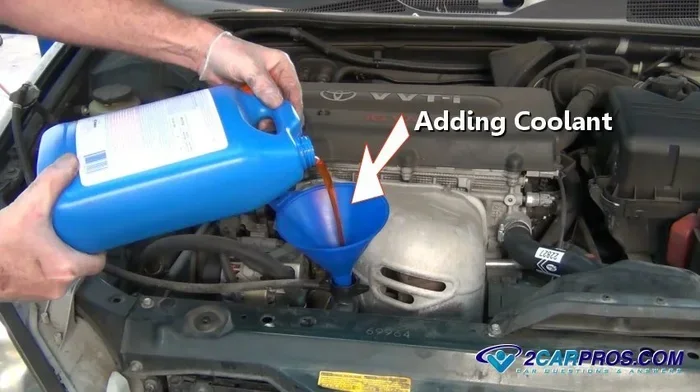
It’s tempting to just top off the coolant and keep driving. But if the real issue is a failing battery, adding coolant won’t help. The engine will still overheat because the fans and sensors aren’t getting enough power.
Jump-Starting Without Replacing the Battery
A jump start gets you going again. But it’s not a permanent fix. A weak battery that keeps dying will continue to strain the electrical system. Eventually, it will cause overheating or leave you stranded again.
Using the Wrong Battery
Not all batteries fit every car. Using the wrong size or type can cause poor connections and electrical issues. Always check your owner’s manual for the correct battery specifications.
Expert Insights on Battery Health and Engine Temperature
Automotive experts agree that the battery plays a larger role in temperature regulation than most drivers realize. According to certified mechanics, the majority of overheating electrical issues trace back to battery or alternator problems.
The cooling system depends on steady electrical power. The fans, sensors, and control modules all need consistent voltage. A healthy battery provides that consistency. A failing one creates chaos in the electrical system. This chaos shows up as overheating, erratic gauge readings, and unexpected breakdowns.
Experts also emphasize that modern cars have more electrical components than ever. Today’s vehicles use computers, sensors, electric fans, and power steering pumps. All of these draw from the same electrical system. When one component fails, the ripple effect touches everything else.
If you’ve ever wondered whether someone can tow your car without your permission, the answer is yes under certain circumstances. But that’s a different topic entirely. For now, focus on keeping your battery healthy. A strong battery keeps your entire electrical system running smoothly, including the components that prevent overheating.
Final Thoughts
A bad battery can absolutely make your car overheat. The connection between battery health and engine temperature is real and well-documented. From power-hungry cooling fans to sensitive temperature sensors, every part of your thermal management system depends on steady electrical power.
The good news is that preventing battery-related overheating is straightforward. Regular maintenance, timely replacement, and quick attention to warning signs go a long way. You don’t need to be a mechanic to keep your battery in good shape. A few simple checks each month can save you from expensive repairs and dangerous breakdowns.
Your car works hard for you every day. Give it the care it deserves. Check the battery, monitor the temperature gauge, and never ignore warning signs. A little attention today keeps your engine running cool tomorrow.
Frequently Asked Questions
Can a completely dead battery cause engine overheating?
A completely dead battery won’t directly overheat the engine, but it can cause the cooling fans to stop working. Without the fans running, heat builds up quickly. The engine can overheat within minutes if the fans aren’t operating. Always address a dead battery immediately to prevent secondary overheating damage.
How often should I replace my car battery to prevent overheating?
Most car batteries last between three and five years. Replacing your battery every four years is a smart preventive measure. This ensures your electrical system, including the cooling fans and sensors, always gets steady power. Check your battery’s age and condition at least twice a year.
Does battery corrosion cause overheating?
Battery corrosion doesn’t directly cause overheating, but it reduces electrical flow. Poor connections mean less power reaches the cooling fans and sensors. Over time, this strain can cause the engine to run hotter than normal. Cleaning corrosion regularly helps maintain good electrical connections and prevents heat buildup.
Can a bad battery affect the car’s thermostat?
The thermostat itself is a mechanical device and doesn’t rely on electricity. However, modern thermostats in some vehicles have electronic controls. A failing battery can send incorrect signals to these electronic thermostats. This can cause the thermostat to open or close at the wrong time, leading to temperature problems.
Is it safe to drive with a bad battery if the car is overheating?
No, it is not safe. Driving an overheating car risks severe engine damage. A bad battery adds to the problem by potentially disabling cooling fans and sensors. If your temperature gauge rises, pull over, turn off the engine, and get the car towed to a mechanic. Continuing to drive can destroy your engine.
What temperature should a car battery operate at?
A car battery works best between 50 and 95 degrees Fahrenheit. Temperatures above 100 degrees can cause the battery fluid to evaporate and the internal plates to degrade. High under-hood temperatures from engine overheating can also damage the battery. Keeping the engine bay cool helps protect your battery’s lifespan and performance.