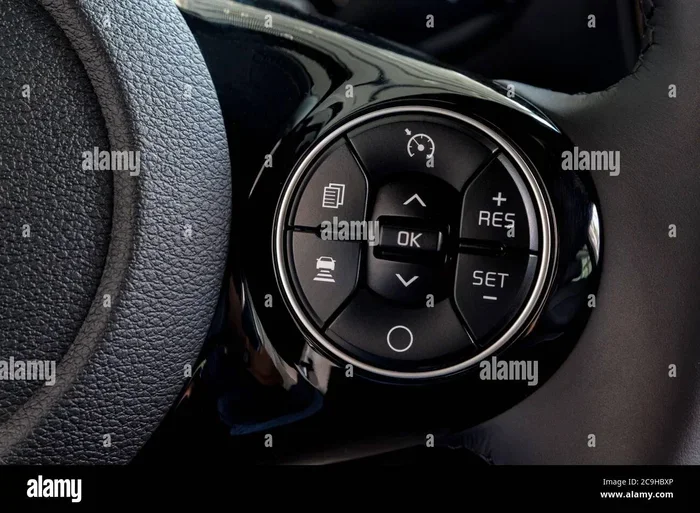
Is There a Way to Turn Off Adaptive Cruise Control
Yes, there is a way to turn off adaptive cruise control in almost every vehicle. You can disable it using a button on the steering wheel, the infotainment screen, or by pressing the brake pedal. Understanding how to turn off adaptive cruise control gives you full control of your driving experience.
Is there a way to turn off adaptive cruise control? The short answer is yes. Every car with this feature has a simple method to disable it. Whether you find the system distracting or just prefer driving the old-fashioned way, you have options. This guide walks you through every method for every major car brand.
Adaptive cruise control, or ACC, is a smart driving helper. It keeps your car at a set speed and adjusts automatically when traffic slows down. Many drivers love it for long highway trips. But some drivers want more hands-on control. They want to know exactly how to shut the system off when they need to. This article covers everything you need to know.
Key Takeaways
- Easy to Disable: Most cars let you turn off adaptive cruise control with a single button on the steering wheel.
- Brake Pedal Works Too: Pressing the brake pedal temporarily deactivates the system in nearly all vehicles.
- Every Brand Is Different: Toyota, Honda, Ford, Tesla, and other brands have unique methods to disable the feature.
- Manual Mode Is Always Available: You can always drive the old-fashioned way by turning the system off.
- Safety First: Disabling the feature is simple, but you should understand what happens when it is off.
- Check Your Owner Manual: Your vehicle manual has the exact steps for your specific car model.
📑 Table of Contents
- What Is Adaptive Cruise Control and Why Would You Turn It Off?
- How to Turn Off Adaptive Cruise Control: The Quick Methods
- Brand-Specific Ways to Disable Adaptive Cruise Control
- What Happens When You Turn Off Adaptive Cruise Control?
- Common Mistakes People Make When Using Adaptive Cruise Control
- Expert Tips for Managing Adaptive Cruise Control
- Is It Safe to Drive Without Adaptive Cruise Control?
- Conclusion
What Is Adaptive Cruise Control and Why Would You Turn It Off?
Adaptive cruise control uses radar sensors and cameras to keep a safe distance from the car ahead of you. The system accelerates and brakes on its own. It takes a lot of stress out of highway driving. But it is not perfect for every situation.
Some drivers feel less confident when the car is driving itself. Others encounter road conditions where the system behaves unpredictably. Maybe you are driving through heavy rain or fog. The sensors might not work well in bad weather. Turning off the system gives you full control back.
Here are common reasons drivers want to disable the feature:
- Personal preference: You simply like driving manually and being in charge of every decision.
- Bad weather: Rain, snow, or fog can confuse the radar sensors.
- Stop-and-go traffic: Some ACC systems behave oddly in very slow or crawling traffic.
- Road conditions: Curvy roads, steep hills, or construction zones may confuse the system.
- Driver fatigue: Ironically, some drivers feel more alert when they are fully in control.
- System malfunction: If the sensors give false readings, you need to turn the system off.
How Adaptive Cruise Control Works
The system relies on a radar sensor mounted behind the front grille. This sensor reads the distance and speed of the vehicle ahead. It sends signals to the car’s computer. The computer then adjusts your speed automatically. When the road clears, the car accelerates back to your set speed. All of this happens without you touching the pedals.
Understanding how the system works helps you know when to turn it off. If the radar sensor gets dirty or blocked, the system may not function correctly. A simple wipe of the front grille area can sometimes fix minor issues. But if the problem persists, disabling the system is the safest move.
How to Turn Off Adaptive Cruise Control: The Quick Methods
Most vehicles make it very easy to disable adaptive cruise control. You do not need special tools or mechanical knowledge. The methods are built right into the car’s design. Here are the most common ways to turn the system off.
Method 1: The Steering Wheel Button
Nearly every car with adaptive cruise control has a button on the steering wheel. This button is usually labeled “ACC,” “Cruise,” or has an icon that looks like a speedometer with a car in front of it. Pressing this button once typically turns the system off.
Here is what to do step by step:
- Look at the left or right side of your steering wheel.
- Find the button with the cruise control icon.
- Press the button once.
- Check the dashboard display. The ACC indicator light should turn off.
On some cars, pressing the button once puts the system in standby mode. The car still maintains your speed but will not adjust for traffic. Pressing the button again fully turns the system off. Check your vehicle manual to know the exact behavior for your car.
Method 2: Press the Brake Pedal
Pressing the brake pedal is the most universal way to disable adaptive cruise control. Every car with ACC responds to this. When you tap the brake, the system instantly disengages. The car goes back to normal manual driving mode.
This method works because the brake pedal is a safety override. The car assumes you want full control when you press the brake. It is a simple and reliable way to turn off the system at any moment.
Here is what you should know:
- The brake pedal method works on every car with adaptive cruise control.
- It provides an instant override. No delay or waiting.
- The system will not reactivate until you press the resume button.
- This is the safest method in emergency situations.
Method 3: The Infotainment Screen
Many modern cars let you control adaptive cruise control through the infotainment screen. You can navigate to the vehicle settings menu and toggle the system off. This method is common in luxury cars and newer models from brands like BMW, Mercedes-Benz, and Tesla.
To use this method:
- Go to the home screen on your infotainment display.
- Navigate to “Vehicle Settings” or “Driver Assistance.”
- Look for “Adaptive Cruise Control.”
- Toggle the switch to the off position.
This method is great if you want to completely disable the feature for a longer period. Some cars remember your preference until you turn it back on again.
Brand-Specific Ways to Disable Adaptive Cruise Control
Every car brand has its own approach to the adaptive cruise control system. The button locations and methods vary. Here is a breakdown of how to turn off the system in some of the most popular brands.
Toyota and Lexus
Toyota vehicles use a button on the steering wheel cluster. Look for the “MAIN” button. Pressing it toggles the adaptive cruise control on and off. On some Toyota models, you can also use the steering wheel controls to adjust the system. The “CANCEL” button will temporarily deactivate it.
Toyota’s system is called “Dynamic Radar Cruise Control.” When you press the MAIN button, the system shuts down completely. The dashboard will show a green icon when the system is active and no icon when it is off.
Honda
Honda vehicles have a dedicated cruise control button on the left side of the steering wheel. Pressing the “MAIN” button turns the system on or off. Honda’s system is called “Adaptive Cruise Control with Low-Speed Follow.”
To turn it off, simply press the MAIN button once. The indicator light on the dashboard goes off. Honda also lets you adjust the following distance using the steering wheel controls. If you want a clean slate, turning the system off and back on resets all settings.
Ford
Ford vehicles place the cruise control buttons on the left side of the steering wheel. The system is called “Ford Co-Pilot360 Active Cruise Control.” There is a dedicated button with a speedometer icon. Pressing it turns the system off.
Ford also lets you adjust the sensitivity of the system through the infotainment screen. You can change the following distance and the set speed. If you want to completely disable the feature, the steering wheel button is the fastest way.
Tesla
Tesla takes a different approach. The adaptive cruise control system is part of Autopilot. To turn it off, you can press the brake pedal or use the touchscreen. Go to “Controls” then “Autopilot” and toggle the feature off.
Tesla’s system is more integrated than most. It uses cameras instead of radar in newer models. This means the system relies heavily on visual data. In poor visibility conditions, some Tesla drivers prefer to turn the system off entirely and drive manually.
BMW and Mercedes-Benz
BMW and Mercedes-Benz vehicles have sophisticated driver assistance systems. Both brands put the cruise control buttons on the steering wheel. Look for the cruise icon and press it to deactivate the system.
BMW calls its system “Active Cruise Control.” Mercedes-Benz calls theirs “Distronic Plus.” Both systems allow you to adjust the following distance and speed using steering wheel controls. The off button is clearly labeled and easy to find.
What Happens When You Turn Off Adaptive Cruise Control?
When you disable the system, your car returns to standard driving mode. The car no longer adjusts its speed based on traffic ahead. You are responsible for all acceleration, braking, and speed management. This is exactly how cars worked before adaptive cruise control became common.
Here is what changes when the system is off:
- No automatic braking: The car will not slow down on its own when traffic ahead slows.
- No speed adjustment: You must manage your speed manually using the gas pedal.
- No following distance management: You are responsible for keeping a safe gap from the car ahead.
- Full manual control: Every driving decision is entirely in your hands.
Some drivers worry that turning off the system affects other safety features. This is not true. Features like lane departure warnings and automatic emergency braking still work even when adaptive cruise control is off. The systems operate independently. Turning off one does not disable the others.
Does Turning Off ACC Affect Other Safety Features?
No, it does not. Modern cars have multiple safety systems that work separately. The adaptive cruise control is just one piece of the puzzle. Your car’s automatic emergency braking, blind spot monitoring, and lane-keeping assist all function independently. You can turn off the cruise control and still have full protection from other safety features.
This is an important distinction. Many drivers confuse the different driver assistance features. They think turning off one system turns off everything. That is not the case. Each system has its own sensors, processors, and controls. They operate on separate circuits and software.
Common Mistakes People Make When Using Adaptive Cruise Control
Even though adaptive cruise control is a helpful tool, drivers sometimes make mistakes. Understanding these common errors can keep you safer on the road.
Mistake 1: Forgetting the System Is Active
The biggest mistake is forgetting that the system is still on. You might think you are driving manually, but the car is still adjusting your speed. Always check the dashboard indicator. If the ACC light is on, the system is active. Stay aware of what the car is doing at all times.
Mistake 2: Relying Too Heavily on the System
Adaptive cruise control is a driver assistance tool. It is not a replacement for active driving. Some drivers become too relaxed and take their hands off the wheel. This is dangerous. Always keep your hands on the wheel and your eyes on the road. The system can malfunction or encounter situations it cannot handle.
Mistake 3: Not Knowing How to Turn It Off Quickly
In an emergency, you need to disable the system fast. If you do not know where the off button is, you will waste precious seconds. Practice finding the button in a safe, parked environment. Build muscle memory so you can reach it without thinking when it matters most.
Mistake 4: Ignoring Sensor Maintenance
The radar sensor on your car needs to stay clean. Mud, snow, and debris can block the sensor. When the sensor is blocked, the system may give false readings or stop working entirely. Regularly check the front of your car and clean the sensor area. This simple habit keeps the system running correctly.
Expert Tips for Managing Adaptive Cruise Control
Getting the most out of your cruise control system means understanding its limits and strengths. Here are some expert tips to help you drive smarter.
Tip 1: Clean the Radar Sensor Regularly
Take a moment to wipe down the front grille area during your regular car wash. A clean sensor means accurate readings. Dirty sensors cause the system to malfunction or disengage unexpectedly. This is a quick habit that pays off big time.
Tip 2: Adjust the Following Distance
Most adaptive cruise control systems let you set the following distance. Start with a longer distance until you get comfortable. A three- to four-second gap is a good starting point. You can always adjust it shorter later. Giving yourself more space reduces stress and increases safety.
Tip 3: Know When to Turn It Off
Use your judgment. If the weather is bad, turn the system off. If the road is curvy or unfamiliar, consider disabling it. Stop-and-go city traffic is another situation where the system may not perform well. Trust your instincts. You are the driver, and the system is just a helper.
Tip 4: Read Your Vehicle Manual
Your owner manual has the complete guide for your specific car. It explains every button, every setting, and every limitation. Take 15 minutes to read the cruise control section. You will learn things you never knew about your car. This small investment of time can make a big difference in your driving experience.
Is It Safe to Drive Without Adaptive Cruise Control?
Yes, it is completely safe. In fact, cars drove safely for decades without this feature. Turning off adaptive cruise control does not make your car less safe. You simply take over the responsibilities that the system would normally handle. Manual driving requires more attention, but it gives you complete control.
Many experienced drivers prefer to turn the system off in certain situations. They feel more connected to the road and more aware of their surroundings. There is nothing wrong with this preference. The system is there to help, not to replace your driving skills.
Some drivers also turn the system off to save fuel. While modern systems are designed to be fuel-efficient, some drivers find that manual driving gives them better mileage. This depends on your driving style, the road conditions, and the vehicle. Experiment and see what works best for you.
Conclusion
So, is there a way to turn off adaptive cruise control? Absolutely. You have several simple methods at your disposal. The steering wheel button is the fastest and most common way. The brake pedal works as an instant override. And the infotainment screen gives you a permanent off option for many vehicles. Every car brand has its own approach, but the basics remain the same.
Understanding how to disable the system gives you confidence and control. You decide when the feature helps and when it does not. There is no shame in turning it off. Driving is a personal experience, and you should feel comfortable behind the wheel. Keep this guide handy, and you will always know exactly how to manage your adaptive cruise control system.
Take a few minutes to practice finding the off button in your own car. Park in a safe spot and locate the controls. Build your confidence. When you know exactly how the system works, you can use it when it helps and turn it off when it does not. That is the real power of understanding your vehicle.
Frequently Asked Questions
Can I turn off adaptive cruise control while driving?
Yes, you can turn off adaptive cruise control while driving at any time. Simply press the brake pedal or the ACC button on the steering wheel. The system disengages instantly and gives you full manual control. This is designed to be a quick and safe override for any situation.
Will turning off adaptive cruise control affect my car’s warranty?
No, turning off the system does not affect your warranty. Adaptive cruise control is a convenience feature, not a core vehicle component. Disabling it is completely normal and expected. You can turn it on and off as often as you like without any impact on your warranty coverage.
Why does my adaptive cruise control keep turning off by itself?
There are a few common reasons. A dirty radar sensor is the most frequent cause. Snow, mud, or debris on the front grille can block the sensor. Other causes include a blown fuse, a software glitch, or a problem with the brake light switch. Check the sensor first, and if the problem continues, consult a mechanic.
Do all cars have adaptive cruise control?
No, not all cars have adaptive cruise control. It is typically found on mid-range and luxury trim levels. Some base models only have standard cruise control, which maintains a set speed but does not adjust for traffic. Check your vehicle specifications or owner manual to confirm whether your car has the adaptive version.
Is adaptive cruise control the same as autopilot?
No, they are not the same. Adaptive cruise control only manages your speed and following distance. It does not steer the car. Autopilot, like Tesla’s version, combines adaptive cruise control with lane-keeping assist to handle both speed and steering. Autopilot is a more advanced system, but both require active driver supervision.
How do I clean my car’s radar sensor for the cruise control system?
Cleaning the radar sensor is simple. Use a soft cloth and warm water. Gently wipe the front grille area where the sensor is located. Avoid harsh chemicals or abrasive materials. Most car washes will also clean this area effectively. Make it a habit to check the sensor during regular car cleaning routines.