Can You Register a Car Without a License Here Is How
Yes, you can register a car without a license in most states. Whether you are a non-driver, a new resident, or registering a vehicle for someone else, the process is straightforward if you know the right steps. This guide covers every requirement, document, and tip you need to get your car registration done without a driver’s license.
Have you ever wondered whether can you register a car without a license? Maybe you do not drive but own a vehicle. Perhaps you are helping a family member. Or maybe you recently moved to a new state and need to sort out your vehicle registration. Whatever the reason, the answer is yes — in most cases, you absolutely can.
Registering a car without a license might sound confusing at first. But once you understand the process, it is much simpler than you think. This guide walks you through every step, every document, and every tip you need to know. We will cover state-by-state differences, common pitfalls, and expert advice that will save you time and frustration.
The car registration process is not just for drivers. Vehicle ownership and vehicle registration are two separate things. You can legally own and register a car even if you never plan to drive it yourself. Let us dive into everything you need to know.
Key Takeaways
- You can register a car without a license: Most states allow vehicle registration even if you do not hold a driver’s license.
- Key documents are essential: You will need a title, proof of insurance, and identification to complete the process.
- State rules vary: Each state has different DMV registration requirements, so always check your local guidelines first.
- A trusted representative can help: You can use a power of attorney or have someone else handle the registration for you.
- Insurance is still required: You must have valid auto insurance even if you do not drive the vehicle yourself.
- Avoid common mistakes: Missing documents or incorrect information can delay your car title transfer and registration.
📑 Table of Contents
- Understanding Car Registration Without a License
- Requirements for Registering a Car Without a License
- Step-by-Step Process to Register a Car Without a License
- Can Someone Else Register a Car for You?
- State-by-State Differences in Registration Rules
- Common Mistakes to Avoid When Registering Without a License
- Expert Tips for a Smooth Registration Process
- Key Takeaways
- Frequently Asked Questions
- Conclusion
Understanding Car Registration Without a License
Car registration is the process of recording your vehicle with the state government. It proves that your vehicle ownership is legal and that you have paid the required fees. A driver’s license is not always a requirement for this process.
When you think about it, car registration is really about the vehicle, not the person driving it. The state wants to know who owns the car, what it is worth, and whether it is insured. Your ability to drive it is a separate matter entirely.
Why Car Registration and Driving Are Separate
Many people assume that registering a car means you can drive it. That is not true. Registration simply means the state recognizes your vehicle on public roads. The registered owner is the person listed on the registration document, not necessarily the person behind the wheel.
Here is a simple way to think about it. A car registration says, “This vehicle belongs to this person.” A driver’s license says, “This person is allowed to drive.” These are two different systems run by the same agency — usually the Department of Motor Vehicles, or DMV.
Who Might Need to Register a Car Without a License?
There are many real-world situations where someone needs to register a vehicle without a license. Let us look at the most common ones.
- Family members helping out: A parent registering a car for a teenage child who does not yet have a license.
- Elderly vehicle owners: Seniors who no longer drive but still own their vehicles.
- Collectors and enthusiasts: People who own classic cars but do not drive them regularly.
- New residents: Someone who moved to a new state and needs to transfer their car title and registration but has not yet obtained a local license.
- Business owners: Companies registering fleet vehicles where employees handle the driving.
- Non-drivers with a disability: Individuals who rely on others for transportation but still own a vehicle.
No matter your situation, understanding the car registration requirements is the first step toward getting it done right.
Requirements for Registering a Car Without a License
Every state has its own set of rules. But across the board, there are some common requirements you will need to meet. Let us break them down.
Proof of Vehicle Ownership
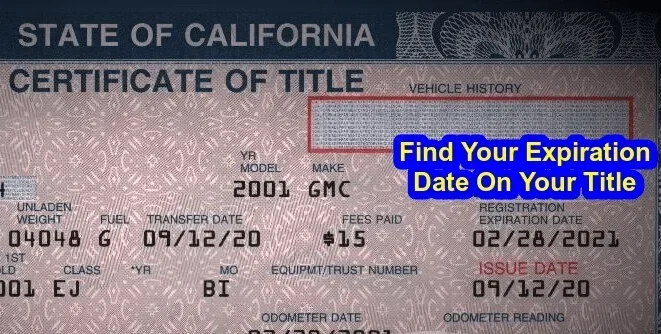
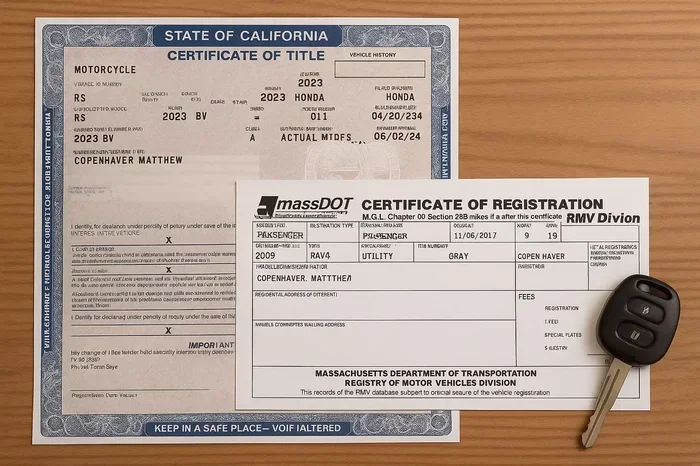
The most important document you need is proof that you own the vehicle. This usually means the car title. The title is a legal document that shows who the registered owner is.
If you bought the car from a dealer, you might have a certificate of title or a manufacturer’s statement of origin. If you bought it from a private seller, you should have the signed title transferred to your name. Without a valid title, registering a car without a license becomes much harder.
Valid Identification
You do not need a driver’s license to prove your identity, but you do need some form of valid ID. Most DMVs accept:
- A state-issued identification card
- A passport
- A permanent resident card
- A military ID
Make sure your ID is current and not expired. An expired ID will delay your vehicle registration process and force you to start over.
Proof of Insurance
This surprises a lot of people. Even if you do not drive, you still need auto insurance to register a car. Every state requires registered vehicles to have at least minimum liability coverage.
Some states offer low-mileage or storage policies for vehicles that are not driven regularly. These can save you money while still meeting the insurance requirements for registration. Always keep your insurance card handy when you visit the DMV.
Vehicle Identification Number and Inspection
Your vehicle identification number, or VIN, is a unique code that identifies your car. The DMV will use it to verify the vehicle’s history and ensure it is not stolen or salvaged.
Some states also require a vehicle inspection before registration. This checks safety features like brakes, lights, and emissions. Check your local state DMV requirements to see if an inspection is needed in your area.
Payment of Registration Fees
Every state charges registration fees for vehicle registration. These fees vary widely based on the vehicle’s age, weight, value, and your location.
Fees can range from $20 to several hundred dollars. Some states also charge additional taxes or surcharges. Be prepared to pay these fees when you submit your application. Most DMVs accept cash, credit cards, and checks.
Step-by-Step Process to Register a Car Without a License
Now that you know the requirements, let us walk through the actual process. Following these steps will make your car registration experience smooth and stress-free.
Step 1: Gather All Required Documents
Before you visit the DMV or fill out any forms, gather everything you need. Here is a checklist:
- The vehicle title in your name
- A valid form of identification
- Proof of insurance
- The vehicle identification number
- Payment for registration fees
- Any required inspection certificates
Having all your documents ready saves time and prevents frustrating trips back and forth to the DMV. Make copies of everything, too, just in case.
Step 2: Complete the Registration Application
Most states offer registration applications online or by mail. You can also visit your local DMV office in person. The application will ask for basic information about you and the vehicle.
Be careful when filling out the form. Make sure your name matches your ID exactly. Double-check the VIN, license plate number, and odometer reading. Errors can cause delays and additional paperwork.
Step 3: Submit Your Application and Pay Fees
Once your application is complete, submit it along with your documents and payment. If you are applying online, you can upload scanned copies of your documents. If you are visiting in person, bring the originals and copies.
After payment is processed, the DMV will issue your registration certificate and, in most cases, your license plates. Some states mail these to you, while others give them to you on the spot.
Step 4: Receive Your Registration and Plates
Your vehicle registration is proof that your car is legally registered in your state. Keep this document in your vehicle at all times. You may also receive temporary paper plates while your permanent plates are being manufactured.
Registration typically needs to be renewed annually or biennially, depending on your state. Set a reminder so you do not let it expire.
Can Someone Else Register a Car for You?
Yes, absolutely. If you cannot or prefer not to handle the registration yourself, you can have someone else do it for you. This is a common practice and perfectly legal.
Using Power of Attorney for Vehicle Registration
A power of attorney is a legal document that gives someone else the authority to act on your behalf. For vehicle registration, you can sign a power of attorney form that allows a trusted friend or family member to handle the process.
The person you designate will need to bring the power of attorney document to the DMV along with all the other required paperwork. This is especially useful if you live far from the DMV or cannot take time off work.
Hiring a Third-Party Registration Service
If you do not want to bother a friend or family member, you can hire a third-party registration service. These services handle the entire process for you. They gather documents, fill out forms, and submit everything to the DMV.
These services usually charge a fee, but they can save you a lot of time and hassle. Just make sure you use a reputable service with good reviews and proper licensing.
State-by-State Differences in Registration Rules
Every state has its own rules when it comes to car registration without a license. Here is a quick comparison of how some states handle this situation.
| State | License Required for Registration? | Alternative ID Accepted? | Insurance Required? |
|---|---|---|---|
| California | No | Yes, state ID or passport | Yes |
| Texas | No | Yes, state ID or passport | Yes |
| Florida | No | Yes, state ID or passport | Yes |
| New York | No | Yes, state ID or passport | Yes |
| Ohio | No | Yes, state ID or passport | Yes |
As you can see, most states do not require a driver’s license for vehicle registration. The key is to provide valid alternative identification and meet all other requirements. Always check your specific state’s DMV website for the most current rules and regulations.
Common Mistakes to Avoid When Registering Without a License
Even when you know the process, mistakes can happen. Here are the most common errors people make when trying to register a car without a license and how to avoid them.
Showing Up Without All Documents
This is the number one mistake. People arrive at the DMV only to realize they forgot a critical document. Maybe they left the title at home. Maybe their insurance card is expired. Whatever the case, missing documents mean a wasted trip.
Solution: Use the checklist we provided earlier. Go through every item before you leave your house. Better yet, make photocopies of everything and keep them in a folder.
Using Expired Identification
An expired state ID or passport will not work. The DMV needs current identification to verify your identity. This is a simple mistake that causes unnecessary delays.
Solution: Check the expiration date on your ID well before your visit. If it is expired, renew it first or use a passport instead.
Not Having Valid Insurance
Some people assume that if they are not driving, they do not need insurance. That is wrong. Without proof of insurance, your car registration will be denied.
Solution: Contact your insurance provider and make sure your policy is active and covers the vehicle you are registering. Get a physical or digital copy of your insurance card.
Incorrect Information on Forms
Typos, misspelled names, and wrong VIN numbers can all cause problems. The DMV will flag these errors and send you back to fix them.
Solution: Go slow when filling out forms. Read every field carefully. Have someone else review your work before submission.
Expert Tips for a Smooth Registration Process
We asked experienced DMV professionals for their best advice on registering a car without a license. Here is what they had to say.
Call Ahead Before You Visit
Every DMV office has slightly different procedures. Some require appointments. Some have specific hours for certain services. A quick phone call can save you a long wait.
Ask about any special requirements for non-driver registration. Find out if you need an appointment or if walk-ins are welcome. This one simple step can make your visit much easier.
Check Your State DMV Website First
Most state DMV websites have detailed guides for every type of registration. You can find checklists, fee schedules, and frequently asked questions online.
Search for your state’s DMV website and look for sections on vehicle registration, title transfers, and non-driver identification. This research will prepare you for your visit.
Keep Everything Organized
Use a folder or envelope to keep all your documents together. Label each document so you can find it quickly. Organization is the secret to a smooth DMV visit.
When you walk into the DMV with everything in order, you will feel confident and in control. That confidence makes the whole process faster and less stressful.
Key Takeaways
- You can register a car without a license: Vehicle registration and driving are separate processes. Most states allow non-drivers to register vehicles.
- Gather your documents first: You will need a title, valid ID, proof of insurance, and payment for fees.
- Alternative identification works: Passports, state IDs, and military IDs are all accepted in place of a driver’s license.
- Insurance is mandatory: You must have active auto insurance even if you do not drive the vehicle yourself.
- Someone else can do it for you: A power of attorney or third-party service can handle the registration on your behalf.
- State rules vary: Always check your local DMV website for the most accurate and up-to-date requirements.
- Avoid common mistakes: Double-check your documents, forms, and insurance status before visiting the DMV.
Frequently Asked Questions
Can I register a car without a driver’s license in any state?
Yes, in all 50 states you can register a car without a driver’s license. Every state allows vehicle registration using alternative forms of identification such as a state ID card or passport. The key is meeting your state’s specific car registration requirements and providing all necessary documents.
Do I need insurance if I am not driving the car?
Yes, you still need auto insurance. All states require registered vehicles to have at least minimum liability coverage, regardless of whether the owner drives the car. You can look into low-mileage or storage policies to save on premiums while staying compliant.
Can I use a power of attorney to register a car for someone else?
Absolutely. A power of attorney allows a trusted person to handle vehicle registration on your behalf. They will need to bring the signed power of attorney document along with all other required paperwork to the DMV. This is a convenient option if you cannot visit the office yourself.
How much does it cost to register a car without a license?
Registration fees vary by state and vehicle type. They typically range from $20 to several hundred dollars. Some states also charge additional taxes or surcharges. Check your state DMV website for the most accurate fee schedule before your visit.
What if my car title is not in my name?
If the title is not in your name, you will need to complete a title transfer first. The previous owner must sign the title over to you. Once the title is in your name, you can proceed with the vehicle registration process as usual.
Can I get license plates without a driver’s license?
Yes, you can receive license plates even without a driver’s license. The DMV issues plates based on vehicle registration, not driving privileges. You may receive temporary paper plates immediately and permanent plates by mail after processing.
Conclusion
Can you register a car without a license? The answer is a clear yes. Whether you are a non-driver, a senior citizen, a business owner, or simply helping out a family member, the car registration process is well within your reach. You do not need a driver’s license to get your vehicle registered and legally on the road — even if you never plan to drive it yourself.
The key is preparation. Gather your documents, understand your state’s requirements, and avoid the common mistakes we outlined. With the right information and a little patience, you can complete your vehicle registration smoothly and confidently.
Remember, car registration is about vehicle ownership, not driving ability. As long as you have a valid title, proper identification, active insurance, and the required fees, you are good to go. Take the steps outlined in this guide, and you will have your registration in no time.