Can a Dead Car Battery Really Cause the Key Not to Turn
A dead car battery can indeed prevent your key from turning in the ignition. When the battery loses power, it affects the electrical systems that allow the ignition cylinder to release and the steering wheel lock to disengage. Understanding this connection helps you diagnose the problem quickly and avoid unnecessary repairs.
There’s nothing more frustrating than reaching for your car key and finding it won’t turn. Many drivers assume this means a costly repair or a broken ignition, but the truth is a dead car battery is often the real culprit behind a key that refuses to turn. The ignition system depends on electrical power to release the steering wheel lock, and when your battery dies, that release mechanism fails completely. This guide breaks down exactly how a dead car battery affects your ability to turn the key, what other symptoms to watch for, and the simple steps you can take to fix the problem. Whether you’re dealing with a key that won’t turn in the morning or a car that won’t start, understanding the root cause puts you back in control. You’ll learn what’s happening under the hood, why it matters, and how to get back on the road with confidence.
You step up to your car, insert the key, and twist. Nothing happens. The key feels stuck, and panic starts to set in. Before you call a tow truck or start worrying about expensive repairs, take a deep breath. A dead car battery is one of the most common reasons a key won’t turn in the ignition. This happens more often than most people realize, especially during cold months or after the car sits unused for a while.
The good news is that you don’t need to be a certified mechanic to understand or fix this problem. In this article, we’ll walk through exactly why a dead car battery stops your key from turning, what warning signs point to a battery issue, and the practical steps you can take to get back on the road. Let’s dive in and take the mystery out of this frustrating situation.
Key Takeaways
- A dead car battery can lock your steering wheel, making the key impossible to turn in the ignition
- The ignition system relies on electrical power even for mechanical key turning in modern vehicles
- Simple fixes like wiggling the steering wheel often resolve the issue immediately without any cost
- Corroded battery terminals can mimic dead battery symptoms and cause key-turning problems
- Cold weather worsens battery performance and significantly increases key-turning difficulties
- Knowing when to call a professional saves time, money, and prevents further damage to the ignition system
📑 Table of Contents
Understanding How Your Car Ignition System Works
Before you can fix a problem, you need to understand how the system works. Your car’s ignition system is a combination of mechanical and electrical components that work together every time you turn the key. The process seems simple on the surface, but there’s more happening than most people realize.
The Role of the Ignition Cylinder
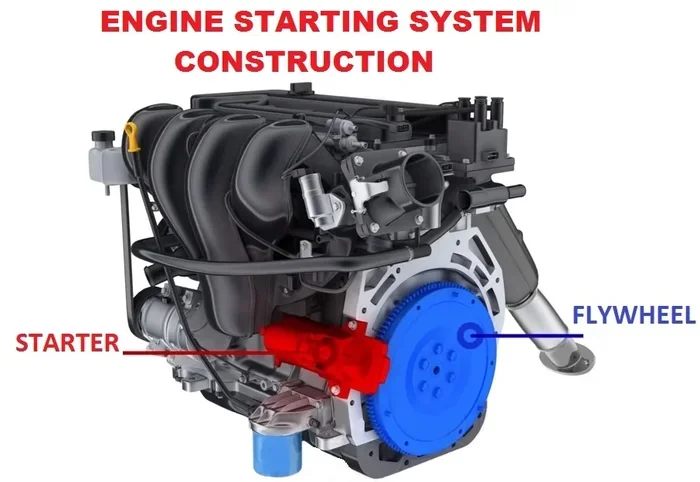
When you insert your key and turn it, you’re engaging the ignition cylinder. This is a mechanical component that connects the key to the car’s electrical system. The cylinder allows power to flow from the car battery to the starter motor, spark plugs, and other essential systems. Without a working battery, this flow stops, and the car simply can’t start.
But here’s what surprises many people. Even though turning the key is a mechanical action, the ignition cylinder often relies on electrical signals to release fully. A dead car battery can prevent those signals from reaching the cylinder, leaving the key feeling locked in place. The cylinder itself isn’t broken, but it can’t complete its cycle without electrical input from the battery.
Think of it like a door that needs both a key and a code. The key is the mechanical part, but the code is the electrical part. If the code system loses power, the door won’t open even with the right key. That’s essentially what happens when your battery dies and the key gets stuck.
How the Electrical System Supports Key Turning
Your car’s electrical system does far more than power the headlights and the radio. It manages the steering wheel lock, the immobilizer, and the power steering assist. All of these systems interact with the ignition process in ways that directly affect whether your key turns smoothly.
When the battery dies, the power steering lock can engage more tightly, making it physically harder to turn the key. This is especially common in cars with electronic steering lock systems. These modern locks require a small amount of electrical power to release, and without it, they stay locked tight. The key physically can’t move because the lock won’t let the cylinder turn.
Additionally, the ignition switch sends electrical signals to the car’s computer when you turn the key. If the battery is dead, these signals don’t get through, and the computer doesn’t know the key has been turned. This creates a situation where the key feels stuck or refuses to move at all, even though the mechanical parts are fine.
Can a Dead Battery Actually Stop the Key from Turning?
The Steering Wheel Lock Connection
The steering wheel lock is the most common reason a key gets stuck in the ignition. When you turn off the car and remove the key, the steering wheel locks in place as a security feature. This prevents thieves from driving away without the key. But if the battery is dead, the mechanism that releases this lock doesn’t receive the signal it needs to unlock.
Try this simple test. Grab the steering wheel firmly and wiggle it left and right while gently trying to turn the key. Often, the lock releases simply by applying pressure to the wheel. This works because the mechanical lock and the electrical lock are separate systems. The steering wheel lock is purely mechanical, but the electronic steering lock needs power to disengage.
Many drivers don’t realize that the steering wheel puts pressure on the ignition cylinder when it locks. This pressure makes the key extremely hard to turn. By releasing the steering wheel pressure first, you reduce the force on the cylinder and allow the key to turn freely. It’s a simple trick that works in the majority of cases where a dead car battery is the cause.
Electronic Immobilizer Systems
Modern cars come equipped with immobilizer systems that prevent the engine from starting without the correct key. These systems communicate between the key and the car’s computer using a small chip inside the key fob or key head. A dead car battery can disrupt this communication, causing the immobilizer to remain active even when the correct key is inserted.
If the immobilizer stays active, the car won’t recognize the key, and the engine won’t crank. This feels exactly like a key-turning problem, but the root cause is the lack of electrical power. The car’s computer is essentially saying “no” because it can’t verify the key without power. Replacing or jump starting the battery usually resolves this issue quickly and gets the immobilizer talking to the key again.
In some vehicles, a dead battery causes the immobilizer to default to a locked state. This means even after you replace the battery, the key might still not work until you go through a reset process. Always check your owner’s manual for the specific reset procedure for your car model.
Common Signs Your Battery Is Causing Key Issues
Dashboard Warning Lights
Before your key stops turning entirely, your car usually gives you warning signs. Dashboard lights that flicker or stay dim are clear indicators of a low battery voltage. If you notice the check engine light, battery warning light, or any electrical warnings on your dash, pay close attention. These lights often appear before the key-turning problem becomes severe.
Other electrical issues also point to battery trouble. Dim headlights, slow power windows, a weak horn, or dashboard lights that dim when you turn the key are all red flags. When you notice these signs, it’s time to check your battery before the key gets stuck entirely. Catching the problem early saves you from being stranded somewhere unexpected.
Some drivers ignore these warning signs until the key actually gets stuck. By then, the battery may be completely dead, and you’re dealing with a more serious situation. Regularly checking your dashboard for flickering lights or warnings can help you address battery problems before they affect your ability to start the car.
Other Dead Battery Symptoms
A dead car battery doesn’t just affect the key. You might notice a clicking sound when you turn the ignition, or the engine cranks very slowly before dying. The car won’t start even though the key turns freely. These are classic dead battery symptoms that every driver should recognize and respond to quickly.
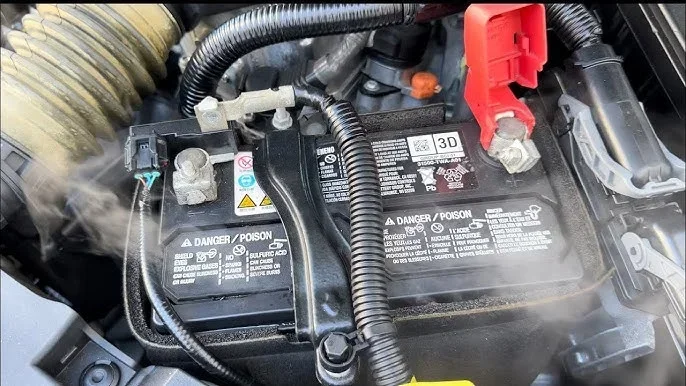
Corroded battery terminals can also mimic dead battery problems. If you see a white or greenish buildup on the battery terminals, that corrosion is blocking the electrical connection. Cleaning the terminals with a wire brush and baking soda solution often restores the connection and fixes both the electrical issues and the key-turning problem.
Another sign to watch for is a smell near the battery. A rotten egg smell indicates the battery is leaking, which can cause electrical problems that affect the ignition system. If you notice this smell, don’t try to start the car repeatedly. Get the battery inspected or replaced as soon as possible to avoid further damage to the electrical system.
Step-by-Step Fixes When the Key Won’t Turn
Quick Fixes You Can Try at Home
Before you spend money on repairs, try these simple solutions. Most of them cost nothing and take just a few seconds to try.
- Wiggle the steering wheel: Grab the wheel firmly and wiggle it left and right while gently trying to turn the key. This releases the mechanical lock and often solves the problem immediately.
- Adjust the key angle: Try pulling the key out slightly and reinserting it at a different angle. Sometimes the key doesn’t seat properly in the key cylinder, especially when the battery is low.
- Check the gear shift: Make sure the car is in park. Many cars won’t release the ignition lock cylinder unless the transmission is in park or neutral. Moving the shift lever and trying the key again can do the trick.
- Try a spare key: If you have a spare key, try it. The original key might be worn or have a chip issue that prevents it from communicating with the immobilizer.
If none of these quick fixes work, don’t force the key. Forcing it can break the key inside the cylinder, which creates a much bigger problem. Instead, move on to the next set of solutions.
When to Replace the Battery
If the quick fixes don’t work, your battery may need replacement. A battery replacement is straightforward and affordable. Most standard car batteries cost between $50 and $120, and many auto parts stores will install it for free. The process typically takes about 15 to 30 minutes.
Before replacing the battery, test the voltage with a multimeter. A healthy battery reads around 12.6 volts. If it reads below 12.0 volts, the battery is likely the problem causing your key to stick. You can also try pushing a manual car to start it as a temporary solution if you’re stranded somewhere. This lets you get the car running and the battery recharged, which may restore enough power for the key to turn normally again.
After replacing the battery, try turning the key immediately. In most cases, the new battery provides enough power to release the electronic steering lock and allow the key to turn freely. If the key still won’t turn after a new battery, there may be a secondary issue with the ignition cylinder or the steering lock mechanism that needs further inspection.
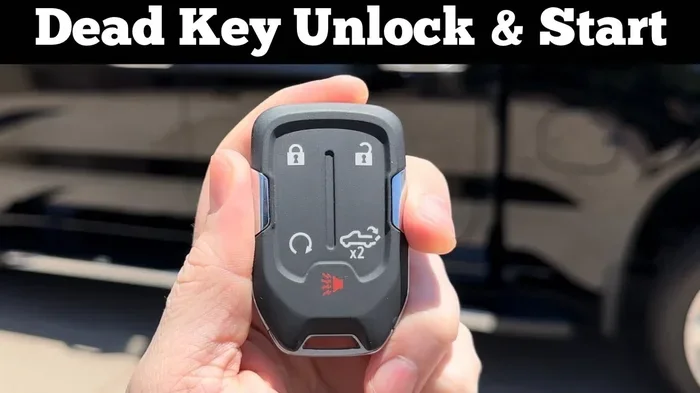
Some drivers also find that starting a car without the key fob works as a temporary workaround when the battery is dead. Many modern cars have a backup method that allows you to start the vehicle by placing the key fob against a specific spot on the steering column or push-start button. Check your owner’s manual to see if your car has this feature.
Preventing Key and Battery Problems
Maintenance Tips
Regular maintenance keeps both your battery and ignition system in good shape. Have the battery tested every six months, especially before winter arrives. Most auto parts stores offer free battery testing, and it only takes a few minutes. This simple habit catches weak batteries before they leave you stranded.
Clean the battery terminals with a wire brush and a mixture of baking soda and water to prevent corrosion buildup. Keep the terminals tight and free of grime. Corrosion is one of the leading causes of electrical problems that affect key turning. A clean connection ensures power flows freely from the battery to the ignition system.
Also, avoid leaving electrical accessories on when the engine is off. Lights, the radio, and phone chargers drain the battery over time. Making a habit of checking these before you exit the car goes a long way in preventing a dead car battery. It’s a small routine that saves you from big headaches down the road.
Consider keeping a portable jump starter in your trunk. These devices are compact, affordable, and can jump-start your car without needing another vehicle. They’re especially useful in emergencies where the battery dies unexpectedly and you need to get the car started quickly.
Cold Weather Precautions
Cold weather is the biggest enemy of car batteries. Low temperatures reduce the battery’s ability to hold a charge and make it significantly harder for the engine to turn over. If you live in a cold climate, consider using a battery blanket or battery warmer. These devices keep the battery warm during freezing nights and ensure it has enough power to start the car in the morning.
Before winter hits, have a professional test your battery’s cold cranking amps (CCA) rating. A battery that works fine in summer may struggle in freezing temperatures. Investing in a new battery before the cold season arrives prevents those frustrating mornings when the key won’t turn and you’re running late for work or an important appointment.
Parking your car in a garage or covered area also helps protect the battery from extreme cold. If you don’t have a garage, consider using a battery maintainer or trickle charger if the car will sit unused for several days. These small steps can make a big difference in keeping your battery healthy and your key turning smoothly all winter long.
When to Call a Professional
There are times when DIY fixes aren’t enough, and that’s okay. If you’ve tried wiggling the steering wheel, checking the gear shift, and testing the battery, but the key still won’t turn, it’s time to call a professional. A certified mechanic can diagnose issues with the ignition switch, the key cylinder, or the electronic steering lock that may require specialized tools and expertise.
Some problems are beyond what a quick fix can solve. A damaged ignition cylinder, a broken key inside the lock, or a faulty electrical system component all need professional attention. Trying to force these repairs yourself can lead to expensive damage. A mechanic has the right tools and experience to handle these situations safely and efficiently.
If you’re locked out of your car and need immediate help, you can also call 911 to get your keys out of your car in emergency situations. They can connect you with locksmith services and roadside assistance that help with lockouts and battery issues. Don’t hesitate to seek help when the problem feels beyond your skill level or when you’re in an unsafe location.
Also, if you’ve tried jumping a car in the rain and the key still won’t turn after the jump, there may be a deeper electrical issue at play. A professional mechanic can trace the problem through the electrical system and identify whether the ignition switch, wiring, or another component needs replacement. Sometimes what looks like a simple battery problem turns out to be a more complex electrical fault that requires expert diagnosis.
Key Takeaways
- A dead car battery affects more than just starting: it can physically prevent the key from turning by disrupting the electronic steering lock and immobilizer systems
- Quick fixes like wiggling the steering wheel and checking the gear shift resolve the issue in most cases without any cost
- Regular battery maintenance including testing, cleaning terminals, and timely replacement prevents most key-turning problems
- Cold weather significantly increases the risk of battery failure and key-turning difficulties, so prepare your car before winter
- Knowing when to call a professional saves you from causing further damage and gets you back on the road faster
Conclusion
A dead car battery can absolutely cause the key not to turn, and now you know exactly why. From the steering wheel lock to the electronic immobilizer, your car’s ignition system depends on electrical power more than most drivers realize. The good news is that most of these problems have simple, affordable solutions that you can handle yourself.
The next time your key won’t turn, don’t panic. Check the battery first, try the steering wheel wiggle, and work through the steps we’ve covered. Most of the time, a dead car battery is the culprit, and a simple battery replacement gets you back on the road in no time. Regular maintenance and cold weather preparation go a long way in preventing these problems from happening in the first place.
Stay proactive, stay informed, and keep your car running smoothly all year round. A little knowledge and a few simple habits can save you from the frustration of a key that won’t turn and a car that won’t start.
Frequently Asked Questions
Can a completely dead battery prevent the key from turning at all?
Yes, a completely dead battery can prevent the key from turning because the electronic steering lock and immobilizer systems need electrical power to release. Without that power, the lock stays engaged and the key feels stuck in the ignition cylinder.
How do I know if my key won’t turn because of the battery or a broken ignition?
Try wiggling the steering wheel while turning the key. If the steering wheel is locked tight and the key won’t move, it’s likely the battery. If the steering wheel moves freely but the key still won’t turn, the ignition cylinder itself may be damaged and needs professional inspection.
Will jumping my car fix a key that won’t turn?
In most cases, yes. Jump starting the car restores electrical power, which releases the electronic steering lock and allows the key to turn. If the key still won’t turn after a successful jump, there may be a secondary issue with the ignition switch or the steering lock mechanism.
How often should I replace my car battery to prevent key-turning issues?
Most car batteries last between three and five years. Have your battery tested every six months, and replace it as soon as the voltage drops below 12.4 volts. Staying ahead of battery failure prevents the frustrating experience of a key that won’t turn.
Can cold weather cause a key to stop turning even with a good battery?
Yes, cold weather can thicken the engine oil and reduce the battery’s output, making the steering wheel lock harder to release. Even with a decent battery, extreme cold can cause the key to feel stiff or stuck. Using a battery blanket and parking in a garage helps prevent this.
Is it safe to force the key if it won’t turn?
No, forcing the key can break it inside the ignition cylinder, which creates a much more serious and expensive problem. Always try the gentle fixes first, like wiggling the steering wheel and checking the gear shift. If those don’t work, seek professional help rather than applying excessive force.