Can a Car Run Without a Battery or Is It Really Possible
Can a car run without a battery? The short answer is yes, under specific conditions. A car battery provides the initial electrical jolt to start the engine, but once running, the alternator takes over. However, driving without a battery is risky, limited, and not recommended for most vehicles.
Key Takeaways
- A car can technically run without a battery if the engine is already running and the alternator is functioning properly.
- The battery’s main role is to deliver the spark needed to crank the engine and power electrical components at rest.
- Push-starting and jump-starting are two common methods to start a car with a dead battery.
- Modern vehicles with complex electrical systems may not run safely without a battery due to voltage regulation needs.
- Regular battery maintenance can prevent unexpected failures and extend your battery’s lifespan significantly.
- Hybrid and electric vehicles have different battery systems that add layers of complexity to this topic.
- Replacing a worn-out battery is far cheaper and safer than attempting to drive without one.
📑 Table of Contents
Can a Car Run Without a Battery or Is It Really Possible?
You turn the key. Nothing happens. The dashboard stays dark. The engine won’t crank. And then the thought hits you: can a car run without a battery? It seems like a simple question, but the answer is more layered than most people expect.
The truth is, a car battery serves a very specific purpose. It delivers a burst of energy to start the engine. Once the engine is running, the alternator takes over and powers everything else. So technically, yes, a car can keep running without a battery. But that “technically” comes with a lot of caveats. Let us break it all down for you.
Whether you are dealing with a dead battery, a missing battery, or just plain curiosity, this guide covers everything you need to know about running a car without a battery. We will walk through how the system works, what happens when things go wrong, and what you should do next.
How Does a Car Battery Actually Work?
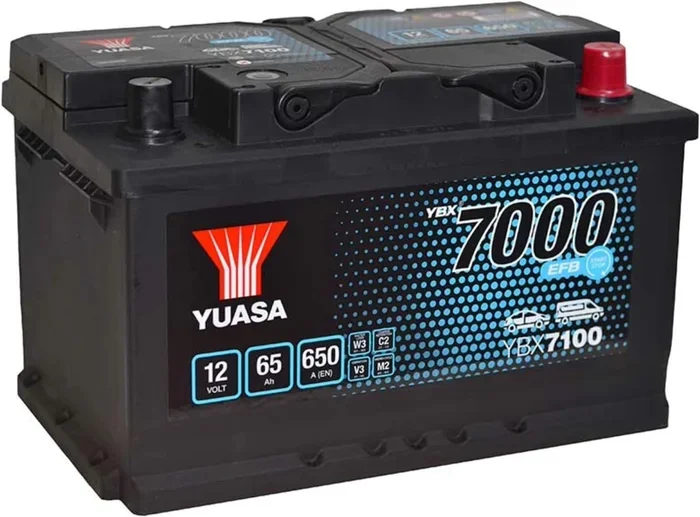
Before we answer whether a car can run without a battery, you need to understand what the battery does. Think of the battery as the heart of your car’s electrical system. It stores energy and delivers it when needed.
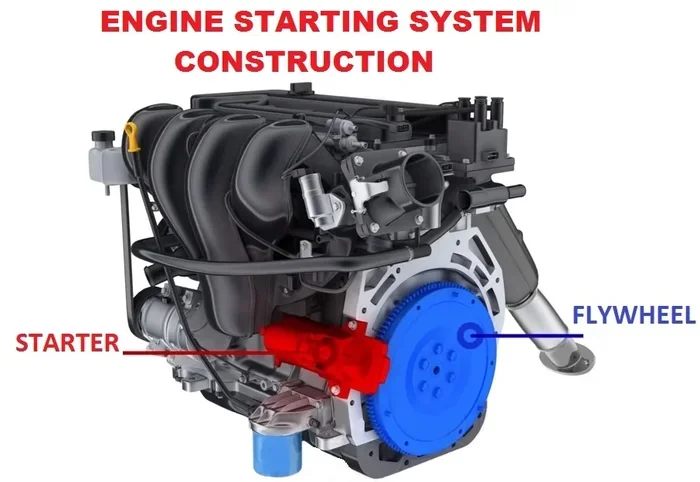
When you turn the ignition, the battery sends power to the starter motor. The starter motor cranks the engine. Once the engine fires up, the alternator kicks in. The alternator then generates electricity to keep the engine running and recharge the battery.
Here is a simple way to think about it. The battery is like a match. It lights the fire. The alternator is like the firewood. It keeps the fire burning. Without the match, you cannot start the fire. But once the fire is going, the match is no longer needed.
Most standard car batteries are 12-volt lead-acid batteries. They have six cells that each produce about 2.1 volts when fully charged. The battery also powers accessories like lights, the radio, and the fuel injection system when the engine is off.
Can a Car Actually Run Without a Battery?
Now for the big question. Can a car run without a battery? The answer depends on a few key factors. Let us look at the different scenarios.
Scenario 1: The Engine Is Already Running
If your engine is already running and the battery dies or is disconnected, the car may keep running for a while. The alternator supplies power to the engine control unit, fuel injectors, and ignition system. However, this is not a safe or reliable way to drive.
Without the battery, the electrical system has no voltage buffer. The alternator output can spike and damage sensitive electronics. Modern cars have computers, sensors, and modules that need stable voltage. A missing battery can cause these components to fail.
Scenario 2: Starting the Car Without a Battery
Starting a car without a battery is much harder. You cannot crank the engine without electrical power. But there are workarounds. For manual transmission cars, you can push-start the vehicle by getting it moving and popping the clutch. This method bypasses the need for the battery during ignition.
For automatic transmission cars, the options are more limited. You really need a working battery or a jump start to get things going.
Scenario 3: Hybrid and Electric Vehicles
Hybrid and electric cars add a whole new layer to this discussion. These vehicles have high-voltage battery packs that power the electric motor. They also have a small 12-volt battery for accessories and the computer system. Removing the 12-volt battery from a hybrid or electric car will almost certainly prevent the vehicle from starting, even if the main battery pack is fully charged.
So while a traditional gas car might limp along without a battery, a hybrid or electric vehicle will not. The systems are too interconnected.
What Happens When Your Battery Dies While Driving?
Imagine this. You are driving down the road. Everything is fine. Then your battery light flickers on. Your heart drops. What just happened? Can you keep driving?
If your battery dies while the engine is running, the alternator tries to pick the slack. For a short time, the car may keep running. But you will likely notice flickering lights. The radio may cut out. The engine might stall.
Here is what you should do if this happens:
- Turn off all accessories. Kill the AC, radio, and lights. This reduces the electrical load on the alternator.
- Pull over safely. Find a flat, safe spot to stop. Turn on your hazard lights.
- Do not turn the engine off. If the engine stops, you may not be able to restart it without a battery.
- Call for help. Roadside assistance or a friend with jumper cables can save the day.
Driving without a functioning battery is a gamble. The alternator was not designed to handle all the electrical demands alone. Over time, it can overheat and fail. And if it does, you are stranded.
Also, if you need to jump-start your car, make sure you follow proper safety steps. Jump-starting in wet conditions adds extra risks, so always check your surroundings first.
Alternative Ways to Start a Car Without a Battery
So your battery is dead and you need to get going. What are your options? Let us go through them.
Method 1: Jump Start
The most common solution. You need another vehicle and a set of jumper cables. Connect the positive cable to the dead battery first, then to the good battery. Connect the negative cable to the good battery and the other end to an unpainted metal surface on the dead car. Start the working car first, then try the dead car.
Method 2: Push Start (Manual Transmissions Only)
If you drive a manual car, you can push-start it. Get the car moving to about 5 to 10 miles per hour. Put the car in second gear. Release the clutch quickly. The engine should crank and start. This works because the momentum turns the wheels, which turn the crankshaft, which fires the engine.
Note: this method can damage the clutch and transmission if done incorrectly. Use it only in emergencies.
Method 3: Portable Jump Starter
A portable jump starter is a small battery pack you keep in your trunk. It works just like jumper cables but without another car. These devices are compact, affordable, and a lifesaver in emergencies.
Method 4: Battery Charger
If you have access to a power outlet, a battery charger can slowly restore your dead battery. This takes a few hours but is the gentlest and safest method. It also extends the life of your battery.
Method 5: Replace the Battery
Sometimes the best option is simply to replace the battery. If your battery is old or damaged, no amount of jumping or charging will help for long. A new battery costs between $50 and $200, depending on your vehicle. It is a small price for peace of mind.
For those wondering about starting a car without modern electronic keys, you can learn more about starting a car without a key fob to understand the full picture of car ignition systems.
How to Keep Your Car Battery Healthy
Prevention is always better than cure. A well-maintained battery can last 3 to 5 years. Here is how you can make yours last longer.
1. Keep the Terminals Clean
Battery terminals can corrode over time. White or blue-green buildup on the terminals can block the electrical connection. You can clean this with a mixture of baking soda and water. Use an old toothbrush to scrub the terminals gently. Rinse with water and dry with a cloth.
2. Avoid Short Trips
Short trips do not give the alternator enough time to fully recharge the battery. If you only drive five minutes at a time, your battery slowly loses charge. Try to combine errands into longer trips when possible.
3. Turn Off Accessories When the Engine Is Off
Leaving your lights or radio on with the engine off drains the battery fast. Make it a habit to check that everything is off before you turn the key off.
4. Check the Battery Voltage Regularly
A fully charged battery should read 12.6 volts or higher with the engine off. If it reads below 12.4 volts, it is time to charge or replace the battery. You can pick up a cheap voltmeter at any auto parts store.
5. Keep the Car in a Garage or Shade
Extreme heat and cold both shorten battery life. Parking in a garage or shaded area helps regulate the battery temperature. In very cold climates, consider a battery blanket or heater.
6. Drive the Car Regularly
A car that sits for weeks at a time will drain the battery. If you have a second car or a classic you rarely drive, use a battery maintainer or trickle charger to keep it topped off.
Common Mistakes People Make With Car Batteries
Even car owners who care about their vehicles make mistakes with batteries. Here are the most common ones to avoid.
- Ignoring the warning signs. A slow crank, dim headlights, or a clicking sound when you turn the key are all signs of a failing battery. Do not ignore them.
- Jump-starting the wrong way. Connecting the cables in the wrong order can damage the electrical system or even cause a spark. Always follow the correct sequence.
- Buying the wrong battery size. Not all batteries fit all cars. Check your owner’s manual for the correct group size and cold cranking amps.
- Letting the battery drain completely. Deep discharge damages the internal plates. Once a battery is fully drained, it may never hold a full charge again.
- Thinking the alternator charges the battery instantly. The alternator maintains the battery but does not recharge a deeply discharged one quickly. It takes time.
One thing that surprises many people is how much the electrical system depends on the battery for voltage stability. Without it, even the fuel injection system and engine control module can behave unpredictably. This is why driving without a battery is not just inconvenient, it is genuinely risky.
When Should You Replace Your Car Battery?
No battery lasts forever. Knowing when to replace it saves you from getting stranded. Here are the signs that your battery needs to go.
Age: Most car batteries last 3 to 5 years. If yours is older than 3 years, have it tested at every oil change. Many auto parts stores offer free battery testing.
Slow Cranking: If the engine takes longer to start than usual, the battery is weakening. This is one of the earliest warning signs.
Dashboard Warning Light: The battery or charging system light on your dashboard means something is wrong. Do not ignore it.
Swollen or Bloated Case: Extreme temperatures can cause the battery case to swell. A swollen battery is a damaged battery. Replace it immediately.
Corrosion That Won’t Go Away: If you keep cleaning the terminals and they keep coming back, the battery may be leaking. This is a clear sign of failure.
Frequent Jump Starts: If you find yourself needing jump starts more than twice a month, the battery is on its way out. Get a new one.
Replacing your battery is one of the simplest and most affordable maintenance tasks you can do. A fresh battery gives you reliable starts, stable voltage, and peace of mind. And it costs far less than replacing damaged electronics caused by an unstable electrical system.
Interestingly, some people wonder about running their car on alternative energy sources. While running a car on alcohol is a different topic entirely, it shares a common thread with battery-free operation, both dealing with alternative ways to power a vehicle. The key takeaway is that the battery remains the most reliable and safest way to start and support your car’s electrical needs.
Conclusion
So, can a car run without a battery? The answer is yes, but with serious limitations. A car that is already running can technically continue for a short time without a battery, thanks to the alternator. But starting a car without a battery is nearly impossible unless you have a push-start, jump start, or portable starter.
The battery plays a critical role in your car’s electrical system. It stabilizes voltage, powers accessories, and delivers the initial energy to crank the engine. Removing it or letting it die is not a long-term solution. It is a temporary fix at best and a dangerous gamble at worst.
Take care of your battery. Keep it clean, keep it charged, and replace it when the time comes. Your car, your wallet, and your safety will all thank you. A healthy battery means fewer surprises and more miles on the road. And that is what every driver wants.
Remember, the next time you turn the key and the engine roars to life, give a little thanks to that small, boxy battery under the hood. It does a lot more work than most people realize.
Frequently Asked Questions
Can you drive a car with a completely dead battery?
If the engine is already running, you can drive for a short distance. But the alternator is not designed to handle the full electrical load alone. Flickering lights, stalling, and damaged electronics are real risks. It is not safe or recommended for extended driving.
How long can a car run without a battery if the engine is on?
There is no set time. It depends on the alternator, the electrical load, and the condition of your car’s electronics. Some cars may run for a few miles before problems start. Others may stall almost immediately. Do not count on this working reliably.
Can you start a car with a portable jump starter instead of a battery?
Yes, a portable jump starter can provide the initial power needed to crank the engine. It acts as a temporary replacement for the car battery. Once the engine is running, the alternator takes over. But the jump starter itself is essentially a small battery.
Will a car start without a battery if it has a manual transmission?
It can, through push-starting. You need to get the car moving, put it in second gear, and release the clutch quickly. The momentum turns the crankshaft and fires the engine. This method does not work for automatic transmission cars.
How much does it cost to replace a car battery?
Most car batteries cost between $50 and $200, depending on the size and brand. Installation at a shop may add $20 to $50. Many stores offer free installation with purchase. It is one of the cheapest and most important maintenance items for any car.
Can extreme weather kill a car battery?
Yes, both extreme heat and extreme cold can shorten battery life. Heat causes the electrolyte to evaporate and damages internal plates. Cold reduces the battery’s ability to deliver power. Parking in a garage and using a battery maintainer can help protect against weather-related damage.