Can You Push a Manual Car to Start It the Easy Way
Yes, you can push a manual car to start it using a method called a bump start or push start. This technique uses the car’s momentum and manual transmission to spin the engine without a battery. In this guide, you’ll learn the step-by-step push starting procedure, safety tips, and common mistakes to avoid.
Key Takeaways
- Push starting works on manual cars: A manual transmission allows you to use wheel momentum to crank the engine without needing a battery or starter motor.
- You need a helper or a hill: Getting the car moving at roughly 5-10 mph is essential. A downhill slope or a friend pushing makes this much easier.
- Follow the correct sequence: Clutch down, turn the ignition, shift into second gear, release the clutch quickly while pressing the gas slightly.
- Safety comes first: Always use your parking brake, stay in control, and never attempt this on a busy road or steep hill without caution.
- Not all cars can be push started: Cars with automatic transmissions, fuel injection, or electronic ignition systems cannot be push started.
- Check your battery first: A completely dead battery can sometimes still prevent push starting if the ignition system needs electrical power to fire.
- Know when to call for help: If push starting fails repeatedly, your alternator, starter motor, or ignition system may need professional inspection.
📑 Table of Contents
- Can You Push a Manual Car to Start It? Here’s the Full Story
- Why Push Starting a Manual Car Works
- What You Need Before You Push a Manual Car to Start It
- Step-by-Step Guide to Push a Manual Car to Start It
- Safety Tips and Precautions
- Common Mistakes That Can Damage Your Car
- When Push Starting Won’t Work and What to Do Instead
- Expert Insights on Push Starting Manual Cars
- Quick Tips for Push Starting a Manual Car
- Conclusion
Can You Push a Manual Car to Start It? Here’s the Full Story
There’s something almost cinematic about pushing a car to start it. You see it in movies all the time. A group of friends pushes a car down a hill, someone hops in, turns the key, and the engine roars to life. But can you actually push a manual car to start it in real life? The short answer is yes. It works. And it’s a skill every manual car owner should know.
Pushing a manual car to start it is called a bump start or a push start. It uses the car’s momentum and the manual transmission to spin the engine. You don’t need a jump box. You don’t need another car. You just need a little help getting the car rolling. Let’s break down exactly how this works and how you can do it safely.
Why Push Starting a Manual Car Works
To understand the push start method, you need to know a little bit about how your car’s engine starts normally. When you turn the key or press the start button, your starter motor spins the engine. The starter motor is powered by your car battery. If your battery is dead, the starter motor can’t spin the engine. That’s when you’re stuck.
But here’s the good news. A manual transmission connects the wheels to the engine through gears. When the car is rolling, the wheels can spin the engine through the transmission. You just need to get the car moving fast enough to crank the engine on its own. That’s the whole idea behind push starting.
The Role of the Clutch
The clutch is the secret weapon here. When you press the clutch pedal down, you disconnect the engine from the wheels. This lets the car roll freely without stalling. When you release the clutch quickly, you reconnect the engine to the wheels. The wheels’ momentum forces the engine to spin. If you do it right, the engine catches and starts running.
This is why push starting only works with a manual transmission. Automatic cars use a torque converter instead of a clutch. That connection is always engaged. You can’t disconnect it to let the wheels spin freely. So push starting an automatic is basically impossible.
Engine Compression Does the Work
Your engine relies on compression to run. Each cylinder pulls in air and fuel, then compresses it before igniting the mixture. When you push start the car, the wheels force the engine through this compression cycle. The engine starts firing on its own. Once it’s running, your alternator takes over and starts recharging the battery.
What You Need Before You Push a Manual Car to Start It
Before you try this, make sure you have everything you need. Preparation matters. Rushing into it without a plan can cause damage or put you at risk.
People Power
The easiest way to get a manual car rolling is to have help. You’ll need at least one person pushing. Two or three people is even better. They can get the car up to a good speed faster. If you live on a slight downhill slope, that works too. Gravity does the pushing for you.
- Minimum: One person to push (works but slower)
- Recommended: Two to three pushers (gets speed up quickly)
- Alternative: A gentle downhill slope
Your Car’s Condition
Before you start, check a few things on your car:
- Ignition key: Make sure you have the key and it turns in the key ignition cylinder.
- Gear shifter: Confirm it moves freely into neutral gear and second gear.
- Parking brake: Keep it released but ready to pull up quickly if needed.
- Battery: Even if the battery is dead, turn the ignition key to the “on” position first. This activates the ignition system so the engine can fire.
Safety Gear
This might seem over the top, but stay safe. Wear closed-toe shoes. Make sure the area is clear of traffic. Use a parking lot or quiet street. Never attempt this on a highway or busy road.
Step-by-Step Guide to Push a Manual Car to Start It
Now let’s get into the actual push starting procedure. Follow these steps carefully. Order matters here.
Step 1: Get the Car Rolling
First, put the car in neutral gear. Press the clutch pedal all the way down. Have your helpers push the car until it reaches about 5 to 10 miles per hour. You don’t need to go fast. Just enough to create momentum. If you’re on a hill, let gravity do the work. Release the parking brake once the car is moving.
Step 2: Turn the Ignition
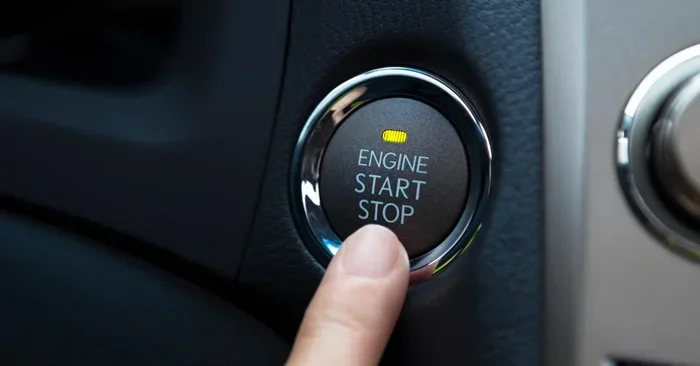
While the car is rolling, hop in the driver’s seat. Turn the key to the engine cranking position. On older cars, this means turning the key to “start.” On newer cars, press the start button. Keep the clutch pedal pressed down the entire time. The engine should attempt to fire.
Step 3: Shift Into Second Gear
This is the key step. With the car still rolling and the clutch still pressed, shift the gear shifter into second gear. Don’t use first gear. First gear has too much gear ratio. It can cause a sudden jerk that might stall the engine or hurt your transmission. Second gear is the sweet spot for rolling start situations.
Step 4: Release the Clutch Quickly
Here’s where the magic happens. Release the clutch pedal quickly but not violently. Think of it as a firm, fast release. The sudden connection between the wheels and the engine forces the engine to spin. Add a light touch of gas if needed. The engine should catch and start running.
If the engine doesn’t start on the first try, don’t panic. Pump the clutch once. Let the car keep rolling. Try again. Sometimes it takes two or three attempts.
Step 5: Get Back in Control
Once the engine starts, gently press the gas pedal to maintain speed. Pull the clutch back in slowly. Steer the car to a safe spot. Then turn off the engine and let it idle for a few minutes. Your alternator is now recharging the battery. Give it at least 15 to 20 minutes of driving before you turn it off again.
Safety Tips and Precautions
Push starting a manual car is straightforward, but it carries some risks. Here’s how to stay safe.
Never Do This on a Busy Road
Traffic is the biggest danger. You need a clear area to push the car. A parking lot, a quiet residential street, or an empty driveway works best. If you’re on the side of a road, make sure other drivers can see you. Use hazard lights.
Control the Car at All Times
You’re driving without the engine running at first. That means power steering and power brakes won’t work right away. Use extra force on the brake pedal and steering wheel. Keep the car moving in a straight line as much as possible.
Watch for Pedestrians
People can step into your path without warning. Make sure the area is clear before you start pushing. Have your helpers look out too.
Protect Your Transmission
Always use second gear for the push starting procedure. Using first gear can damage the transmission. The sudden engagement at low speed puts too much stress on the gears. Also, don’t release the clutch too slowly. A slow release can burn out the clutch plates. A quick, firm release is the way to go.
Check the Weather
Wet or icy roads make pushing a car dangerous. Your tires may slip. The car might not build enough speed. If conditions are bad, wait for better weather or call for roadside assistance.
Common Mistakes That Can Damage Your Car
Even with good intentions, people make mistakes when they try to push start a car. Here are the most common ones to avoid.
Starting in First Gear
This is the number one mistake. First gear is designed for low-speed movement with the engine running. When the car is rolling and you engage first gear, the gear ratio is too aggressive. It can shock the transmission. Always use second gear.
Releasing the Clutch Too Fast
Yes, you need a quick release. But slamming it all at once can cause wheel lock-up. The tires may skid. You could lose control. A fast but controlled release is the right approach.
Not Turning the Ignition Before Rolling
Some people forget to turn the key to the “on” position before the car starts rolling. If the ignition system isn’t active, the engine won’t fire even when you release the clutch. Always turn the key first. Then start pushing.
Trying to Push Start a Dead Battery with No Ignition Power
On some modern cars, a completely dead battery means no power to the ignition system at all. If you can’t even get the dashboard lights to turn on, push starting might not work. You may need a battery jump start instead.
Forgetting to Press the Clutch
If the clutch isn’t fully pressed when you start pushing, the engine might stall immediately. Always make sure the clutch pedal is all the way down before you begin rolling.
When Push Starting Won’t Work and What to Do Instead
Sometimes, push starting simply isn’t an option. Here are situations where can you push a manual car to start it becomes a “no,” and what you should do instead.
Automatic Transmission Cars
As mentioned earlier, automatic cars cannot be push started. The torque converter keeps a constant connection between the engine and wheels. There’s no way to disengage it. If your automatic car won’t start, you need a battery jump start or professional help.
Cars with Electronic Ignition and Fuel Injection
Many modern cars use electronic fuel injection. These systems need electrical power to pump fuel and fire the spark plugs. If your battery is completely dead, the fuel pump won’t work. The engine won’t start even if it’s spinning from a push start. Older cars with carburetors handle this much better.
Severely Damaged Starter Motor
If your starter motor is completely fried, you might hear a clicking sound or nothing at all. Push starting won’t help if there’s an electrical issue beyond just a dead battery. A mechanic needs to inspect the ignition system.
Low Engine Compression
Engine compression is what makes your engine run. If one or more cylinders have low compression, the engine might not catch even when you push start it. This is a serious mechanical problem. You’ll need professional repairs.
What to Do Instead
When push starting fails, here are your best options:
- Jump start the battery: Use jumper cables and another car. Connect the battery terminals correctly. Red to positive, black to negative.
- Use a portable jump starter: These small devices fit in your trunk. They can start your car without another vehicle nearby.
- Call roadside assistance: Most insurance policies include this service. Let the professionals handle it.
- Replace the battery: If your battery is old and keeps dying, it might be time for a new one. A typical car battery lasts three to five years.
Expert Insights on Push Starting Manual Cars
Professional mechanics have mixed feelings about push starting. It works. But they usually recommend it only as a last resort. Here’s what the experts say.
It’s a Temporary Fix
Push starting doesn’t fix the underlying problem. If your battery is dead, you still need to figure out why. A faulty alternator could be draining it. A bad cell in the battery could be the culprit. Push starting gets you on the road, but it doesn’t solve the root issue.
Older Cars Handle It Better
Cars from the 1980s and earlier often have simpler ignition systems. Carbureted engines don’t need electrical fuel pumps. They respond well to engine cranking from a push start. Newer cars with complex electronics are less reliable for this method.
It Can Stress the Drivetrain
Repeated push starting can wear on your clutch and transmission. The sudden engagement puts stress on gears and clutch plates. Do it sparingly. Don’t make it a habit.
Quick Tips for Push Starting a Manual Car
- Keep the car in neutral while being pushed. This protects the transmission and makes rolling easier.
- Always turn the ignition to “on” before you start pushing. The dashboard lights should come on.
- Use second gear, never first. This prevents transmission damage and makes the engine catch more smoothly.
- Have at least two people pushing. One person usually can’t get the car up to speed fast enough.
- Stay calm if it doesn’t work the first time. Try again. Sometimes the engine needs a couple of attempts.
- Let the car idle after it starts. Give the alternator time to recharge the battery before you shut it off.
- Know your car. Some vehicles respond better to push starting than others. Read your owner’s manual if you’re unsure.
Conclusion
So, can you push a manual car to start it? Absolutely. It’s a proven method that works when your battery dies or your starter motor fails. The process is simple: get the car rolling, turn the ignition, shift to second gear, and release the clutch. That’s it.
But remember, push starting is a temporary solution. It gets you moving, but it doesn’t fix the real problem. Have your battery and ignition system checked as soon as you can. Carry a portable jump starter in your trunk for emergencies. And always practice this technique when things are working fine, not in a moment of panic.
Knowing how to push a manual car to start it gives you confidence. It’s a useful life skill. Just stay safe, follow the steps, and don’t rush the process. You’ve got this.
Frequently Asked Questions
Can you push a manual car to start it with a completely dead battery?
It depends. If your battery is dead but the ignition system still gets some power, push starting can work. However, if the battery is completely dead and cuts power to all electronics, the engine may not fire. Try turning the key to the “on” position first. If the dashboard lights don’t come on, push starting likely won’t work.
Is push starting a manual car bad for the transmission?
Not if you do it correctly. Always use second gear and release the clutch quickly but smoothly. Using first gear or releasing the clutch too slowly can damage the transmission or clutch. Done right, occasional push starting won’t cause harm.
Can you push start a manual car on a flat road?
Yes, but you need enough people to push the car up to 5-10 mph. A flat surface takes more effort than a downhill slope. Two to three pushers are recommended. The key is building enough momentum before shifting into second gear.
Why won’t my manual car start even after push starting?
Several issues could cause this. Your starter motor might be failing. The engine could have low compression. The fuel pump might not be working if your car has fuel injection. A mechanic should inspect the engine cranking system if push starting fails repeatedly.
Do you need to press the gas pedal while push starting?
A light touch of gas can help, but it’s not always necessary. The momentum from the rolling car is usually enough to spin the engine. Adding too much gas before the engine catches can cause the car to lurch forward. Keep it light and let the wheels do the work.
What’s the difference between push starting and jump starting?
Push starting uses the car’s momentum and manual transmission to spin the engine without electrical power. Jump starting uses another car’s battery or a portable jump starter to power the starter motor. Push starting only works with manual transmissions. Jump starting works with any vehicle.


