Can a Car Run Without a Battery Heres What You Need to Know
Yes, a car can technically run without a battery under specific conditions, but it is risky and not recommended. Your vehicles electrical system depends on the battery to stabilize voltage and power essential components. Without it, your engine may stall, sensors may fail, and damage to the alternator is possible. Understanding how car batteries work helps you avoid getting stranded.
Have you ever turned your key or pressed the start button and heard nothing but silence? That sinking feeling hits fast. You wonder, can a car run without a battery? The short answer is yes, but the full story is more complicated than you might think.
Your cars battery plays a much bigger role than most people realize. It is not just about starting the engine. The battery stabilizes voltage, powers your lights, keeps your computer systems alive, and protects sensitive electronics from power surges. When a battery dies, the ripple effects can be surprising.
In this article, we will walk through everything you need to know about running a car without a battery. We will cover how the electrical system works, what happens when the battery fails, and what you can do about it. Whether you are dealing with a dead battery right now or just want to understand your vehicle better, this guide has you covered.
The goal here is simple. Give you clear, honest, and practical information. No fluff. No jargon. Just real answers you can use right away.
Key Takeaways
- A car can run briefly without a battery: but only if the alternator can sustain the entire electrical system on its own.
- The alternator cannot replace a battery: it needs the battery to stabilize voltage and handle power surges.
- Modern cars with fuel injection will likely not start without a battery: the ECU and sensors need consistent power.
- Push-starting or jump-starting works temporarily: but you should address the root cause of a dead battery.
- Parasitic drain is a common killer: leaving lights or accessories on drains your battery over time.
- Regular maintenance extends battery life: clean terminals, check voltage, and replace every 3 to 5 years.
📑 Table of Contents
- Can a Car Run Without a Battery
- The Role of the Alternator and Battery Together
- How to Start a Car With a Dead Battery
- Signs Your Car Battery Is About to Die
- Preventing Battery Failure
- Can You Drive Without a Battery Once the Car Is Running
- Common Mistakes People Make With Dead Batteries
- When to Replace Your Battery
- Final Thoughts
Can a Car Run Without a Battery
The idea of a car running without a battery sounds impossible to most drivers. After all, you need that spark to get going, right? Well, it depends on what kind of car you have and what you mean by “run.”
Older vehicles with simple carbureted engines can sometimes keep running without a battery once they are started. The alternator supplies the electricity needed to keep the engine firing. But the moment you turn off the key, you are done. No restart. No accessories. Nothing.
Modern cars are a completely different story. Today’s vehicles rely on a constant power supply. The engine control unit, fuel injectors, sensors, and ignition system all need stable electricity. Remove the battery, and these systems simply cannot function properly.
What Happens the Moment You Remove the Battery
If you somehow removed a battery from a running car, several things would happen almost immediately:
- Voltage spikes would occur: the alternator produces raw AC power that needs the battery to smooth it out. Without that buffer, your electrical components take a beating.
- The engine would likely stall: modern fuel injection systems need consistent voltage to meter fuel precisely.
- Your dashboard lights and gauges would flicker or die: these systems depend on stable power from the battery.
- The alternator could overheat and fail: it was never designed to handle the full electrical load alone.
So while a car might sputter along for a few seconds without a battery, it is not a sustainable or safe situation. The electrical system needs that battery as a buffer and stabilizer.
The Role of the Alternator and Battery Together
People often think the alternator does all the work. It charges the battery and powers the electrical system while the engine runs. That is true. But the battery is not just a passenger in this relationship. It is an active and essential partner.
Think of it this way. The alternator is like a water pump, and the battery is like a pressure tank. The pump keeps water flowing, but the tank smooth out the pressure spikes and ensure a steady supply. Without the tank, the pump works harder, fails faster, and the whole system becomes unstable.
How the Alternator Charges the Battery
When your engine runs, the alternator converts mechanical energy into electrical energy. This electricity does two things. First, it powers all your electrical components. Second, it sends excess energy back to the battery to keep it charged.
A healthy alternator typically produces between 13.5 and 14.5 volts. This is just enough to charge the battery without overloading it. The battery then releases stored energy when you need extra power, like when you crank the engine to start it.
If your alternator is failing, the battery picks up the slack. That is why a dead alternator often leads to a dead battery. The two components are deeply connected, and one cannot truly replace the other.
Voltage Regulation and Why It Matters
Your cars voltage regulator controls how much power the alternator sends to the electrical system and the battery. Without a battery in the circuit, the voltage regulator has nothing to regulate against. The result is erratic voltage that can fry your sensitive electronics.
Modern cars have dozens of computers and sensors that operate on very precise voltage levels. A spike of just a few volts too many can damage them. The battery absorbs those spikes and keeps the voltage steady. This is one of the most important jobs the battery performs, and it is one people overlook the most.
How to Start a Car With a Dead Battery
So you are sitting in the parking lot with a dead battery. The lights are dim, the radio won’t turn on, and the engine refuses to crank. What now? Fortunately, there are a few ways to get going.
Jump-Starting Your Car
The most common solution is a jump start. You need a set of jumper cables and another vehicle with a working battery. Connect the cables in the right order, let the good battery charge yours for a few minutes, and then try starting your car.
Always follow the correct cable order: positive to positive, negative to a metal ground on the dead car, then negative to the good battery. Getting this wrong can cause sparks or damage to your electrical system.
It is worth noting that jumping a car in the rain is safe if you take basic precautions. Keep the cables away from puddles, make sure your hands are dry, and connect everything carefully. Water and electricity are a bad combination, but with a little care, you can jump-start safely even in wet conditions.
Push-Starting a Manual Transmission Car
If you drive a manual car, you have another option. Push-starting works by using the momentum of the wheels to turn the engine. Put the car in second gear, release the clutch quickly while someone pushes, and the engine should fire up.
This method works without a battery because it bypasses the starter motor entirely. However, it only works on manual transmissions and requires a flat stretch of road or a few helpful friends. It is not a long-term solution, but it can get you out of a tight spot.
Using a Portable Jump Starter
Portable jump starters are compact devices that fit in your trunk. They contain a small battery and built-in cables. You connect them directly to your battery and they provide enough power to crank the engine.
These devices are a lifesaver, especially if you park far from help. They are relatively inexpensive and work even in cold weather when your battery is weak. Every driver should consider keeping one in the car.
Signs Your Car Battery Is About to Die
Batteries rarely die without warning. There are usually telltale signs that your battery is on its last legs. Catching these signs early can save you from being stranded.
Slow Cranking When Starting
If your engine turns over slowly when you turn the key, that is a classic sign of a weak battery. The starter motor needs a burst of high energy to crank the engine. A fading battery simply cannot deliver that power quickly enough.
Pay attention to how your car starts. If it takes a second or two longer than usual, get the battery tested. Most auto parts stores will test your battery for free.
Dimming Lights and Electrical Issues
Are your headlights dimmer than usual? Is the dashboard flickering? These are signs that your battery is not holding a charge properly. The electrical system is pulling more power than the battery can supply, so everything runs dimmer.
Modern cars have so many electrical components that even a small drop in battery performance can cause noticeable issues. Power windows that move slower than usual or a radio that resets every time you start the car can point to battery trouble.
Dashboard Warning Lights
Most modern vehicles have a battery or charging system warning light on the dashboard. If this light comes on, do not ignore it. It means your charging system is not working correctly, and you may be heading toward a breakdown.
The light could indicate a failing alternator, loose cables, or a battery that needs replacement. Either way, have it checked as soon as possible.
Preventing Battery Failure
The best way to deal with a dead battery is to prevent it from happening in the first place. A little maintenance goes a long way toward keeping your car reliable.
Keep Your Battery Clean
Over time, corrosion builds up on the battery terminals. That white, crusty buildup creates resistance and prevents your battery from charging properly. A quick cleaning with a wire brush and a baking soda solution can work wonders.
Check your terminals every few months. If you notice any corrosion, clean it off right away. This simple habit can extend your battery life by months or even years.
Avoid Short Trips
Short trips do not give your alternator enough time to fully recharge the battery. If you only drive five or ten minutes at a time, the battery slowly loses charge with each trip. Over weeks and months, this adds up.
Try to take longer drives when possible. A 20 to 30 minute drive gives the alternator enough time to replenish the energy your battery used to start the engine.
Turn Off Accessories When the Engine Is Off
Leaving your headlights, interior lights, or radio on when the engine is off is one of the fastest ways to drain your battery. These accessories draw power directly from the battery, and the alternator cannot recharge it while the engine is off.
Make it a habit to check your lights before you walk away from the car. A small reminder on your phone can save you from a dead battery the next morning.
Replace Your Battery on Schedule
Most car batteries last between three and five years. After that, their capacity drops significantly. If your battery is older than four years, consider having it tested regularly and replacing it before it fails.
A new battery costs between 50 and 120 dollars for most standard vehicles. That is a small price to pay compared to the hassle of being stranded with a dead car.
Can You Drive Without a Battery Once the Car Is Running
We touched on this earlier, but it deserves a deeper look. The question of whether you can drive without a battery once the engine is running comes up often, and the answer is nuanced.
On older vehicles with minimal electronics, you might be able to drive a short distance without a battery. The alternator powers the spark plugs and fuel system, and the engine keeps running. But the moment you shut off the ignition, the car will not restart.
On modern vehicles, the situation is much worse. The engine control module, fuel pump, injectors, and various sensors all need consistent power. Without the battery, these systems will malfunction or shut down entirely. You could lose power steering or power brakes as the electrical system fails.
Some drivers experiment with bypassing the battery entirely, running the alternator directly to the electrical system. This is dangerous and not recommended by any mechanic or manufacturer. The risk of damaging your cars electronics far outweighs any perceived benefit.
If you are wondering about what happens when a car battery dies while driving, the answer is that the car will continue running for a short time on alternator power alone. But you will lose all your electrical systems, and the engine will stall once the alternator cannot sustain the load. Pull over safely and call for help.
Common Mistakes People Make With Dead Batteries
When faced with a dead battery, many drivers make mistakes that make the situation worse. Here are a few to avoid.
Trying to Jump-Start a Frozen Battery
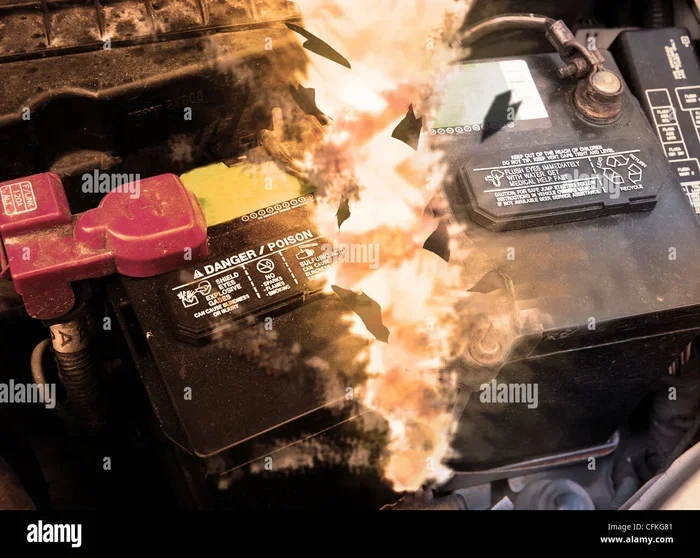
If your battery has been sitting in freezing temperatures, do not attempt to jump-start it. A frozen battery can explode from the jump-start process. Let it thaw out in a warm garage first, then test it.
Leaving the Car Running to Charge a Dead Battery
Some people think leaving the engine running for an hour will fully recharge a dead battery. This rarely works. A deeply discharged battery needs a proper slow charge, not just a few minutes of alternator output. Driving around for a short time might give you enough power to restart, but it does not fully recharge the battery.
Ignoring the Root Cause
A dead battery is a symptom, not the root cause. If your battery keeps dying, something else is wrong. It could be a parasitic drain from a faulty component, a failing alternator, or a short circuit. Replacing the battery without fixing the underlying issue just means you will be back to square one in a few weeks.
When to Replace Your Battery
Knowing when to replace your battery saves you time, money, and frustration. Here are the clear signs it is time for a new one:
- The battery is more than four years old and has not been tested recently.
- You need jump-starts more than once a month.
- The battery case is swollen or cracked.
- The terminals are heavily corroded and cleaning them does not help.
- The dashboard battery light stays on after starting the engine.
- The car starts fine in warm weather but struggles in the cold.
Replacing a battery is one of the simplest and most affordable car maintenance tasks. Most drivers can do it themselves with a basic socket wrench. If you are not comfortable, any mechanic or even an auto parts store can handle the swap for you.
Final Thoughts
So, can a car run without a battery? Technically, yes, in very limited circumstances. But practically speaking, no. Your battery is an essential part of your cars electrical system. It stabilizes voltage, protects sensitive electronics, and provides the burst of energy needed to start your engine every single time.
Taking care of your battery is one of the easiest ways to keep your car reliable. Clean the terminals, avoid short trips, replace the battery on schedule, and carry a portable jump starter for emergencies. These small steps add up to big peace of mind.
Next time you turn your key and hear that healthy cranking sound, take a moment to appreciate your unsung hero: the car battery. It works hard every day, often without recognition. Give it the attention it deserves, and it will keep you on the road for years to come.
Frequently Asked Questions
Can I still drive my car if the battery dies while I’m on the road?
If your battery dies while driving, your car may keep running for a short distance on alternator power alone. However, modern vehicles rely heavily on electrical systems, and you risk stalling unexpectedly. Pull over safely and arrange for a jump start or roadside assistance.
How long can a car run without a battery once it is already started?
On older vehicles with minimal electronics, the engine might keep running for a short time without a battery. On modern cars, the engine will likely stall within seconds because the ECU, fuel injectors, and sensors need stable voltage from the battery to operate.
What causes a car battery to die quickly?
Common causes include leaving lights or accessories on, short trips that don’t allow the alternator to fully recharge the battery, extreme temperatures, a faulty alternator, or a parasitic electrical drain from a defective component in the car.
Is it safe to jump-start a car in the rain?
Yes, it is generally safe as long as you take basic precautions. Keep the jumper cables away from standing water, ensure your hands are dry, and follow the correct connection order. The risk of lightning strike is negligible, but keeping everything dry is always a smart move.
How often should I replace my car battery?
Most car batteries last between three and five years. Have your battery tested annually after the three-year mark. If you notice slow cranking or dim lights, test it sooner. Replacing a weak battery before it fully dies prevents unexpected breakdowns.
Can a bad battery damage my cars alternator?
Yes, a failing battery can put extra strain on the alternator. When the battery cannot hold a charge, the alternator has to work harder to supply electricity to the car’s systems. Over time, this extra workload can cause the alternator to overheat and fail prematurely.