Can You Still Drive a Prius With a Dead Hybrid Battery
Yes, you can still drive a Toyota Prius with a dead hybrid battery, but only in limited limp mode. The car will run on its gasoline engine alone, but you will lose fuel economy and power. This guide covers what happens, warning signs, costs, and what to do next.
The question of whether you can still drive a Prius with a dead hybrid battery is one that many Toyota owners face every day. The short answer is yes, but with significant limitations that every driver should understand. When the hybrid battery fails, your Prius enters what is known as limp mode, where the vehicle relies solely on the gasoline engine. This means you will experience reduced power and a noticeable drop in fuel economy. Understanding what happens and what to do next can save you time, money, and a lot of stress on the road.
Owning a Toyota Prius comes with many benefits, but it also means understanding how the hybrid system works. Unlike a traditional car, a Prius uses two power sources: a gasoline engine and an electric motor powered by a high-voltage battery pack. When that battery starts to fail, it can be confusing and even scary. You might wonder if your car is completely done or if you can still get to the shop. Many drivers assume a dead hybrid battery means the car is completely useless. That is not always true. In most cases, you can still drive a Prius with a dead hybrid battery, but you need to know what to expect and how to handle the situation safely.
Whether you are dealing with a sudden battery failure or noticing early warning signs, this guide will walk you through everything you need to know. We will cover how the hybrid system works, what limp mode means, the warning signs of battery degradation, and the steps you should take when your battery dies. By the end, you will have a clear picture of your options and what to expect next.
Key Takeaways
- You can still drive: A Prius with a dead hybrid battery can run on its gasoline engine in limp mode, but performance is limited.
- Warning signs matter: Recognizing early symptoms of hybrid battery failure can prevent being stranded.
- Replacement cost varies: Battery replacement for a Prius typically ranges from $2,000 to $4,000 depending on the model year.
- Maintenance helps: Regular hybrid car maintenance can extend the life of your battery pack significantly.
- Professional diagnosis is key: Always have a certified technician test your hybrid battery before assuming it is dead.
- Driving in limp mode is temporary: You should get the battery replaced as soon as possible to avoid further damage to the drive train.
📑 Table of Contents
- What Happens When Your Prius Hybrid Battery Dies
- Can You Still Drive a Prius With a Dead Hybrid Battery?
- How the Toyota Prius Hybrid System Works
- Warning Signs Your Prius Hybrid Battery Is Failing
- What to Do When Your Hybrid Battery Dies
- How Much Does It Cost to Replace a Prius Hybrid Battery?
- Conclusion
What Happens When Your Prius Hybrid Battery Dies
When your Prius hybrid battery dies, the car does not just shut off and stop working. The Toyota hybrid system is designed with a backup mode that keeps you moving. This is called limp mode, and it allows the gasoline engine to take over completely. However, the experience is very different from normal driving. You will notice a drop in performance and a warning light on the dashboard.
Here is what typically happens when the hybrid battery fails:
- The car switches to gasoline-only power.
- The electric motor stops providing assist.
- You lose the boost that the electric motor normally gives during acceleration.
- Fuel economy drops significantly because the gasoline engine works harder.
- A warning light appears on the dashboard.
- The transmission may shift differently than usual.
The good news is that your Prius will not just stop in the middle of the road. The gasoline engine is fully capable of moving the car on its own. However, the drive train is not designed to operate this way for long periods. If you continue driving in limp mode for too long, you risk causing additional damage to other components.
Think of it like this: your Prius is a hybrid vehicle built to use both power sources together. When one fails, the other can carry you, but not the way it was designed to. It is like riding a bicycle with a flat tire. You can still pedal and move forward, but it is much harder and not sustainable for a long trip.
Many people ask if this is similar to other car problems, like when a check engine light comes on. If you have experienced that before, you might have searched for answers like Can I Still Drive With A P0171 Code. The principle is similar. A warning light does not always mean you cannot drive. But it does mean you should get it checked soon.
The Hybrid System Basics
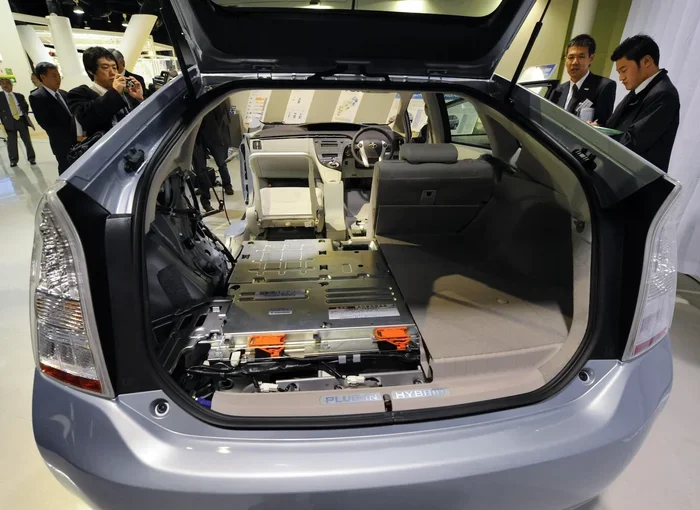
To understand why a dead hybrid battery affects your driving, you need to know how the system works. A Toyota Prius uses a hybrid system that combines a gasoline engine with an electric motor. The electric motor gets its power from a high-voltage battery pack, usually located in the back of the car. This battery pack is different from the regular 12-volt battery under the hood.
The hybrid battery pack stores energy that comes from regenerative braking and the gasoline engine. When you accelerate, the electric motor assists the gasoline engine. When you brake, the system captures energy and stores it back in the battery. This is called regenerative braking, and it is one of the key features that makes a Prius so fuel efficient.
The 12-volt battery is a separate component that powers the car’s electronics, lights, and computer systems. A dead 12-volt battery will prevent the car from starting, even if the hybrid battery is fine. These are two different systems, and understanding the difference is important when diagnosing problems.
What Limp Mode Means
Limp mode is a safety feature built into the Toyota hybrid system. When the computer detects a problem with the hybrid battery, it limits the car’s performance to protect the engine and transmission. In limp mode, the Prius will typically not go above 40 miles per hour. The acceleration will feel sluggish, and the car will run rougher than normal.
You will still be able to drive to a repair shop or a safe location. But you should not try to drive long distances or highway speeds in limp mode. The gasoline engine is working harder without the electric motor assist, which can cause overheating and other issues. If you have ever dealt with a car that overheats, you know how serious that can be. Just like Can A Car Overheat On A Hot Day, pushing your car beyond its limits can lead to bigger problems.
Can You Still Drive a Prius With a Dead Hybrid Battery?
The direct answer to this question is yes, you can still drive a Prius with a dead hybrid battery in most cases. The gasoline engine will still function and move the car forward. But the experience will be far from normal, and there are important limitations you need to be aware of.
Driving in Limp Mode
When your hybrid battery dies, the car enters limp mode automatically. In this mode, the electric motor is essentially disconnected from the drive train. The gasoline engine becomes the sole source of power. This means your Prius will feel slow, especially when climbing hills or merging onto highways.
Most Prius models in limp mode will limit your top speed to around 40 miles per hour. Some models may allow slightly higher speeds, but it is not recommended to push the car beyond its limits. The gasoline engine is not designed to handle all the work alone, and doing so can cause wear and tear over time.
Your fuel economy will also take a major hit. A Prius is known for its excellent fuel economy, often achieving 50 miles per gallon or more. In limp mode, you might see that number drop to 30 or even 25 miles per gallon. That is a big difference and something you will notice at the pump very quickly.
Limitations You Will Notice
There are several limitations you will experience when driving a Prius with a dead hybrid battery:
- Reduced acceleration: The car will feel slow and unresponsive when you press the gas pedal.
- Lower top speed: Most models cap out around 40 miles per hour in limp mode.
- Worse fuel economy: Without the electric motor assist, the gasoline engine uses more fuel.
- No electric-only driving: You will not be able to drive silently on electric power alone.
- Warning lights on the dash: The check engine light and hybrid warning light will likely be on.
- Rough idling: The engine may idle roughly without the smooth electric motor support.
These limitations make it clear that limp mode is a temporary solution. You should not rely on it for your daily commute or long trips. The goal is to get the battery replaced or repaired as soon as possible.
When You Should Not Drive At All
There are situations where you should not attempt to drive a Prius with a dead hybrid battery. If the car stalls while driving and will not restart, do not try to force it. If you notice strange noises coming from the engine bay, pull over safely and call for help. Also, if the temperature gauge shows the engine is overheating, stop driving immediately.
Sometimes the problem is not just the hybrid battery. There could be other issues that make driving unsafe. Always trust your instincts. If something feels wrong, it is better to be safe than sorry. Call a tow truck and have the car transported to a qualified mechanic.
How the Toyota Prius Hybrid System Works
Understanding how the hybrid system works helps you appreciate why a dead battery causes so many problems. The Toyota Prius is one of the most popular hybrid vehicles on the road, and for good reason. Its system is clever, efficient, and designed to maximize fuel economy while delivering a smooth driving experience.
The core of the system is the power control unit, which manages the flow of energy between the gasoline engine, the electric motor, and the hybrid battery pack. When everything is working correctly, the system seamlessly switches between power sources. You might not even notice when the electric motor takes over from the gasoline engine.
The Role of the Electric Motor
The electric motor in a Prius serves several purposes. It provides quiet, smooth acceleration assist. It also acts as a generator during regenerative braking, converting kinetic energy back into electrical energy. When the hybrid battery is dead, the electric motor cannot function. This means you lose both the assist and the regenerative capabilities.
Without the electric motor, the gasoline engine has to do all the work. This is why you notice a big difference in performance and fuel economy. The engine is not designed to operate alone for extended periods, and it will wear out faster without the support of the electric motor.
How Regenerative Braking Supports the Battery
Regenerative braking is one of the smartest features of the Prius hybrid system. When you take your foot off the gas pedal or press the brake, the electric motor reverses its role and becomes a generator. It captures the energy that would normally be lost as heat and stores it in the hybrid battery pack.
This process is what gives the Prius its impressive fuel economy. When the battery is dead, regenerative braking does not work. All that energy is wasted, and the battery does not get recharged. This creates a cycle where the battery gets weaker and the fuel economy gets worse.
The 12-Volt Battery vs the High-Voltage Battery
It is important to understand that a Prius has two separate batteries. The 12-volt battery is a standard car battery that powers the electronics, lights, and computer systems. The high-voltage battery is the hybrid battery pack that powers the electric motor. These are completely different components.
A dead 12-volt battery will prevent the car from starting, just like any other car. A dead high-voltage battery means the electric motor cannot work, but the gasoline engine can still run. If you are having starting issues, you might want to check out Can You Still Start A Car Without Key Fob for related troubleshooting tips.
Warning Signs Your Prius Hybrid Battery Is Failing
Hybrid battery degradation does not usually happen overnight. There are warning signs that appear well before the battery completely dies. Recognizing these signs early can save you from being stranded and help you plan for a battery replacement.
Dashboard Warning Lights
The first and most obvious sign is a warning light on the dashboard. Most Prius models have a dedicated hybrid warning light. When this light comes on, it means the car’s computer has detected a problem with the hybrid system. Do not ignore this light. It is your car telling you something needs attention.
Other warning lights that may appear include the check engine light and the red oil pressure light. In some cases, the battery icon on the dashboard will flash or stay solid. If you see any of these lights, have the car inspected as soon as possible.
Decreased Fuel Economy
A drop in fuel economy is often one of the earliest signs of hybrid battery problems. If your Prius used to get 50 miles per gallon and suddenly drops to 35 or lower, the hybrid battery may be failing. Without the electric motor assist, the gasoline engine has to work harder, which burns more fuel.
Keep track of your fuel economy over time. A gradual decline is normal as a car ages, but a sudden drop is a red flag. Use the trip meter and fuel log to monitor changes. This data can help your mechanic diagnose the problem faster.
Strange Noises and Power Loss
You might notice unusual sounds coming from the back of the car where the hybrid battery pack is located. Humming, clicking, or buzzing noises can indicate battery cell problems. You may also experience power loss during acceleration or when climbing hills.
Some drivers report feeling a vibration or roughness that was not there before. These are all signs that the hybrid system is struggling. The electric motor and gasoline engine are not working together as they should, which creates an uneven driving experience.
Reduced Electric-Only Driving
One of the best features of a Prius is the ability to drive on electric power alone at low speeds. If you notice that this feature has disappeared, it is a strong indicator that the hybrid battery is failing. The car may not be able to sustain electric-only mode even for short distances.
This is especially noticeable in parking lots or residential streets where you would normally glide along silently on electric power. If your car is now making engine noise in these situations, the hybrid battery is likely the culprit.
What to Do When Your Hybrid Battery Dies
Finding out your hybrid battery is dead can be stressful, but knowing what to do will help you handle the situation calmly. Here is a step-by-step guide on what to do when your Prius hybrid battery fails.
Step-by-Step Actions
Follow these steps when you suspect or confirm your hybrid battery is dead:
- Stay calm and pull over safely. If you are driving and notice warning lights or power loss, find a safe place to pull over.
- Turn the car off and wait a few minutes. Sometimes the hybrid system needs a reset. Turn the ignition off, wait 30 seconds, and try restarting.
- Check the 12-volt battery. A dead 12-volt battery can mimic hybrid battery symptoms. Make sure the 12-volt battery is charged and in good condition.
- Note the warning lights. Take a mental note or photograph of any warning lights on the dashboard. This information will help your mechanic.
- Call a trusted mechanic or Toyota dealer. Describe the symptoms and ask for advice on whether to drive the car or have it towed.
- Arrange for a tow if needed. If the car will not drive safely, call a tow truck and have it transported to a repair facility.
Can You Jump Start a Prius?
Some people wonder if they can jump start a Prius the way they would a regular car. The answer is yes, but only for the 12-volt battery. You cannot jump start the high-voltage hybrid battery. The hybrid battery pack operates at a very high voltage and is not designed to be jump started.
If your 12-volt battery is dead, you can jump start the car using another vehicle or a portable jump starter. Once the 12-volt battery is charged, the car should start normally. However, if the hybrid battery is dead, the car will still only run in limp mode even after a successful jump start of the 12-volt battery.
Be careful when jump starting any car, especially in bad weather. If you need guidance on jump starting in different conditions, check out Can You Jump A Car In The Rain for safety tips.
When to Call for Help
There are times when you should not try to drive the car at all and should call for professional help. If the car stalls and will not restart, if you see smoke or smell burning, or if the temperature gauge shows overheating, call a tow truck immediately. Driving a car with serious mechanical problems can be dangerous and can cause even more expensive damage.
Also, if you are not comfortable driving in limp mode, do not do it. It is perfectly acceptable to have the car towed to a repair shop. The cost of a tow is much less than the cost of repairing additional damage caused by driving a car that should not be on the road.
How Much Does It Cost to Replace a Prius Hybrid Battery?
The cost of replacing a Prius hybrid battery is one of the biggest concerns for owners. The good news is that prices have come down significantly over the years. There are also options beyond a brand-new battery that can save you money.
Average Replacement Costs
The average cost for a Prius hybrid battery replacement ranges from $2,000 to $4,000. This includes the cost of the battery itself and the labor for installation. The exact price depends on your model year, trim level, and where you go for the replacement.
Older Prius models from the early 2000s may have lower replacement costs because the batteries are simpler. Newer models with more advanced hybrid systems may cost more. Always get quotes from multiple sources before committing to a replacement.
Factors That Affect the Price
Several factors influence the final cost of a hybrid battery replacement:
- Model year and trim: Newer models with larger battery packs cost more to replace.
- New vs refurbished: A refurbished battery can cost 30 to 50 percent less than a new one.
- Labor rates: Dealerships typically charge more than independent mechanics for the same work.
- Warranty coverage: Some batteries may still be under warranty, which can reduce or eliminate the cost.
- Location: Prices vary by region and the availability of qualified technicians.
Refurbished vs New Battery Options
A refurbished or remanufactured hybrid battery is a great option for budget-conscious owners. These batteries have been tested, repaired, and restored to working condition. They often come with a warranty of one to two years, which gives you peace of mind.
Some shops specialize in rebuilding hybrid battery packs by replacing only the failed cells rather than the entire pack. This can significantly reduce the cost. A cell-level rebuild might cost $800 to $1,500, compared to $2,000 to $4,000 for a full replacement.
Before choosing an option, get a professional diagnosis. Sometimes the problem is not the entire battery pack but just one or two bad cells. A skilled technician can identify exactly what needs to be replaced and recommend the most cost-effective solution.
Conclusion
So, can you still drive a Prius with a dead hybrid battery? The answer is yes, but with important caveats. Your Prius will enter limp mode and run on the gasoline engine alone. You will experience reduced power, worse fuel economy, and limited top speed. This is a temporary solution, not a long-term fix.
The key is to act quickly once you notice warning signs. Ignoring hybrid battery problems will only lead to more damage and higher repair costs. Have the battery tested by a qualified technician, explore your replacement options, and make a plan that fits your budget.
Regular hybrid car maintenance can help prevent battery failure and extend the life of your Toyota Prius. Keep up with oil changes, check the 12-volt battery, and pay attention to any changes in how the car drives. A well-maintained Prius hybrid battery can last well beyond 100,000 miles with proper care.
Remember, driving a Prius with a dead hybrid battery is possible, but it should be done cautiously and only as a short-term solution. Get the battery replaced or repaired promptly, and your Prius will be back to delivering the excellent fuel economy and smooth performance you expect from a Toyota hybrid vehicle.
Frequently Asked Questions
How far can you drive a Prius with a dead hybrid battery?
You can drive a Prius in limp mode with a dead hybrid battery, but the distance is limited. Most owners report being able to drive 10 to 30 miles before the car becomes too sluggish to continue safely. This should only be used to reach a repair shop or a safe location.
Will a dead hybrid battery damage my Prius?
Driving for extended periods with a dead hybrid battery can cause additional wear on the gasoline engine and transmission. The car is not designed to operate without electric motor assist for long distances. It is best to get the battery replaced as soon as possible to avoid costly secondary damage.
Can a dead hybrid battery be recharged?
In some cases, yes. If the battery has simply lost its charge due to a parasitic drain or a charging system issue, it may be recoverable. However, if the battery cells are physically damaged or degraded, recharging will not fix the problem. A professional diagnosis is necessary to determine the right course of action.
How long does a Prius hybrid battery last?
Most Prius hybrid batteries last between 100,000 and 150,000 miles. Some owners have reported batteries lasting over 200,000 miles with proper maintenance. Driving habits, climate, and regular maintenance all play a role in battery longevity.
Is it safe to drive a Prius with the hybrid warning light on?
It is generally safe to drive short distances with the hybrid warning light on, as the car will operate in limp mode. However, you should not ignore the warning. Have the car inspected by a professional as soon as possible to prevent the problem from getting worse.
Can you replace just one module in a Prius hybrid battery pack?
Yes, in many cases a technician can replace only the failed modules rather than the entire battery pack. This is often the most cost-effective solution. A professional diagnosis will reveal whether a full pack replacement or a module-level repair is needed.