Can I Add Coolant If Its Empty Everything You Should Know
Yes, you can add coolant if it is empty, but you need to know the right type, the correct procedure, and the risks involved. Driving with an empty coolant system can cause serious engine damage from overheating. This guide covers everything from choosing the right coolant to safely refilling your system and avoiding costly repairs.
You pop open the hood and notice the coolant reservoir is completely empty. Your first thought might be panic. Your second thought is probably, “Can I just pour some coolant in and call it a day?” The short answer is yes, but there is a lot more to know before you do that. Adding coolant to an empty system is not as simple as grabbing a jug and pouring. Get it wrong, and you could end up with a damaged engine or even a safety hazard on the road.
Coolant is the lifeblood of your car’s engine cooling system. It absorbs heat from the engine and carries it away through the radiator. Without it, your engine runs hot, and heat causes metal parts to warp, seize, and crack. This is why understanding how to properly add coolant matters so much. Whether you are dealing with a slow leak or your car simply ran low, this guide walks you through everything you need to know.
Let us break this down in a way that makes sense, even if you are not a mechanic. By the end, you will know exactly what to do, what to avoid, and how to keep your engine cool for the long haul.
Key Takeaways
- You can add coolant to an empty system: But only after letting the engine cool completely and checking for leaks.
- Using the wrong coolant type can cause damage: Always match the coolant specification for your vehicle.
- An empty coolant level is a warning sign: It often means you have a leak or a more serious problem to address.
- Never mix different coolant types: Mixing can create a sludgy residue that clogs your cooling system.
- Check your coolant reservoir regularly: Preventing low coolant is far easier than fixing engine damage from overheating.
- Driving with no coolant is dangerous: It can warp engine parts and lead to thousands of dollars in repairs.
- Flush and replace coolant on schedule: Fresh coolant keeps your engine running at the right temperature.
📑 Table of Contents
What Is Coolant and Why Does It Matter?
Coolant, also called antifreeze, is a liquid that flows through your engine to keep it at the right engine temperature. Most cars use a mixture of ethylene glycol and water. This mixture does two important jobs. It keeps your engine from freezing in cold weather and from overheating in hot weather.
Your cooling system includes the radiator, water pump, hoses, thermostat, and coolant reservoir. All of these parts work together to move coolant through the engine. When the coolant level drops too low or hits zero, the system cannot do its job. The result is a rapidly overheating engine.
How Coolant Protects Your Engine
Think of coolant like sweat for your car. When you exercise, sweat cools your body down. Coolant does the same thing for your engine. As it flows through hot engine blocks, it picks up heat and carries it to the radiator, where the heat dissipates into the air. Without enough coolant, that heat has nowhere to go. The temperature gauge on your dashboard starts climbing, and if you ignore it, bad things happen fast.
Here is what can go wrong when coolant is low or empty:
- Warped cylinder heads: Excessive heat can bend metal parts beyond repair.
- Cracked engine block: A cracked block means a very expensive repair or a totaled car.
- Blown head gasket: This seal between the engine block and cylinder head can fail under extreme heat.
- Damaged water pump: The pump relies on coolant to lubricate its internal parts.
- Radiator damage: Without enough flow, the radiator can develop hotspots and fail.
These are not small problems. A single visit to a mechanic for a warped head can cost well over a thousand dollars. Keeping your coolant level where it belongs is one of the easiest ways to avoid these expensive surprises.
Can You Add Coolant When the Reservoir Is Empty?
Yes, you absolutely can. But the “how” matters just as much as the “when.” Simply unscrewing the cap and pouring coolant into an empty system might seem straightforward, but there are steps you must follow to do it safely and effectively.
Step-by-Step: Adding Coolant to an Empty System
Before you do anything, make sure your engine is completely cool. Opening the radiator cap on a hot engine can cause scalding steam and boiling coolant to spray out. That is a burn risk you do not want to take. Follow these steps:
- Wait for the engine to cool: Give it at least 30 minutes after driving, or wait until the next morning.
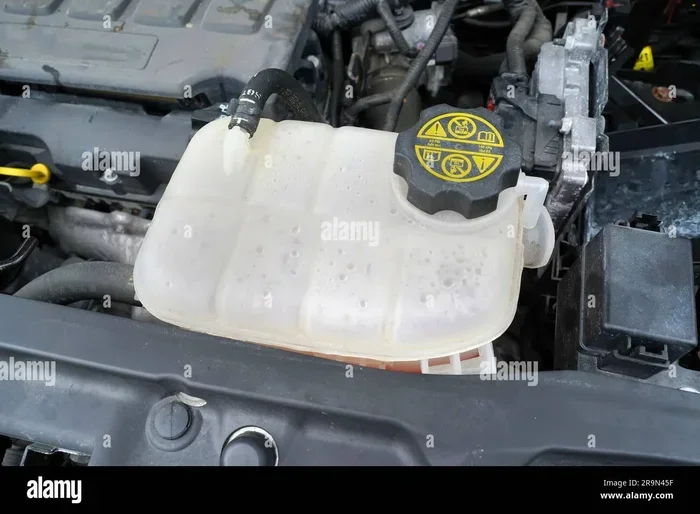
- Locate the coolant reservoir: Look for the translucent plastic tank near the radiator. It usually has “MIN” and “MAX” markings on the side.
- Check for leaks: Before adding coolant, look under the car for any puddles or drips. A completely empty system often means you have a leak that needs attention first.
- Open the reservoir cap slowly: Twist it counterclockwise and press down gently. If you hear hissing, wait for it to stop before removing the cap fully.
- Pour the coolant mixture in: Fill it up to the “MAX” line. Do not overfill.
- Replace the cap and start the engine: Let it idle for a few minutes so the coolant circulates. Watch the temperature gauge.
- Check the level again after the engine cools: Top off if needed.
Quick Tips for a Safe Coolant Top-Off
- Always use a 50/50 mix of coolant and distilled water unless your vehicle manual says otherwise.
- Keep a pair of gloves in your glovebox for handling coolant.
- Clean up any spills immediately. Coolant is toxic to pets and animals.
- If the reservoir was completely empty, bleed the cooling system to remove air pockets after refilling.
One thing many people overlook is the importance of bleeding the system. Air pockets trapped in the cooling lines can cause hot spots in the engine, even after you refill the coolant. Some cars have a bleed screw on the radiator or thermostat housing. Consult your owner’s manual to find yours.
What Happens When Coolant Is Completely Empty?
Driving with an empty coolant reservoir is one of the fastest ways to destroy an engine. The engine temperature will rise rapidly, and your temperature gauge will climb into the red zone. If you keep driving, the consequences compound quickly.
Here is a timeline of what typically happens when you drive with no coolant:
- 0-5 minutes: The engine starts to heat up beyond normal levels. You may notice the heater blowing warm air instead of cool air.
- 5-10 minutes: The temperature gauge enters the red zone. The thermostat may start to fail from the extreme heat.
- 10-20 minutes: The head gasket begins to deteriorate. You might see white smoke from the exhaust or notice a sweet smell coming from the engine bay.
- 20+ minutes: Severe damage occurs. The cylinder head can warp, the engine block can crack, and internal components can seize up.
If your coolant warning light comes on, pull over safely and turn off the engine immediately. Continuing to drive even a short distance without coolant can turn a minor repair into a major one. And if you ever wonder whether you can still drive with a warning light on, the answer for coolant is almost always no.
It is worth noting that if your car has been sitting idle and the coolant level is low, the damage may not be as immediate. Still, you should address the low level before driving any significant distance.
What Type of Coolant Should You Use?
Not all coolant is the same, and using the wrong type can cause serious problems. Coolants come in different colors and formulations, and they are not all compatible with each other.
Common Coolant Types
Here are the main types you will encounter:
- Inorganic Acid Technology (IAT): The traditional green coolant. Common in older vehicles. Needs replacement every 2 years or 24,000 miles.
- Organic Acid Technology (OAT): Often orange, red, or purple. Used in many modern cars. Lasts longer, typically 5 years or 60,000 miles.
- Hybrid Organic Acid Technology (HOAT): A blend of IAT and OAT. Usually yellow or turquoise. Common in newer European and American vehicles.
Always check your owner’s manual for the correct coolant type for your vehicle. Using the wrong one can lead to mixed coolant reactions that create a thick, sludgy residue. This gunk can clog your cooling system and block the flow of coolant through the engine.
Can You Mix Different Coolants?
The short answer is no. Mixing different coolant types can cause chemical reactions that reduce the effectiveness of the coolant and create deposits. If you are unsure what type is currently in your system, it is best to flush the entire system and start fresh. A coolant flush removes old coolant, debris, and any residue from previous mixtures.
If you own a BMW, you may have noticed that BMW vehicles often require specific coolant formulations. The rules around BMW coolant can be particularly strict, and using the wrong type can void warranties or cause cooling system issues.
How to Prevent Coolant Problems Before They Start
Prevention is always better than cure when it comes to your car’s cooling system. A little routine maintenance can save you from the headache of an empty reservoir and a potentially destroyed engine.
Regular Coolant Checks
Make it a habit to check your coolant level once a month. You do not need to be a mechanic to do this. Simply look at the reservoir and make sure the level is between the “MIN” and “MAX” marks. If it is consistently low, that is a sign of a leak that needs professional attention.
Here are some easy preventive steps to follow:
- Check coolant color. Fresh coolant is bright and clear. Dark, rusty, or milky coolant needs to be replaced.
- Inspect hoses for cracks or soft spots. Coolant hoses can degrade over time and develop slow leaks.
- Watch for puddles under your car. Green, orange, or pink puddles are a telltale sign of a coolant leak.
- Replace coolant on schedule. Even if the level looks fine, old coolant loses its protective properties over time.
- Keep a jug of pre-mixed coolant in your trunk for emergencies.
When to See a Professional
Sometimes a low coolant level is not just about topping off. If you find yourself refilling the reservoir frequently, you likely have a coolant leak. Leaks can come from the radiator, water pump, heater core, or a cracked hose. A mechanic can pressure-test the system and find the source of the leak before it becomes a bigger problem.
One thing to keep in mind is that some modern cars have complex cooling systems with sensors and electronic controls. If your temperature gauge behaves strangely after refilling, it may be worth getting the cooling system inspected by a professional.
Also, if you are dealing with a car that has been sitting for a long time with an empty coolant system, do not assume a simple refill will fix everything. The seals, gaskets, and internal components may have already started to degrade from heat exposure. Have a trusted shop evaluate the engine before you drive it long distances.
It is also worth noting that fluid choices in your car extend beyond just coolant. For example, if you have ever wondered about using the wrong weight oil, like wondering whether you can use 5W30 instead of 5W20 in my Hyundai, the answer is similarly nuanced. Always match the specifications your manufacturer recommends.
Common Mistakes People Make With Coolant
Even well-meaning car owners make mistakes when it comes to coolant. Here are the most common ones and how to avoid them.
Mistake 1: Adding Water Instead of Coolant
Water works in a pinch, but it is not a long-term solution. Water does not protect against freezing or boiling as well as coolant does. It also lacks the corrosion inhibitors that protect your cooling system from rust and buildup. If you must add water temporarily, make sure to flush the system and add proper coolant as soon as possible.
Mistake 2: Overfilling the Reservoir
Coolant expands as it heats up. If you fill the reservoir to the brim when the engine is cold, the expanding fluid has nowhere to go and may leak out or cause pressure buildup in the system. Always fill to the “MAX” line, not above it.
Mistake 3: Ignoring the Color and Condition
Coolant color tells you a lot about its condition. If your coolant is brown, rusty, or has particles floating in it, it is time for a change. Fresh coolant should be bright and clear. Dark or discolored coolant has lost its protective properties and may be actively corroding your cooling system from the inside.
Mistake 4: Never Flushing the System
Coolant breaks down over time. Old coolant becomes acidic and can eat away at metal components. Most manufacturers recommend a full coolant replacement every 2 to 5 years, depending on the type of coolant and the vehicle. Check your owner’s manual for the recommended interval.
Final Thoughts
So, can you add coolant if it is empty? Absolutely. But doing it the right way is what protects your engine and your wallet. Always let the engine cool before opening the reservoir, use the correct coolant type for your vehicle, and never ignore a consistently low coolant level. These simple habits go a long way toward keeping your car running smoothly and avoiding the nightmare of engine overheating.
Remember that coolant is not just another fluid in your car. It is the primary defense against engine heat. Treat it with the respect it deserves, and your engine will reward you with years of reliable service. Keep your coolant levels in check, watch for warning signs, and do not hesitate to seek professional help when something does not look right.
Taking a few minutes each month to check your coolant reservoir is one of the easiest and most impactful things you can do as a car owner. It costs almost nothing, takes just a couple of minutes, and can save you from a repair bill that runs into the thousands. Your engine works hard for you every day. Give it the cooling protection it needs to keep going strong.
If you are curious about other car maintenance questions, you might find it helpful to learn about related topics like whether your car can overheat on a hot day or understand the specific fluid requirements for your vehicle, such as using the right coolant in a BMW. Small knowledge like this adds up to big savings and a much happier driving experience.
Frequently Asked Questions
Can I add coolant to a hot engine?
No, you should never add coolant to a hot engine. The system is under pressure, and opening the cap can cause hot coolant to spray out and cause serious burns. Always wait for the engine to cool completely before removing the reservoir cap or radiator cap.
What happens if I drive with no coolant for a few miles?
Even a short drive with no coolant can cause overheating. The engine temperature rises quickly without coolant flowing through the system. A few miles might not cause catastrophic damage, but it is still risky. If you must drive a short distance, keep an eye on the temperature gauge and pull over immediately if it starts climbing.
How often should I replace my coolant?
It depends on the type of coolant and your vehicle. Traditional green coolant typically needs replacement every 2 years or 24,000 miles. Modern extended-life coolants can last 5 years or 60,000 miles. Check your owner’s manual for the specific recommendation for your car.
Can I use plain water instead of coolant?
Water can work in an emergency, but it is not a substitute for proper coolant. Water lacks corrosion inhibitors and does not protect against freezing or boiling as effectively as coolant. If you use water temporarily, flush the system and add proper coolant as soon as possible.
Why does my coolant keep running low?
A consistently low coolant level usually indicates a leak. Leaks can occur in the radiator, hoses, water pump, heater core, or head gasket. If you find yourself refilling often, have a mechanic inspect the system for leaks before the problem worsens.
Is it safe to mix different colors of coolant?
No, mixing different coolant colors or types can cause chemical reactions that reduce effectiveness and create sludge. Always use the same type and brand of coolant, or flush the system completely before adding a different type.
=== CONCLUSION ===
Adding coolant to an empty system is something you can do yourself, but doing it correctly is what matters most. Use the right type, follow the proper steps, and never ignore the signs of a low or empty coolant reservoir. Your engine depends on a healthy cooling system to run at the right engine temperature and avoid costly damage. Stay on top of your car maintenance routine, check your levels regularly, and your car will thank you for it. A few minutes of attention today can save you from a major headache tomorrow.