What Does Each Character in a VIN Number Really Mean
A VIN number is a unique 17-character code that tells the story of your vehicle. Each character reveals specific details like the country of origin, manufacturer, model year, and assembly plant. Learning to decode a VIN number is easier than you think and gives you access to car history and vehicle specifications in seconds.
Have you ever stared at a long string of letters and numbers on your car and wondered what it all means? That string is your VIN number, and it is one of the most powerful pieces of information about your vehicle. Every car, truck, and SUV built since 1981 has a unique VIN stamped into its frame. Think of it as a vehicle’s DNA. No two vehicles on the road share the same code.
Understanding what each character in a VIN number means can unlock a treasure trove of information. You can find out where the car was made, who built it, what engine it has, and even its model year. Whether you are buying a used car, ordering parts, or just curious, decoding a VIN is a skill worth having. This guide walks you through every single character so you can read your VIN like a pro.
Key Takeaways
- First three characters: The WMI code identifies the country and manufacturer of the vehicle.
- Characters 4 through 8: The VDS section describes the vehicle’s model, body style, engine, and more.
- Ninth character: The check digit validates that the VIN is authentic and not forged.
- Tenth character: This tells you the model year of the vehicle using a simple letter or number code.
- Eleventh character: Identifies the specific assembly plant where the vehicle was built.
- Characters 12 through 17: The serial number is unique to each vehicle and acts as its fingerprint.
- A VIN decoder tool: Can instantly translate all 17 characters into useful vehicle details.
📑 Table of Contents
- What Is a VIN Number and Why Does It Matter?
- The First Three Characters: World Manufacturer Identifier
- Characters 4 Through 8: Vehicle Descriptor Section
- Character 9: The Check Digit
- Character 10: The Model Year Code
- Character 11: The Assembly Plant Code
- Characters 12 Through 17: The Vehicle Identifier Section
- How to Use a VIN Decoder to Get Full Vehicle Details
- Common Mistakes People Make When Reading a VIN
- Expert Insights: Why VIN Decoding Is Essential for Every Car Owner
- Key Takeaways
- Conclusion
What Is a VIN Number and Why Does It Matter?
A VIN number stands for Vehicle Identification Number. It is a 17-character code made up of letters and numbers. Every character in this code carries specific meaning. Together, they paint a complete picture of your vehicle’s identity. No two vehicles ever share the same VIN.
The VIN system was standardized in 1981 by the National Highway Traffic Safety Administration, or NHTSA. Before that, different manufacturers used different formats. This made tracking vehicles across borders and databases a nightmare. The standardized VIN format changed all that. Now, any VIN decoder tool can read any vehicle built after 1981 with ease.
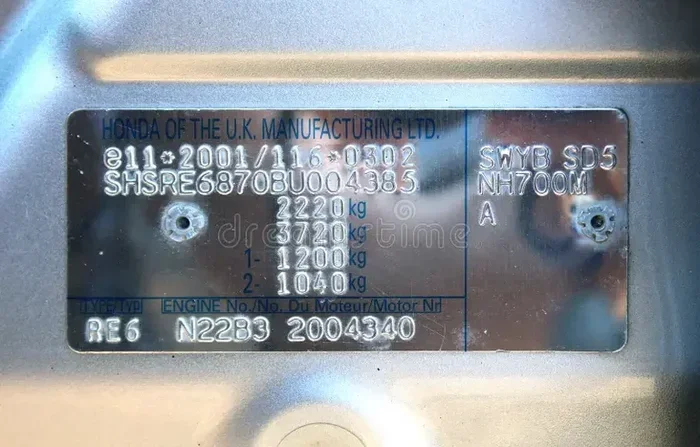
Your VIN number appears in several places on your vehicle. You will find it on the dashboard near the windshield. It is also on the driver’s side door jamb. You can find it on the vehicle title and registration too. Insurance companies, law enforcement, and car buyers all rely on the VIN to verify a vehicle’s identity. It is truly the most important identifier your car has.
The First Three Characters: World Manufacturer Identifier
The first three characters of a VIN number are called the World Manufacturer Identifier, or WMI. This section tells you who made the vehicle and where. The first character identifies the country of origin. The second character identifies the manufacturer. The third character narrows down the vehicle type or division.
What the First Character Reveals
The first character of your VIN is the country code. It tells you where the vehicle was manufactured. Here are some common examples:
- 1, 4, or 5: United States
- J: Japan
- W: Germany
- 2: Canada
- 3: Mexico
- K: South Korea
- S: United Kingdom
- Z: Italy
This is the easiest part of the VIN to read. Once you know the country codes, you can quickly figure out where a vehicle was born. This is especially helpful when you are looking at car history reports and want to confirm a vehicle’s origin.
What the Second and Third Characters Reveal
The second character identifies the manufacturer. For example, G stands for General Motors, F stands for Ford, and T stands for Toyota. The third character works with the first two to specify the vehicle type or manufacturing division. A Ford pickup truck might have a different third character than a Ford SUV, even though they share the same second character.
Together, these three characters form the WMI code. This is why the first step of any VIN lookup is checking the WMI. It instantly tells you the basics about the vehicle’s maker and origin.
Characters 4 Through 8: Vehicle Descriptor Section
The next five characters in a VIN number make up the Vehicle Descriptor Section, or VDS. This section describes the vehicle’s features in detail. It covers things like the model line, body style, engine type, and transmission. Different manufacturers use this section in slightly different ways, but the core purpose stays the same.
Breaking Down the VDS Characters
Characters 4 through 8 hold a lot of specific details. Let us look at what each position typically represents:
- Character 4: Often indicates the vehicle line or model. For example, it might distinguish between a sedan and an SUV.
- Character 5: Usually describes the body style. Think sedan, coupe, wagon, or truck cab.
- Character 6: Often refers to the engine type. Different engines get different codes.
- Character 7: May indicate the restraint system or model grade.
- Character 8: Sometimes used for the transmission type or a check digit placeholder.
The exact meaning of each position can vary by manufacturer. Some brands use the VDS to encode more details than others. However, a good VIN decoder tool will interpret these characters correctly for any make and model. This is why using a reliable VIN decoder is so valuable when researching a vehicle.
Why the VDS Matters for Parts and Service
Knowing the VDS section helps when ordering parts. If you need a specific engine component or body panel, the VIN ensures you get the right part. Mechanics and parts departments use the VDS to match components to your exact vehicle. This saves time and prevents costly mistakes. Always keep your VIN number handy when shopping for parts or scheduling service.
Character 9: The Check Digit
The ninth character in a VIN number is the check digit. This is one of the most fascinating parts of the code. It is a single number or letter that validates the entire VIN. Its job is to catch fake or incorrectly entered codes. The check digit is calculated using a complex mathematical formula.
Every character in the VIN is assigned a specific numerical value. Each position also has a weight factor. The formula multiplies each value by its weight, adds them all up, and divides by 11. The remainder becomes the check digit. If the remainder is 10, the letter X is used instead. This system makes it very hard to create a fake VIN that passes the check.
When you run a VIN lookup, the check digit is one of the first things verified. If the check digit does not match, it is a red flag. It could mean the VIN has been altered or transcribed incorrectly. Always double-check the check digit when reviewing a vehicle’s history report. It is your first line of defense against fraud.
Character 10: The Model Year Code
The tenth character tells you the model year of the vehicle. This is a simple but powerful piece of information. The code uses a repeating pattern of letters and numbers. Certain letters are skipped to avoid confusion with numbers. The letters I, O, Q, U, and Z are never used in this position.
Here is how the model year code works:
- Letters A through Y (skipping certain letters): Represent years in a 30-year cycle starting from 1980.
- Numbers 1 through 9: Represent years starting from 2001.
- Letters A through H, J, N, P, R, and beyond: Continue the cycle for years after 2009.
For example, the letter B represents 1981. The letter Y represents 2000. The number 1 represents 2001. The letter A represents 2010. The pattern then repeats. A VIN decoder will automatically translate this character for you. But knowing it yourself gives you a quick way to verify the model year at a glance.
Common Mistakes with Model Year Codes
One common mistake is confusing the model year with the production year. The model year is not always the same as the year the vehicle was actually built. A car with a 2023 model year code might have been manufactured in late 2022. Always keep this distinction in mind. The model year code tells you what the manufacturer labeled the vehicle, not necessarily when it rolled off the line.
Character 11: The Assembly Plant Code
The eleventh character identifies the assembly plant where the vehicle was built. Every manufacturer has its own set of plant codes. For example, a Ford built in Dearborn, Michigan, will have a different eleventh character than a Ford built in Mexico. This character helps trace the vehicle’s manufacturing location with precision.
Knowing the assembly plant can be useful in several ways. It helps confirm a vehicle’s origin when the country code is broad. For example, a VIN starting with 1 tells you the vehicle is American-made. The eleventh character then tells you exactly which plant built it. This level of detail is especially valuable when researching car history or verifying claims about where a vehicle was assembled.
How Plant Codes Vary by Manufacturer
Each manufacturer uses its own coding system for assembly plants. Ford uses letter codes for its plants. Toyota uses a different set. General Motors has its own system as well. A quality VIN decoder will have a database of these plant codes. This makes it easy to look up exactly where your vehicle was built. If you ever see a VIN that claims a vehicle was built at a plant that does not exist, that is a serious red flag.
Characters 12 Through 17: The Vehicle Identifier Section
The last six characters of a VIN number form the Vehicle Identifier Section, or VIS. This is the serial number portion of the code. It is unique to each individual vehicle. No two vehicles ever share the same sequence in this section. Think of it as the vehicle’s personal fingerprint.
The VIS tells you the production order of the vehicle. It shows which vehicle came off the assembly line in what sequence. While the exact meaning of each digit can vary by manufacturer, the overall purpose is simple: it uniquely identifies your specific car. When you combine the VIS with the rest of the VIN, you get a complete and unmistakable identity for the vehicle.
Why the Serial Number Matters
The serial number in the VIS section is critical for several reasons. It helps track recalls to the exact vehicle. It ensures parts are matched to the right car. It also plays a key role in car history reports. When you run a VIN lookup, the serial number ensures the report is for your specific vehicle and not a similar one. Always verify that the serial number in the report matches the VIN on the vehicle itself.
How to Use a VIN Decoder to Get Full Vehicle Details
Manually decoding every character in a VIN number takes time and practice. Fortunately, VIN decoder tools do the heavy lifting for you. These online tools instantly translate all 17 characters into a detailed vehicle report. You simply enter the VIN, and the tool returns information about the vehicle’s origin, specifications, and history.
Most VIN decoders are free to use. Some offer basic information at no cost. Others provide more detailed reports for a small fee. Either way, using a decoder is the fastest way to get accurate vehicle specifications. You can find out the engine size, transmission type, trim level, and much more in seconds.
Tips for Using VIN Decoders Effectively
- Always double-check the VIN for accuracy before entering it.
- Use reputable VIN decoder sites from trusted automotive sources.
- Compare the decoded results with the vehicle’s physical documents.
- Run a VIN lookup for car history before purchasing any used vehicle.
- Keep your VIN number recorded in a safe place for future reference.
A VIN decoder is one of the most useful tools for any car owner or buyer. It turns a mysterious string of characters into clear, actionable information. Whether you are buying, selling, or just maintaining your vehicle, a decoder saves time and reduces guesswork.
Common Mistakes People Make When Reading a VIN
Even with a guide, mistakes can happen when reading a VIN number. Here are some common errors to avoid:
- Confusing the letter O with the number 0: They look almost identical. Always check the context to avoid mix-ups.
- Confusing the letter I with the number 1: The same issue applies here. Take your time and verify each character.
- Ignoring the check digit: Skipping the ninth character validation can let a fraudulent VIN slip through.
- Assuming all manufacturers use the same VDS format: Each brand has its own system. Always use a decoder specific to the vehicle’s make.
- Not verifying the VIN on the vehicle itself: Always cross-check the VIN on the dashboard, door jamb, and title. Mismatches can signal problems.
Avoiding these mistakes ensures your VIN decoding is accurate. When in doubt, use a trusted VIN decoder tool to verify your reading. A few extra minutes of care can save you from costly errors down the road.
Expert Insights: Why VIN Decoding Is Essential for Every Car Owner
Industry experts agree that understanding your VIN number is one of the best things you can do as a vehicle owner. A VIN is not just a random code. It is a detailed record of your vehicle’s entire life. From the factory floor to the dealership lot, the VIN follows your car everywhere.
According to automotive professionals, running a VIN lookup before purchasing a used vehicle is non-negotiable. It reveals accident history, title status, service records, and more. Skipping this step can lead to buying a vehicle with hidden problems. A thorough VIN check protects your investment and gives you peace of mind.
Mechanics also rely heavily on the VIN. When a vehicle comes in for service, the VIN tells them exactly what engine, transmission, and options the vehicle has. This eliminates guesswork and ensures the right parts and procedures are used. For car enthusiasts and DIY mechanics, knowing how to read a VIN is a valuable skill that pays off every time you work on a vehicle.
Insurance companies and law enforcement use the VIN to track stolen vehicles and process claims. A unique VIN makes it nearly impossible to hide a stolen car or swap identities between vehicles. This security feature is one of the greatest benefits of the standardized VIN format.
Key Takeaways
- The first three characters (WMI) identify the country and manufacturer: This is the quickest way to learn where and who built your vehicle.
- Characters 4 through 8 (VDS) describe the vehicle’s features: Engine, body style, model line, and more are encoded here.
- The ninth character is the check digit: It validates the authenticity of the entire VIN using a mathematical formula.
- The tenth character reveals the model year: A simple letter or number code that follows a repeating pattern.
- The eleventh character identifies the assembly plant: It pinpoints exactly where the vehicle was manufactured.
- Characters 12 through 17 are the serial number: This unique sequence acts as the vehicle’s personal fingerprint.
- A VIN decoder tool makes the process effortless: It instantly translates all 17 characters into clear, useful information.
Conclusion
Your VIN number is far more than a random string of characters. It is a detailed blueprint of your vehicle’s identity. Every position in the 17-character code carries meaning. From the country of origin to the serial number, each character tells part of your vehicle’s story. Learning to decode a VIN empowers you as a car owner, buyer, and enthusiast.
Whether you use a VIN decoder tool or read the code by hand, the knowledge is invaluable. You can verify a vehicle’s history, order the right parts, and avoid costly mistakes. The VIN is your gateway to understanding what makes your vehicle unique. Take the time to learn it. You will be glad you did every time you look at that 17-character code on your car.
Next time you see your VIN number, take a moment to read it with fresh eyes. You now know what each character means. You can decode your vehicle’s identity with confidence. That is a skill that will serve you for as long as you own cars.
Frequently Asked Questions
How do I find my VIN number?
You can find your VIN number in several places. Look at the dashboard on the driver’s side, near the windshield. It is also on the driver’s side door jamb sticker. Your vehicle title and registration card will have it too. Some insurance cards also list the VIN.
Can two vehicles have the same VIN number?
No. Every vehicle has a unique VIN number. No two vehicles built since 1981 share the same 17-character code. If you see two vehicles with identical VINs, that is a serious red flag indicating fraud or a clerical error.
What does the check digit in a VIN do?
The check digit is the ninth character in a VIN. It uses a mathematical formula to validate the entire code. It catches fake or incorrectly entered VINs. If the check digit does not match the formula, the VIN may be altered or invalid.
Is a VIN decoder tool free to use?
Many VIN decoder tools offer basic decoding for free. You can enter your VIN and get instant details about the vehicle’s origin and specifications. Some sites charge a fee for full car history reports. Free tools are great for quick lookups and basic vehicle specifications.
What year did the standardized VIN format begin?
The standardized 17-character VIN format began in 1981. Before that, different manufacturers used different formats and lengths. The NHTSA standardized the system so all vehicles could be identified consistently. Any VIN from 1981 or later follows this format.
Can I decode a VIN number myself without a tool?
Yes, you can decode a VIN number yourself if you know the meaning of each character position. The first three characters show the manufacturer and country. The tenth character shows the model year. The eleventh character shows the assembly plant. However, a VIN decoder tool is faster and more accurate, especially for the VDS section where meanings vary by manufacturer.