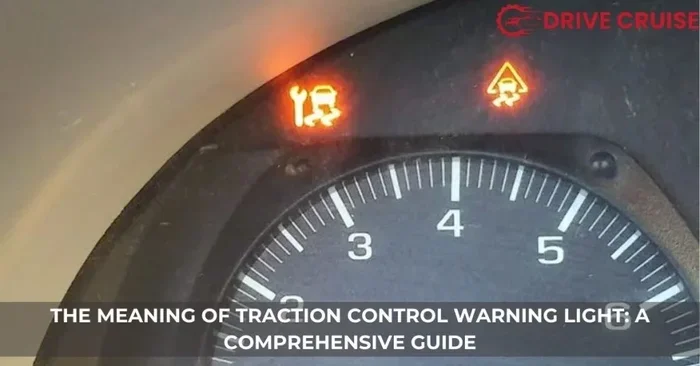
What Does It Mean When the Traction Control Light Is On
When the traction control light is on, it signals a problem with your vehicle’s traction control system or a related component like the wheel speed sensor. This warning means your car may not have full traction assistance on slippery roads, which directly affects driving safety. Common causes include a faulty wheel speed sensor, a bad traction control switch, or issues with the anti-lock braking system. In most cases, the problem is fixable with a simple reset or sensor replacement. Understanding what this light means helps you stay safe and avoid costly repairs down the road.
You are driving down the road on a rainy morning. The sky is gray, the pavement is wet, and you feel your car starting to slide. Then you glance at the dashboard and notice something you have never seen before. A yellow or red light shaped like a car with wavy lines underneath is glowing brightly. That is your traction control light, and it is trying to tell you something important.
If you have ever wondered what does it mean when the traction control light is on, you are not alone. This is one of the most common dashboard warning lights that drivers encounter. Yet many people ignore it or feel confused by what it actually means. The truth is, this light plays a big role in your vehicle’s safety system. It connects directly to your anti-lock braking system, your wheel speed sensors, and your overall vehicle stability control. Understanding this warning light can make a real difference in how safely you drive every day.
The traction control system works behind the scenes to keep your tires grip the road. It prevents your wheels from spinning uncontrollably, especially during acceleration on wet or icy surfaces. When the traction control light turns on, it means something in that system is not working as it should. This could be a minor sensor issue or a more serious problem with the electronic stability control system. Either way, it deserves your attention. In this article, we will walk through everything you need to know. We will cover the causes, what the light looks like, how to fix it, and when you should see a professional mechanic.
Key Takeaways
- Traction Control Light On: This warning indicates an issue with your traction control system or a related component that needs attention.
- Common Causes: Faulty wheel speed sensors, a bad traction control switch, or ABS system problems are the most frequent culprits.
- Driving Safety: A lit traction control light means your vehicle may not have full traction assistance, especially on slippery road conditions.
- Simple Fixes: Many causes are easy to fix, such as resetting the system or replacing an affordable sensor.
- Don’t Ignore It: Ignoring this warning light can lead to reduced vehicle stability and unsafe driving conditions.
- Professional Help: Some traction control faults require a mechanic’s diagnosis, especially if the traction control module is involved.
📑 Table of Contents
- What Is the Traction Control Light?
- Common Causes of the Traction Control Light
- What Happens When the Traction Control Light Is On?
- How to Diagnose the Problem
- How to Fix the Traction Control Light
- Prevention Tips to Keep the Traction Control Light Off
- When Should You See a Mechanic?
- Final Thoughts on the Traction Control Light
- Frequently Asked Questions
What Is the Traction Control Light?
The traction control light is a dashboard warning indicator that alerts you to a problem with your vehicle’s traction control system. Every modern car comes equipped with this system. It works closely with the anti-lock braking system and the electronic stability control system to keep your car stable. When the traction control light on your dashboard illuminates, it means the system has detected a fault and has either partially or fully disabled the traction control feature.
The light usually looks like a car icon with two wavy lines beneath it. Sometimes it may appear as a yellow or amber symbol. In some vehicles, it can glow red if the issue is more serious. The exact appearance depends on your car’s make and model. But no matter what color it is, a lit traction control light always means you should pay attention.
How the Traction Control System Works
Your traction control system relies on several components working together. The wheel speed sensors monitor how fast each wheel is spinning. The traction control module receives data from these sensors and processes it in real time. If one wheel starts spinning faster than the others, the system steps in. It reduces engine power or applies the brakes to that specific wheel. This helps maintain tire traction and keeps your car moving in the direction you want it to go.
When one of these components fails, the system cannot do its job properly. That is when the traction control warning light comes on. The system protects itself by shutting down until the issue is resolved. This is why you might notice your car feels different on slippery roads when this light is active.
Common Causes of the Traction Control Light
There are many reasons why the traction control light might turn on. Some causes are simple and easy to fix. Others require a bit more attention from a professional. Let us look at the most common ones so you know what to expect.
Faulty Wheel Speed Sensors
The most common reason for a traction control light is a bad wheel speed sensor. These small sensors sit near each wheel and measure how fast they are rotating. They send this information to the traction control module and the anti-lock braking system. Over time, these sensors can wear out, get dirty, or become damaged. When one fails, the system loses the data it needs to function.
Wheel speed sensor problems often trigger both the traction control light and the ABS light at the same time. This happens because both systems share the same sensor data. If you see both lights on, a faulty wheel speed sensor is very likely the cause. Replacing a wheel speed sensor is usually affordable and straightforward.
Issues with the Traction Control Switch
Many vehicles have a physical traction control switch on the dashboard or center console. This switch lets you turn the traction control system on or off manually. Sometimes the switch itself can fail or become loose. When this happens, the system may think you have turned it off even when you have not. This can cause the traction control light to stay on even when everything else is working fine.
A bad switch is an easy fix in most cases. A mechanic can check the switch with a diagnostic tool and replace it if needed. This is a quick and inexpensive repair that does not require a lot of labor time.
Low Brake Fluid or Brake System Problems
Your traction control system depends on the brake system to work properly. If your brake fluid level is low, it can trigger the traction control light. The same goes for worn brake pads or a failing brake pump. Since the traction control system uses the brakes to slow down individual wheels, any brake problem can interfere with its operation.
This is why it is smart to check your brake fluid regularly. Low brake fluid not only affects traction control but also impacts your overall braking performance. Keeping your brake system in good shape helps both your safety and your traction control system.
Traction Control Module Failure
The traction control module is the brain of the system. It processes all the data from the wheel speed sensors and decides when to intervene. In rare cases, this module can fail due to electrical issues, water damage, or general wear and tear. When the module goes bad, the entire traction control system stops working, and the light stays on.
A traction control module failure is more serious than a sensor issue. It requires professional diagnosis and often a module replacement or reprogramming. This repair can be more expensive, but it is essential for restoring your vehicle’s stability and safety features.
Electrical Wiring and Connector Problems
Sometimes the issue is not a part that has worn out. It can be a wiring problem. Corroded connectors, frayed wires, or a loose plug can interrupt the signal between the sensors and the module. This causes the traction control system to lose communication and trigger the warning light.
Electrical issues can be tricky to diagnose because the wires are often hidden behind panels and under the vehicle. A mechanic with the right diagnostic tools can trace the problem and fix it. Regular vehicle inspections can help catch wiring issues before they trigger warning lights.
Road Conditions and Temporary Light Activation
Not every traction control light means something is broken. Sometimes the light turns on temporarily due to road conditions. If you are driving on a very slippery surface, the system may activate the light briefly as it works to maintain control. Once the road conditions improve, the light should turn off on its own.
You can also trigger the light manually if you turn off the traction control system using the switch. Some drivers do this when they want the wheels to spin freely, such as when stuck in snow or mud. In these cases, the light is normal and expected. Just remember to turn the system back on when you are driving on regular roads.
What Happens When the Traction Control Light Is On?
When the traction control light is on, your vehicle’s traction assistance is compromised. This does not mean your car is undriveable. But it does mean you need to be more careful, especially on slippery road conditions. Without the traction control system actively managing wheel spin, your tires may lose grip more easily during acceleration or cornering.
Many drivers wonder if they can still drive safely with the light on. The short answer is yes, but with caution. Your regular braking system and steering will still work. The anti-lock braking system may also still function depending on the root cause. However, you lose the extra layer of stability that traction control provides. This is especially important on wet roads, icy roads, or gravel surfaces.
If both the traction control light and the ABS light are on at the same time, the situation is more serious. This usually means there is a shared component failure, most often a wheel speed sensor issue. In this case, you should get your vehicle inspected as soon as possible. Driving for a long time with both lights on increases the risk of losing vehicle control in emergency situations.
Impact on Vehicle Stability and Safety
The traction control system is closely linked to the electronic stability control system. When the traction control light is on, the stability control system may also be affected. This means your car may not correct itself as quickly if you start to skid or slide. On highways or sharp turns, this can be a real safety concern.
Think of traction control as a safety net. You may not need it every single time you drive. But when you do need it, you really need it. A working traction control system helps you maintain control during sudden acceleration, sharp turns, and unexpected road changes. Keeping this system in good working order is one of the simplest ways to improve your daily driving safety.
How to Diagnose the Problem
Figuring out why your traction control light is on starts with a proper diagnosis. There are a few steps you can take at home before visiting a mechanic. These steps can save you time and money.
Step 1: Check if the Light Is Steady or Flashing
A steady traction control light usually means a persistent problem that needs attention. A flashing light can sometimes indicate a more urgent issue. In either case, do not ignore the light. Note whether it stays on constantly or if it flickers on and off. This information helps a mechanic narrow down the cause.
Step 2: Try a Simple Reset
Sometimes the traction control light comes on due to a temporary glitch. Try turning your vehicle off and back on again. If the light goes off after a few seconds, the issue may have been minor. However, if the light comes back on, there is a real problem that needs fixing. A reset only clears the light temporarily if the underlying issue still exists.
Step 3: Use an OBD2 Scanner
An OBD2 scanner is a handy tool for any car owner. You plug it into the diagnostic port under your dashboard. The scanner reads the error codes stored in your vehicle’s computer. These codes tell you exactly which component is causing the problem. For example, a code related to a wheel speed sensor points directly to that sensor as the culprit.
You can buy an OBD2 scanner for a reasonable price, or many auto parts stores offer free diagnostic scans. This is a great first step before taking your car to a mechanic. It gives you a starting point and helps you understand what kind of repair you might be facing.
Step 4: Inspect the Sensors and Wiring
If you are comfortable getting under your car, visually inspect the wheel speed sensors and their wiring. Look for dirt buildup, damage, or loose connections. Sometimes a sensor just needs a good cleaning to start working properly again. Other times, the wiring may be frayed or corroded. Catching these issues early can prevent the traction control light from coming back.
How to Fix the Traction Control Light
The fix for a traction control light depends entirely on what is causing it. Here are the most common solutions and what you can expect from each one.
Replacing Wheel Speed Sensors
If a wheel speed sensor is the problem, replacing it is usually the solution. Most sensors cost between 50 and 100 dollars for parts. Labor costs are typically low since the sensors are easy to access. The entire repair usually takes less than an hour per sensor. After replacement, the mechanic will clear the error codes and test drive the vehicle to confirm the fix.
Replacing the Traction Control Switch
A faulty traction control switch is a simple replacement job. The switch itself is inexpensive, and the repair is quick. A mechanic removes the old switch, installs the new one, and tests the system. This is one of the easiest and most affordable fixes for a traction control light that stays on.
Topping Off Brake Fluid
If low brake fluid caused the light to come on, simply topping it off may resolve the issue. Use the correct type of brake fluid for your vehicle, which you can find in your owner’s manual. After refilling, the light should turn off. If it does not, there may be a leak somewhere in the brake system that needs further inspection.
Repairing or Replacing the Traction Control Module
A traction control module issue is more complex. The module may need to be reprogrammed, repaired, or replaced entirely. Replacement costs can range from 200 to 600 dollars depending on your vehicle. This is a repair best left to a qualified mechanic who has the right tools and software to program the new module.
Fixing Electrical Issues
Wiring and connector problems require careful diagnosis. A mechanic will trace the wiring harness, check for corrosion, and repair or replace damaged sections. Electrical fixes can vary in cost depending on the complexity of the issue. Regular maintenance and inspections help prevent these problems from developing in the first place.
Resetting the System After Repairs
Once the underlying issue is fixed, the traction control light needs to be reset. A mechanic uses a diagnostic tool to clear the error codes from the vehicle’s computer. In some cases, the light turns off immediately. In other cases, you may need to drive the vehicle for a few miles before the system recalibrates and the light goes off. If the light comes back on after a reset, the repair was not fully successful and further diagnosis is needed.
Prevention Tips to Keep the Traction Control Light Off
The best way to deal with the traction control light is to prevent it from coming on in the first place. Regular maintenance goes a long way toward keeping your traction control system healthy and your vehicle safe.
- Keep your wheel speed sensors clean: Dirt and debris can interfere with sensor readings. A quick wipe-down during routine car washes can help.
- Check brake fluid levels regularly: Low brake fluid affects multiple systems including traction control. Make it part of your monthly fluid check routine.
- Do not ignore early warning signs: If you notice your car slipping more than usual or the ABS light flickering, get it checked early. Small problems become big repairs when ignored.
- Drive carefully on rough roads: Potholes and debris can damage sensors and wiring. Slow down on rough terrain to protect your vehicle’s systems.
- Keep up with scheduled maintenance: Regular inspections and servicing help catch traction control issues before they trigger the warning light.
- Use quality replacement parts: When replacing sensors or switches, use parts that meet or exceed OEM standards. Cheap parts fail faster and can cause the light to come back on.
When Should You See a Mechanic?
There are times when a trip to the mechanic is the right move. If the traction control light stays on after a reset, you should get a professional diagnosis. If the light comes with other warning lights like the ABS light or the check engine light, do not delay. Multiple lights on at once usually indicate a shared component failure that needs immediate attention.
You should also see a mechanic if you notice changes in how your car drives. Does your vehicle feel less stable on wet roads? Do you hear unusual sounds when the traction control activates? These are signs that the system is struggling and needs professional help. Trusting your instincts and getting the car checked can prevent accidents and keep you safe on the road.
Final Thoughts on the Traction Control Light
The traction control light is one of those dashboard warnings that should never be ignored. It is your vehicle’s way of telling you that something in the traction control system needs attention. Whether the cause is a simple wheel speed sensor replacement or a more complex module issue, addressing it promptly keeps you and your passengers safe. Understanding what the traction control light on means gives you the confidence to take the right action quickly.
Most causes of this warning light are common and fixable. With regular maintenance and prompt attention to warning signs, you can keep your traction control system working properly. This means better grip on slippery road conditions, improved vehicle stability, and a safer driving experience every time you get behind the wheel. Do not wait for the light to become a bigger problem. Take action, get the diagnosis, and enjoy the peace of mind that comes with a well-functioning vehicle.
Frequently Asked Questions
Can I drive my car with the traction control light on?
Yes, you can drive with the traction control light on in most cases. Your vehicle remains fully operational, and the regular brakes and steering still work. However, you lose the extra traction assistance that the system provides. This means you should drive more carefully, especially on wet or icy roads. If both the traction control light and the ABS light are on, it is best to get your vehicle checked right away.
How much does it cost to fix the traction control light?
The cost depends entirely on what is causing the light. A wheel speed sensor replacement typically costs between 100 and 200 dollars total. A traction control switch fix is usually under 100 dollars. More complex repairs like a traction control module replacement can run from 200 to 600 dollars or more. Always get a diagnostic scan first so you know exactly what needs to be fixed and can budget accordingly.
Will the traction control light turn off by itself?
Sometimes yes, but only if the issue was temporary. For example, if the light came on due to a momentary sensor glitch or slippery road conditions, it may turn off after you reset the system or once road conditions improve. However, if there is a real fault in the system, the light will stay on until the problem is repaired. A persistent light always needs professional attention.
What is the difference between the traction control light and the ABS light?
The traction control light and the ABS light are related but different. The ABS light indicates a problem with the anti-lock braking system. The traction control light points to an issue with the traction control system. Both systems share components like wheel speed sensors, so a single problem can trigger both lights. If you see both lights on together, a shared component like a wheel speed sensor is the most likely cause.
Can low brake fluid cause the traction control light to come on?
Yes, low brake fluid can trigger the traction control light. Since the traction control system uses the brakes to manage wheel spin, it relies on having enough brake fluid to function. If the fluid level drops too low, the system detects a problem and activates the warning light. Topping off the brake fluid to the correct level often resolves the issue, but you should also check for leaks if the fluid was low.
How do I reset the traction control light after a repair?
After completing a repair, a mechanic uses an OBD2 diagnostic tool to clear the error codes from your vehicle’s computer. This resets the traction control light. In some cases, you may need to drive the vehicle for several miles to allow the system to recalibrate. If the light comes back on after a reset, it means the repair was not fully successful or there is another issue that needs to be addressed.