Does Mileage Matter on a Used Tesla You Need to Know
Mileage absolutely matters when buying a used Tesla, but it works differently than a gas car. Tesla batteries degrade slowly over time, so even high-mileage Teslas can hold a strong charge. Understanding battery health, range loss, and maintenance costs helps you make a smart purchase.
Key Takeaways
- Tesla batteries degrade slowly: Most Teslas lose only about 1-2% of battery capacity per year, making high mileage less alarming than with gas cars.
- Battery health trumps odometer numbers: A Tesla with 100,000 miles but 90% battery health may be better than one with 30,000 miles at 75% health.
- Check the battery warranty: Tesla covers its battery for 8 years or 100,000-150,000 miles depending on the model, which protects buyers.
- Low mileage Teslas can have new problems: Sitting too long can cause tire flat spots, battery drain, and degraded seals.
- Always request a battery report: Tesla’s onboard diagnostics give you a clear picture of battery health before you buy.
- Charging habits affect longevity: Frequent Supercharging and constant 100% charges accelerate battery wear over time.
📑 Table of Contents
- Does Mileage Matter on a Used Tesla?
- How Tesla Batteries Degrade Over Time
- What Mileage Ranges Mean for Used Teslas
- Is Low Mileage Always Better Than High Mileage?
- Key Things to Check Before Buying a Used Tesla
- How Mileage Compares Between Tesla Models
- Common Mistakes People Make When Buying a Used Tesla
- Final Thoughts on Mileage and Used Teslas
- Frequently Asked Questions
Does Mileage Matter on a Used Tesla?
If you are shopping for a pre-owned Tesla, you have probably wondered whether the mileage on the odometer really matters. The short answer is yes, but not in the same way it does for a gas-powered car. With a used Tesla, the odometer reading is only one piece of the puzzle. Battery health, charging habits, and overall maintenance play a much bigger role in determining how much life is left in the vehicle.
Electric vehicles like the Tesla Model 3, Model Y, Model S, and Model X have far fewer moving parts than traditional cars. There is no transmission to wear out, no oil to change, and no exhaust system to repair. This means that a used electric vehicle with high mileage can still be in excellent condition. But that does not mean you should ignore the odometer completely. Mileage gives you a clue about how much wear the battery pack has experienced, and the battery is the most expensive component in any Tesla.
In this guide, we will walk you through everything you need to know about mileage on a used Tesla. You will learn how Tesla batteries degrade, what mileage ranges to look for, and how to spot a good deal versus a potential headache. Whether you are eyeing a Tesla Model 3 with 50,000 miles or a Model S with 150,000 miles, this article has you covered.
How Tesla Batteries Degrade Over Time
Understanding Battery Degradation in Electric Vehicles
Every electric vehicle battery loses some capacity over its lifetime. This process is called battery degradation. Think of it like a phone battery. After hundreds of charge cycles, your phone does not hold a charge as long as it used to. The same thing happens with a Tesla battery, but at a much slower rate.
Tesla uses lithium-ion battery packs that are designed to last for hundreds of thousands of miles. On average, a Tesla battery loses about 1% to 2% of its range per year. So if your Tesla starts with 300 miles of range, you might have about 270 miles after five years of driving. That is still a very healthy amount of range for most drivers.
The key thing to understand is that mileage alone does not tell the full story. Two Teslas with the same odometer reading can have very different battery health depending on how they were driven and charged. A car that was mostly charged at home using a Level 2 charger will have a healthier battery than one that was frequently fast-charged at a Tesla Supercharger.
Factors That Accelerate Battery Wear
Several habits and conditions can speed up battery degradation in a Tesla:
- Frequent Supercharging: Using Superchargers every day generates more heat inside the battery, which causes faster wear over time.
- Charging to 100% regularly: Keeping the battery at full charge for long periods stresses the cells. Tesla recommends charging to 90% for daily use.
- Driving in extreme heat: High temperatures accelerate chemical reactions inside the battery, leading to faster capacity loss. If you live in a hot climate, your Tesla may experience more degradation.
- Deep discharging: Regularly draining the battery below 10% before recharging puts extra stress on the cells.
- Fast acceleration habits: Using the “Ludicrous” or “Plaid” modes frequently drains the battery faster and generates more heat.
On the flip side, gentle driving, regular home charging, and keeping the battery between 20% and 80% can significantly extend the life of your electric drivetrain. These habits matter more than the number on the odometer.
What Mileage Ranges Mean for Used Teslas
Low Mileage Teslas (Under 30,000 Miles)
A used Tesla with under 30,000 miles is usually a great find. These vehicles are relatively fresh and should have excellent battery health, often above 95% of original capacity. The electric motor and other components are barely broken in at this point.
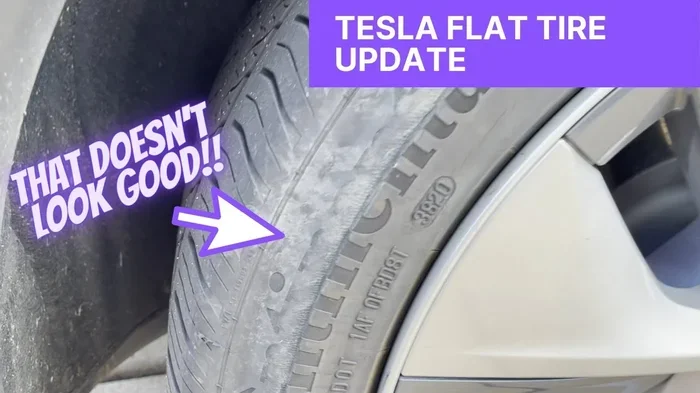
However, there is a catch. A low-mileage Tesla that has been sitting in a dealership or garage for a long time may have issues of its own. Tires can develop flat spots, the 12-volt auxiliary battery can drain, and rubber seals can dry out. Always ask how long the car sat before being sold.
Low-mileage Teslas also tend to have a higher price tag. You are paying a premium for those few extra miles on the clock. Make sure the price reflects the actual condition of the battery and the vehicle overall.
Medium Mileage Teslas (30,000 to 80,000 Miles)
This is often the sweet spot for buying a used Tesla. The car has been driven enough to break in properly, but the battery should still be in great shape. Most Teslas in this range will have battery health between 90% and 95%.
At this mileage, you can expect the Tesla battery warranty to still be active. Tesla covers its battery and drive unit for 8 years or 100,000 to 150,000 miles, depending on the model. This warranty gives you peace of mind that major battery repairs will be covered if something goes wrong.
Medium-mileage Teslas also tend to have the best resale value. They have enough miles to show they have been properly used, but not so many that the battery is significantly degraded. If you want the best balance of price and performance, this range is where to look.
High Mileage Teslas (Over 80,000 Miles)
Can you buy a used Tesla with over 80,000 miles and still be happy with it? Absolutely. Many Tesla owners drive their cars for years without major issues. A Tesla with 100,000 or even 150,000 miles can still deliver strong performance and plenty of range.
The important thing is to check the battery health report before you buy. Tesla vehicles store detailed battery information in their onboard system. You can access this data through the Tesla app or by having a Tesla service center pull a diagnostic report. Look for battery health above 85% for a high-mileage Tesla to be a worthwhile purchase.
Also, keep in mind that a high-mileage Tesla will likely be outside of its original warranty period. This means you would be responsible for any battery or drivetrain repairs. Factor the potential cost of a new battery pack into your budget. A replacement Tesla battery can cost anywhere from $5,000 to $15,000 depending on the model.
Is Low Mileage Always Better Than High Mileage?
The Case for Low Mileage
On the surface, a low-mileage used Tesla looks like the safer bet. Less wear on the battery, less stress on the tires and brakes, and more remaining warranty coverage. These are all valid points.
But low mileage is not always a guarantee of quality. A Tesla that has been driven only 10,000 miles over three years has spent a lot of time sitting idle. Batteries that sit at low charge levels for extended periods can develop capacity issues. The electric vehicle also needs to be used regularly to keep its systems properly calibrated.
Additionally, a low-mileage Tesla might mean the previous owner did not use it much. If the car was a second vehicle or a seasonal driver, it may not have been properly maintained. Regular driving helps keep the battery cells balanced and the software up to date.
The Case for Higher Mileage
A Tesla with higher mileage that has been well cared for can actually be a better buy than a low-mileage car that has been neglected. Here is why:
- Proven reliability: A car that has been driven regularly and maintained well shows that the owner took care of it.
- Better value: High-mileage Teslas sell for significantly less, giving you more car for your dollar.
- Battery already broken in: The battery has gone through its initial break-in period, and any early degradation has already occurred.
- Real-world performance data: You can see how the car performs in daily driving conditions rather than just sitting in a garage.
The bottom line is that mileage matters, but condition matters more. A well-maintained Tesla with 120,000 miles can easily outperform a neglected Tesla with 30,000 miles.
Key Things to Check Before Buying a Used Tesla
Request a Battery Health Report
This is the single most important step when buying a used Tesla. The battery health report shows the current capacity of the battery as a percentage of its original capacity. You can get this report from the Tesla mobile app, the vehicle’s touchscreen, or by visiting a Tesla service center.
Here is what the numbers generally mean:
- 90%-100%: Excellent battery health. The car has plenty of life left.
- 80%-89%: Good battery health. Some range loss, but still very usable.
- 70%-79%: Fair battery health. You will notice reduced range, especially in cold weather.
- Below 70%: Poor battery health. Consider this a red flag unless the price reflects the degraded battery.
Check the Charging History
If possible, ask the seller for the charging history. This shows how often the car was charged on a Tesla Supercharger versus charged at home. A car that was mostly Supercharged will have more battery wear than one that was charged at home overnight.
Also look at the charging pattern. Did the previous owner frequently let the battery drop very low before charging? Did they regularly charge to 100%? These habits leave clues about how well the battery has been treated.
Inspect the Tires and Brakes
Tesla tires wear out based on mileage, not age. A car with 60,000 miles will likely need new tires soon, even if the car is only a few years old. Check the tire tread depth and look for uneven wear patterns, which could indicate alignment issues.
Brake pads on Teslas last a long time thanks to regenerative braking, which recovers energy when you slow down. However, at higher mileages, the brake pads and rotors will eventually need replacement. Budget around $300 to $800 for a full brake service.
Verify the Warranty Status
Tesla’s battery and drive unit warranty is transferable to second owners. Check the warranty status using the VIN on the Tesla website or by contacting a Tesla service center. If the warranty is still active, you have extra protection against costly repairs.
Even if the battery warranty has expired, Tesla still offers paid service plans and extended warranty options. Ask the seller if they have purchased any additional coverage.
How Mileage Compares Between Tesla Models
Not all Teslas are created equal when it comes to mileage expectations. Different models have different battery sizes, drivetrains, and use cases. Here is a quick comparison of what you can expect from each model at various mileage points:
| Model | Battery Size | Expected Range (New) | Avg. Degradation at 100k Miles | Good Used Price Range |
|---|---|---|---|---|
| Model 3 | 60-82 kWh | 270-358 miles | 8-12% | $20,000-$35,000 |
| Model Y | 75-82 kWh | 279-326 miles | 8-12% | $28,000-$45,000 |
| Model S | 100 kWh | 375-405 miles | 7-10% | $40,000-$65,000 |
| Model X | 100 kWh | 340-371 miles | 8-12% | $45,000-$70,000 |
As you can see, larger battery packs like those in the Model S and Model X tend to hold their charge better over time. The extra capacity gives them more room for degradation before range becomes a concern. The Model 3 and Model Y are more affordable entry points, and their smaller batteries still last well beyond 100,000 miles with proper care.
When comparing mileage across models, always consider the battery size relative to the miles driven. A Model 3 with 80,000 miles has put more stress on its smaller battery than a Model S with the same mileage. Adjust your expectations accordingly.
Common Mistakes People Make When Buying a Used Tesla
Ignoring the 12-Volt Battery
Every Tesla has a traditional 12-volt lead-acid battery that powers the lights, computer systems, and other accessories. This small battery can fail, especially on cars that have sat idle for long periods. A dead 12-volt battery can prevent the car from starting, even if the main battery pack is fully charged.
Always ask when the 12-volt battery was last replaced. Replacement costs around $200 to $350, which is a small price to pay for peace of mind.
Skipping a Pre-Purchase Inspection
Even though Teslas have fewer mechanical parts than gas cars, they still benefit from a professional inspection. A certified Tesla technician can check the battery health, inspect the suspension, test the brakes, and run diagnostic scans. Some independent EV shops can also perform these inspections at a lower cost than a Tesla Service Center.
Do not skip this step just because the car looks good on the outside. Hidden issues with the battery or electrical system can turn a great deal into an expensive mistake.
Overlooking Software Updates
Tesla regularly pushes over-the-air software updates that improve performance, add features, and fix bugs. A used Tesla should be running the latest software version. If the car is several updates behind, it may need a refresh that could affect the driving experience.
Not Considering Charging Needs
Before you buy any electric vehicle, make sure you have a way to charge it at home. If you live in an apartment without a dedicated parking spot, owning a Tesla can be challenging. A used Tesla is not a good deal if you cannot charge it conveniently.
Installing a Level 2 home charger costs between $500 and $1,500 including installation. This gives you about 25-30 miles of range per hour of charging, making daily use effortless.
Final Thoughts on Mileage and Used Teslas
So, does mileage matter on a used Tesla? Yes, but it is not the only factor that determines whether a car is a good buy. The condition of the battery, the charging habits of the previous owner, and the overall maintenance history all matter just as much as the odometer reading.
When shopping for a used Tesla, focus on finding a car with good battery health above 85%, a clean maintenance record, and a reasonable price for its age and mileage. A Tesla with 80,000 miles and 92% battery health is a better investment than one with 25,000 miles and 78% battery health.
The electric drivetrain in a Tesla is designed to last for hundreds of thousands of miles with minimal maintenance. Unlike a gas car where high mileage means more trips to the mechanic, a Tesla’s high mileage mostly just means you have enjoyed the car. That is a good thing.
Take your time, do your research, and always get the battery report before you commit. A well-chosen used Tesla can deliver years of reliable, enjoyable driving at a fraction of the cost of a new one.
Frequently Asked Questions
What is a good mileage for a used Tesla?
A good mileage for a used Tesla depends on the model and battery health. Generally, anything between 30,000 and 80,000 miles is considered the sweet spot. At this range, the battery should still be above 90% health, and the car has been properly broken in. However, a Tesla with 100,000+ miles can still be a great buy if the battery health is above 85%.
How long does a Tesla battery last?
Tesla batteries are designed to last between 300,000 and 500,000 miles before significant degradation occurs. On average, owners can expect about 80% of the original battery capacity after 200,000 miles. Tesla’s battery warranty covers the battery for 8 years or 100,000 to 150,000 miles, depending on the model.
Is it better to buy a Tesla with low or high mileage?
It depends on the condition of the car. A low-mileage Tesla that has been driven regularly and well maintained is ideal. But a high-mileage Tesla with excellent battery health and a clean history can offer better value. Always prioritize battery health over the odometer reading.
How much does it cost to replace a Tesla battery?
A new Tesla battery pack costs between $5,000 and $15,000 depending on the model and battery size. However, most owners will never need a full replacement thanks to the long lifespan of Tesla batteries. Minor battery repairs or module replacements cost significantly less, typically between $500 and $3,000.
Can I charge a Tesla at any charging station?
Tesla vehicles can charge at most public charging stations with the right adapter. Tesla also has its own Supercharger network, which offers the fastest and most convenient charging experience. Home charging with a Level 2 charger is the most cost-effective and practical option for daily use.
Does high mileage affect a Tesla’s resale value?
Yes, high mileage does affect resale value, but less dramatically than with gas cars. A Tesla with 100,000 miles will sell for less than one with 30,000 miles, but the battery health and overall condition play a bigger role in determining the final price. Teslas with good battery health retain their value well even at higher mileages.