Are Tesla Tires Run Flats Heres What You Need to Know
No, Tesla tires are not run flats. Tesla vehicles use standard high-performance tires designed for comfort, efficiency, and handling. Understanding your Tesla tire setup helps you plan for punctures, replacements, and long-term maintenance. Here is everything you need to know about Tesla tires and run-flat technology.
Are Tesla tires run flats? This is one of the most common questions new Tesla owners ask. The short answer is no. Tesla does not use run-flat tires on any of its current models. Instead, Tesla relies on standard high-performance tires built specifically for electric vehicles. These tires focus on efficiency, comfort, and grip. But there is a lot more to know about Tesla tires than just this one fact.
If you own a Tesla or are thinking about buying one, understanding your tires matters. Tires affect everything from range and handling to safety and maintenance costs. Many drivers assume that because Teslas are high-tech vehicles, their tires must be equally advanced in every way. That is not always the case with run-flat technology. Let us break down exactly what Tesla uses, why it makes this choice, and what it means for you as an owner.
Run-flat tires have become popular in the luxury car world. Brands like BMW and Mercedes have used them for years. They allow drivers to keep going after a puncture, usually for about 50 miles at reduced speed. This eliminates the need for a spare tire and saves trunk space. Tesla considered this approach but ultimately chose a different path. The reasons behind this decision are worth exploring.
Key Takeaways
- Tesla does not use run-flat tires: Standard performance tires are used across all Tesla models for better ride comfort and efficiency.
- Run-flat tires work differently: They have reinforced sidewalls that let you drive after a puncture, but Tesla does not equip this technology.
- Tesla tire replacement can be costly: Expect to pay more than average due to specialized EV tires and labor.
- Tire pressure monitoring is essential: Tesla vehicles feature advanced TPMS that alerts you to pressure changes in real time.
- Road hazard protection plans are available: Tesla offers tire coverage through its service plans and third-party options.
- Regular maintenance extends tire life: Simple habits like rotation and proper inflation can add thousands of miles to your tires.
📑 Table of Contents
What Are Run Flat Tires?
How Run Flat Technology Works
Run-flat tires have a special design that lets them keep functioning even after losing air pressure. The sidewalls are much thicker and reinforced than standard tires. This reinforcement supports the weight of the vehicle even when there is no air inside the tire. You can typically drive on a flat run-flat for about 50 to 100 miles at speeds under 50 mph.
The main benefit is safety and convenience. You do not need to pull over immediately after a puncture. You can drive to a safe location or a service center. Many modern luxury vehicles come standard with run-flat tires. They also eliminate the need for a spare tire, which saves weight and improves fuel efficiency.
However, run-flat tires have downsides too. They tend to feel stiffer and harsher on the road. The ride quality is not as comfortable as standard tires. They also cost more to replace. And once a run-flat is punctured, it usually cannot be repaired. You must replace it entirely. This is an important consideration for any vehicle owner.
Why Tesla Chose Not To Use Run Flats
Tesla made a deliberate decision to skip run-flat tires. The company prioritized ride comfort and driving feel. Tesla owners often praise the smooth, quiet ride of their vehicles. Run-flat tires would compromise that experience. The stiffer sidewalls create more road noise and a firmer feel on uneven surfaces.
Another reason is efficiency. Tesla tires are designed for low rolling resistance. This means they create less friction with the road, which helps maximize range. Run-flat tires typically have higher rolling resistance because of their heavier construction. For an electric vehicle where every mile of range counts, this matters a lot.
Tesla also provides roadside assistance and mobile service. If you do get a flat, Tesla can often come to you and fix or replace the tire on the spot. This service reduces the need for run-flat technology. You do not need to drive on a damaged tire because help is built into the ownership experience.
What Tires Do Tesla Vehicles Use?
Tesla Model 3 Tire Setup
The Tesla Model 3 comes with different tire options depending on the trim. The standard range Model 3 uses 18-inch wheels with all-season tires. The long-range and performance versions use 19-inch wheels. Tesla partners with tire manufacturers like Michelin and Continental to create custom tires for the Model 3. These tires balance grip, comfort, and efficiency.
The Model 3 tires are not run flats. They are standard performance tires with a focus on low rolling resistance. Tesla recommends specific tire pressures for each wheel size. Keeping the correct pressure is essential for range, handling, and tire longevity.
Tesla Model Y Tire Setup
The Tesla Model Y uses a similar approach. Standard wheel sizes are 18 or 19 inches depending on the configuration. The tires are all-season performance tires designed for the heavier SUV body. Again, these are not run-flat tires. Tesla chose this setup to prioritize comfort and efficiency over the run-flat convenience.
Model Y owners should pay extra attention to tire wear. The vehicle is heavier than the Model 3, which can lead to faster tire degradation. Regular rotation and alignment checks help extend tire life significantly.
Tesla Model S and Model X Tire Options
The Model S and Model X offer larger wheel options, sometimes up to 22 inches. These bigger wheels use performance tires that are also not run flats. The larger the wheel, the thinner the tire sidewall, which can affect ride comfort. Tesla balances this by using tires with specific sidewall constructions that absorb road imperfections.
For owners who want a smoother ride, Tesla offers smaller wheel options with taller sidewalls. These tires provide more cushion and comfort without sacrificing too much performance. The key takeaway is that none of these options include run-flat technology.
Tesla Tire Replacement Costs
How Much Does It Cost To Replace Tesla Tires?
Replacing Tesla tires costs more than replacing tires on a typical gas-powered car. On average, a single Tesla tire replacement runs between $250 and $400 per tire. This includes the tire itself and installation. The exact price depends on the model, wheel size, and tire brand.
Several factors drive up the cost:
- Specialized EV tires: Tesla tires are engineered for low rolling resistance and heavy vehicle weight. These are not off-the-shelf tires you can grab at any store.
- Large wheel sizes: Bigger wheels mean bigger tires, and bigger tires cost more.
- Labor costs: Tesla service centers charge premium rates for tire installation and balancing.
- TPMS sensors: Tesla tires include built-in tire pressure monitoring sensors. Replacing these sensors adds to the cost.
If you are concerned about costs, you might want to explore whether hybrid and EV insurance plans cover tire damage or replacement. Some policies include road hazard coverage that can offset these expenses.
Does Tesla Warranty Cover Tires?
Tesla’s basic warranty does not typically cover tire wear and tear. Tires are considered consumable items, similar to brake pads or wiper blades. However, if a tire defect causes premature wear or failure, Tesla may cover it under the vehicle warranty. You should check with your local service center for specific details.
Tesla also offers an extended service plan that may include tire coverage. This plan can be a smart investment for owners who want peace of mind. Additionally, some third-party warranty providers offer tire protection as part of their coverage packages.
Tesla Tire Maintenance Tips
Keep Your Tires Properly Inflated
Tire pressure is the single most important factor in tire longevity and performance. Tesla vehicles display real-time tire pressure readings on the touchscreen. You should check your pressures at least once a month. The recommended pressure is listed on the driver’s door jamb, not on the tire sidewall.
Under-inflated tires reduce range and wear out faster on the outer edges of the tread. Over-inflated tires give a harsh ride and wear out the center of the tread. Keeping pressures at the factory recommendation is the easiest way to protect your investment.
Rotate Your Tires Regularly
Tesla recommends rotating tires every 6,000 to 8,000 miles. Rotation ensures even wear across all four tires. Front tires on Teslas tend to wear faster because they handle steering and braking. Rotating them to the back extends their overall lifespan.
You can rotate your tires yourself if you have the tools and knowledge. Otherwise, Tesla service centers or independent shops can handle the job. The cost is usually reasonable, especially compared to the cost of premature tire replacement.
Watch for Uneven Wear Patterns
Uneven tire wear is a sign of alignment or suspension issues. If you notice that one tire is wearing faster than the others, get your alignment checked. Tesla vehicles have independent suspension systems that can shift out of alignment over time, especially after hitting potholes or curbs.
Common mistakes owners make with tire care include:
- Ignoring the TPMS warning light
- Driving on under-inflated tires for extended periods
- Skipping regular rotations
- Mixing tire brands or tread patterns on the same axle
- Not checking for slow leaks after hitting road debris
Expert Insight: Maximizing Tesla Tire Life
Experienced Tesla owners and mechanics agree on a few key practices. First, avoid aggressive acceleration and hard braking when possible. These habits wear tires faster. Second, keep your tires clean and free of debris. Small stones and objects stuck in the tread can cause slow leaks over time.
Third, consider investing in tire protection plans. Some Tesla owners find that the cost of a protection plan pays for itself after just one replacement. Finally, store your vehicle properly if you are not driving it regularly. Tires can develop flat spots and degrade faster when a car sits for extended periods.
Tesla Tires vs Run Flat Tires
Side by Side Comparison
Understanding the difference between Tesla tires and run-flat tires helps you make informed decisions. Here is a detailed comparison:
| Feature | Tesla Standard Tires | Run Flat Tires |
|---|---|---|
| Run flat after puncture | No | Yes (50-100 miles) |
| Ride comfort | Smooth and quiet | Stiffer and harsher |
| Rolling resistance | Low (better range) | Higher (reduces range) |
| Replacement cost | Moderate to high | Higher than standard |
| Repairability after puncture | Usually repairable | Usually not repairable |
| Trunk space needed | Requires spare or repair kit | No spare needed |
| Common on luxury EVs | Yes (Tesla, Lucid) | Less common on EVs |
As you can see, Tesla’s choice of standard tires makes sense for the brand’s priorities. Comfort, efficiency, and repairability are all advantages of non-run-flat tires. The trade-off is that you need a plan for dealing with flats when they happen.
What To Do If You Get a Flat Tire in a Tesla
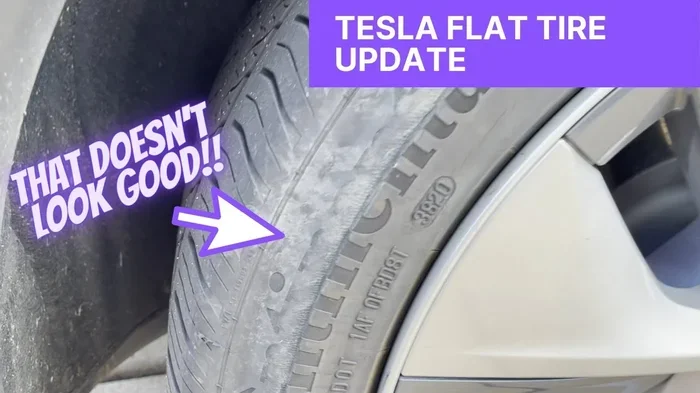
If you get a flat tire in a Tesla, do not drive far on it. Tesla tires are not designed to handle zero pressure. Driving on a flat can damage the rim and the tire beyond repair. Pull over safely and assess the situation.
Tesla offers a mobile service that can come to your location. In many areas, a technician can repair or replace the tire on the spot. If you have a tire repair kit in the trunk, you can use it for small punctures. However, Tesla does not include a full-size spare tire in most models. Some vehicles come with a compact temporary spare or a sealant kit instead.
For owners worried about being stranded, a portable air compressor and tire sealant are great additions. These small tools can get you back on the road and to a service center safely. You can also consider roadside assistance memberships for extra peace of mind.
Are Tesla Tires Easy To Steal?
Tire theft is a growing problem in many areas. Teslas are prime targets because of their high-value wheels and tires. The large alloy wheels on Performance and Long Range trims are especially attractive to thieves. Tesla does not include locking lug nuts as standard equipment on all models, which makes tires easier to remove.
You can protect your Tesla tires by investing in locking lug nuts or a parking garage with security. Some owners also use tire theft deterrents like wheel locks. If you park on the street regularly, consider using a steering wheel lock as an additional layer of security. Steering wheel locks are easy to use and add a visible deterrent that most thieves will avoid.
Tesla also offers a Sentry Mode feature that monitors your vehicle when parked. If someone approaches your car or tries to tamper with the tires, Sentry Mode will record the activity and send you an alert. This feature is a powerful tool for protecting your investment.
Common Mistakes Tesla Owners Make With Tires
Even the best Tesla owners make tire mistakes sometimes. Here are the most common ones to avoid:
Neglecting tire pressure checks. It is easy to ignore the TPMS light, especially if the pressure loss is slow. But even a small drop in pressure affects range and handling. Make it a habit to check pressures monthly.
Driving on damaged tires. Some owners continue driving on a slightly punctured or damaged tire because they do not want the hassle of a repair. This is a mistake. Driving on a damaged tire can cause a blowout, which is dangerous and expensive.
Using the wrong tire size. Aftermarket wheels are popular among Tesla owners. But installing the wrong tire size can trigger errors, affect range, and compromise safety. Always verify the correct tire size for your specific model and trim.
Skipping alignments. If you notice your Tesla pulling to one side or the tires wearing unevenly, get an alignment. Ignoring alignment issues leads to premature tire wear and reduces the life of your investment.
Final Thoughts
So, are Tesla tires run flats? The answer is clearly no. Tesla uses standard high-performance tires designed for comfort, efficiency, and driving pleasure. This choice reflects the company’s philosophy of prioritizing the everyday driving experience over the convenience of run-flat technology.
Understanding what your Tesla tires are and are not helps you take better care of them. Regular maintenance, proper inflation, and timely replacements keep your tires in great shape. They also protect your range, your safety, and your wallet.
If you are a new Tesla owner, take the time to learn about your specific tire setup. Check the recommended pressure, understand the warranty coverage, and have a plan for dealing with flats. Tesla’s mobile service is a great resource, but it is always better to be prepared for any situation on the road.
Tesla tires are a smart choice for most drivers. They offer a balance of performance, comfort, and efficiency that run-flat tires simply cannot match. With proper care and attention, your Tesla tires will serve you well for thousands of miles. And if you ever need help, Tesla’s support network is there to get you back on the road quickly and safely.
Whether you drive a Model 3, Model Y, Model S, or Model X, your tires are a critical part of the driving experience. Treat them well, and they will reward you with a smooth, efficient, and safe ride every time you get behind the wheel.
Frequently Asked Questions
Are Tesla tires run flats?
No, Tesla does not use run-flat tires on any of its current models. Tesla vehicles use standard high-performance tires designed for comfort, efficiency, and driving feel. If you get a flat, you should pull over safely and use Tesla’s mobile service or a tire repair kit.
Can I put run-flat tires on my Tesla?
Technically yes, but it is not recommended. Run-flat tires have stiffer sidewalls that reduce ride comfort and increase road noise. They also have higher rolling resistance, which reduces your Tesla’s range. Tesla’s tire recommendations are optimized for each model, so sticking with the factory-recommended tires is the best choice.
How much does it cost to replace Tesla tires?
Tesla tire replacement typically costs between $250 and $400 per tire, depending on the model and wheel size. This includes the tire, installation, and balancing. The cost is higher than average because Tesla uses specialized EV tires and TPMS sensors built into the wheels.
Does Tesla warranty cover tire damage?
Tesla’s basic warranty does not cover tire wear and tear because tires are considered consumable items. However, if a manufacturing defect causes premature failure, Tesla may cover the replacement. Extended service plans and third-party warranties may offer additional tire coverage.
Do Teslas come with a spare tire?
Most Tesla models do not come with a full-size spare tire. Instead, they include a tire repair kit or a compact temporary spare. The absence of a spare tire saves weight and trunk space, but it means you should have a plan for dealing with flats, such as Tesla’s mobile service.
How long do Tesla tires last?
Tesla tires typically last between 30,000 and 50,000 miles depending on driving habits, road conditions, and maintenance. Regular rotations, proper inflation, and gentle driving can extend tire life significantly. Tesla recommends rotating tires every 6,000 to 8,000 miles for optimal wear.
=== CONCLUSION ===
Tesla tires are not run flats, and that is by design. Tesla chose standard performance tires to deliver the best possible ride quality, efficiency, and driving experience. While run-flat tires offer the convenience of driving after a puncture, they come with trade-offs in comfort, efficiency, and cost that do not align with Tesla’s vision.
Taking care of your Tesla tires means understanding what they are, how they work, and how to maintain them properly. Keep your pressures right, rotate on schedule, and know your warranty coverage. These simple steps save you money and keep your Tesla performing at its best.
If you ever find yourself with a flat, remember that Tesla’s mobile service and roadside assistance are just a tap away on your touchscreen. You are never truly alone on the road with a Tesla. The tires may not be run flats, but the support system behind them is strong.
Now that you know the answer to “are Tesla tires run flats,” you can drive with confidence. Your Tesla is equipped with tires built for the electric era, and with the right care, they will keep you rolling smoothly for miles to come.