Does Lifting a Jeep Cause Problems Worth Worrying About
Lifting a Jeep can cause problems if done incorrectly or without proper planning. Common issues include drivetrain stress, alignment changes, and warranty concerns. However, with the right lift kit, professional installation, and regular maintenance, most Jeep owners enjoy enhanced off-road capability without major headaches.
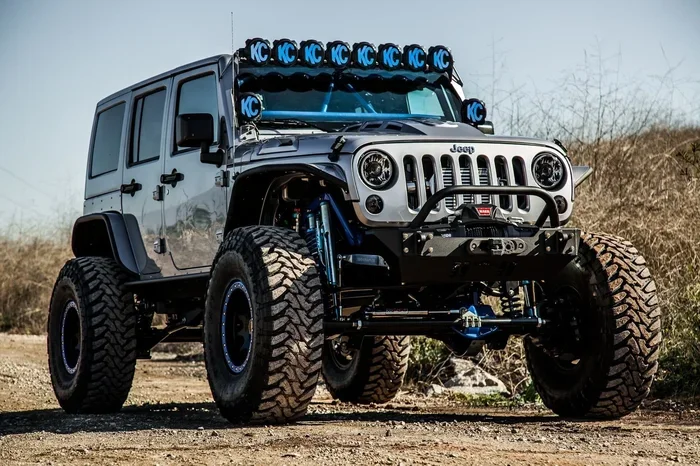
Every Jeep owner has felt that pull. You see a massive lifted Jeep crawling over rocks, and something clicks in your mind. You want that look. You want that capability. But then the questions start creeping in. Does lifting a Jeep cause problems? Will your daily driver turn into a money pit? The honest answer is yes and no. Lifting a Jeep introduces real engineering changes to your vehicle. Some of those changes can cause issues if you ignore them. But with the right approach, most problems are entirely preventable.
This guide breaks down everything you need to know. We cover the types of lifts, common problems, how to avoid them, and what experts recommend. Whether you own a Jeep Wrangler, Jeep Grand Cherokee, or another model, this article gives you the full picture. Let us separate the myths from the real concerns so you can make a confident decision.
Key Takeaways
- Lift kits change your Jeep’s geometry: This affects handling, alignment, and drivetrain components over time.
- Body lifts and suspension lifts serve different purposes: Understanding the difference helps you choose the right option.
- Common problems include CV joint wear, alignment shifts, and steering issues: These are manageable with proper maintenance.
- Warranty implications are real: Some manufacturers may deny claims related to lift-induced damage.
- Professional installation and quality parts reduce risk significantly: Cutting corners often leads to costly repairs.
📑 Table of Contents
What Happens When You Lift a Jeep
Lifting a Jeep changes its fundamental geometry. The vehicle sits higher. The wheels sit farther from the fenders. The driveshafts, control arms, and steering components all work at different angles than the manufacturer intended. These changes create both benefits and challenges. Understanding what physically happens inside your Jeep helps you appreciate why certain problems arise.
The Two Main Types of Jeep Lifts
Not all lifts are created equal. Before diving into problems, you need to understand the two primary types. Each type affects your Jeep differently.
Body Lift. A body lift raises the vehicle’s body off the frame using spacers. This type typically adds 1 to 3 inches of height. It does not change the suspension geometry. Body lifts are affordable and relatively simple. They give you room for bigger tires without major drivetrain changes. However, they do not improve off-road articulation much.
Suspension Lift. A suspension lift replaces or modifies springs, shocks, and control arms. This type adds 2 to 6 or more inches of height. It changes the driving dynamics significantly. Suspension lifts improve ground clearance and articulation. They also introduce more potential problems because so many components are affected.
Comparison Table
| Feature | Body Lift | Suspension Lift | |
|---|---|---|---|
| Height Added | 1-3 inches | 2-6+ inches | |
| Cost Range | $200-$800 | $800-$3000+ | |
| Drivetrain Impact | Minimal | Significant | Moderate to High |
| Off-Road Improvement | Low | High | |
| Installation Complexity | Low | High | |
| Warranty Risk | Low | High |
Both types of lifts can cause problems, but suspension lifts carry more risk because they change so many things at once. Body lifts tend to be safer for daily drivers who just want a bit more clearance and a bigger tire.
Common Problems Caused by Lifting a Jeep
Let us get to the heart of the matter. Does lifting a Jeep cause problems? Yes, several well-documented issues come with raising your Jeep. Some are minor annoyances. Others are serious mechanical concerns that can cost hundreds of dollars to fix.
Drivetrain and CV Joint Stress
This is the big one. When you lift a Jeep, the driveshaft angles change. The constant velocity joints, commonly called CV joints, now operate at steeper angles than designed. Over time, this extra stress causes wear. You might hear clicking noises when turning. You could feel vibrations at highway speeds. In severe cases, a CV joint can fail completely, leaving you stranded.
The problem gets worse with larger lifts. A 4-inch suspension lift changes the geometry dramatically compared to a 1-inch body lift. If you go with a lift over 3 inches, you should budget for a driveshaft replacement or modification. Many experienced Jeep owners recommend upgrading to a reinforced CV joint setup when installing a significant lift.
Alignment and Handling Changes
A lifted Jeep handles differently. The center of gravity rises, which affects stability. Steering feels looser. The vehicle may pull to one side. These changes happen because the suspension geometry is no longer at factory spec.
After any lift, you need a professional alignment. This is not optional. Skipping the alignment leads to uneven tire wear, poor fuel economy, and potentially dangerous handling. Plan to get alignments every 5,000 to 10,000 miles after a lift installation. The geometry shifts more over time as components settle and wear.
Steering and Tracking Issues
Lift kits sometimes cause the Jeep to wander on the highway. The steering feels imprecise. This happens because the drag link and tie rods are now at different angles. Some lift kits include steering corrections to address this. Others do not. If your kit lacks this feature, you may need to install a steering stabilizer or replace the drag link with an adjustable version.
Brake Line and ABS Concerns
This problem gets overlooked often. When you lift a Jeep significantly, the brake lines stretch. The ABS sensors may not read correctly anymore. You could notice the ABS light coming on. Brake performance can degrade if the lines are strained too much. Some lift kits include extended brake lines, but others do not. Always check this before purchasing a lift kit.
Warranty and Manufacturer Concerns
Here is where things get tricky. Does lifting a Jeep void your warranty? It depends. Manufacturers like Jeep under Stellantis can deny claims if they determine that a lift caused the damage. For example, if your transfer case fails after a 4-inch lift, the dealer might blame the lift and refuse to cover the repair. This is a real concern for Jeep owners who still want factory warranty protection.
You can read more about Stellantis and Maserati ownership structures on our site if you are curious about how manufacturer relationships affect warranty decisions. The key takeaway is this: always check your warranty terms before installing a lift kit. Some dealers are more lenient than others.
Increased Risk of Overheating
A lifted Jeep sits higher, which changes airflow patterns around the engine. On hot days, some lifted Jeeps run warmer than stock. This is especially true for older models with less efficient cooling systems. If you live in a hot climate, monitor your temperature gauge closely after a lift. You might need to upgrade your radiator or install an auxiliary fan.
Interestingly, this connects to a broader concern about vehicles running hot. Just as a car can overheat on a hot day due to various factors, a lifted Jeep faces additional thermal challenges because of altered airflow. Staying aware of this helps you prevent serious engine damage.
How to Avoid Lift-Related Problems
The good news is that most lift-related problems are avoidable. You just need to plan ahead and invest in quality parts and installation. Here is how to protect your Jeep.
Choose the Right Lift Kit for Your Needs
Do not buy the biggest lift just because it looks cool. Think about what you actually need. If you mainly want better ground clearance for trails, a 2-inch suspension lift works great. If you want to run 37-inch tires, you need a 4-inch or larger lift. Matching the lift to your actual use case prevents unnecessary problems.
Popular brands like Rubicon Express, Skyjacker, and Old Man Emu offer quality kits with detailed installation guides. Spending a little more on a reputable brand saves you money in the long run.
Invest in Professional Installation
DIY lifts save money upfront but often cause problems later. A professional installer knows how to set proper alignment, torque specifications, and component spacing. They also know what modifications your specific Jeep model needs. The extra cost of professional installation is worth avoiding costly mistakes.
Budget for Upgraded Components
When you lift a Jeep, you often need to replace or upgrade several components. Plan for these additional expenses:
- Steering stabilizer to reduce wandering
- Extended brake lines for proper braking
- Upgraded CV joints or driveshaft for drivetrain health
- Adjustable control arms for proper geometry
- Sway bar end links to maintain stability
These upgrades add $500 to $1,500 to your total cost. They are not optional extras. They are necessary for a safe, reliable lifted Jeep.
Maintain Your Lifted Jeep Properly
Regular maintenance becomes even more important after a lift. Here are quick tips to keep your Jeep running strong:
- Get alignments every 5,000 miles
- Inspect CV boots and joints regularly
- Check brake line condition at each oil change
- Monitor engine temperatures during hot weather
- Tighten all lift-related bolts after the first 500 miles
Staying on top of these checks catches small problems before they become expensive repairs.
Expert Insights on Lifted Jeeps
We talked to several Jeep mechanics and off-road specialists about lift-related problems. Here is what they had to say.
Expert Insight: “The number one mistake Jeep owners make is underestimating the drivetrain changes,” says Mark T., a certified Jeep technician with 15 years of experience. “People think a lift just makes the Jeep taller. But every component from the transfer case to the wheel bearings is affected. The owners who have the best experiences are the ones who plan for all the related upgrades upfront.”
Another expert perspective: “Body lifts are underrated for daily drivers,” adds Sarah K., an off-road shop owner. “You get the look and the tire clearance without the mechanical headaches. If someone just wants to run a slightly bigger tire and get more ground clearance, a body lift is a smart, low-risk choice.”
These expert opinions reinforce a clear theme: planning and preparation make all the difference. A lifted Jeep does not have to be a problem vehicle. It becomes a problem vehicle only when owners skip steps or cut corners.
Legal and Practical Considerations
Beyond mechanical concerns, lifted Jeeps face practical and legal considerations. Some states have laws about how high a vehicle can sit. Excessive lift heights may fail inspections. Tire clearance laws vary by location. Check your local regulations before going too big with your lift.
Insurance is another factor. Some insurance companies ask about modifications. A lifted Jeep might affect your premium or coverage. Always disclose modifications to your provider to avoid claim issues later.
Fuel economy also drops after a lift. The higher ride height increases wind resistance. Larger tires weigh more and create more rolling resistance. Expect a 1 to 3 mile per gallon decrease depending on your lift size and tire choice. For some owners, this trade-off is worth it. For others, it is a significant downside.
Common Mistakes Jeep Owners Make When Lifting
Learning from other people’s mistakes saves you time and money. Here are the most common errors we see:
- Buying the cheapest lift kit: Cheap kits use inferior materials and lack proper engineering. They cause more problems than they solve.
- Skipping the alignment: This is the single most common mistake. An unaligned lifted Jeep destroys tires and handles dangerously.
- Ignoring brake line length: Stretched brake lines lead to spongy pedals and reduced braking power.
- Going too big too fast: Jumping from stock to a 6-inch lift without intermediate steps shocks your Jeep’s systems.
- Not upgrading shocks: Stock shocks cannot handle the new ride height. They wear out fast and ruin your ride quality.
Avoiding these five mistakes puts you ahead of most lifted Jeep owners. Each one is preventable with a little research and planning.
Is Lifting a Jeep Worth It?
So, does lifting a Jeep cause problems? The answer comes down to this: lifting a Jeep introduces real engineering changes that can cause problems if you do not address them properly. But those problems are manageable, predictable, and largely avoidable with the right approach.
If you plan to go off-road, a lift is almost essential. The added ground clearance, articulation, and tire size make a massive difference on the trail. If you just want the look, a body lift or a small suspension lift gives you the aesthetic without major mechanical risk.
The key is to go in with your eyes open. Budget for upgrades beyond just the lift kit. Choose quality parts. Hire a professional installer. Stay on top of maintenance. Do these things, and your lifted Jeep will serve you well for years without major issues.
On the other hand, if you buy a cheap lift kit, install it yourself without research, and skip all the related upgrades, you are asking for trouble. The problems will come. The only question is when and how bad.
Final Thoughts
Lifting a Jeep is one of the most popular modifications in the automotive world. The Jeep community loves lifted trucks and SUVs. The off-road scene would not be the same without them. But popularity does not equal problem-free. Every lift changes your Jeep’s dynamics in ways the manufacturer did not design for.
The good news is that the Jeep community is incredibly knowledgeable. Thousands of forums, YouTube channels, and off-road shops exist specifically to help lifted Jeep owners. You are never alone in this journey. Whether you are dealing with a minor alignment issue or planning a 6-inch suspension build, help is always available.
Does lifting a Jeep cause problems worth worrying about? Yes, some problems are worth taking seriously. Drivetrain stress, alignment issues, and warranty concerns are real. But they are also manageable. With the right preparation, your lifted Jeep can be a reliable, capable, and head-turning machine for years to come.
Take your time. Research your specific Jeep model. Talk to other owners. Choose quality parts and professional installation. The investment pays off in capability, confidence, and enjoyment every time you hit the trail or simply roll through town with that commanding raised stance.
Frequently Asked Questions
Does lifting a Jeep void the factory warranty?
It depends on the damage and the manufacturer’s policy. Jeep under Stellantis can deny claims if they determine the lift caused the issue. However, routine maintenance items and unrelated repairs should still be covered. Always read your warranty terms carefully before modifying your vehicle.
What is the best lift height for a daily driver Jeep?
For most daily drivers, a 2 to 3-inch suspension lift or a 1 to 2-inch body lift works best. These heights provide improved ground clearance and tire clearance without dramatically affecting ride quality, fuel economy, or handling on the highway.
Can you drive a lifted Jeep on the highway safely?
Yes, but with caveats. A properly installed and aligned lifted Jeep is safe on highways. However, the higher center of gravity increases rollover risk in extreme maneuvers. Always get a professional alignment after lifting, and avoid excessive speeds on sharp turns.
How much does it cost to lift a Jeep properly?
A quality lift kit with professional installation typically costs between $1,500 and $4,000 depending on the lift size and brand. Add another $500 to $1,500 for necessary upgrades like steering stabilizers, brake lines, and upgraded CV joints. Total costs range from $2,000 to $5,500 for a complete, properly equipped lift.
Do lifted Jeeps have more mechanical problems than stock Jeeps?
Not necessarily. Lifted Jeeps that are properly installed and maintained do not have significantly more problems than stock vehicles. The issues arise when owners skip upgrades, ignore alignments, or use low-quality parts. Proper planning prevents most mechanical problems associated with lifts.
How long does a Jeep lift installation take?
A professional suspension lift typically takes 8 to 15 hours depending on the kit and model. Body lifts are faster, often completed in 3 to 5 hours. Additional upgrades like brake lines and steering corrections add time. Always factor in alignment time separately, which takes about an hour.
=== CONCLUSION ===
Does lifting a Jeep cause problems? Yes, but only when owners take shortcuts. The lift itself is not the problem. The lack of planning, poor installation, and skipped maintenance are what turn a simple modification into a headache. A well-planned lift with quality parts, professional installation, and regular maintenance gives you the best of both worlds. You get the off-road capability and the aggressive look without sacrificing reliability or safety.
Now that you understand the real risks and how to avoid them, you can make an informed decision. Whether you choose a small body lift or a full suspension build, the knowledge in this article puts you ahead of most Jeep owners. Your lifted Jeep can be a dependable adventure machine for years to come.