Do Cops Really Care About Window Tint On Your Vehicle
Do cops really care about window tint? The short answer is yes, and they care more than most people think. Window tint violations are one of the most common reasons for traffic stops, and officers use tint darkness as an easy visual cue during routine patrols. Understanding legal tint limits and visible light transmission rules can save you from costly fines and headaches. This guide breaks down everything you need to know about how law enforcement handles tinted windows.
Have you ever driven down the highway and seen a police car behind you, lights flashing, and instantly thought about your window tint? You are not alone. Do cops really care about window tint is a question that car owners ask every single day. The truth might surprise you. Window tint is one of the most common vehicle modifications, and it is also one of the most frequently cited violations during traffic stops. Whether you installed a dark film for style, privacy, or heat reduction, understanding how law enforcement views your tint can save you time, money, and stress.
Many people assume that cops only care about speeding or reckless driving. But tinted windows are a different story altogether. Officers across the country regularly pull vehicles over for tint darkness that exceeds legal limits. And once they have you pulled over, other things can come up too. In this article, we will break down exactly why cops care about car window tinting, what the laws say, and what you can do to stay compliant.
Key Takeaways
- Cops absolutely notice window tint: Dark or illegal tint is one of the first things officers spot during a drive.
- Tint laws vary by state: Each state sets its own VLT percentage limits, and what’s legal in one state may be illegal in another.
- Traffic stops for tint are common: Many officers use tint violations as a reason to initiate a stop, which can lead to further inspection.
- Factory tint vs aftermarket tint matters: Police know the difference, and aftermarket tint that is too dark will draw attention.
- Medical exemptions exist: Some states allow special permits for medical exemption tint with proper documentation.
- Quick fixes are available: If your tint is too dark, removing or replacing it is the fastest way to avoid problems.
📑 Table of Contents
Why Do Cops Pull Over Vehicles With Dark Tint?
There are several real reasons that police officers pay close attention to window tint darkness. It is not just about writing tickets for fun. Let us look at the main reasons officers focus on tinted windows during their shifts.
Visibility and Safety Concerns
The biggest reason cops care about tint is safety. When windows are too dark, officers cannot see inside your vehicle. And that creates a genuine concern. During a traffic stop, a police officer needs to see your hands, your face, and what is happening inside your car. Dark tint blocks that view. This is especially true at night or in low-light conditions.
Officers also worry about what might be hidden inside a vehicle. Aftermarket tint that is very dark can conceal weapons, illegal items, or other threats. From a law enforcement perspective, the ability to see through a vehicle’s windows is a basic safety requirement. This is why most states enforce strict limits on how dark your tint can be.
Tint as an Easy Visual Indicator
Here is something many people do not think about. Tint darkness is one of the easiest things for an officer to spot from a distance. You might have a broken taillight or a bald tire, but you may not know it. A dark tint, on the other hand, is visible from hundreds of feet away. During routine patrol, an officer can see that your windows are darker than what is legally allowed.
This makes window tint violation one of the simplest infractions to identify. You do not need a special tool or device. The officer just looks at your car from the roadside and makes a judgment call. That is why so many drivers get pulled over for tint, even when they think it looks fine.
Connection to Other Violations
Another reason cops focus on tint is that it often opens the door to other checks. When an officer pulls you over for a tint ticket, they now have a valid reason to interact with you. During that interaction, they may notice expired registration, a broken headlight, or even signs of impaired driving. Window tint can serve as the initial reason for a stop that leads to discovering other issues.
Some people think this is unfair. But from a law enforcement standpoint, having a legal reason to make contact with a driver is part of standard procedure. Visible light transmission (VLT) limits give officers a clear, measurable standard to enforce.
Understanding Window Tint Laws and Legal Limits
Not all tint is created equal, and the law treats it differently depending on where you live. State tint laws vary widely, and knowing your local rules is essential if you want to avoid a ticket.
What Is VLT Percentage?
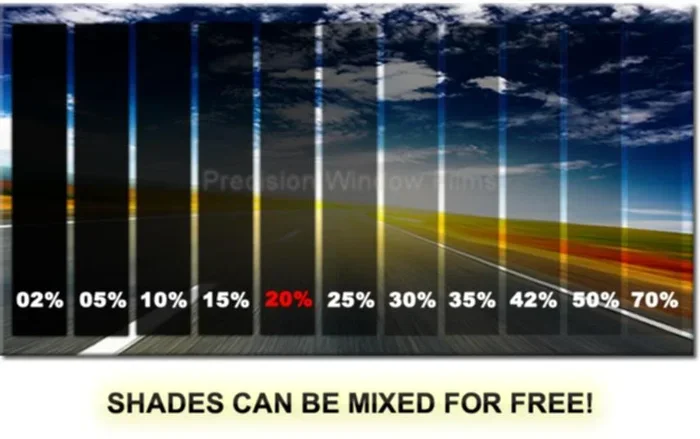
Visible light transmission, or VLT, is the measurement of how much light passes through your window film. The higher the VLT percentage, the more light gets through. A 70% VLT film lets in most light and is usually very light in color. A 5% VLT film, often called “limo tint,” blocks almost all light and is very dark.
Every state sets a minimum VLT limit for different windows on your vehicle. For example, some states allow 35% VLT on side windows but require 70% on the windshield. Understanding these numbers helps you choose legal tint that looks great and keeps you out of trouble.
How Laws Differ From State to State
Tint laws by state can be confusing, especially if you travel or move. What is perfectly legal in Arizona might get you a ticket in New York. Here are some general guidelines:
- Southern and warmer states tend to allow slightly darker tint because of the need for heat reduction.
- Northern states often have stricter limits, especially for front side windows.
- Windshield tint is almost always restricted to the top few inches in every state.
- Rear windows are usually allowed to be darker than front windows in most states.
The best approach is to look up your specific state’s tint law before you install any film. Most state DMV websites list the exact limits. And if you are unsure, ask your tint installer. A reputable shop will know the local rules and help you stay compliant.
Factory Tint vs Aftermarket Tint
Here is an important distinction that many drivers miss. Factory tint comes from the manufacturer and is built into the glass during production. It is usually lighter than most people realize, often around 70% to 80% VLT. Aftermarket tint is the film that gets applied after you buy the car.
Cops know the difference. They know that factory tint is generally within legal limits because automakers follow federal and state regulations. But aftermarket tint is a different story entirely. If you slap a dark film on your windows, that is when you run into trouble. Officers can often tell the difference just by looking at the color and reflectiveness of the tint.
What Happens During a Traffic Stop for Tinted Windows
If you get pulled over for window tint, what actually happens? Let us walk through a typical scenario so you know what to expect.
The Initial Stop
An officer notices your dark windows from the road. They activate their lights and pull you over. The officer approaches your vehicle and asks you to roll down your windows. This is standard procedure. They want to see inside the car and make eye contact with you.
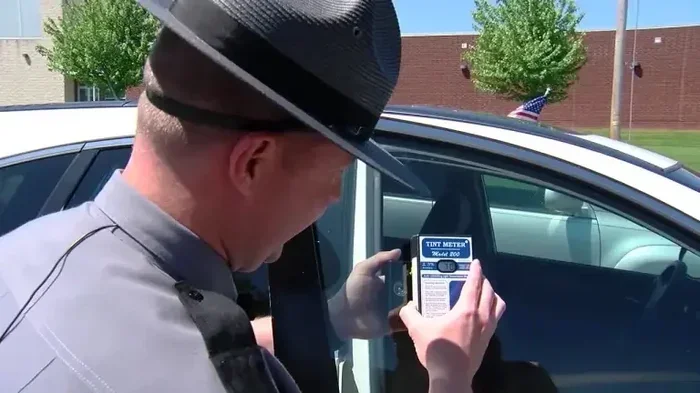
The officer will likely use a tint meter, a small handheld device that measures the VLT of your windows. This gives them an exact number to compare against your state’s legal limit. If your tint is below the allowed percentage, you will receive a citation.
Common Penalties for Tint Violations
Getting a tint ticket is not fun, and the costs can add up quickly. Here is what you might face:
- Fine: Tint violation fines range from $50 to $500 or more depending on the state.
- Fix-it ticket: Some states give you a deadline to remove or replace the tint and provide proof.
- Tint removal order: In strict states, you may be required to remove the illegal film entirely.
- Insurance impact: While a tint ticket usually does not raise your rates directly, any traffic violation adds a point to your record in some states.
The financial cost is only part of the problem. A traffic stop takes time, and it can be stressful. You have to pull over, wait for the officer, sit through the conversation, and deal with the paperwork. All of this for a window film that you thought looked cool.
Can You Contest a Tint Ticket?
Yes, you can contest a window tint violation in court, but it is an uphill battle. You would need to prove that your tint meets the legal VLT requirement. Some tint shops provide certification stickers or paperwork that shows the VLT of your film. If you have this documentation, it can help your case.
However, if the officer measured your tint with a meter and it came in below the legal limit, the court will usually side with the officer. Your best bet is always to avoid the ticket in the first place by staying within the legal limits.
Common Myths About Cops and Window Tint
There are a lot of misconceptions about window tint and how police handle it. Let us clear up some of the most common myths.
Myth 1: Cops Only Pull Over Dark Tint
While dark tint gets the most attention, even moderately tinted windows can be a problem if they exceed your state’s limit. An officer does not need your tint to be pitch black to write a ticket. If it is darker than what the law allows, it is a violation regardless of how dark it looks to your eyes.
Myth 2: Tint Tickets Are Not Real Citations
This is completely false. A tint ticket is a real traffic citation. It goes on your driving record and can result in fines, court appearances, and even license issues in some cases. Do not treat it as a minor inconvenience.
Myth 3: Cops Cannot Measure Tint Accurately
Modern tint meters are very accurate. Officers are trained to use them correctly, and courts trust the readings. Trying to argue that the meter was wrong is rarely successful unless you have independent testing that proves otherwise.
Myth 4: You Can Hide Illegal Tint With a Legal One
Some people think layering films or using a lighter tint over a dark one will fool officers. This does not work. Officers measure the total VLT of all layers combined. If the combined tint is too dark, you will get a ticket.
How to Stay on the Right Side of the Law
Staying compliant with tint laws is not difficult if you take the right steps. Here is how to make sure your window film keeps you safe and legal.
Know Your State’s Legal Limits
This is the single most important step. Look up the legal tint limits for your state before you get any film applied. Pay attention to the rules for each window, including the windshield, front side windows, rear side windows, and rear windshield. Some states have different rules for different windows, and getting even one window wrong can result in a citation.
Choose a Reputable Tint Shop
A good tint shop will know the local laws and apply film that meets or exceeds legal requirements. Ask the installer about the VLT of the film they are using and request documentation. A compliance sticker from the tint shop can also help if you ever get questioned by an officer.
Consider a Tint That Is Slightly Lighter
If you are unsure about the exact legal limit, go a shade lighter than the maximum allowed. This gives you a safety margin. For example, if your state allows 35% VLT, consider getting a 38% or 40% VLT film instead. You will still get the benefits of tint without the risk of crossing the line.
Keep Your Documentation Handy
If you have legal tint installed, keep any paperwork, stickers, or certifications in your glove box. If you are ever pulled over for a tint question, being able to show the officer that your film is within limits can defuse the situation quickly.
Quick Tips to Avoid Tint Trouble
- Check your state’s tint laws every year, as regulations can change.
- Do not buy tint from unlicensed shops that may not follow local rules.
- If you buy a used car with dark tint, check the VLT before driving it.
- Remember that tint laws for commercial vehicles are often stricter.
- Keep your windows clean. Dirty windows can make legal tint look darker than it is.
The Real Reason Cops Care About Window Tint
At the end of the day, do cops really care about window tint comes down to one thing: safety and control. Officers need to be able to see inside vehicles during interactions. This is not about harassing drivers or targeting people with custom cars. It is about protecting both the officer and the public.
When an officer cannot see inside your vehicle, it creates uncertainty. And uncertainty is something law enforcement wants to avoid. A visible, compliant tint allows the officer to assess the situation quickly and safely. This is the core reason that tint enforcement exists in the first place.
There is also a practical side to this. Officers deal with thousands of vehicles every week. A dark tint that stands out on the road is easy to spot and easy to enforce. This makes it one of the most efficient ways for police to identify vehicles that may not be in compliance with vehicle regulations. It is not personal. It is simply part of how traffic enforcement works.
If you take nothing else away from this article, let it be this: window tint is a great feature when done correctly. It reduces glare, blocks harmful UV rays, keeps your car cooler, and adds privacy. But when it crosses the legal line, it becomes a problem that can cost you money and time. The choice is yours, and knowing the rules puts you in the driver’s seat.
Expert Insight
According to law enforcement professionals, the most common mistake drivers make is assuming their tint is legal when it is not. Many people choose tint based on how it looks to them, not on the actual VLT percentage. An officer’s tint meter does not care about your opinion. It measures the light that passes through, and that number either meets the legal standard or it does not. Always verify your tint’s VLT before installation and keep documentation of the film’s specifications.
Common Mistakes to Avoid
- Guessing the VLT: Do not assume your tint is legal just because it looks light enough.
- Ignoring state laws when traveling: Tint that is legal in your home state may not be legal in a neighboring state.
- Skipping the paperwork: Without documentation, you have no proof if you are ever questioned.
- Using DIY tint kits: These often result in uneven application and VLT that does not match what is advertised.
- Forgetting about replacement windows: If you replace a window, the new glass may have a different factory tint than the original.
Conclusion
Do cops really care about window tint on your vehicle? The answer is a clear and definitive yes. Window tint enforcement is real, it is common, and it can affect any driver who has tint that does not meet the legal standard. From the safety concerns that drive these laws to the practical reasons officers use tint as a reason for traffic stops, there are many factors at play.
The good news is that staying compliant is straightforward. Know your state’s legal tint limits, choose the right VLT percentage, work with a reputable installer, and keep your documentation handy. These simple steps can keep you from getting a tint ticket and help you enjoy the benefits of car window tinting without the worry.
Your vehicle is an investment, and your window film should enhance it, not create problems. Respect the rules, drive safely, and enjoy the ride with confidence that your tint is within the law.
Frequently Asked Questions
Can cops measure window tint with their eyes?
Officers can often make a rough estimate just by looking, but they use a tint meter for an accurate reading. The meter measures the exact visible light transmission percentage, which is what courts use to determine if a violation occurred. Visual inspection alone is usually not enough to issue a citation in most states.
Is factory tint legal everywhere?
Most factory tint is within legal limits because automakers follow federal and state regulations. However, factory tint can vary by vehicle model and year. If you are unsure about your car’s original tint, you can ask your dealer or use a tint meter to check the VLT yourself.
What is the penalty for illegal window tint?
Penalties vary by state but typically include a fine ranging from $50 to $500. Some states issue a fix-it ticket that requires you to remove the illegal tint and provide proof of compliance. Repeated violations can lead to higher fines and potential court appearances.
Can I get a medical exemption for darker window tint?
Yes, several states offer a medical exemption tint permit for individuals with specific health conditions that require protection from sunlight. You will need a letter from a licensed physician and must carry the documentation in your vehicle at all times. Exemption rules and allowed VLT levels differ by state.
Does window tint affect my car insurance rates?
A single tint ticket usually does not raise your insurance premiums directly. However, if the violation adds points to your driving record, your rates could increase over time. Additionally, if you are in an accident and your tint is found to be illegal, your insurance company may use it as a factor in their investigation.
Can I be pulled over solely for window tint?
Yes, in most states, window tint violation is a primary offense. This means an officer can pull you over specifically for having illegal tint without needing any other reason. This is why it is so important to know and follow your state’s tint laws.