32 Percent Window Tint: Visibility and Performance Guide
32 percent window tint offers a balanced blend of style, comfort, and protection for your vehicle. With a visible light transmission of 32%, this tint shade provides excellent glare reduction and UV protection while maintaining good driving visibility. Whether you want to reduce solar heat or add a sleek look to your car, 32 percent window tint is a popular choice among car owners.
When you think about upgrading your car, window tint might not be the first thing that comes to mind. But trust me, it makes a huge difference. 32 percent window tint has become one of the most popular choices for drivers who want a practical yet stylish upgrade. It strikes the perfect balance between dark enough to look great and light enough to see clearly.
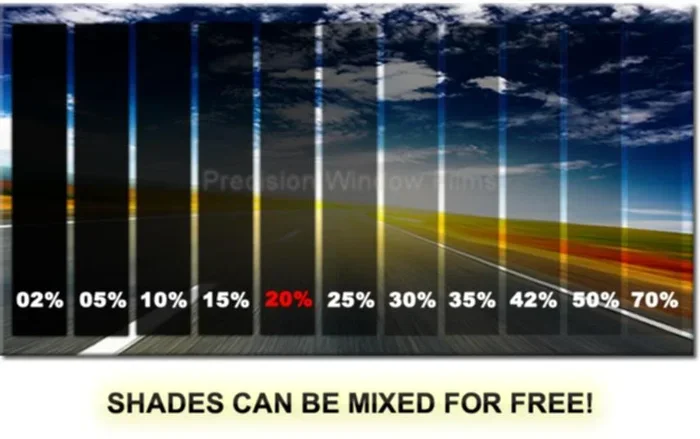
If you have been browsing tint options, you have probably seen numbers like 5%, 20%, 35%, and 32%. These numbers refer to the visible light transmission level, or VLT for short. The lower the number, the darker the tint. A 32% VLT means that 32% of outside light passes through your windows. This is a mid-range tint that works well for almost any vehicle and any driving condition.
So why are so many people choosing 32 percent window tint? The answer comes down to performance, comfort, and style. In this guide, we will break down everything you need to know about this tint level. From visibility and heat rejection to legal rules and installation tips, you will find it all here.
Key Takeaways
- Great Visibility: 32 percent tint allows enough light through for safe daytime and nighttime driving.
- Strong Heat Rejection: This tint level blocks a significant amount of solar heat, keeping your car cooler.
- UV Protection: 32 percent window tint filters out harmful UV rays that can damage your skin and interior.
- Legal Considerations: Tint laws vary by state and country, so always check local regulations before installing.
- Privacy Boost: A 32% tint shade adds a layer of privacy without making your windows too dark.
- Easy Maintenance: This tint level is simple to clean and maintain over time.
- Cost-Effective: Compared to darker tints, 32 percent window film is often more affordable and versatile.
📑 Table of Contents
- What Is 32 Percent Window Tint?
- How Does 32 Percent Tint Affect Visibility?
- Performance Benefits of 32 Percent Window Tint
- 32 Percent Tint vs Other Darkness Levels
- Is 32 Percent Tint Legal in Your Area?
- How to Choose the Right 32 Percent Tint for Your Car
- Common Mistakes to Avoid When Tinting Your Windows
- Expert Tips for Getting the Most Out of Your 32% Tint
- Conclusion
What Is 32 Percent Window Tint?
Let us start with the basics. 32 percent window tint is an automotive window film that allows 32% of visible light to pass through your car windows. The rest is either absorbed or reflected away. This type of tint is made from polyester and adhesive layers that are applied directly to the glass.
The term “window tint percentage” refers to the VLT rating. A higher VLT means a lighter tint. A lower VLT means a darker tint. For comparison, factory tint on most new cars sits around 15% to 20% VLT. So 32% tint is lighter than most factory tints but darker than clear or very light films.
How Tint Percentage Works
Here is a simple way to think about it. Imagine standing behind a window. If the window has a 32% VLT rating, only about one-third of the sunlight and outside light gets through. The remaining two-thirds is blocked by the film. This blocking power is what makes 32 percent window tint so effective at reducing glare and heat.
Most automotive window film brands offer a 32% option in their lineup. You will find it in both dyed and ceramic formulations. Ceramic tints tend to perform better at blocking heat and UV rays, but they also cost more. Dyed tints are more budget-friendly and still do a solid job for everyday driving.
Common Uses for 32% Tint
Many drivers choose 32% tint for the front side windows. This is because lighter front tints help maintain clear visibility for the driver. At the same time, it adds a sleek, finished look to the car. Some people also apply 32% tint to rear windows for a uniform appearance across all glass surfaces.
Beyond cars, 32% window film is also used on trucks, SUVs, and even some commercial vehicles. It works well on all window types, including side windows, rear windows, and even sunroofs in some cases.
How Does 32 Percent Tint Affect Visibility?
Visibility is the number one concern for most drivers when choosing a tint shade. Nobody wants to feel like they are driving through a pair of sunglasses all day long. 32 percent window tint performs well in this area because it lets in enough natural light to keep things clear.
Daytime Visibility
During the day, 32% tint provides excellent visibility. You can easily see road signs, pedestrians, and other vehicles. The slight darkening adds a comfortable contrast without making things too dim. Many drivers report that 32% tint actually reduces eye fatigue on long drives because it cuts down on harsh sunlight.
If you drive in bright, sunny areas, this tint level really shines. The glare reduction alone makes a noticeable difference. You will not need to squint as much, and your windshield stays clearer during peak sun hours.
Nighttime Visibility
Night driving is where some tints fall short. But 32 percent window tint holds up well after dark. Because it allows a good amount of light through, you should not experience significant visibility issues at night. Of course, no tint completely eliminates the need for clean, well-maintained windows. Always keep your glass clear for the best results.
If you frequently drive on poorly lit roads, you might want to pair your tint with high-quality headlights. Together, they create a safe and comfortable nighttime driving experience.
Factors That Influence Visibility with Tint
Several factors can affect how well you see through 32% window tint. The quality of the film matters a lot. Cheaper films may have uneven coatings that distort your view. High-quality window film brands use precision manufacturing to ensure clarity.
The color of the tint also plays a role. Some 32% tints have a slight blue or greenish hue that can alter colors slightly. Neutral shades tend to preserve true color perception better. Finally, the condition of your car’s original glass matters. Any existing scratches or imperfections will be more noticeable with tint applied.
Performance Benefits of 32 Percent Window Tint
Beyond looking good, 32 percent window tint delivers real performance benefits. These are not just cosmetic improvements. They affect your comfort, safety, and even the longevity of your car’s interior.
Heat Rejection and Temperature Control
One of the biggest reasons people tint their windows is to reduce heat. 32% tint blocks a significant portion of solar energy from entering your car. Depending on the film type, it can reject anywhere from 40% to 70% of total solar heat.
This means your car stays noticeably cooler on hot days. You will not have to blast the air conditioning as hard, which can actually improve your fuel economy. Less heat inside also means less wear on your dashboard, seats, and other interior components.
Here are some quick tips to maximize heat rejection with your 32 percent window tint:
- Choose a ceramic or carbon-based film for the best heat-blocking performance.
- Tint all side windows and the rear window for consistent temperature control.
- Combine your tint with a sunshade for parked cars on extremely hot days.
- Keep your windows clean, as dirt can reduce the film’s effectiveness over time.
UV Protection for Your Skin and Car Interior
Ultraviolet rays from the sun are harmful. They can cause skin damage, accelerate aging, and even increase the risk of skin cancer. The good news is that most quality 32% window tint films block up to 99% of UV rays.
This protection extends beyond your skin. UV rays also fade your car’s interior. Your dashboard, seats, and steering wheel can crack and discolor over time from sun exposure. 32 percent window tint acts as a shield, preserving the look and value of your car’s interior.
For people who spend a lot of time driving, this UV protection is a real health benefit. Delivery drivers, rideshare drivers, and commuters all stand to gain from the added layer of protection.
Glare Reduction for Safer Driving
Glare from the sun and other vehicles can be distracting and even dangerous. 32 percent window tint significantly reduces glare, making your driving experience more comfortable and safer.
Whether the sun is low on the horizon during sunrise or sunset, or headlights are hitting your rearview mirror at night, glare reduction helps you stay focused on the road. This is one of the most appreciated benefits of any window tint darkness level, and 32% delivers it well.
32 Percent Tint vs Other Darkness Levels
To truly understand what 32 percent window tint offers, it helps to compare it with other popular tint levels. Each percentage has its own strengths and ideal use cases.
| Tint Level | VLT Percentage | Darkness | Visibility | Best For |
|---|---|---|---|---|
| 5% (Limousine) | 5% | Very Dark | Poor | Privacy, rear windows only |
| 20% | 20% | Dark | Moderate | Rear windows, style |
| 32% | 32% | Medium-Dark | Good | All windows, daily driving |
| 35% | 35% | Medium | Very Good | Front side windows |
| 50% | 50% | Light | Excellent | Maximum visibility |
As you can see, 32% tint sits in a sweet spot. It is darker than 35% and 50% tints, which gives it better heat rejection and privacy. But it is lighter than 20% and 5% tints, which means you keep strong visibility. For most drivers, this is the ideal balance.
If you are choosing between 32% and 35%, the difference is subtle. 32% offers slightly better heat rejection and a bit more privacy. 35% lets in a touch more light. Both are excellent choices for front side windows where visibility matters most.
When to Choose Darker Tint
Some drivers prefer darker tints like 20% or 15% for a more dramatic look. These shades offer maximum privacy and superior heat rejection. However, they can reduce visibility, especially at night or in bad weather. 32 percent window tint is a safer choice if you need all-around usability.
When to Choose Lighter Tint
If your primary goal is maximum visibility and you live in a cooler climate, a lighter tint like 50% might be better. Lighter tints still offer UV protection and a subtle aesthetic improvement. But they do not block as much heat or provide as much privacy as 32% tint.
Is 32 Percent Tint Legal in Your Area?
Tint laws are one of the most important things to consider before getting your windows tinted. The legality of 32 percent window tint varies widely depending on where you live.
Understanding Tint Laws
Most states and countries regulate the legal tint allowed on different windows. Front side windows usually have stricter VLT requirements than rear windows. Some areas require a minimum of 70% VLT on front windows, which would make 32% illegal for the front.
Other states allow 32% or lower on front side windows. For example, many states in the southern United States are more lenient with tint darkness rules. Always check your local window tint laws before purchasing or installing any film.
Medical Exemptions
Some jurisdictions offer medical exemptions for darker tints. If you or a passenger has a condition that makes you sensitive to sunlight, you may qualify for a darker tint shade than what is normally allowed. Contact your local DMV or transportation authority for details.
Penalties for Illegal Tint
Driving with illegal tint can result in fines, citations, and even orders to remove the tint. In some cases, your vehicle may fail inspection. These penalties vary by location, but they can add up quickly. It is always better to stay compliant from the start.
How to Choose the Right 32 Percent Tint for Your Car
Not all 32 percent window tint products are created equal. There are several factors to consider when choosing the right film for your vehicle.
Film Type: Dyed vs. Ceramic vs. Carbon
The type of film you choose affects performance and price. Dyed films are the most affordable and provide basic tinting benefits. They offer decent heat rejection and a sleek appearance.
Carbon films are a step up. They do not fade over time like dyed films can. Carbon window film also provides excellent heat rejection and a matte finish that looks great.
Ceramic films are the premium option. They offer the best heat rejection, UV protection, and clarity. Ceramic automotive window film does not interfere with electronic signals, which is important if you use GPS, Bluetooth, or toll transponders.
Brand Quality Matters
Stick with reputable brands when selecting your 32% tint. Well-known manufacturers often back their products with warranties of five to ten years. A good warranty gives you peace of mind and protects your investment.
Professional Installation vs. DIY
While DIY tint kits are available, professional installation usually delivers better results. A trained technician can apply the film evenly without bubbles or wrinkles. Proper installation also extends the lifespan of your 32 percent window tint.
If you do go the DIY route, make sure you have a clean, dust-free environment and follow the instructions carefully. Practice on a spare piece of glass first if possible.
Cost Considerations
The window tinting cost for 32% tint varies depending on the film type, vehicle size, and whether you go professional or DIY. On average, expect to pay between $100 and $400 for a full vehicle job with quality film. Ceramic films will be on the higher end of that range.
Remember that the cheapest option is not always the best value. A slightly higher upfront cost for a quality film can save you money in the long run through better durability and performance.
Common Mistakes to Avoid When Tinting Your Windows
Even with the right 32 percent window tint, mistakes can happen. Here are some common pitfalls to watch out for.
- Ignoring local laws: Always verify legal tint limits before installation.
- Choosing the wrong film type: Not all films perform the same. Match the film to your needs.
- Skipping the warranty: A warranty protects you against peeling, bubbling, and fading.
- Rushing the curing process: Give your tint time to cure before rolling down the windows.
- Using harsh cleaners: Avoid ammonia-based cleaners on freshly tinted windows. They can damage the film.
Expert Tips for Getting the Most Out of Your 32% Tint
Want to make your 32 percent window tint last longer and perform better? Follow these expert tips.
First, wait at least three to seven days before rolling down your windows after installation. This allows the adhesive to fully cure. Second, clean your tinted windows with a soft microfiber cloth and a gentle, ammonia-free cleaner. Third, park in the shade whenever possible to reduce the long-term stress on the film.
Fourth, inspect your tint once a year for any signs of peeling or bubbling. Catching issues early makes them easier and cheaper to fix. Finally, if you ever need to replace a window, always inform the glass technician that you have window tint applied so they can handle it carefully.
Conclusion
32 percent window tint is one of the most versatile and practical choices for car owners today. It offers excellent visibility, strong heat rejection, reliable UV protection, and a sleek appearance. Whether you drive daily or just on weekends, this tint level delivers real value.
From the visible light transmission standpoint, 32% hits a sweet spot that works for most driving conditions. It is legal in many areas, easy to maintain, and available in multiple film types to fit any budget. If you have been on the fence about tinting your windows, 32% is a fantastic place to start.
Take the time to research your options, choose a quality film, and have it installed properly. Your car, your skin, and your driving comfort will all thank you. 32 percent window tint is a small investment that pays off in a big way.
Frequently Asked Questions
Is 32 percent window tint too dark for front windows?
It depends on your local laws. In many states, 32% VLT is legal for front side windows. However, some states require a higher VLT on front windows. Always check your local window tint laws before applying any tint to your front windows.
Can I see through 32% tint at night?
Yes, 32 percent window tint allows enough light through for safe nighttime driving. Visibility may be slightly reduced compared to untinted windows, but most drivers find it perfectly comfortable. Keeping your windows clean helps maintain the best nighttime visibility.
How much does 32% window tint cost?
The cost for 32% tint typically ranges from $100 to $400 for a full vehicle, depending on the film quality and whether you choose professional installation. Ceramic films cost more than dyed or carbon films but offer superior performance and durability.
Does 32% tint block UV rays?
Yes, quality 32 percent window tint films block up to 99% of harmful UV rays. This protects your skin and prevents your car’s interior from fading and cracking. Even at 32% VLT, UV protection is a major benefit of window tinting.
How long does 32% window tint last?
With proper care, 32% window tint can last anywhere from five to ten years. Dyed films may fade sooner, while ceramic and carbon films tend to hold up longer. Following maintenance tips like using ammonia-free cleaners will extend the life of your tint.
Will 32% tint affect my car’s resale value?
Generally, window tint is considered a positive feature for resale value. It adds privacy, protects the interior, and enhances the car’s appearance. However, extremely dark tints may not appeal to all buyers. 32 percent window tint is a safe and widely appealing choice that most buyers appreciate.


2 Comments