Everything You Need to Know About 65 Percent Window Tint
65 percent window tint is a popular automotive window film that allows 65% of visible light to pass through while blocking harmful UV rays and reducing solar heat. This medium shade offers a great balance between style, comfort, and legal compliance for most car owners. In this guide, you will learn everything from the benefits and legal rules to installation tips and maintenance advice.
If you have been thinking about tinting your car windows, you have probably come across the term 65 percent window tint. But what exactly does it mean, and is it the right choice for your vehicle? Whether you want to reduce heat, protect your interior, or simply give your car a more polished look, understanding tint percentages is the first step. This guide covers everything you need to know about 65 percent window tint, from its benefits and legal rules to installation tips and long-term care.
Window tinting is one of the most popular upgrades in car care. It is not just about making your car look cooler. Tinting offers real practical benefits that improve your daily driving experience. A 65 percent tint shade falls into the lighter end of the tint spectrum, which makes it a great option for people who want protection without sacrificing visibility. Let us dive into the details.
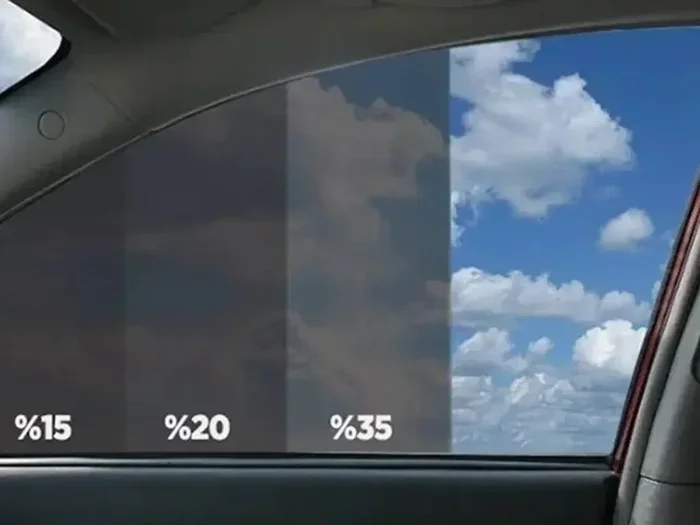
Before we get into the specifics, it helps to understand what visible light transmission means. This is the amount of light that passes through your window film. A 65 percent window tint allows 65% of light in and blocks the remaining 35%. This is different from darker tints like 5% or 20%, which block much more light. The lighter shade makes 65 percent window tint a versatile choice for many drivers and vehicle types.
Key Takeaways
- UV Protection: 65 percent window tint blocks up to 99% of harmful UV rays, protecting your skin and car interior from damage.
- Heat Reduction: This tint shade significantly reduces solar heat, keeping your car cooler and more comfortable during hot days.
- Legal Compliance: 65 percent tint is generally legal in most states, making it a safe and worry-free choice for car owners.
- Glare Reduction: The medium shade effectively reduces sun glare, improving driving safety and overall comfort on the road.
- Easy Maintenance: With proper cleaning and care, your 65 percent window tint will look great and last for many years.
- Privacy and Style: This tint shade offers enhanced privacy without going too dark, giving your car a sleek and polished look.
📑 Table of Contents
What Is 65 Percent Window Tint?
65 percent window tint refers to a window film that has a visible light transmission (VLT) rating of 65%. This means that 65% of outside light passes through the film and into your car, while 35% is blocked. The tint is considered a light shade, which makes it suitable for most windows on a vehicle.
There are different types of car window tinting materials available on the market. Each type offers different levels of performance and aesthetics. Here are the most common types you will encounter:
- Dyed tint: The most affordable option. It uses a dye layer to absorb heat and reduce light. However, it may fade over time.
- Metalized tint: Contains tiny metallic particles that reflect heat. It is more durable than dyed tint but can interfere with electronic signals.
- Carbon tint: A non-metallic option that offers excellent heat rejection without signal interference. It has a matte finish that many car owners love.
- Ceramic tint: The premium choice. It provides the best heat rejection and UV protection without affecting electronics or visibility.
When you choose 65 percent window tint, you can find it in any of these material types. Your budget, priorities, and local tint laws will help you decide which type works best for your needs.
Benefits of 65 Percent Window Tint
Choosing 65 percent window tint for your car comes with a wide range of advantages. Let us explore the key benefits that make this tint shade so popular among car owners.
Heat Reduction and Comfort
One of the biggest reasons people tint their windows is heat reduction. A 65 percent window tint blocks a significant amount of solar heat, which helps keep your car cooler on hot days. When you park your car under the sun, the interior can become extremely hot. Tinting reduces this cooling effect by filtering out a portion of the sun’s energy before it enters your vehicle.
This means you spend less time cranking the air conditioning and more time enjoying a comfortable ride. Over time, the heat rejection properties of your tint can also improve fuel efficiency, since your AC does not have to work as hard.
UV Protection for Your Skin and Car Interior
UV protection is one of the most important benefits of any window film. Harmful ultraviolet rays can cause skin damage and accelerate the aging of your car’s interior. A quality 65 percent window tint can block up to 99% of UV rays, even though it is a lighter shade.
This is especially important for drivers who spend a lot of time on the road. Long-term sun exposure can lead to premature skin aging and even skin cancer. Your dashboard, seats, and steering wheel can also crack and fade without proper sun protection. 65 percent window tint helps preserve your interior and protects your health at the same time.
Glare Reduction for Safer Driving
Sun glare is a serious safety concern, especially during early morning and late afternoon drives. Glare reduction is one of the practical benefits of 65 percent window tint. The film reduces the amount of harsh light that enters your car, making it easier to see the road clearly.
Less glare means less eye strain and fewer distractions while driving. This is particularly helpful during long road trips or when driving on sunny highways. A 65 percent tint shade gives you enough glare reduction without making your windows too dark for safe nighttime driving.
Privacy and Aesthetic Appeal
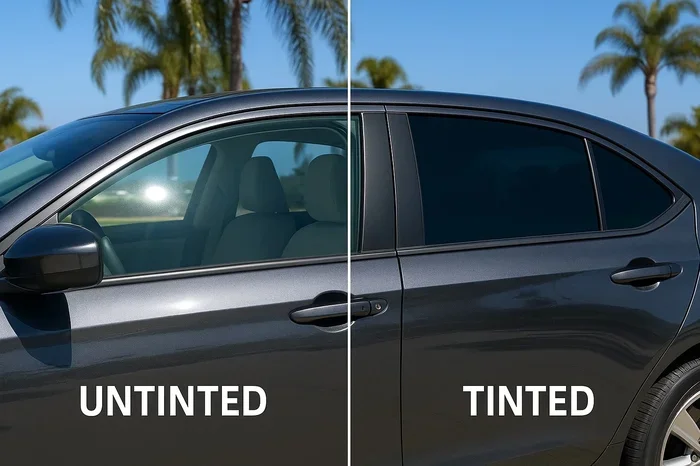
While 65 percent window tint is not the darkest option, it does offer a noticeable level of privacy. Passersby cannot easily see into your car, which adds a layer of security for your personal belongings. The tint also gives your vehicle a sleek, finished look that enhances its overall appearance.
Many car owners choose automotive tinting simply because it makes their car look better. A 65 percent window tint provides a subtle, elegant appearance without the dramatic dark look of lower percentage tints. It is a great choice if you want a tasteful upgrade that complements your vehicle’s style.
How 65 Percent Window Tint Compares to Other Tint Shades
Understanding where 65 percent window tint fits in the spectrum of tint shades helps you make an informed decision. Different tint percentages serve different purposes, and each has its own strengths and limitations.
Darker tints like 5 percent (often called “limo tint”) and 20 percent offer maximum privacy and heat rejection. However, they are heavily restricted or banned in many states. Lighter tints like 70 percent and 80 percent offer minimal heat reduction and are sometimes not even considered legal tinting.
65 percent window tint strikes a sweet spot. It provides meaningful benefits while staying within the legal limits in most areas. Here is a quick comparison of common tint shades:
| Tint Shade | VLT Percentage | Heat Rejection | Privacy Level | Legal in Most States |
|---|---|---|---|---|
| Limo Tint | 5% | Very High | Maximum | No (restricted) |
| Dark Tint | 20% | High | High | Varies |
| Medium Tint | 35% | Moderate | Moderate | Varies |
| 65 Percent Tint | 65% | Good | Light | Yes (most areas) |
| Light Tint | 70% | Minimal | Low | Yes |
| No Tint | 100% | None | None | N/A |
As you can see, 65 percent window tint offers a balanced combination of heat rejection, privacy, and legal compliance. It is not the most extreme option, but it delivers reliable results for everyday driving.
Legal Considerations and Tint Laws
Before you install 65 percent window tint, it is important to understand the tint laws in your area. Tint regulations vary from state to state, and even from city to city in some cases. Ignorance of the law is not an excuse, and getting pulled over for illegal tinting can result in fines and required removal.
Here are some general guidelines to keep in mind:
- Front side windows: Many states require a minimum VLT of 70% on front side windows. 65 percent window tint may not be legal on these windows in some states.
- Rear side windows: Most states allow darker tints on rear side windows. 65 percent tint is usually well within the legal range for rear windows.
- Rear windshield: Rules for the rear windshield vary widely. Some states allow any tint, while others require a clear strip at the top.
- Windshield: Tinting the windshield is restricted in most states. A non-reflective strip at the top is often the only permitted option.
Always check your local window tint regulations before purchasing and installing any tint. You can usually find this information on your state’s Department of Motor Vehicles website. If you are unsure, consult with a professional window tint installer who knows the local laws well.
It is also worth noting that some states require a tint sticker or certification to prove that your tint is legal. Make sure your installer provides this documentation if it is required in your area.
Installation Process and Professional Tips
Installing 65 percent window tint can be done professionally or as a DIY project. Each approach has its pros and cons, and your choice will depend on your budget, skill level, and how much time you are willing to invest.
Professional Installation
Hiring a professional window tint installer is the most popular choice for most car owners. Professionals have the tools, experience, and controlled environment needed to apply tint without bubbles, wrinkles, or misalignment.
Here is what you can expect during a professional installation:
- The installer will thoroughly clean your windows to remove any dust or debris.
- The tint film is cut to match your window dimensions precisely.
- A sliding solution is applied to the window to help position the film.
- The film is carefully placed on the window and smoothed out using a squeegee.
- Excess solution and air bubbles are removed from under the film.
- The installer trims any excess film around the edges.
Professional installation typically takes one to two hours, depending on the number of windows. The cost for 65 percent window tint installation ranges from $100 to $300 for a full set of windows, depending on the material type and your location.
DIY Installation Tips
If you decide to install the tint yourself, there are a few things to keep in mind. 65 percent window tint is actually one of the easier shades to install because it is more forgiving than very dark tints. Here are some tips for a successful DIY job:
- Work in a dust-free, climate-controlled environment. Avoid doing it in your garage if there is a lot of airborne dust.
- Use a quality window film kit that includes a squeegee, application solution, and cutting tools.
- Clean your windows multiple times before applying the film. Any leftover debris will create bubbles.
- Cut the film slightly larger than the window and trim it down after application.
- Use plenty of application solution to reposition the film if needed.
- Let the tint cure for at least 48 hours before rolling down the windows.
One common mistake during DIY installation is not using enough solution. This causes the film to stick prematurely and makes it impossible to reposition. Take your time, and do not rush the process.
Maintenance and Care for 65 Percent Window Tint
Proper maintenance is key to making your 65 percent window tint last for many years. A well-maintained tint looks better, performs better, and resists peeling or bubbling. Here are some essential care tips to keep your tint in top condition.
Cleaning Tips
- Wait at least 3 to 5 days after installation before cleaning your windows. This allows the adhesive to fully cure.
- Use a soft, lint-free cloth or microfiber towel to clean the tinted surface.
- Avoid ammonia-based glass cleaners. Ammonia can break down the tint film over time. Instead, use a mild soap and water solution or a cleaner specifically designed for tinted windows.
- Wipe gently in a circular motion. Avoid using rough or abrasive materials that could scratch the film.
- Dry the windows thoroughly after cleaning to prevent water spots from forming under the edges of the tint.
Common Mistakes to Avoid
Even with the best care, some common mistakes can damage your 65 percent window tint prematurely. Here are a few things to watch out for:
- Using sharp objects near the tinted windows: Keys, pet claws, and other sharp items can scratch or peel the film.
- Rolling down windows too soon after installation: This can cause the tint to shift or peel at the edges before the adhesive has fully set.
- Using high-pressure car washes: The force from high-pressure sprays can push water under the edges of the tint and cause bubbling.
- Ignoring bubbles or peeling: Small issues can become bigger problems over time. Address any damage early to prevent further deterioration.
How Long Does 65 Percent Window Tint Last?
The lifespan of your 65 percent window tint depends on the quality of the film and how well you maintain it. On average, a good quality tint lasts between 5 and 10 years. Premium ceramic and carbon tints tend to last longer than basic dyed films. With proper care, you can expect your tint to maintain its appearance and performance for many years.
If you notice significant fading, bubbling, or peeling, it may be time to replace the tint. A professional window tint installer can assess the condition of your current tint and recommend the best course of action.
Conclusion
65 percent window tint is a practical, stylish, and legal choice for car owners who want the benefits of window tinting without the drawbacks of a very dark shade. From heat reduction and UV protection to glare reduction and enhanced privacy, this tint shade delivers real value for everyday driving.
Whether you choose a dyed, carbon, or ceramic window film, the key is to work with a reputable installer and follow proper maintenance practices. Understanding your local tint laws and choosing the right material for your needs will ensure a satisfying result that lasts for years.
If you have been on the fence about tinting your windows, 65 percent window tint is a fantastic place to start. It offers a balanced mix of protection, comfort, and style that works for almost any driver. Take the time to research your options, find a trusted installer, and enjoy the many benefits that quality window tinting brings to your vehicle.
Frequently Asked Questions
What does 65 percent window tint mean?
65 percent window tint means the film allows 65% of visible light to pass through your car windows. It blocks 35% of outside light and provides moderate heat rejection, UV protection, and a subtle level of privacy. This shade is considered a light tint and is popular among car owners who want protection without a very dark look.
Is 65 percent window tint legal in all states?
65 percent window tint is legal in most states for rear windows, but front side window regulations vary. Many states require a minimum VLT of 70% on front side windows, which means 65 percent tint may not be legal on those windows. Always check your local tint laws before installation to avoid fines or penalties.
How much does 65 percent window tint cost?
The cost of 65 percent window tint installation typically ranges from $100 to $300 for a full set of windows. The price depends on the material type, the number of windows, and your location. Ceramic tints cost more than dyed or carbon tints but offer superior performance and durability.
Can I install 65 percent window tint myself?
Yes, DIY installation is possible with 65 percent window tint since it is a lighter shade and more forgiving than darker tints. You will need a quality window film kit, a clean workspace, and patience. However, professional installation is recommended if you want a bubble-free, perfect finish without the hassle.
How long does 65 percent window tint last?
A quality 65 percent window tint can last between 5 and 10 years with proper care. The lifespan depends on the film material, installation quality, and maintenance habits. Ceramic and carbon tints generally last longer than basic dyed films. Regular cleaning with non-ammonia products will help extend the life of your tint.
Does 65 percent window tint block UV rays?
Yes, a good quality 65 percent window tint can block up to 99% of harmful UV rays, even though it is a lighter shade. This level of UV protection helps protect your skin from sun damage and prevents your car interior from fading and cracking. Always ask your tint provider about the UV rejection rating of the specific film you choose.