55 Percent Window Tint The Complete Guide for Beginners
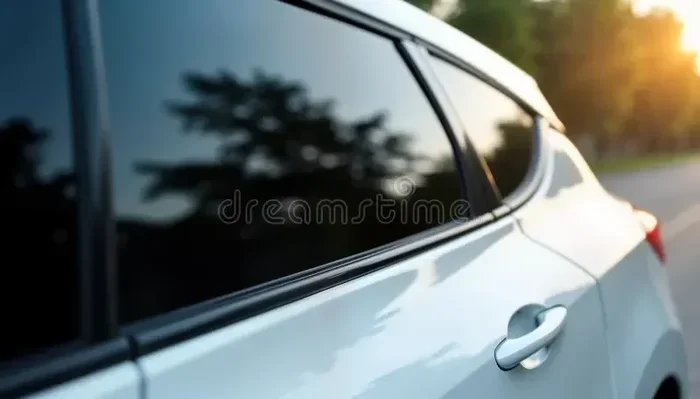
55 percent window tint is a popular choice for car owners who want a balance of style, comfort, and protection. It blocks a significant amount of solar heat and harmful UV rays while still allowing good visibility. This shade level is often legal in many states, making it a practical option for everyday drivers. In this guide, you will learn everything from benefits and laws to installation tips. Whether you are a first-timer or just curious, this 55 percent window tint guide covers it all.
So you have been hearing a lot about 55 percent window tint lately. Maybe you saw a car that looked sleek and cool, and you wondered what tint they used. Or perhaps you are tired of the blazing sun beating through your windshield every morning commute. Whatever the reason, you are in the right place. This guide will walk you through everything you need to know about 55 percent window tint in simple, easy-to-understand terms. By the end, you will know if this tint level is the right choice for your car.
Window tinting is not just about making your car look good. It is about comfort, protection, and even saving money on fuel. A 55 percent tint sits in a sweet spot that many car owners love. It is not too dark, and it is not too light. It gives you real benefits without crossing into legal trouble in most areas. Let us dive deep into what makes this tint level so popular.
Key Takeaways
- 55 Percent Window Tint offers a great balance between heat rejection and visibility for your vehicle.
- This tint level blocks up to 99 percent of harmful UV rays, protecting both your skin and your car interior.
- Laws vary by state, so always check your local window tinting regulations before installing.
- 55 percent tint is easier to install than darker shades and works well for beginners.
- The tint provides moderate privacy without making your car look overly dark.
- Expect to pay between $100 and $400 for professional automotive tint installation.
- 55 percent tint is ideal for people who want comfort and style without going too dark.
📑 Table of Contents
What Is 55 Percent Window Tint?
Understanding Tint Percentages
When people talk about window tint percentage, they are referring to the Visible Light Transmission, or VLT. VLT measures how much light the tint film lets through your car windows. A 55 percent tint means that 55 percent of visible light passes through the film. The remaining 45 percent gets blocked. This is why it is sometimes called a “light tint” or “mild tint.”
Think of it like sunglasses for your car. A 55 percent tint shade is like wearing light amber sunglasses. You can still see clearly, but the brightness feels more comfortable. Darker tints, like 5 percent or 20 percent, block much more light. They are great for privacy but can be harder to see through, especially at night.
How 55 Percent Tint Is Made
Tint film is made from multiple layers. The base layer is usually a thin polyester film. Manufacturers add dyes, metals, or ceramics to give the film its tinting properties. Some films also include a scratch-resistant coating on the outside. The quality of the film matters a lot. Cheap aftermarket tint may bubble or fade within a year or two. Higher-quality films can last ten years or more.
When you choose a 55 percent window tint, you are selecting a film that is designed to reject heat and block UV rays while keeping your view clear. The exact performance depends on the brand and type of film you pick. Ceramic films, for example, tend to perform better than dyed films in terms of heat rejection.
Benefits of 55 Percent Window Tint
Heat Rejection and Comfort
One of the biggest reasons people tint their windows is to reduce heat. A 55 percent tint can block a surprising amount of solar heat. On a hot summer day, your car interior can reach temperatures over 150 degrees Fahrenheit. Tinting your windows with a 55 percent window tint can lower that temperature significantly. This means your car feels cooler when you first get in, and your air conditioning does not have to work as hard.
Less heat also means less strain on your engine. When your AC system does not work overtime, you may notice a slight improvement in fuel economy. Over time, these small savings can add up. It is a win-win for your comfort and your wallet.
UV Protection for You and Your Car
Most quality tint films block up to 99 percent of harmful UV rays. This is a huge deal for your health. Prolonged exposure to UV rays through car windows can cause sunburn, premature skin aging, and even increase your risk of skin cancer. A 55 percent window tint gives you strong protection without making your car too dark.
Your car interior benefits too. UV rays are the main cause of fading and cracking in leather seats, dashboards, and trim. Over time, the sun can make your car look old and worn. Tinting your windows helps preserve the interior and keeps your car looking newer for longer. This is especially important if you have a luxury vehicle or plan to sell your car in the future.
Glare Reduction
Driving with glare can be dangerous and annoying. Whether it is the morning sun or the headlights of cars behind you at night, glare strains your eyes. A 55 percent tint reduces glare significantly, making your driving experience more comfortable and safer. You will feel less fatigued on long drives, and your eyes will thank you.
Privacy and Security
A 55 percent tint gives you a moderate level of privacy. People outside your car cannot easily see in, but you can still see out clearly. This is a great balance. It deters casual snoopers and adds a layer of security for your belongings. You do not have to worry about people staring into your car at the grocery store or the gym parking lot.
How 55 Percent Tint Compares to Other Tint Levels
Not all tints are the same. Different tint percentages serve different purposes. Let us compare 55 percent window tint with some other common options so you can see where it fits.
Comparison Table: Tint Levels at a Glance
| Tint Level | VLT | Heat Rejection | Privacy | Night Visibility | Common Use |
|---|---|---|---|---|---|
| 55 Percent Tint | 55% | Moderate | Moderate | Excellent | Everyday driving, comfort |
| 35 Percent Tint | 35% | Good | Good | Good | Style and comfort balance |
| 20 Percent Tint | 20% | High | High | Fair | Privacy and heat rejection |
| 5 Percent Tint | 5% | Very High | Very High | Poor | Custom look, limousines |
| No Tint (Stock) | 70-80% | None | None | Best | Factory windows |
As you can see, 55 percent window tint sits in the middle of the pack. It is lighter than most popular tint shades but still offers real benefits. If you want maximum visibility and are mainly looking for UV protection and slight comfort, 55 percent is a solid choice. If you want more privacy and heat rejection, you might consider going darker.
55 Percent vs. 35 Percent Tint
The difference between 55 percent and 35 percent tint comes down to how dark you want your windows. A 35 percent tint blocks more light, provides better privacy, and rejects more heat. However, it can reduce night visibility more than a 55 percent tint. Many drivers choose 55 percent for their front side windows and 35 percent for their rear windows. This combination gives them a stylish look while staying safe and legal.
55 Percent vs. 20 Percent Tint
A 20 percent tint is noticeably darker. It provides excellent heat rejection and strong privacy. But it can feel very dark at night, especially on unlit roads. For many drivers, 20 percent is too dark for the front side windows. A 55 percent window tint on the front and 20 percent on the rear is a very common and practical setup.
Legal Considerations and Tint Laws
Why Tint Laws Matter
Every state has its own window tinting regulations. These laws exist for safety reasons. Tinted windows can reduce visibility for the driver, especially at night or in poor weather. They can also make it harder for police officers to see inside your vehicle. This is why understanding your local tint laws is absolutely essential before you get your windows tinted.
General Rules for 55 Percent Tint
In most states, a 55 percent tint is legal on the front side windows. This is because it still allows a good amount of light to pass through. However, some states have stricter rules. For example, certain states require the front side windows to have a VLT of 70 percent or higher. In those states, a 55 percent tint on the front windows could get you pulled over.
Rear windows are usually less regulated. Many states allow darker tints on the back side windows and the rear windshield. But again, this varies widely. Some states require a dual side mirror setup if the rear window is tinted. Always do your research before you commit to a 55 percent window tint.
Medical Exemptions
Some states offer medical exemptions for automotive tint. If you have a condition that makes you sensitive to sunlight, you may be able to tint your windows darker than the legal limit. You will need a doctor’s prescription or letter. Check with your local Department of Motor Vehicles or highway patrol for the specific rules in your area.
Common Penalties for Illegal Tint
If you are caught driving with tint that is too dark, you could face a fine. In some states, you may be ordered to remove the tint. Repeat offenses can lead to higher fines and even points on your license. It is simply not worth the risk. Stick with legal tint percentages and enjoy your tint worry-free.
How to Install 55 Percent Window Tint
DIY Installation vs. Professional Installation
You have two main options when it comes to tint installation: doing it yourself or hiring a professional. Both have pros and cons. Let us break them down.
DIY Installation: You can buy tint film kits online for as little as $20 to $50. These kits come with instructions and all the tools you need. DIY installation saves money, but it requires patience and a steady hand. If you make bubbles or creases, you may need to redo the job. It is a good option for beginners who want to save cash and learn a new skill.
Professional Installation: A professional tint installer will do the job quickly and correctly. You can expect to pay between $100 and $400 for a full set of windows, depending on your vehicle and the quality of the film. Professional installation usually comes with a warranty, which gives you peace of mind. If you want the best results with no hassle, going pro is the way to go.
Step-by-Step Installation Process
If you decide to install the 55 percent window tint yourself, here is a quick overview of the process:
- Clean your windows thoroughly with a glass cleaner and a lint-free cloth. Remove all dirt, grease, and debris.
- Measure your window and cut the tint film slightly larger than the glass.
- Spray the window with a soapy water solution. This allows the film to slide into position.
- Apply the film to the wet glass, starting from one edge and smoothing it out with a squeegee.
- Use a heat gun or hair dryer to shrink the film to fit the curved edges of the window.
- Trim any excess film with a sharp utility knife.
- Let the tint cure for at least 24 to 48 hours before rolling down the windows.
It sounds simple, but the curing process is crucial. If you roll down your windows too early, the tint can peel or shift. Be patient and let it set properly.
Quick Tips for a Perfect Tint Job
- Work in a dust-free, shaded area. Direct sunlight can cause the film to dry too fast and create bubbles.
- Use a quality tint application solution. Cheap soap can leave residue that affects the film adhesion.
- Take your time with the squeegee. Push all the water and air bubbles out toward the edges.
- Buy a tint installation kit that includes a heat gun, squeegee, and cutting tools. Having the right tools makes a big difference.
- If you make a mistake, do not panic. You can usually lift the film and reapply it while it is still wet.
Is 55 Percent Window Tint Right for You?
Who Should Choose 55 Percent Tint?
A 55 percent window tint is ideal for several types of drivers. If you drive a lot during the day and want relief from the sun, this tint level works great. It is also a good choice if you live in a state with strict tint laws and need to stay on the legal side. New car owners, daily commuters, and families often prefer 55 percent because it balances style with safety.
If you want a subtle upgrade to your car’s appearance without going too dark, 55 percent tint is a perfect pick. It gives your vehicle a polished, refined look. Your car will stand out just enough without looking overdone.
Who Might Want a Different Shade?
On the other hand, if you are looking for maximum heat rejection and privacy, you might want to go darker. A 35 percent or 20 percent tint would be a better fit. Similarly, if you prioritize night visibility above all else, a lighter tint like 55 percent is a smart choice. The right shade depends on your personal priorities and driving conditions.
Cost Expectations
The cost of a 55 percent window tint varies based on several factors. The type of film, the number of windows, and whether you go DIY or professional all play a role. Here is a rough breakdown:
- DIY Kit: $20 to $80 for a full set of windows.
- Professional Installation (Basic Film): $100 to $250.
- Professional Installation (Premium Ceramic Film): $250 to $400 or more.
Remember, cheaper is not always better. A low-quality tint film may fade, bubble, or peel within a year. Investing in a higher-quality film and professional installation will give you better long-term results.
Maintenance Tips for Your Tinted Windows
Taking care of your 55 percent window tint will help it last longer and look better. Here are a few simple maintenance tips:
- Wait at least 48 hours before rolling down your windows after installation.
- Clean your tinted windows with a soft cloth and a non-ammonia cleaner. Ammonia can break down the tint film over time.
- Avoid using abrasive cleaners or rough sponges. They can scratch the film.
- If you notice small bubbles, they usually disappear on their own within a few weeks as the film cures.
- If bubbles persist or the film peels, contact your installer for a warranty claim or touch-up.
Conclusion
55 percent window tint is a fantastic option for car owners who want the best of both worlds. It offers solid heat rejection, excellent UV protection, and good glare reduction without sacrificing visibility or breaking the law in most areas. Whether you are a first-time tint buyer or someone looking for a lighter shade, this tint level delivers real value. It keeps you comfortable, protects your car interior, and gives your vehicle a polished, attractive look.
Now that you have all the information you need, you can make a confident decision about your 55 percent window tint. Consider your local laws, your driving habits, and your personal style. Choose a quality film and a reliable installer, and you will enjoy the benefits for years to come. Your car, your skin, and your comfort will all thank you. Go ahead and give your car the upgrade it deserves.
Frequently Asked Questions
Can I put 55 percent tint on all my car windows?
In most states, yes. A 55 percent tint is generally legal for front side windows across the country. However, rear windows and the windshield have different rules depending on your state. Always check your local window tinting regulations before tinting any window.
Does 55 percent tint block UV rays?
Yes. Most quality tint films rated at 55 percent VLT block up to 99 percent of harmful UV rays. This level of protection is excellent for your skin and helps prevent your car interior from fading and cracking over time.
How long does 55 percent window tint last?
With proper care and a quality film, a 55 percent window tint can last anywhere from five to ten years. Ceramic and metallic films tend to outlast dyed films. Professional installation also contributes to a longer lifespan.
Will 55 percent tint affect my night driving?
Not significantly. A 55 percent tint is light enough that it should not cause major issues at night. You will still have clear visibility, though very dark roads may appear slightly dimmer than with untinted windows.
Can I roll down my windows right after tinting?
No. You should wait at least 48 hours, and some installers recommend waiting up to a week. Rolling down your windows too early can cause the tint to peel, shift, or develop creases. Patience is key to a long-lasting tint job.
Is 55 percent tint the same as factory tint?
Not exactly. Factory tint on most new cars has a VLT of around 70 to 80 percent. A 55 percent window tint is darker than most factory tint but still lighter than many aftermarket options. It provides more heat and UV protection than stock windows while maintaining good visibility.