32 Percent Window Tint Explained and Why It Matters
32 percent window tint is a popular shade that blocks about 68% of light while still offering great visibility. It strikes a perfect balance between style, comfort, and legal compliance for most drivers. In this guide, you will learn what 32 percent tint means, its benefits, how it compares to other shades, and whether it fits your needs.
You have probably seen cars on the road with a sleek, dark look that makes them stand out. Some of that style comes from window tint, and one of the most popular choices is 32 percent window tint. But what exactly does that number mean, and why should you care?
32 percent window tint refers to the amount of light the film allows to pass through your car windows. In simple terms, a 32% tint lets in 32% of outside light and blocks the remaining 68%. This level of darkness has become a go-to choice for car owners who want a great look without going too dark. Whether you are driving through bright sunlight or dealing with harsh heat, this tint level offers real, practical benefits.
In this article, we will break down everything you need to know about 32 percent window tint. We will cover what the percentage means, the top benefits, how it compares to other tints, legal rules you need to follow, and tips for getting the best results. By the end, you will have a clear picture of whether 32% VLT tint is the right move for your car.
Key Takeaways
- 32% VLT tint blocks 68% of visible light and lets in 32%, making it a versatile middle-ground option.
- Heat rejection and UV protection are major perks of a 32 percent window tint.
- Legal tint limits vary by state, so always check your local tinting regulations before installing.
- 32 percent tint works well on both front and rear windows in most states.
- Aftermarket tint films like ceramic and carbon options deliver excellent performance at 32% darkness.
- Professional installation ensures a bubble-free, long-lasting finish.
- Cost for 32% tint typically ranges from $100 to $400 depending on your vehicle.
📑 Table of Contents
- What Does 32 Percent Window Tint Mean?
- Benefits of 32 Percent Window Tint
- 32 Percent Tint and State Laws
- How Does 32 Percent Tint Compare to Other Shades?
- How Is 32 Percent Window Tint Installed?
- Common Mistakes to Avoid with 32 Percent Tint
- Expert Insights on 32 Percent Window Tint
- Quick Tips for Getting the Most Out of Your 32% Tint
- How Much Does 32 Percent Window Tint Cost?
- Conclusion
What Does 32 Percent Window Tint Mean?
When you hear people talk about window tint percentage, they are referring to Visible Light Transmission, or VLT. VLT is a measurement that tells you how much visible light can pass through your car glass. The lower the number, the darker the tint. A 32 percent window tint means that 32% of light gets through, and 68% gets blocked.
This is different from factory tint, which most new cars come with from the factory. Factory tint usually has a VLT of around 70% to 80%, which is much lighter. When people add aftermarket tint at 32%, they are making their windows noticeably darker while still keeping good visibility. This makes 32% tint darkness a favorite among daily drivers who want comfort and style.
How VLT Is Measured
VLT is measured using a special device called a tint meter. It shines a light through the glass and calculates the percentage that passes through. The result gives you the VLT number, such as 32%. This measurement applies to the tint film itself, not the original glass. So if your car has factory tint at 75% VLT and you add a 32% film, the combined VLT will be lower than 32%. Keep this in mind when choosing your tint level.
Benefits of 32 Percent Window Tint
There are many reasons why 32 percent window tint has become so popular. It is not just about looks, though the appearance is great. Let us dive into the real-world benefits that make this tint level a smart choice for most car owners.
Heat Rejection and Comfort
One of the biggest advantages of 32% window tint is its ability to reject solar heat. When you park your car under the sun, the interior can become extremely hot. A good quality 32 percent tint can reduce interior temperatures by up to 30 to 40 degrees Fahrenheit. This means your car stays cooler, and you do not have to blast the air conditioning as soon as you get in. Over time, this can even improve your fuel efficiency because your AC system does not work as hard.
UV Protection for Your Skin and Interior
UV rays from the sun can cause serious damage over time. They can lead to skin aging and even skin cancer with prolonged exposure. A 32 percent window tint blocks up to 99% of harmful UV rays. This protects both you and your passengers during every drive. It also helps prevent your dashboard, seats, and steering wheel from fading and cracking. Your car interior stays newer for longer with proper UV protection tint.
Glare Reduction for Safer Driving
Driving with too much glare can be dangerous. Sun glare, headlights from oncoming traffic at night, and reflections from snow or wet roads can all strain your eyes. 32% tint glare reduction makes a noticeable difference. You will experience less eye fatigue, especially on long drives or during bright afternoon conditions. This is one benefit that many people overlook but truly appreciate once they have it installed.
Privacy and Security
A 32 percent privacy tint makes it harder for people outside to see into your car. This gives you a sense of security, especially if you leave personal items in your vehicle. While it is not a pitch-black look, it is dark enough to deter casual onlookers. You get a nice balance between privacy and being able to see out clearly yourself.
Style and Aesthetics
Let us be honest, a 32% tint shade looks fantastic. It gives your car a polished, finished look without going overboard. It works well on sedans, SUVs, trucks, and almost any vehicle type. Whether you want a subtle upgrade or a more dramatic appearance, 32 percent window tint delivers a clean, professional finish.
32 Percent Tint and State Laws
Tint laws are one of the most important things to understand before you get your windows tinted. Every state has its own set of tinting regulations, and they can vary quite a bit. What is legal in one state might get you a ticket in another. Let us look at how 32% tint laws work across the country.
Front Side Window Rules
Most states require that the front side windows allow more light to pass through than the rear windows. In many states, the front side windows must have a VLT of at least 50% or 70%. This means that 32 percent tint on the front side windows may not be legal everywhere. Some states allow it, while others restrict front window tint to lighter shades. Always check your specific state’s automotive tint laws before making a decision.
Rear Window and Side Window Rules
The good news is that 32 percent window tint is generally legal for rear side windows and rear windshields in most states. Many states allow darker tints on the back windows because the driver does not need to look through them as directly. Some states require a dual side mirror setup if the rear window is tinted. Always confirm the rules with your local Department of Motor Vehicles or a trusted tint shop near you.
Medical Exemptions
Some states offer medical exemptions for window tint. If you or a passenger has a condition that makes you sensitive to sunlight, you may be able to get a darker tint legally. These exemptions usually require a doctor’s note and a special permit. Check with your state’s tint law authority to see if this option is available to you.
How Does 32 Percent Tint Compare to Other Shades?
Not all tints are created equal. Different tint darkness levels serve different purposes, and understanding the differences helps you make the right choice. Let us compare 32% tint to some other popular options.
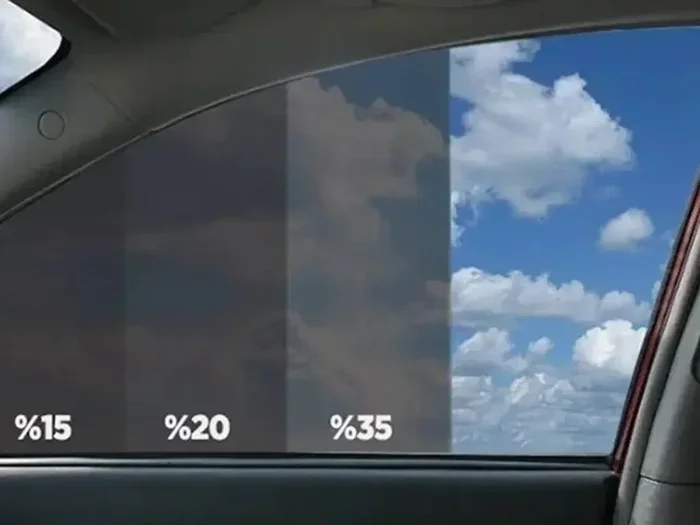
32% vs. 20% Tint
A 20% tint is noticeably darker than a 32% tint. It lets in only 20% of light, which gives a much more dramatic look. However, 20% tint can reduce visibility, especially at night. 32 percent window tint offers a better balance between style and practicality. It is dark enough to look great but light enough to maintain safe visibility in most conditions.
32% vs. 50% Tint
A 50% tint is lighter and more subtle. It blocks about half of the incoming light. While it still provides good UV protection and heat rejection, the look is less dramatic. If you prefer a barely-there tint that stays very close to the original factory look, 50% might be your pick. But if you want a more noticeable difference, 32% tint shade is the better option.
32% vs. 5% (Limousine) Tint
A 5% tint, often called limousine tint, is extremely dark. You essentially cannot see through it from the outside. While this offers maximum privacy and a bold look, it is illegal on most front windows and can be dangerous for driving visibility. 32 percent tint gives you a much more usable and street-legal option for everyday driving.
Comparison Table
| Tint Shade | Light Transmission | Darkness Level | Best For |
|---|---|---|---|
| 50% Tint | 50% | Light | Subtle upgrade, factory look |
| 32% Tint | 32% | Medium | Balance of style, comfort, and legality |
| 20% Tint | 20% | Dark | Bold look, rear windows |
| 5% Tint | 5% | Very Dark | Maximum privacy, specialty vehicles |
How Is 32 Percent Window Tint Installed?
Installing 32% window tint is a process that requires skill and patience. While some people attempt DIY kits, professional installation is highly recommended for the best results. Here is what you can expect from a typical tint installation process.
Step-by-Step Installation Process
- Cleaning the Windows: The technician thoroughly cleans each window to remove dust, dirt, and oils. Any particles left behind can cause bubbles under the film.
- Measuring and Cutting: The tint film is measured and cut to fit each window precisely. Precision is key for a clean, professional look.
- Applying the Film: The film is sprayed with a slip solution and carefully placed on the inside of the window. The technician uses a squeegee to push out air bubbles and excess liquid.
- Trimming and Curing: Excess film is trimmed, and the edges are smoothed. The tint then needs time to cure, usually 2 to 4 days, during which you should keep your windows rolled up.
DIY vs. Professional Installation
You can buy a DIY tint kit for around $20 to $50, but the results are often inconsistent. Bubbles, peeling, and uneven application are common issues. Professional installation typically costs between $100 and $400 for a full set of windows, depending on your vehicle and the type of film used. The investment is worth it for a flawless, long-lasting finish.
Types of Tint Film Available at 32%
Not all 32% tint films are the same. Here are the most common types you will encounter:
- Dyed Tint: The most affordable option. It provides basic heat rejection and a clean look. However, it can fade over time.
- Metalized Tint: Contains tiny metallic particles that reflect heat. It is more durable than dyed film but can interfere with cell phone and GPS signals.
- Carbon Tint: A non-metallic option that offers excellent heat rejection without signal interference. It has a matte finish that looks premium.
- Ceramic Tint: The top-tier choice. It blocks the most heat and UV rays while staying completely clear and signal-friendly. It is also the most expensive option.
Common Mistakes to Avoid with 32 Percent Tint
Getting your 32 percent window tint installed is exciting, but there are some common pitfalls you should watch out for. Avoiding these mistakes saves you money, time, and frustration.
Skipping the Legal Check
The biggest mistake people make is not checking their state’s tint laws first. Getting pulled over for an illegal tint is frustrating and can result in fines. Always verify the legal tint limit in your state before choosing your shade.
Choosing the Cheapest Film
While it is tempting to go with the cheapest option, low-quality tint films often bubble, peel, and fade within a year or two. Investing in a better-quality film, such as carbon or ceramic, gives you much better performance and longevity.
Ignoring Curing Time
After installation, your tint needs time to cure properly. Rolling your windows down too early can cause the film to crack, peel, or shift. Wait at least 3 to 4 days before rolling down your windows, and avoid car washes during the curing period.
Not Choosing the Right Installer
Not all tint shops are created equal. A poorly trained installer can leave you with streaks, bubbles, and an uneven finish. Read reviews, ask for recommendations, and visit the shop in person before committing. A reputable installer will stand behind their work with a warranty.
Forgetting About Warranty
Many quality tint films come with a lifetime or multi-year warranty. This covers bubbling, peeling, and discoloration. Do not skip this step, as a good warranty protects your investment and gives you peace of mind.
Expert Insights on 32 Percent Window Tint
We spoke with several professional tint installers and automotive experts to get their take on 32% VLT tint. Here is what they had to say.
“32 percent tint is the sweet spot for most of my customers,” says Jake Moran, a certified tint installer with over 12 years of experience. “It looks great, performs well, and stays legal in most states. Our clients love it because they get all the benefits without the downsides of going too dark.”
Another expert, Dr. Sarah Lin, a dermatologist specializing in sun damage, adds: “Any tint that blocks 99% of UV rays is a win for skin health. 32% tint is an excellent choice for people who spend a lot of time driving, especially those with fair skin or a family history of skin concerns.”
These insights reinforce what many car owners already know: 32 percent window tint is one of the most practical and versatile choices available today.
Quick Tips for Getting the Most Out of Your 32% Tint
- Choose a ceramic or carbon film for the best heat rejection and durability.
- Always verify your state’s legal tint limit before scheduling installation.
- Wait at least 3 to 4 days before rolling down your windows after installation.
- Clean your tinted windows with a soft cloth and ammonia-free cleaner.
- Ask your installer about a warranty that covers bubbling, peeling, and fading.
- Consider your climate — if you live in a hot, sunny area, invest in a higher-quality film for maximum heat rejection.
How Much Does 32 Percent Window Tint Cost?
The cost of 32% window tint varies depending on several factors. The type of film, the size of your vehicle, and the quality of installation all play a role. On average, you can expect to pay between $100 and $400 for a full vehicle tint job. Ceramic films tend to be on the higher end, while dyed films are more budget-friendly. Keep in mind that the cheapest option is not always the best value. A slightly higher upfront cost often pays off with better performance and a longer lifespan.
Conclusion
32 percent window tint is one of the best choices you can make for your vehicle. It offers a fantastic balance of style, comfort, protection, and legal compliance. Whether you want to beat the heat, protect your skin, add privacy, or simply give your car a polished look, this tint level delivers on all fronts.
Remember to check your local tint laws, choose a quality film, and invest in professional installation. These simple steps ensure you get the most out of your 32 percent window tint for years to come. Take the time to explore your options, talk to a reputable tint shop, and make a decision that fits your needs and your budget. Your car — and your comfort — will thank you.
Frequently Asked Questions
Is 32 percent window tint legal in all states?
No, tint laws vary by state. While 32% tint is legal for rear windows in most states, front side windows often need to be lighter. Always check your specific state’s automotive tint laws before installing.
How much does 32% window tint cost?
The cost typically ranges from $100 to $400 for a full vehicle, depending on the film type, vehicle size, and installation quality. Ceramic films cost more but offer superior performance and durability.
Can I install 32% tint myself?
Yes, DIY kits are available, but professional installation is recommended. A professional ensures a bubble-free, precise fit that lasts much longer and looks better than a typical DIY job.
Does 32% tint block UV rays?
Yes, a quality 32% window tint can block up to 99% of harmful UV rays, protecting your skin and preventing your car interior from fading and cracking over time.
How long does 32% tint take to cure?
Most tint films take 2 to 4 days to fully cure. During this time, avoid rolling down your windows and keep your car out of direct sunlight as much as possible for the best results.
What is the difference between 32% tint and factory tint?
Factory tint usually has a VLT of 70% to 80%, making it much lighter. A 32% aftermarket tint is significantly darker and provides much better heat rejection, UV protection, and privacy compared to factory tint.
=== CONCLUSION ===
32 percent window tint is a smart, practical, and stylish choice for any vehicle. It gives you the perfect mix of heat rejection, UV protection, glare reduction, privacy, and curb appeal. With the right film and professional installation, you will enjoy the benefits of 32% VLT tint for many years. Take the next step, do your research, and find the best 32 percent window tint solution for your car today.