Can Your Toyota Still Run Without a Catalytic Converter
Yes, your Toyota can physically run without a catalytic converter, but it comes with serious trade-offs. Removing this component will trigger engine codes, reduce fuel efficiency, and likely cause your vehicle to fail emissions testing. The Toyota catalytic converter plays a vital role in cleaning exhaust gases and keeping your engine running smoothly.
Have you ever wondered whether your Toyota can actually run without a catalytic converter? Maybe you have been hearing about converter theft on the news, or perhaps your check engine light just came on and you are worried about the cost of a replacement. Either way, this is a question that a lot of Toyota owners ask, and the answer is more complicated than you might think.
The short answer is yes, a Toyota can physically run without a catalytic converter. The engine will still fire, the wheels will still turn, and you can still drive to the store. But the longer answer involves a lot of important details you need to know. Your Toyota catalytic converter is not just an extra piece of metal bolted to the exhaust system. It is a critical component that affects emissions, engine performance, fuel economy, and even whether your car passes a state inspection.
In this article, we will walk through everything you need to know about driving a Toyota without a catalytic converter. We will cover what the converter does, what happens when it is removed, the legal implications, replacement costs, and how to tell if yours is going bad. Whether you are dealing with a stolen converter or just curious about what happens if you bypass one, you will find the answers here.
Key Takeaways
- A Toyota can run without a catalytic converter: The engine will still ignite and operate, but performance will suffer significantly.
- Check engine lights and error codes will appear: Removing the converter disrupts the oxygen sensor readings and ECU calculations.
- Fuel efficiency drops noticeably: Without proper exhaust flow management, your Toyota burns more gas than it should.
- It is illegal in most states: Removing or deleting a catalytic converter violates federal and state emissions laws.
- Converter theft is a growing problem: Toyota models are increasingly targeted due to accessible undercarriage positioning.
- Replacement costs vary widely: OEM converters can cost several hundred to over a thousand dollars depending on the Toyota model.
- You can still drive short distances: But extended driving without a converter risks damaging other engine components over time.
📑 Table of Contents
- What Does a Catalytic Converter Do in a Toyota?
- What Happens When You Remove the Catalytic Converter?
- Can a Toyota Actually Run Without One?
- How to Tell if Your Toyota Catalytic Converter Is Failing
- Is It Legal to Remove or Delete a Catalytic Converter?
- Toyota Catalytic Converter Replacement Cost and Prevention
- Final Thoughts on Running a Toyota Without a Catalytic Converter
What Does a Catalytic Converter Do in a Toyota?
Before you can understand what happens without one, it helps to know what the catalytic converter actually does. Think of it as the cleaner for your Toyota’s exhaust system. Every time your engine burns fuel, it produces harmful gases like carbon monoxide, nitrogen oxides, and hydrocarbons. These are nasty pollutants that are bad for the environment and for people’s health.
The catalytic converter uses a combination of heat and precious metals like platinum, palladium, and rhodium to chemically transform these harmful gases into less dangerous substances. Carbon monoxide becomes carbon dioxide, nitrogen oxides break down into nitrogen and oxygen, and unburned hydrocarbons get converted into water vapor and carbon dioxide.
How It Connects to the Oxygen Sensor
Your Toyota’s catalytic converter works hand in hand with the oxygen sensor. This sensor measures how much oxygen is left in the exhaust gases after they pass through the converter. The data gets sent to the engine control unit, or ECU, which then adjusts the air fuel mixture to keep your engine running at peak efficiency.
When the catalytic converter is working properly, this whole system stays balanced. The oxygen sensor reads the exhaust, the ECU makes adjustments, and your Toyota runs smoothly. Remove the converter, and this entire feedback loop gets thrown off balance.
What Happens When You Remove the Catalytic Converter?
Some Toyota owners consider removing the catalytic converter to gain a bit of horsepower or improve exhaust flow. While there is a slight increase in exhaust flow, the downsides far outweigh any minor performance gains. Here is what actually happens when you take the converter out of the equation.
Engine Light and Error Codes
The very first thing you will notice is the check engine light. Without a catalytic converter, the oxygen sensors read abnormal exhaust levels. The ECU detects this mismatch and throws error codes. Depending on your Toyota model, you might see codes related to catalyst efficiency, oxygen sensor readings, or air fuel ratio imbalances.
If you are already dealing with engine codes and wondering whether you can still drive safely, check out our guide on Can I Still Drive With a P0171 Code for helpful context on driving with warning lights.
Reduced Fuel Efficiency
Without the catalytic converter regulating the exhaust stream, your Toyota’s ECU struggles to maintain the correct air fuel mixture. The engine tends to run rich, meaning it burns more fuel than necessary. Over time, this adds up at the gas pump. Owners have reported losing anywhere from 5 to 15 percent in fuel economy after removing their converter.
Rough Idle and Poor Acceleration
Many Toyota owners notice a rough idle or sluggish acceleration after converter removal. The exhaust back pressure changes, which affects how the engine breathes. Some people describe a popping sound or a slightly rougher ride, especially at low speeds. The engine does not rev as smoothly, and the overall driving experience takes a noticeable dip.
Increased Harmful Emissions
This is the most important point. Without a catalytic converter, your Toyota is dumping unfiltered exhaust gases directly into the atmosphere. The levels of carbon monoxide, hydrocarbons, and nitrogen oxides increase dramatically. This is not only terrible for the environment but also dangerous for anyone breathing the exhaust fumes, including you and your passengers.
Can a Toyota Actually Run Without One?
Let us get to the heart of the question. Can your Toyota still run without a catalytic converter? The answer is yes, it absolutely can. The engine does not need the catalytic converter to ignite fuel, compress air and fuel mixtures, or generate power. The combustion process happens inside the engine cylinders, not in the exhaust system.
That said, just because it can run does not mean it should run without one for long. Here are the practical realities of driving a Toyota without a catalytic converter.
Short Distance Driving
If your catalytic converter was stolen and you need to drive to the nearest mechanic, you can do so safely in most cases. Short drives at moderate speeds will not cause immediate damage to your engine. You might notice the check engine light is on, and the exhaust will smell much stronger, but the engine itself will function.
However, you should not make a habit of this. Extended driving without a converter can cause the engine to run poorly, which over time can lead to other problems like damaged oxygen sensors or even issues with the exhaust manifold.
Highway and Long Distance Driving
Driving long distances without a catalytic converter is not recommended. The sustained high RPM operation without proper exhaust flow management puts extra stress on the engine. The ECU constantly tries to compensate for the missing converter, which can lead to overheating of other components. In hot weather, your Toyota might even overheat on a hot day more easily without the exhaust system working as designed.
Impact on the ECU and Sensor Systems
Modern Toyotas rely heavily on sensor data to operate efficiently. The ECU makes thousands of calculations per second based on input from the oxygen sensors, mass airflow sensor, and other components. When the catalytic converter is missing, the oxygen sensors send erratic readings. The ECU tries to compensate, but it cannot fix a problem that is rooted in a missing hardware component.
Over time, these constant compensations can wear out the ECU and other electronic components. It is like asking your car’s computer to work overtime every single time you turn the key.
How to Tell if Your Toyota Catalytic Converter Is Failing
Catalytic converters do not just disappear. They wear out over time, and there are clear signs that yours is going bad. Catching these symptoms early can save you from a more expensive repair down the road.
Common Warning Signs
- Check engine light: This is the most common early warning. Your ECU detects inefficiency in the catalytic converter and flags it immediately.
- Rotten egg smell: A sulfur or rotten egg odor from the exhaust means the converter is not properly processing exhaust gases.
- Reduced acceleration: If your Toyota feels sluggish when you press the gas pedal, a clogged converter could be restricting exhaust flow.
- Dark exhaust smoke: Unusual smoke color, especially black or dark gray, can indicate that the converter is not doing its job.
- Failed emissions test: If your Toyota fails a smog test or emissions inspection, the catalytic converter is often the culprit.
- Rattling noise: A rattling sound from underneath the car, especially when idling, can mean the internal honeycomb structure of the converter has broken apart.
What Causes Converter Failure
Several factors can shorten the life of a Toyota catalytic converter. Engine misfires are a leading cause because unburned fuel enters the exhaust system and overheats the converter. Oil or coolant leaks can also contaminate the converter and cause it to fail prematurely. In some cases, a bad temperature sensor can cause overheating issues that damage the converter over time. Normal wear and tear also plays a role, with most converters lasting between 70,000 and 100,000 miles under normal driving conditions.
Is It Legal to Remove or Delete a Catalytic Converter?
The short answer is no, it is not legal in most cases. The catalytic converter is a federally mandated emissions control device. Removing it violates the Clean Air Act in the United States, and most states have their own additional laws that mirror or strengthen this federal requirement.
State and Federal Laws
At the federal level, removing or tampering with a catalytic converter can result in fines of up to $2,500 per violation. Many states enforce even stricter penalties. For example, California has some of the toughest emissions laws in the country, and a missing converter will absolutely fail a smog check. Other states also require periodic emissions testing, and a Toyota without a converter will not pass.
Exceptions and Special Cases
There are very few exceptions. Some older vehicles that predate catalytic converter requirements might be exempt, but most Toyotas on the road today were built with converters and must keep them. Off-road vehicles used exclusively on private property might have some flexibility, but driving on public roads without a converter is illegal almost everywhere.
If you are considering removing your converter, it is worth noting that the legal risks are significant. Beyond fines, you could also face issues with vehicle registration and insurance coverage if your car is found to be non-compliant with emissions standards.
Toyota Catalytic Converter Replacement Cost and Prevention
If your catalytic converter has failed or been stolen, you are probably wondering how much it will cost to replace. The answer depends on several factors, including your Toyota model, the type of converter, and where you live.
OEM vs Aftermarket Converters
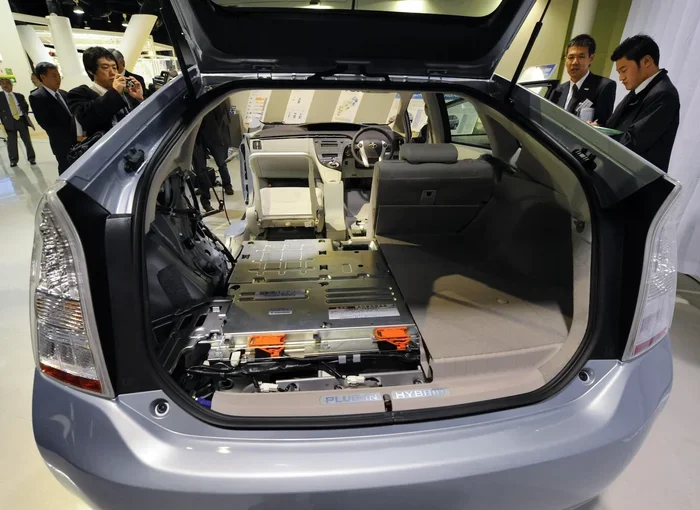
OEM (original equipment manufacturer) converters are the most expensive option, typically ranging from $500 to $2,000 or more depending on the Toyota model. Aftermarket converters are cheaper, often between $200 and $800, but they may not meet the same quality standards or last as long. For Toyota hybrid models, the cost can be higher because the converter is integrated into a more complex exhaust system.
Why Toyota Converters Get Stolen
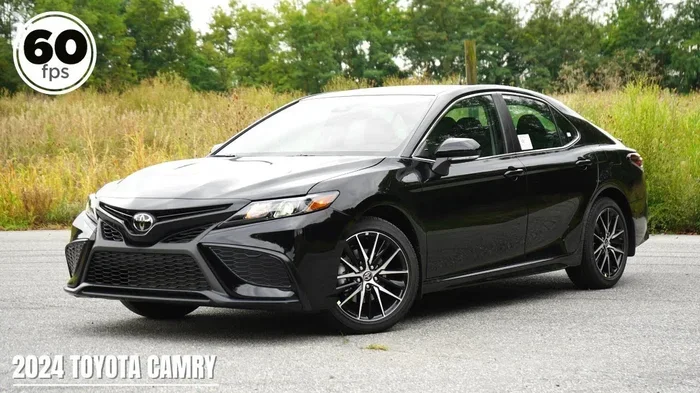
Catalytic converter theft has become a major problem across the country. Thieves target Toyota vehicles because the converters are relatively easy to access underneath the car. The precious metals inside the converter, especially rhodium and platinum, can sell for hundreds of dollars on the black market. Popular targets include the Toyota Prius, Toyota Camry, and Toyota RAV4.
If you own a Toyota hybrid, you may want to learn more about Can You Charge a Hybrid Car to understand more about your hybrid system and how it relates to the exhaust and emissions components.
Tips to Prevent Theft
- Install a converter shield: Metal cages or shields can make it much harder for thieves to access your converter.
- Park in well-lit areas: Thieves prefer dark, secluded spots. Parking in a garage or well-lit lot reduces your risk.
- Use anti-theft bolts: Special bolts that require unique tools make it harder for someone to quickly remove your converter.
- Engrave your VIN: Some owners engrave their vehicle identification number on the converter, which helps law enforcement track stolen parts.
- Consider security cameras: A visible camera near your parking spot can deter thieves from targeting your vehicle.
When to Replace vs Repair
Sometimes a catalytic converter can be cleaned or repaired rather than replaced entirely. High-quality catalytic converter cleaners can help break down carbon deposits that are restricting exhaust flow. However, if the converter is physically damaged, melted, or has a broken internal structure, replacement is the only real option. Trying to drive with a severely damaged converter can cause further engine damage and will certainly cause your Toyota to fail any emissions testing.
Final Thoughts on Running a Toyota Without a Catalytic Converter
So, can your Toyota still run without a catalytic converter? Yes, it can. The engine will fire, the car will move, and you can get from point A to point B. But should you do it? Absolutely not, unless it is a temporary emergency situation.
Your Toyota catalytic converter is a vital part of the emissions system. It keeps your engine running efficiently, protects the environment, and keeps your Toyota compliant with legal requirements. Removing it leads to worse fuel economy, engine codes, rough performance, and potential legal trouble.
If your converter has been stolen, replace it as soon as possible. If it is failing, do not ignore the warning signs. Addressing the problem early will save you money and headaches in the long run. Your Toyota was engineered to run with a properly functioning catalytic converter, and it will perform best when all of its systems are intact and working together.
Take care of your Toyota’s exhaust system, and it will take care of you. Keep up with regular maintenance, watch for the warning signs of converter failure, and never underestimate the importance of this small but mighty component under your car.
Frequently Asked Questions
Can I drive my Toyota with a check engine light related to the catalytic converter?
You can drive short distances with the check engine light on, but you should get the issue diagnosed as soon as possible. A glowing check engine light related to the catalytic converter usually means the converter is not working efficiently, which can lead to worse fuel economy and potential engine damage if ignored.
How long can I drive my Toyota without a catalytic converter?
You can drive a short distance to a repair shop, but extended driving without a converter is not recommended. The engine will run rich, emissions will be uncontrolled, and you risk damaging other components like the oxygen sensors and exhaust manifold over time.
Will removing the catalytic converter make my Toyota faster?
The performance gain is minimal at best. Some owners report a slight improvement in exhaust flow and a marginally smoother sound, but the loss of fuel efficiency, check engine light, and rough idle usually outweigh any perceived benefit.
Why do people steal Toyota catalytic converters?
Toyota catalytic converters contain precious metals like rhodium, platinum, and palladium that are valuable on the scrap market. Toyota models are also targeted because the converters are easy to access underneath the vehicle, making theft quick and low-risk for criminals.
Can a Toyota pass emissions without a catalytic converter?
No, in almost all cases a Toyota will fail an emissions test without a functioning catalytic converter. The test measures the level of harmful gases in the exhaust, and without the converter, those levels will be far too high to pass.
What is the average cost to replace a Toyota catalytic converter?
Replacement costs typically range from $500 to $2,000 for most Toyota models. OEM converters are more expensive but tend to last longer and meet manufacturer specifications. Aftermarket options are cheaper but may vary in quality and durability.