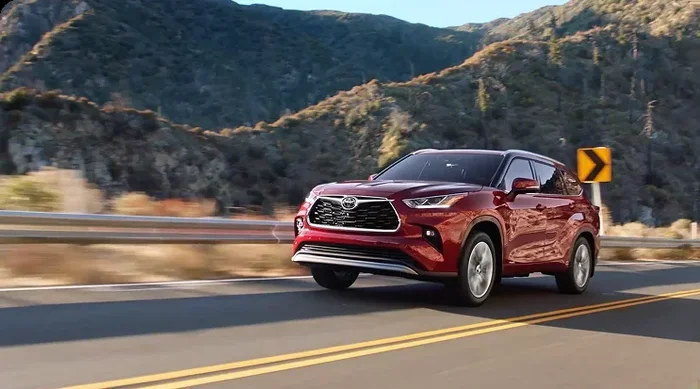
Can a Highlander Last 300 Thousand Miles on Average
The Toyota Highlander is one of the most reliable SUVs on the road, and many owners report reaching 300,000 miles or more with proper care. Regular maintenance, timely fluid changes, and addressing small issues early are the keys to unlocking this kind of lifespan. Whether you drive a gas or hybrid model, understanding what wears out first will help you plan and budget for the long haul.
This is a comprehensive guide about Can a Highlander Last 300.
Key Takeaways
- 300K Is Achievable: With consistent maintenance, a Toyota Highlander can absolutely last 300,000 miles or more.
- Timing Chain Matters: The Highlander’s timing chain is designed for longevity, but it still needs monitoring. Learn if a timing chain can last 300 miles here.
- Transmission Longevity: The CVT and traditional automatic transmissions in Highlanders are built tough. Find out if a CVT can last 300,000 miles in our detailed guide.
- Hybrid Battery Life: Highlander Hybrid batteries often last 150,000-200,000 miles before needing replacement.
- Maintenance Is Everything: Staying on top of oil changes, coolant flushes, and brake services makes all the difference.
- Common Issues Are Manageable: Problems like coolant leaks and sensor failures are fixable and don’t have to end your Highlander’s life.
[FEATURED_IMAGE_PLACEHOLDER]
The Toyota Highlander has been a favorite among families and commuters for over two decades. It offers a perfect blend of space, comfort, and reliability. But one question keeps coming up from buyers and current owners alike: can a Highlander last 300 thousand miles on average? The short answer is yes. The longer answer involves understanding what keeps this SUV running strong and what can shorten its lifespan if ignored.
In this deep dive, we will explore everything you need to know about Highlander longevity. From engine durability to common maintenance pitfalls, we have got you covered. Whether you are buying a used Highlander with 150,000 miles or planning to keep your current one for life, this guide will give you the honest answers you are looking for.
Understanding the Toyota Highlander’s Reputation for Longevity
Toyota has built a reputation for building vehicles that simply do not quit. The Highlander sits right in the sweet spot of the brand’s lineup. It is not a sports car that gets abused on weekends. It is a family SUV that gets driven reliably, day after day. And that kind of use is actually ideal for long-term durability.
When we talk about Toyota Highlander longevity, we are not just guessing. There is real data from owners, forums, and automotive studies that back this up. Many Highlander owners report crossing the 250,000-mile mark without major issues. Some have even pushed past 300,000 miles and are still driving strong.
What Makes the Highlander So Durable?
Several factors contribute to the Highlander’s impressive lifespan. First, Toyota uses overbuilt components in many of its vehicles. The engines are designed with a margin of safety that goes beyond what most drivers will ever need. Second, Toyota’s engineering philosophy favors simplicity over complexity. Fewer moving parts means fewer things that can break.
Third, the Highlander benefits from decades of refinement. Toyota has been making this SUV since 2000, and each generation has addressed the weak points of the previous one. By the third and fourth generations, the Highlander was a mature, well-understood platform. That maturity translates directly into reliability.
Here are some key reasons the Highlander earns its reputation:
- Overbuilt engines that handle high mileage with ease
- Simple, proven designs that avoid unnecessary complexity
- Decades of refinement across multiple generations
- Affordable parts and widespread service availability
- Strong resale value that reflects long-term reliability
Key Factors That Determine Highlander Lifespan
Not every Highlander will make it to 300,000 miles. The ones that do share common traits. Understanding these factors can help you take control of your vehicle’s destiny. Let us break down the most important elements that determine whether your Highlander will reach that milestone.
Maintenance History
This is the single biggest factor. A Highlander that has been regularly serviced will far outlast one that has been neglected. Oil changes, coolant flushes, transmission fluid swaps, and brake inspections all play a role. When you skip these services, small problems become big ones fast.
Think of it this way. Would you skip brushing your teeth for years and expect them to stay healthy? Of course not. Your Highlander works the same way. Regular Toyota vehicle maintenance is non-negotiable if you want it to last.
Driving Habits
How you drive matters more than you might think. Aggressive acceleration, hard braking, and towing beyond capacity all put extra stress on the engine, transmission, and brakes. A Highlander driven gently on highways will generally last longer than one used for short, stop-and-go trips with heavy foot traffic.
That said, Highlanders are versatile enough to handle various driving styles. The key is balance. If you do a lot of short trips, make sure you occasionally take the highway to let the engine fully warm up and burn off condensation.
Climate and Environment
Where you live and drive matters too. Cars in cold, salty coastal regions face more rust and corrosion. Vehicles in hot desert climates deal with overheating risks and faster fluid degradation. A Highlander in a moderate climate with clean roads will generally last longer than one in a harsh environment.
If you live in a hot area, pay extra attention to your cooling system. A bad temperature sensor can cause a car to overheat, and that kind of damage compounds over time.
Common Highlander Maintenance Needs at High Mileage
Even the most reliable SUV needs attention as the miles add up. Knowing what to watch for at different mileage intervals can save you from costly repairs and unexpected breakdowns. Here is a practical guide to keeping your Highlander healthy past the 200,000-mile mark.
Oil and Fluid Changes
Regular oil changes are the foundation of Highlander longevity. Most Toyota experts recommend changing the oil every 5,000 to 7,500 miles for conventional oil, or every 10,000 miles for synthetic. At high mileage, consider switching to high-mileage oil formulas that contain seal conditioners.
Beyond oil, you should also keep an eye on these fluids:
- Coolant: Flush every 60,000 to 100,000 miles
- Transmission fluid: Change every 60,000 to 100,000 miles
- Brake fluid: Flush every 20,000 to 30,000 miles
- Power steering fluid: Check and top off as needed
Timing Chain and Valve Train
The Highlander uses a timing chain rather than a timing belt. This is a big advantage for long-term ownership. Timing chains are designed to last the life of the engine in most cases. However, they are not indestructible. A timing chain can last 300 thousand miles, but only if the oil is changed regularly and the engine is not run low on oil.
Signs of timing chain wear include rattling on startup, rough idle, and the check engine light coming on. If you notice any of these symptoms, get it checked immediately. A worn timing chain can cause serious engine damage if it fails while driving.
Transmission Care
The Highlander has offered both traditional automatic and CVT transmissions over the years. Both types are generally reliable, but they need proper care. A CVT can last 300,000 miles when the fluid is changed on schedule and the transmission is not abused with aggressive driving.
For traditional automatics, the same principle applies. Fresh transmission fluid keeps the internal clutches and gears lubricated and cool. Neglecting this service is one of the most common reasons transmissions fail prematurely.
Brake System Maintenance
At 200,000-plus miles, you will likely go through multiple sets of brake pads and rotors. This is normal and expected. The key is to catch warped rotors or worn calipers early. Ignoring brake issues can lead to uneven wear on tires and more expensive repairs down the road.
Quick tip: If you hear grinding or squealing when braking, do not ignore it. Addressing brake problems early is one of the easiest ways to keep your Highlander safe and running for the long haul.
Highlander Hybrid vs Gas: Which Lasts Longer?
The Highlander has been available in both gasoline and hybrid versions for many years. Each has its own strengths when it comes to longevity. Let us compare them side by side so you can make an informed decision.
Highlander Gasoline Engine Longevity
The traditional V6 engine in the Highlander is a proven workhorse. It is a 3.5-liter V6 that has been refined over multiple generations. These engines are known for their durability and can easily reach 300,000 miles with proper care. The main wear items are the same as any gasoline engine: spark plugs, ignition coils, and valve cover gaskets.
One advantage of the gas-only Highlander is simplicity. There are fewer complex components that can fail. The hybrid system adds an electric motor, battery pack, and power control unit. While these are generally reliable, they do add potential failure points.
Highlander Hybrid Battery and Motor
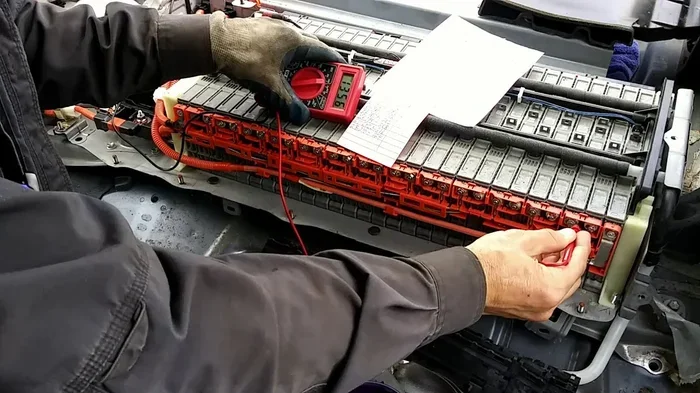
The Highlander Hybrid uses a nickel-metal hydride (NiMH) battery pack in most models. These batteries are known for their durability and long life. Many hybrid Highlanders still have their original battery packs at 200,000 miles. Charging a hybrid car is straightforward, and the regenerative braking system helps reduce wear on the brake components.
Hybrid battery replacement is expensive, typically costing between $2,000 and $4,000. However, many owners report getting 200,000 miles or more before needing a replacement. And some aftermarket rebuild options can cut that cost significantly.
Comparison Table
| Factor | Gas Highlander | Hybrid Highlander |
|---|---|---|
| Engine Type | 3.5L V6 Gasoline | 2.5L 4-Cylinder + Electric Motor |
| Expected Engine Life | 300,000+ miles | 250,000+ miles |
| Battery Pack | 12V Standard Battery | NiMH Hybrid Battery |
| Major Repair Cost | Engine or Transmission | Hybrid Battery Replacement |
| Fuel Efficiency | 21-29 MPG | 36-40 MPG |
| Maintenance Complexity | Lower | Slightly Higher |
| Overall Longevity | Excellent | Excellent |
Both versions can absolutely reach 300,000 miles. The gas model has a slight edge in simplicity, while the hybrid offers better fuel economy and less brake wear thanks to regenerative braking. Your choice should depend on your driving habits and budget.
Real-World Highlander Mileage Stories and Data
Theory is great, but real-world data is even better. Let us look at what actual Highlander owners are reporting about their vehicles’ longevity.
Owner Forum Reports
Toyota enthusiast forums are filled with stories of Highlanders reaching impressive mileage milestones. Owners regularly report: 250,000-mile service records with minimal issues, 300,000-mile odometer readings with the original engine and transmission still intact, and even 350,000-mile Highlanders that are still daily drivers. These are not rare exceptions. They are common outcomes for well-maintained vehicles.
One of the most common themes in these stories is consistency. The owners who hit 300,000 miles did not skip oil changes or ignore warning lights. They stayed on top of maintenance and addressed small issues before they became big problems.
What the Data Shows
According to various automotive reliability studies, Toyota SUVs consistently rank among the most reliable vehicles on the market. The Highlander specifically benefits from Toyota’s reputation for building engines and drivetrains that go the distance. While no vehicle is immune to problems, the Highlander’s track record speaks for itself.
Here are some real-world mileage milestones that Highlander owners commonly report:
- 100,000 miles: Routine maintenance only. Most Highlanders feel like new at this point.
- 150,000 miles: First major service items like water pumps and exhaust components may need attention.
- 200,000 miles: Transmission fluid, coolant, and brake components need regular replacement.
- 250,000 miles: Some owners report needing valve cover gasket replacements and suspension component updates.
- 300,000 miles: The engine and transmission are still going strong with consistent care.
How to Make Your Highlander Last 300,000 Miles
If you want your Highlander to reach 300,000 miles, you need a plan. It is not enough to just drive it and hope for the best. Long-lasting Highlanders share a few common habits among their owners. Here is a practical roadmap to maximize your SUV’s lifespan.
Follow the Maintenance Schedule Strictly
Toyota provides a detailed maintenance schedule in the owner’s manual. Follow it to the letter. Do not skip services because the mileage interval has not been reached or because you are busy. Every service interval exists for a reason. The cost of staying current on maintenance is tiny compared to the cost of major repairs caused by neglect.
Address Small Problems Immediately
A small coolant leak today can become a blown head gasket tomorrow. A slightly rough idle today could indicate a timing chain issue that will get worse. The best Highlander owners are proactive. They notice small changes and get them checked out before they escalate.
Quick tips for catching problems early:
- Listen for new noises, especially rattles or knocks
- Watch for fluid puddles under your parked car
- Monitor your temperature gauge closely
- Pay attention to any warning lights on the dashboard
- Track your fuel economy. A drop can signal engine problems
Use Quality Parts and Fluids
When it is time for repairs or fluid changes, do not cut corners. Use OEM Toyota parts or high-quality aftermarket alternatives. Cheap fluids and parts may save money in the short term but can lead to premature wear and costly repairs later. This is especially true for engine oil, coolant, and transmission fluid.
Keep the Exterior and Interior Protected
Rust and corrosion are silent killers of vehicle longevity. Wash your Highlander regularly, especially in winter when road salt is present. Apply wax to protect the paint. Inside, keep the interior clean and dry to prevent mold and upholstery damage. A well-cared-for interior also preserves resale value.
Find a Trusted Mechanic
Having a mechanic who knows your Highlander’s history makes a huge difference. They can spot trends and catch issues that a quick oil change shop would miss. If possible, stick with a Toyota specialist or a trusted independent shop that has experience with this model.
Common Mistakes That Shorten Highlander Lifespan
Knowing what to do is only half the battle. Understanding what not to do is equally important. Here are the most common mistakes that Highlander owners make that can significantly shorten their vehicle’s lifespan.
Ignoring the Check Engine Light
Many people ignore the check engine light for weeks or even months. This is a mistake. That light exists for a reason. It could signal anything from a loose gas cap to a serious engine misfire. Getting it diagnosed early can prevent minor issues from becoming major repairs.
Neglecting Coolant System Maintenance
The Highlander’s cooling system keeps the engine at the right operating temperature. When coolant gets old and contaminated, it loses its effectiveness. This can lead to overheating, which in turn can cause warped heads, blown head gaskets, and cracked engine blocks. Flushing and replacing the coolant on schedule is one of the cheapest insurance policies you can buy for your engine.
Overloading the Vehicle
The Highlander has a payload capacity, and exceeding it regularly puts extra stress on the engine, transmission, suspension, and brakes. Check your owner’s manual for the specific weight limits and try to stay within them. If you regularly haul heavy loads, consider upgrading your suspension components over time.
Skipping Transmission Fluid Changes
Some owners believe that transmission fluid lasts forever. It does not. Old, dirty transmission fluid leads to increased wear on internal components. Over time, this can cause slipping, harsh shifts, and eventually transmission failure. Changing the fluid at the recommended interval is one of the best investments you can make.
Final Thoughts on Highlander Longevity
So, can a Highlander last 300 thousand miles on average? The evidence is clear. Yes, it can. The Toyota Highlander is one of the most durable SUVs you can buy, and reaching 300,000 miles is entirely realistic with proper care. The key is consistency. Stay on top of maintenance, address small issues quickly, and treat your vehicle with respect.
Whether you choose the gas or hybrid version, the Highlander rewards owners who invest in its care. The upfront cost of regular maintenance is far less than the cost of major repairs caused by neglect. And the peace of mind that comes from knowing your SUV is built to last is priceless.
If you are considering a used Highlander with high mileage, do not be afraid. A well-documented service history and a thorough pre-purchase inspection can tell you almost everything you need to know about the vehicle’s remaining lifespan. Look for Highlanders that have been cared for, and you will find a reliable companion that can easily take you another 100,000 miles or more.
The Toyota Highlander has earned its place as one of the most trusted SUVs on the road. With the right approach to maintenance and care, your Highlander can be the vehicle that takes you everywhere you need to go for decades to come. Start today by following the tips in this guide, and your Highlander will thank you with years of reliable service.
Frequently Asked Questions
How many miles can a Toyota Highlander last on average?
A well-maintained Toyota Highlander can last between 250,000 and 300,000 miles on average. Some owners have reported pushing past 350,000 miles with consistent care. The key factors are regular oil changes, timely fluid replacements, and addressing small issues before they become big problems. The Highlander’s reputation for durability is well-earned across multiple generations.
Is the Highlander reliable past 200,000 miles?
Yes, the Highlander remains reliable past 200,000 miles. Common issues at this stage include water pump failures, exhaust component wear, and suspension bushing degradation. These are all manageable repairs that do not signal the end of the vehicle’s life. Staying on top of maintenance is what separates Highlanders that last from those that do not.
What is the most common Highlander problem at high mileage?
The most common high-mileage issue is coolant system leaks, often from the water pump or radiator hoses. These are relatively inexpensive to fix if caught early. Other frequent concerns include transmission fluid degradation and brake component wear. Regular inspections can catch all of these issues before they cause serious damage.
Should I buy a used Highlander with over 150,000 miles?
Yes, buying a used Highlander with over 150,000 miles can be a smart decision if the vehicle has a documented service history. Highlanders are known for their longevity, and a well-maintained example at 150,000 miles could easily last another 150,000 miles. Always get a pre-purchase inspection and request full service records before buying.
How often should I change the transmission fluid in my Highlander?
Toyota recommends changing the transmission fluid every 60,000 to 100,000 miles for most Highlander models. If you drive in severe conditions like heavy traffic or hot climates, consider changing it more frequently. Fresh transmission fluid keeps the internal components lubricated and can significantly extend the transmission’s lifespan.
Can a Highlander Hybrid battery last 200,000 miles?
Yes, the Highlander Hybrid battery pack is designed for long life and often lasts 200,000 miles or more. The NiMH batteries used in most Highlanders are known for their durability. If the battery does need replacement, the cost has come down significantly in recent years, and refurbished options are also available.