Can a Toyota Last 500 Miles and Keep Running for Years
A Toyota can absolutely last 500,000 miles and keep running for years with the right care. Toyota vehicles are built with durable engines, reliable transmissions, and long-lasting components that outlast most competitors. Regular Toyota maintenance, timely oil changes, and smart driving habits make all the difference. Owners who follow simple preventive maintenance schedules routinely hit the 500,000-mile mark and beyond.
Toyota has earned a reputation as one of the most reliable car brands in the world. People buy Toyotas knowing they want a vehicle that will keep running for years without constant trips to the shop. But the real question is, can a Toyota last 500 thousand miles and still perform like new? The short answer is yes — but it takes the right approach.
When you think about Toyota reliability, names like the Camry, Corolla, and Tacoma come to mind. These models have proven time and again that they can handle serious mileage. In fact, many Toyota owners report crossing the 300,000-mile mark without major issues. But reaching 500,000 miles requires more than just good luck. It demands consistent care, smart driving habits, and attention to warning signs.
This guide breaks down everything you need to know about making your Toyota last. We will cover Toyota maintenance essentials, common problems to watch for, and practical tips that real owners use to keep their vehicles running strong. Whether you drive a new model or a used Toyota with high mileage, this article has something valuable for you.
Key Takeaways
- Toyota Reliability Is Legendary: Toyotas are consistently ranked among the longest-lasting vehicles on the road, with many models exceeding 500,000 miles.
- Maintenance Is Everything: Sticking to a regular oil change schedule and service routine dramatically extends engine and transmission life.
- Driving Habits Matter: Gentle driving, avoiding extreme temperatures, and not overloading the vehicle all contribute to longevity.
- Hybrid Toyotas Last Even Longer: Toyota hybrid systems are designed for extended life, and hybrid battery life has improved significantly over the years.
- Common Issues Are Manageable: Problems like timing chain wear and overheating are fixable when caught early through regular inspections.
- Resale Value Stays High: A well-maintained Toyota retains strong resale value even after 200,000 or 300,000 miles.
📑 Table of Contents
- Why Toyotas Are Built to Last
- Toyota Maintenance: The Key to 500,000 Miles
- Driving Habits That Extend Your Toyota’s Life
- Common Toyota Problems and How to Avoid Them
- Toyota Resale Value: Why Longevity Matters
- Expert Tips for Making Your Toyota Last 500,000 Miles
- Comparison: Toyota vs. Other Brands at 500,000 Miles
Why Toyotas Are Built to Last
Toyota engineers design their vehicles with longevity in mind. Unlike some brands that focus on flashy features, Toyota prioritizes durability and simplicity. The result is a car that can handle decades of daily driving without falling apart.
The Engineering Behind Toyota Longevity
Toyota uses high-quality materials in their engines and chassis. The engines are overbuilt, meaning they have stronger components than strictly necessary for normal use. This extra strength gives the engine a longer life span. For example, Toyota engine life often exceeds 300,000 miles before needing a major rebuild.
The company also uses conservative engineering margins. This means parts are rated to handle more stress than they typically encounter. Over time, this over-engineering pays off in the form of fewer breakdowns and lower repair costs. Even the transmission life in Toyotas tends to outlast competitors by a significant margin.
Models Known for Hitting 500,000 Miles
Not all Toyotas are created equal when it comes to mileage. Some models have a proven track record of reaching 500,000 miles and beyond. Here are the top performers:
- Toyota Camry: A midsize sedan that consistently ranks at the top of reliability surveys. Many owners report 400,000 to 500,000 miles with basic maintenance.
- Toyota Corolla: A compact car that is simple and dependable. The Corolla is one of the best-selling cars in history for a reason.
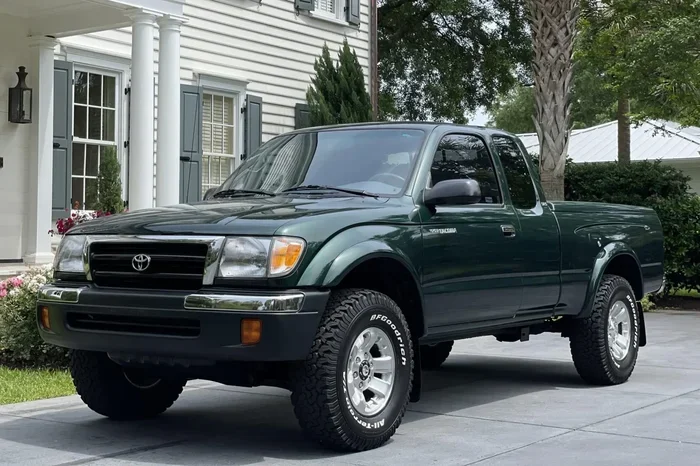
- Toyota Tacoma: A pickup truck known for its toughness. Tacomas regularly surpass 300,000 miles, and well-maintained examples reach 500,000.
- Toyota Land Cruiser: A full-size SUV built for extreme conditions. The Land Cruiser is famous for lasting 400,000 to 600,000 miles.
- Toyota Prius: A hybrid that combines a gas engine with an electric motor. The reduced engine wear helps the Prius reach impressive mileage totals.
Toyota Maintenance: The Key to 500,000 Miles
No car lasts 500,000 miles without proper care. Toyota maintenance is the foundation of long vehicle life. Skipping services or ignoring warning signs will shorten your car’s lifespan significantly.
Oil Changes and Fluid Maintenance
Regular oil changes are the single most important thing you can do for your Toyota. Clean oil lubricates the engine, reduces friction, and prevents overheating. Most Toyota experts recommend changing oil every 5,000 to 7,500 miles for conventional oil, or every 10,000 miles for synthetic oil.
But oil is not the only fluid that matters. Transmission fluid, brake fluid, coolant, and power steering fluid all need regular attention. Dirty or low fluids cause wear and tear on critical components. Here is a quick list of fluids to monitor:
- Engine oil — change every 5,000 to 7,500 miles
- Transmission fluid — check every 30,000 miles
- Coolant — flush every 50,000 miles
- Brake fluid — replace every 2 years
- Power steering fluid — check annually
Timing Chain and Belt Care
The timing chain is one of the most critical components in your Toyota’s engine. A worn timing chain can cause serious engine damage if it breaks. Fortunately, most Toyota engines use timing chains rather than belts, which last longer. Still, you should keep an eye on this component. Can a timing chain last 300 thousand miles? Yes, with proper maintenance, many Toyota timing chains exceed 300,000 miles without issue.
Watch for signs of timing chain wear, such as rattling noises when starting the engine or rough idling. If you notice these symptoms, get your vehicle inspected right away. Catching a worn timing chain early can save you thousands of dollars in engine repairs.
Brake System and Suspension
Your Toyota’s brake system and suspension take a beating over time. Brake pads, rotors, and suspension components all wear out with use. Replacing these parts on schedule keeps your Toyota safe and smooth to drive. Most brake pads last between 30,000 and 70,000 miles depending on driving style.
Suspension components like shocks and struts typically last around 50,000 to 100,000 miles. Regular inspections help identify worn parts before they cause bigger problems. A well-maintained suspension system also improves fuel economy and ride comfort.
Driving Habits That Extend Your Toyota’s Life
How you drive matters just as much as how you maintain your Toyota. Bad driving habits can wear out your engine, transmission, and brakes much faster than expected. Good driving habits, on the other hand, can add years to your vehicle’s life.
Warm Up Your Engine Properly
Cold engines wear out faster than warm ones. When you start your Toyota in the morning, give it a minute or two to warm up before driving hard. This allows the oil to circulate and lubricate all the moving parts. In cold climates, this is especially important.
You do not need to let your car idle for 10 minutes. A brief 30-second to one-minute warm-up is sufficient for modern Toyotas. After that, drive gently for the first few miles until the engine reaches operating temperature.
Avoid Overloading Your Vehicle
Toyota vehicles have specific weight limits for a reason. Overloading your car puts extra stress on the engine, brakes, and suspension. It also reduces fuel efficiency and increases tire wear. Check your owner’s manual for the recommended cargo and passenger limits, and stay within those guidelines.
Drive Smoothly and Avoid Aggressive Acceleration
Hard acceleration and sudden braking wear out your vehicle faster. Smooth driving reduces stress on the engine, transmission, and brake components. Try to accelerate gradually and brake early and gently whenever possible.
This does not mean you need to drive like you are in a hurry. Simply being mindful of how you use the pedals can make a big difference over hundreds of thousands of miles. Smooth driving also improves fuel economy, which saves you money at the pump.
Common Toyota Problems and How to Avoid Them
Even the most reliable Toyota can develop issues over time. The key is catching problems early before they become expensive repairs. Here are some of the most common Toyota problems and how to prevent them.
Overheating Issues
Toyota vehicles can overheat, especially on hot days or during heavy use. Can a car overheat on a hot day? Absolutely. High temperatures put extra stress on the cooling system, and if your coolant levels are low or your radiator is clogged, overheating can happen quickly.
To prevent overheating, check your coolant levels regularly and have the cooling system inspected every 30,000 miles. Watch for warning signs like a rising temperature gauge, steam from the hood, or a sweet smell coming from the engine area. If your Toyota starts to overheat, pull over safely and let the engine cool down before continuing.
Hybrid Battery Degradation
Toyota hybrids are incredibly popular, and for good reason. The hybrid system reduces engine wear and improves fuel economy. But what about hybrid battery life? Toyota hybrid batteries are designed to last the life of the vehicle, but they can degrade over time.
Most Toyota hybrid batteries last between 150,000 and 200,000 miles before showing significant degradation. To maximize battery life, avoid deep discharges and keep the battery charged. If you notice a drop in fuel economy or warning lights on the dashboard, have the hybrid system checked by a qualified technician. Can you charge a hybrid car? Yes, most Toyota hybrids use regenerative braking to recharge the battery, but some plug-in models can be charged externally.
Rust and Corrosion
Rust is a common issue for Toyotas, especially in areas with harsh winters or road salt. Rust can weaken the body and frame of your vehicle over time. To prevent rust, wash your Toyota regularly, especially the undercarriage. Apply a rust inhibitor or protective coating if you live in a high-risk area.
Also, fix any paint chips or scratches promptly. These small openings expose the metal to moisture and accelerate rust formation. A little prevention goes a long way toward keeping your Toyota looking and running its best for decades.
Toyota Resale Value: Why Longevity Matters
One of the biggest advantages of owning a Toyota is its strong resale value. Even after 200,000 miles, a well-maintained Toyota holds its value better than most competitors. This is because buyers trust the Toyota brand for reliability and low ownership costs.
Factors That Affect Toyota Resale Value
Several factors determine how well your Toyota retains its value over time:
- Maintenance history: A complete service record shows buyers the vehicle has been well cared for.
- Mileage: Lower mileage always commands a higher price, but even high-mileage Toyotas sell well due to their reputation.
- Model popularity: Popular models like the Camry, Corolla, and Tacoma hold value better than niche models.
- Condition: Interior and exterior condition matter. A clean, well-maintained Toyota sells faster and for more money.
- Accident history: Any accident history reduces resale value significantly. Keep your Toyota accident-free.
When to Sell or Keep Your Toyota
Most experts recommend keeping a Toyota until the repair costs exceed the vehicle’s value. For a well-maintained Toyota, this might not happen until 400,000 or 500,000 miles. At that point, the decision to sell comes down to personal preference and budget.
If you plan to sell, make sure to address any minor repairs before listing the vehicle. A fresh oil change, new brake pads, and a clean interior can make a big difference in the sale price. Consider getting a pre-sale inspection to identify and fix any issues that might scare off buyers.
Expert Tips for Making Your Toyota Last 500,000 Miles
Reaching 500,000 miles is an achievable goal for any Toyota owner willing to put in the effort. Here are some expert tips that real Toyota owners swear by.
Follow the Maintenance Schedule Strictly
Toyota provides a detailed maintenance schedule in the owner’s manual. Follow it to the letter. Do not skip services or stretch intervals to save a few dollars. The small cost of regular maintenance is nothing compared to the cost of a major engine or transmission repair.
Use Genuine Toyota Parts
Aftermarket parts vary widely in quality. Genuine Toyota parts are designed specifically for your vehicle and meet Toyota’s quality standards. Using genuine parts may cost a bit more upfront, but they last longer and fit better, which saves money in the long run.
Keep a Detailed Maintenance Log
Write down every service, repair, and inspection. A detailed log helps you track your Toyota’s history and makes it easier to spot patterns or recurring issues. It also boosts resale value because buyers can see the vehicle has been properly maintained.
Listen to Your Toyota
Your Toyota will tell you when something is wrong. Pay attention to unusual noises, vibrations, smells, or warning lights. A rattling sound, a squealing brake, or a check engine light should never be ignored. Early detection of problems prevents costly repairs down the road.
Find a Trusted Mechanic
Having a mechanic you trust makes a huge difference. A good mechanic knows Toyotas inside and out and can spot potential problems before they become serious. Build a relationship with a local shop or dealership service center that specializes in Toyotas.
If you own a manual transmission Toyota, can you push a manual car to start it in an emergency? Yes, but this should only be done as a last resort. Pushing a car to start can put unnecessary stress on the transmission and engine components, so use this method sparingly and only when absolutely necessary.
Comparison: Toyota vs. Other Brands at 500,000 Miles
How does Toyota stack up against other brands when it comes to longevity? Here is a quick comparison of what you can expect from different manufacturers at the 500,000-mile mark.
- Toyota: Many models reach 500,000 miles with routine maintenance. Repair costs remain relatively low throughout the vehicle’s life.
- Honda: Similar to Toyota in reliability. Hondas also reach 500,000 miles but may require more frequent transmission service.
- Ford: Ford trucks like the F-150 can reach 500,000 miles, but repair costs tend to be higher than Toyota.
- Chevrolet: GM vehicles can reach high mileage, but they often require more frequent repairs after 200,000 miles.
- German Brands (BMW, Mercedes): Luxury brands can reach 500,000 miles, but maintenance and repair costs are significantly higher.
The takeaway is clear. Toyota offers the best combination of reliability, durability, and low ownership costs. While other brands can reach 500,000 miles, they typically require more money and more frequent repairs to get there.
Can a Toyota last 500 thousand miles and keep running for years? The evidence is overwhelming. With proper care, a Toyota can easily reach 500,000 miles and continue running strong for many more. The key is consistent Toyota maintenance, smart driving habits, and attention to warning signs. Toyota owners who invest in their vehicles are rewarded with years of dependable service and strong resale value.
Start implementing these tips today, and your Toyota will thank you for decades to come. Whether you drive a brand-new model or a used Toyota with high mileage, it is never too late to start taking better care of your vehicle. The road to 500,000 miles is long, but with a Toyota, it is a journey well worth taking.
Frequently Asked Questions
What is the average lifespan of a Toyota vehicle?
Most Toyotas can last between 200,000 and 300,000 miles with standard maintenance. With diligent care, many models reach 500,000 miles or more. The key factors are regular oil changes, timely repairs, and gentle driving habits.
What Toyota model lasts the longest?
The Toyota Land Cruiser is widely regarded as the longest-lasting Toyota model. Many Land Cruisers have been documented reaching 400,000 to 600,000 miles. The Camry and Tacoma are also excellent choices for long-term ownership.
How often should I change my Toyota’s oil?
For conventional oil, change it every 5,000 to 7,500 miles. For synthetic oil, you can extend the interval to every 7,500 to 10,000 miles. Always check your owner’s manual for the manufacturer’s specific recommendation.
Are Toyotas expensive to maintain at high mileage?
No. Toyotas are known for low maintenance costs even at high mileage. Parts are widely available, and the vehicles are designed for easy service. Routine maintenance like oil changes and brake replacements remain affordable throughout the vehicle’s life.
Can a Toyota hybrid last 500,000 miles?
Yes. Toyota hybrid systems are designed for extended life. The electric motor reduces wear on the gas engine, which can help the vehicle reach 500,000 miles. The hybrid battery typically lasts 150,000 to 200,000 miles before needing replacement.
What should I do if my Toyota starts making unusual noises?
Do not ignore unusual noises. Rattling, grinding, or squealing sounds often indicate developing problems. Take your Toyota to a trusted mechanic as soon as possible. Early diagnosis can prevent minor issues from becoming expensive repairs.
=== CONCLUSION ===
Can a Toyota last 500 miles and keep running for years? Absolutely. Toyota vehicles are some of the most durable and reliable cars ever built. With the right Toyota maintenance routine, smart driving habits, and attention to potential issues, reaching 500,000 miles is a realistic goal for most Toyota owners.
The secret is simple: take care of your vehicle, and it will take care of you. Follow the maintenance schedule, use quality parts, listen to your car, and drive gently. These habits add up over hundreds of thousands of miles and make the difference between a Toyota that lasts a lifetime and one that breaks down early.
Start today. Whether you are buying a new Toyota or keeping your current one running strong, the principles in this guide will help you get the most out of your vehicle. A Toyota that lasts 500,000 miles is not a dream — it is a promise the brand has kept for decades.