Are All Toyota Dealerships the Same or Are They Different
Not all Toyota dealerships are the same. Pricing, service quality, and the overall buying experience can vary significantly from one dealer to another. Understanding these differences helps you make a smarter, more informed purchase.
When you walk into a Toyota dealership, you might assume every location operates the same way. The logo is the same. The color scheme is the same. The salespeople wear the same badges. But looks can be deceiving. Toyota dealerships are independently owned and operated franchises. This means each one runs its own business with its own pricing, its own service standards, and its own company culture. Two dealers across town can offer completely different experiences, even though they sell the same brand of vehicles.
So why does this matter? Because the dealership you choose directly impacts what you pay, how your car gets serviced, and how happy you are with your purchase. Whether you are buying a brand new Toyota or shopping for a certified pre-owned Toyota, understanding how dealers differ gives you a real advantage. This guide breaks down everything you need to know about Toyota dealerships and how they vary from one another.
Key Takeaways
- Independent ownership matters: Each Toyota dealership is independently owned, which means prices, service quality, and customer experience differ from location to location.
- Pricing is not uniform: Dealer markup, incentives, and negotiation room vary widely across Toyota dealerships in different regions.
- Service departments are not equal: Some Toyota dealers offer superior maintenance, faster turnaround, and better customer care than others.
- Certified Pre-Owned programs differ: Not every Toyota dealer follows the same standards for their pre-owned vehicle inspections and warranties.
- Your research pays off: Comparing multiple dealers before buying can save you hundreds or even thousands of dollars.
- Location affects everything: Urban and rural Toyota dealerships often have different inventory, pricing strategies, and service capabilities.
📑 Table of Contents
- Why Toyota Dealerships Are Not All the Same
- Pricing Differences Between Toyota Dealerships
- Service and Maintenance at Toyota Dealerships
- The Buying Experience: What Varies Between Dealers
- How to Choose the Right Toyota Dealership for You
- Common Mistakes People Make When Choosing a Toyota Dealership
- Quick Tips for a Smooth Toyota Buying Experience
- Final Thoughts
Why Toyota Dealerships Are Not All the Same
Toyota is one of the most popular car brands in the world. Millions of people trust the Toyota name for reliability and value. But behind the brand, every Toyota dealer operates as a separate business entity. Think of it like restaurants. Two McDonald’s locations might serve the same burgers, but the quality of service, cleanliness, and customer experience can be very different. The same applies to Toyota dealerships.
Each dealership signs a franchise agreement with Toyota Motor Corporation. This agreement sets certain standards. But within those boundaries, dealers have a lot of freedom. They set their own prices. They hire their own staff. They decide how to run their service department. They choose which incentives to offer. All of this leads to real differences between locations.
The Franchise Model Explained
Toyota does not own most of its dealerships. Instead, independent business owners purchase the right to sell and service Toyota vehicles in a specific geographic area. This is called the franchise model. The dealer pays Toyota for the right to use the brand name, access to new vehicles, and support from the manufacturer.
In return, the dealer must follow Toyota’s brand guidelines. They must meet certain sales and service targets. They must use genuine Toyota parts for warranty repairs. But the day-to-day operations are up to the owner. Some dealers are large, multi-brand groups that sell Toyota alongside other brands. Others are small, single-brand operations run by a family. Both are still Toyota dealerships, but their approach to customers can be very different.
How Ownership Affects Your Experience
The personality of the dealership owner often shapes the entire customer experience. A dealer who cares deeply about customer satisfaction will train their staff to be helpful and transparent. A dealer focused only on volume might push fast sales with less attention to detail. This is why two Toyota dealerships in the same city can feel like entirely different businesses.
Independent dealers also have different financial pressures. Some carry high debt from expansion and need to maximize profit on every sale. Others are well-established and can afford to be more competitive on pricing. Understanding this helps you see why the same Toyota model can have different price tags at different locations.
Pricing Differences Between Toyota Dealerships
One of the biggest differences between Toyota dealerships is pricing. No two dealers price their vehicles exactly the same way. Several factors influence these differences, and knowing them helps you negotiate a better deal.
New Vehicle Pricing
When you buy a new Toyota, the sticker price is just the starting point. Every dealer has some flexibility in how they price vehicles. Some Toyota dealers offer aggressive discounts to move inventory quickly. Others hold firm on their markup, especially for popular models like the RAV4 or the Tacoma.
Dealer markup is a common practice. Some dealers add a markup above the manufacturer’s suggested retail price, or MSRP. This is especially common for high-demand vehicles. Other dealers may offer discounts below MSRP to attract customers. The key is to shop around. Calling or visiting multiple Toyota dealerships in your area gives you a clear picture of the going rate for the vehicle you want.
Incentives and Promotions
Toyota offers manufacturer incentives like low APR financing, cash-back offers, and loyalty bonuses. But not every Toyota dealership participates in every promotion. Some dealers run their own local promotions on top of manufacturer offers. Others match or beat competitor pricing to win your business.
Here are a few tips to save money at any Toyota dealership:
- Get quotes from multiple dealers before visiting in person.
- Ask about unadvertised discounts that may be available.
- Time your purchase near the end of a month or quarter when dealers are eager to hit sales targets.
- Negotiate the out-the-door price rather than the monthly payment.
Certified Pre-Owned Pricing
Toyota’s Certified Pre-Owned program offers inspected and warrantied used vehicles. But not every Toyota dealership has the same certified pre-owned inventory or pricing structure. Some dealers stock a large selection of certified models. Others focus mainly on new vehicles and have limited pre-owned options.
Certified pre-owned Toyotas come with a limited warranty, roadside assistance, and a thorough inspection. These benefits add value, but the price premium varies by dealer. Always compare the certified pre-owned price at multiple Toyota dealerships before making a decision.
Service and Maintenance at Toyota Dealerships
Buying a car is only half the equation. Long-term ownership means dealing with service and maintenance. And here again, Toyota dealerships are not all created equal.
Warranty and Service Plans
Toyota offers a strong factory warranty on new vehicles. This warranty covers certain repairs and maintenance for a set period or mileage. All Toyota dealerships honor this warranty. But the service experience varies.
Some dealers offer complimentary multi-point inspections with every oil change. Others charge for services that competitors offer for free. Service advisors at some Toyota dealerships are known for being upfront and honest. Others may recommend unnecessary repairs to increase the bill. Reading online reviews before choosing a service center can save you time and money.
Parts Availability and Pricing
Genuine Toyota parts are available at every authorized dealer. But the speed of delivery and pricing can differ. Large dealers with high volume often have parts in stock and can order replacements quickly. Smaller dealers may need to wait for shipments, which means longer repair times.
Parts pricing is also negotiable at some Toyota dealerships. If you are paying for a repair out of warranty, it is worth asking about the cost upfront. You can also compare dealer parts pricing with aftermarket options, though genuine Toyota parts generally offer the best fit and reliability.
For context, parts costs vary widely across luxury brands too. If you are curious about how other brands compare, check out this breakdown of Mercedes Benz parts pricing to see how the industry compares.
Service Department Quality
The quality of the service department is one of the most important factors in choosing a Toyota dealership. A good service department does more than just fix your car. It builds trust and keeps you coming back for years.
Look for these signs of a quality service department at any Toyota dealer:
- Clean, well-organized service bays
- Friendly and knowledgeable service advisors
- Transparent pricing with clear estimates
- On-time appointments and minimal wait times
- Proper communication about repair progress
The Buying Experience: What Varies Between Dealers
The car buying experience is personal. What feels smooth and enjoyable for one person might feel rushed or frustrating for another. Toyota dealerships differ greatly in how they handle the sales process.
Sales Staff and Customer Service
The salespeople you meet at a Toyota dealership make or break your experience. Some dealers invest heavily in training their staff to be consultative and customer-focused. They listen to your needs and help you find the right vehicle without pressure. Other dealers use a high-pressure sales approach that can feel uncomfortable.
Customer service extends beyond the sales floor. How the dealership handles your questions after the sale matters too. Are they responsive when you call with a problem? Do they follow up after your purchase? These details reveal a lot about a Toyota dealer and their commitment to long-term customer relationships.
Online Shopping and Digital Experience
Many Toyota dealerships now offer online shopping tools. You can browse inventory, get price quotes, and even complete some paperwork digitally. But the quality of these online experiences varies widely.
Some Toyota dealers have sleek websites with real-time inventory updates, transparent pricing, and easy-to-use configurators. Others have outdated websites with limited information and slow response times. Before visiting a dealership, check their online presence. A well-run digital experience often reflects a well-run business overall.
Location and Inventory Differences
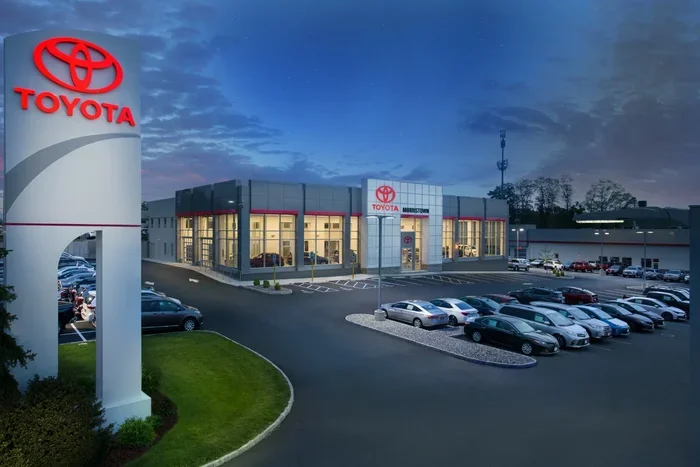
Where a Toyota dealership is located affects what they stock and how they operate. Urban dealers often have larger showrooms and more diverse inventory. They may carry a wider range of models, trims, and colors. Rural dealers might have a smaller selection but offer more personalized service.
Location also affects pricing. Dealers in high-cost areas may charge more simply because their operating expenses are higher. Dealers in competitive markets may lower prices to attract customers. Understanding these regional differences helps you set realistic expectations when shopping for a Toyota.
For comparison, other brands handle dealership networks differently too. If you are curious about how luxury brands structure their relationships, check out whether Bentley and Rolls Royce are the same company to learn about brand ownership and dealership structures.
How to Choose the Right Toyota Dealership for You
Now that you understand how much Toyota dealerships can differ, here is how to find the right one for your needs.
Step 1: Research Online Reviews
Start by reading reviews on Google, Yelp, and automotive sites like DealerRater. Look for patterns in the feedback. Are customers consistently happy with the sales process? Do they praise the service department? Are there recurring complaints about pricing or pressure?
Pay attention to how the dealership responds to negative reviews. A dealer that addresses complaints professionally shows a commitment to improvement. A dealer that ignores criticism is a red flag.
Step 2: Visit Multiple Dealers
Do not settle on the first Toyota dealership you visit. Go to at least two or three locations. Compare their inventory, pricing, and how you are treated. The dealer that makes you feel most comfortable and valued is likely the best choice.
During your visit, pay attention to the showroom condition, the attitude of the staff, and the cleanliness of the service area. These details tell you a lot about how the business is run.
Step 3: Ask the Right Questions
When you visit a Toyota dealer, come prepared with questions. Ask about their pricing philosophy, their warranty coverage, and their service department policies. A good dealer will answer your questions clearly and without hesitation.
Here are some questions worth asking:
- What is your out-the-door price for this vehicle?
- Do you offer any additional incentives beyond manufacturer promotions?
- What does your service department include with a new vehicle purchase?
- Can I see the certified pre-owned inspection report?
- What is your return or exchange policy?
Step 4: Trust Your Instincts
At the end of the day, your gut feeling matters. If something feels off at a Toyota dealership, trust that instinct. You are making a significant financial decision. You deserve to feel confident and respected throughout the process.
It is also worth noting that reliability expectations vary across brands. While Toyota is widely regarded for dependability, other brands have their own strengths. For instance, if you are comparing brands, Porsche reliability is a popular topic among luxury car buyers, and it shows how brand reputation plays into the dealership experience.
Common Mistakes People Make When Choosing a Toyota Dealership
Avoid these common pitfalls that can cost you time, money, and frustration.
- Buying from the first dealer you visit. You might miss a better deal elsewhere. Always compare at least two or three Toyota dealerships.
- Focusing only on the monthly payment. A low monthly payment can hide a longer loan term or higher total cost. Always negotiate the total price.
- Ignoring the service department reputation. A great sales experience means nothing if the service department is terrible. Check reviews for both.
- Not reading the fine print. Some dealers add hidden fees or unnecessary extras. Read every document before signing.
- Skipping the test drive. Even if you have researched the vehicle thoroughly, always test drive it at the dealership. The experience can reveal issues you cannot see online.
Quick Tips for a Smooth Toyota Buying Experience
- Get pre-approved financing from your bank or credit union before visiting a dealer. This gives you leverage in negotiations.
- Know the fair market value of the vehicle you want using resources like Kelley Blue Book or Edmunds.
- Bring a friend or family member who can offer a second opinion and help you stay calm during negotiations.
- Visit the dealership during weekdays when it is less busy. You will get more attention and less pressure.
- Take your time. Do not let a dealer rush you into a decision. A good Toyota dealership will respect your timeline.
Final Thoughts
The answer to whether all Toyota dealerships are the same is clear. They are not. Each dealership is a unique business with its own pricing, service standards, and customer culture. These differences can have a big impact on your buying experience and your long-term satisfaction as a Toyota owner.
The good news is that you have the power to choose. By doing your research, visiting multiple Toyota dealers, and asking the right questions, you can find a dealership that treats you fairly and delivers a great experience. The effort you put into choosing the right dealer pays off every time you drive your Toyota and every time you visit for service.
Remember, buying a car is one of the biggest purchases most people make. Treat it with the care and attention it deserves. Your future self will thank you for taking the time to find the right Toyota dealership.
Frequently Asked Questions
Do all Toyota dealerships offer the same warranty?
Yes, all authorized Toyota dealerships honor the same factory warranty. However, the service experience and additional perks offered by each dealer can vary. Some dealers include extra benefits like free oil changes or roadside assistance for a limited time after purchase.
Can I buy a Toyota online from any dealership?
Many Toyota dealerships now offer online purchasing options, but not all of them provide the same level of digital experience. Some dealers allow you to complete the entire transaction online, while others still require an in-person visit for final paperwork and delivery.
Are prices negotiable at Toyota dealerships?
Yes, most Toyota dealerships have some room for negotiation on both new and used vehicles. The amount of flexibility depends on the dealer, the model, and current demand. Always get quotes from multiple dealers to strengthen your negotiating position.
How do I know if a Toyota dealership is trustworthy?
Check online reviews on platforms like Google, Yelp, and the Better Business Bureau. Look for consistent positive feedback about sales practices, service quality, and transparency. A trustworthy Toyota dealer will also answer your questions without high-pressure tactics.
Should I buy from a large or small Toyota dealership?
Both have advantages. Large dealers often have more inventory and competitive pricing. Small dealers may offer more personalized service and a less pressured environment. Visit both types and see which one aligns better with your preferences and needs.
What should I look for in a Toyota service department?
Look for transparent pricing, certified Toyota technicians, clean facilities, and clear communication about repair needs. A good service department at a Toyota dealership will explain work in plain language and provide written estimates before performing any repairs.
=== CONCLUSION ===
Toyota dealerships are not all the same, and understanding this gives you a real advantage as a buyer. From pricing and incentives to service quality and the overall buying experience, every dealer has its own identity. By doing your homework, comparing multiple locations, and trusting your instincts, you can find a Toyota dealership that delivers exactly what you need. Take your time, ask questions, and remember that the best dealer is one that respects your time, your budget, and your decision-making process.