What Gear Should You Be in Going Downhill Automatic
Knowing what gear you should be in going downhill automatic is one of the most important driving skills for safety. Using the wrong gear on a steep downhill slope can overwork your brakes and lead to dangerous situations. This guide covers everything you need to know about selecting the right gear for downhill driving in an automatic car.
Driving downhill in an automatic car might seem simple. You take your foot off the gas, maybe tap the brakes, and roll down the slope. But anyone who has driven steep mountain roads or long descents knows that this approach can be risky. The question of what gear you should be in going downhill automatic is one that every driver should understand well.
Using the wrong gear on a downhill slope puts extra strain on your brakes. It can cause them to overheat, fade, or even fail. On the other hand, choosing the right gear for downhill driving gives you better control and keeps your vehicle safe. Let us walk through everything you need to know about gear selection for automatic transmissions on downhill drives.
Key Takeaways
- Use L or Low gear: This is the safest gear for steep downhill slopes in an automatic vehicle.
- Avoid riding your brakes: Overusing brakes on long descents can cause brake fade and loss of control.
- Engine braking is your friend: Shifting to a lower gear lets the engine help slow the car naturally.
- Manual mode can help: Many modern automatics let you manually select gears for better downhill control.
- D3 or 3rd gear works for mild slopes: For less steep hills, D3 provides good speed control without overworking the transmission.
- Never use N (Neutral): Coasting in neutral removes engine braking and reduces steering control.
- Adjust for road conditions: Wet, icy, or curvy downhill roads demand extra caution and lower gears.
📑 Table of Contents
- Understanding Your Automatic Transmission Gears
- What Gear Should You Be in Going Downhill Automatic
- Manual Mode: A Great Tool for Downhill Driving
- Common Mistakes Drivers Make on Downhill Slopes
- Tips for Safe Downhill Driving in an Automatic
- Expert Insights on Automatic Transmission Downhill Driving
- Key Takeaways
- Conclusion
Understanding Your Automatic Transmission Gears
Before we dive into downhill driving, it helps to understand what the different gears on your automatic transmission actually do. Most drivers stick with D (Drive) for almost everything. But your car has more gears and settings than you might think.
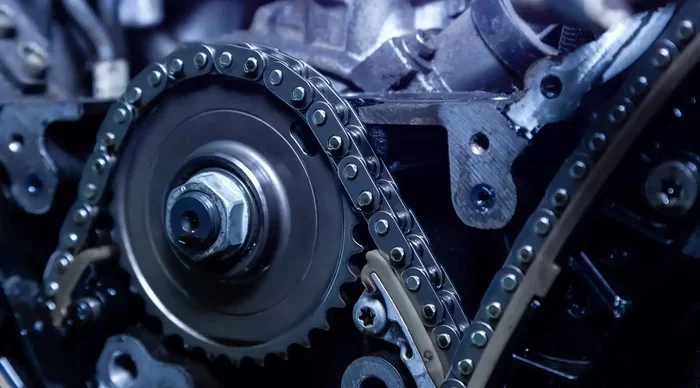
The automatic gearbox uses a torque converter to shift between gears smoothly. Each gear ratio changes how much power goes to the wheels. Lower gears give you more engine power at slower speeds. Higher gears let the wheels spin faster with less engine effort.
The Standard Gear Positions
Here is a quick look at the common gear positions you will find on an automatic shifter:
- P (Park): Locks the transmission when the car is stopped.
- R (Reverse): Moves the car backward.
- N (Neutral): Disconnects the engine from the wheels.
- D (Drive): The standard forward gear for everyday driving.
- D3, D4, or 3, 4: Limits the transmission to lower gears for better control.
- L or Low: Locks the transmission in the lowest gear for maximum engine braking.
- M or Manual: Lets you manually select gears on cars with a manual shift option.
Each of these positions has a role. For downhill driving, D is not always the best choice. That is where things get interesting.
What Gear Should You Be in Going Downhill Automatic
The short answer is Low gear (L) or a restricted gear range like D3. But the full answer depends on how steep the slope is, how long the descent is, and what conditions the road has. Let us break it down.
Why Low Gear Matters on Downhills
When you shift into Low gear or L, the transmission stays in the lowest gear ratio. This means the engine转速 (revs) stays higher, and the wheels turn slower. The result is something called engine braking.
Engine braking works by using the engine’s resistance to slow the car down. Instead of relying only on your brake pads, the engine itself helps reduce speed. This is a huge advantage on long downhill slopes where constant brake use can cause overheating.
Think of it this way. When you take your foot off the gas in Drive, the car just coasts. The engine is not really connected to the wheels in a meaningful way. But in Low gear, the engine fights the motion of the wheels. It acts like a natural brake.
The Best Gear Settings for Different Downhill Scenarios
Not all downhill slopes are the same. Here is a guide to help you choose the right gear based on the situation:
- Steep, long descents: Use L or Low gear. This gives you the strongest engine braking effect and keeps your brakes cool.
- Moderate slopes: D3 or 3rd gear works well. It limits the transmission to lower gears and provides steady speed control.
- Mild downhill grades: D (Drive) with light brake use is usually fine. But stay alert and ready to shift down if the slope gets steeper.
- Snow or ice on a downhill: L or Low gear is best. It prevents wheel spin and gives you smoother speed control.
- Curvy downhill roads: Use L or D3 so you can focus on steering and braking gently through the turns.
The goal in every case is to use engine braking as your primary speed control method. Your brakes should be for slowing down or stopping, not for holding a constant speed on a long descent.
Manual Mode: A Great Tool for Downhill Driving
Many modern automatic cars come with a manual mode or a +/- shift gate on the shifter. This feature lets you manually select gears even though the car has an automatic transmission. It is incredibly useful for downhill driving.
How Manual Mode Works on Automatics
When you switch to manual mode, you can move the shifter or use paddle shifters to tell the transmission which gear to use. The car will not shift on its own. It stays in the gear you select until you change it.
For downhill driving, you would move the shifter into a lower number. On most cars, that means dropping from D into 3, 2, or even L. The transmission holds that gear, and the engine braking kicks in right away.
Manual mode gives you more control than the standard D or L settings. You can fine-tune the gear selection based on how steep the hill is and how fast you are going. If the slope gets steeper, you can drop to a lower gear on the fly.
Quick Tip for Using Manual Mode
Start in a slightly higher gear and feel how the car responds. If you are still picking up speed, drop down one more gear. You want a gear where the car maintains a steady, safe speed without you having to press the brake hard.
Common Mistakes Drivers Make on Downhill Slopes
There are several habits that drivers develop on downhill slopes that can be dangerous. Let us look at the most common ones and how to avoid them.
Riding the Brakes the Whole Way Down
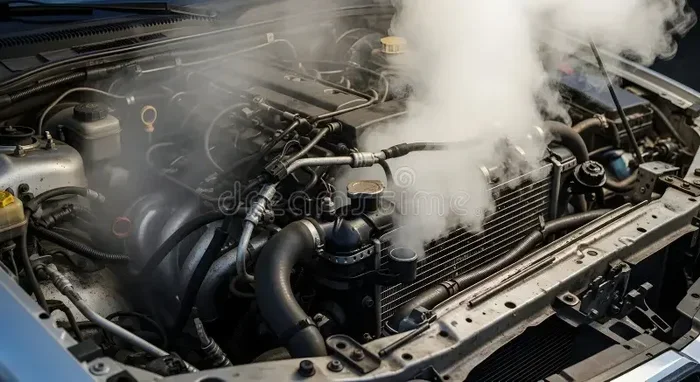
This is the number one mistake. Drivers who stay in D and ride the brakes on a long descent will overheat their brake pads and rotors. Brake fade happens when the brakes get too hot and lose their stopping power.
Brake fade is extremely dangerous. You press the pedal harder, but the car does not slow down. On a steep mountain road, this can lead to a serious accident.
Using Neutral (N) on Downhills
Some drivers think putting the car in Neutral saves fuel or makes the descent easier. This is a bad idea. In Neutral, the engine is disconnected from the wheels. You lose all engine braking, and you also lose power steering and power braking assistance.
Driving in Neutral on a downhill slope is actually illegal in many states. It reduces your ability to control the vehicle and puts everyone on the road at risk.
Staying in D and Using Only the Gas Pedal
Some drivers try to control speed by lightly pressing the gas on a downhill. This does not work well. The car will pick up speed, and you will end up fighting the engine to slow it down. It wastes fuel and puts stress on the transmission.
Overcorrecting with the Brakes
If you are in the wrong gear and start picking up speed, the instinct is to slam on the brakes. This can cause wheel lockup, especially on wet or gravel roads. Always use a lower gear first and let engine braking do the heavy lifting.
Tips for Safe Downhill Driving in an Automatic
Beyond choosing the right gear, there are several other tips that will make your downhill drives safer and more comfortable.
Reduce Speed Before the Descent
Start slowing down before you reach the downhill section. If you are already going too fast when the slope begins, it is much harder to control the car. Use your brakes gently to reduce speed, then shift into the appropriate gear.
Maintain a Safe Following Distance
Downhill slopes increase your stopping distance. Gravity pulls the car forward, and even with engine braking, it takes longer to stop. Keep a generous gap between you and the vehicle ahead.
Watch for Brake Overheating Signs
If you notice a burning smell, hear a squealing or grinding noise, or feel the brake pedal getting softer, your brakes may be overheating. Pull over safely, let them cool down, and reconsider your gear selection.
Use Cruise Control Wisely
Most experts recommend turning off cruise control on downhill slopes. The system may try to maintain speed by applying the gas, which works against your goal of slowing down. Keep full control of the vehicle.
Know Your Vehicle
Every automatic transmission is a little different. Some cars have a dedicated downhill assist feature. Others have a hill descent control system that automatically manages braking and gear selection. Read your owner’s manual to understand what your specific vehicle can do.
Quick Tips for Downhill Gear Selection
- Shift to L or Low before you start the descent, not during it.
- Use the brakes gently and intermittently, not constantly.
- Keep both hands on the wheel for better control.
- Check your mirrors frequently for traffic behind you.
- If the car starts to slide, ease off the brake and steer gently in the direction you want to go.
Expert Insights on Automatic Transmission Downhill Driving
Automotive experts consistently recommend engine braking as the primary method for controlling speed on downhill slopes. The transmission and drivetrain are designed to handle the stress of lower gears in ways that brake systems simply are not.
According to transmission specialists, regularly riding the brakes on long descents is one of the leading causes of premature brake wear. It also leads to more frequent brake service appointments and higher maintenance costs over the life of the vehicle.
Experienced driving instructors emphasize that gear selection for downhill driving should happen before the slope begins. Shifting into Low gear at the top of a hill gives the transmission time to engage properly and provides immediate engine braking as soon as you start descending.
Another expert tip is to practice in a safe, empty area first. If you are not familiar with how your specific car responds in Low gear or manual mode, find a gentle slope and experiment. Get a feel for how the engine braking works and how the car behaves at different gear levels.
How Transmission Fluid Plays a Role
It is worth mentioning that transmission fluid health affects how well your car handles downhill driving. Fresh, clean fluid allows the transmission to shift smoothly and respond quickly when you change gears. Old or dirty fluid can cause sluggish shifting, which defeats the purpose of trying to use a lower gear for engine braking.
Check your transmission fluid regularly. If it looks dark or smells burnt, it is time for a change. Healthy fluid means your transmission will respond the way you need it to when you are on a steep downhill slope.
Key Takeaways
- Use Low gear (L) for steep descents: It provides the strongest engine braking and keeps your brakes from overheating.
- D3 or 3rd gear works for moderate slopes: It limits the transmission range and gives you better speed control than full Drive.
- Manual mode offers the most flexibility: You can select the exact gear you need for any downhill situation.
- Never coast in Neutral: It removes engine braking and reduces vehicle control.
- Riding the brakes is dangerous: It causes overheating and brake fade on long descents.
- Always shift before the descent: Do not wait until you are already picking up speed to change gears.
- Know your vehicle’s features: Many modern cars have hill descent control systems that can assist with downhill driving.
Conclusion
Understanding what gear you should be in going downhill automatic is a skill that every driver should develop. It keeps you safer, protects your vehicle, and gives you confidence on steep or long descents. The simple habit of shifting into Low gear or using D3 can make a world of difference on your next mountain drive or steep downhill road.
Remember the golden rule. Use engine braking as your primary speed control method. Let the transmission and engine do the work, and save your brakes for actual stopping. With the right gear selection and a calm, attentive approach, downhill driving in an automatic car becomes much easier and much safer.
Take a moment to familiarize yourself with your car’s gear options. Read the owner’s manual, practice in safe conditions, and make the shift to smarter downhill driving. Your brakes, your fuel economy, and your peace of mind will all thank you.
Frequently Asked Questions
What is the best gear for driving downhill in an automatic car?
The best gear is Low (L) or a restricted range like D3. These settings engage engine braking, which helps control your speed without overworking the brake pads. For mild slopes, D with light brake use can work, but Lower gears are always safer for steep or long descents.
Can I use D (Drive) when going downhill?
You can, but it is not ideal for steep or long downhill slopes. In D, the transmission will shift to higher gears, which reduces engine braking. You will need to rely more on the brakes, which can lead to overheating on long descents. Shift to L or D3 for better control.
Is it okay to use Neutral (N) on a downhill slope?
No. Using Neutral on a downhill slope removes engine braking and reduces your ability to control the vehicle. It also disables power steering and power braking assistance. This practice is dangerous and is illegal in many states.
What is engine braking and how does it work?
Engine braking is when the engine itself helps slow the car down. When you are in a lower gear, the engine resists the motion of the wheels. This natural resistance reduces your speed without you needing to press the brake pedal. It is especially useful on downhill slopes.
Should I use cruise control when driving downhill?
No. Most experts recommend turning off cruise control on downhill slopes. The system may try to maintain speed by applying the gas pedal, which works against your goal of slowing down. Keep full manual control of the vehicle for safer downhill driving.
How often should I check my automatic transmission fluid?
It is a good practice to check your transmission fluid every 30,000 to 60,000 miles. Fresh fluid ensures smooth shifting and quick transmission response. Dirty or old fluid can cause sluggish gear changes, which affects your ability to use the right gear for downhill driving.