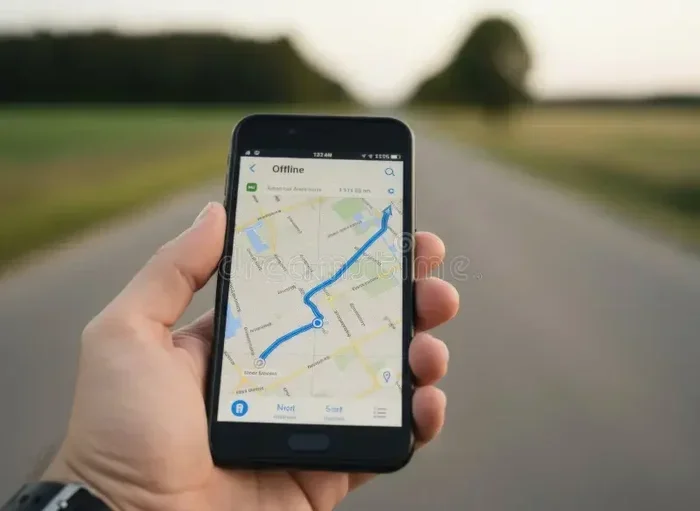
How Often Do Offline Maps Update And Why You Need To Know
Offline maps update on different schedules depending on the app you use. Google Maps typically refreshes map data every 30 to 60 days, while Apple Maps and Waze follow their own update cycles. Knowing when and how to update your offline maps keeps your GPS navigation accurate and reliable, even without an internet connection.
This is a comprehensive guide about How Often Do Offline Maps Update?.
Key Takeaways
- Update Frequency Varies: Different apps update offline map data on different schedules, ranging from weekly to monthly.
- Manual Updates Are Key: Most apps let you manually trigger a map refresh whenever you connect to Wi-Fi.
- Outdated Maps Cause Errors: Using old map data can lead to wrong turns, missed roads, and navigation failures.
- Storage Matters: Offline map downloads take up significant phone storage, so plan accordingly.
- Auto-Update Options Exist: Several apps offer automatic update settings to keep your data fresh.
- Travel Planning Benefit: Updating maps before a trip ensures you have the latest road and route information.
[FEATURED_IMAGE_PLACEHOLDER]
Have you ever been driving through a remote area with no cell signal and suddenly realized your GPS navigation was leading you nowhere? That frustrating moment happens more often than you might think. The culprit is usually outdated offline maps that haven’t refreshed in a while.
So how often do offline maps update, and why should you care? The answer matters more than most people realize. Whether you’re a road trip enthusiast, a daily commuter, or someone who frequently travels to areas with poor connectivity, keeping your map data current is essential. In this guide, we will walk you through everything you need to know about map update schedules, how different apps handle them, and what you can do to stay on track.
The short answer is that update frequency depends on the app and your settings. Some apps push automatic updates every few weeks, while others require you to manually refresh your data. Let us break it all down so you never find yourself lost again.
What Are Offline Maps And Why Do They Matter
Offline maps are downloaded versions of map data stored directly on your phone or device. They let you use GPS navigation without needing an active internet connection. This feature is a lifesaver when you are traveling through rural areas, tunnels, or countries with expensive roaming charges.
Here is why offline maps matter so much:
- No Internet Required: You get turn-by-turn directions even in dead zones.
- Saves Data: No need to burn through your mobile data plan while navigating.
- Faster Loading: Pre-downloaded map data opens instantly compared to streaming maps online.
- Emergency Backup: If your phone loses signal, you still have reliable location services.
Most people download offline maps and then forget about them. That is where problems start. Map data changes constantly. New roads get built. One-way streets flip directions. Businesses close or open. If your map data is not current, your navigation app cannot guide you correctly.
How Offline Maps Store Information
When you download an offline map, the app saves map tiles, route information, and points of interest directly to your device storage. The amount of space used depends on the area you download. A single city might take up 100 to 300 megabytes. A full country map can eat up several gigabytes. This is why many users download a region once and rarely revisit it.
The stored data includes road networks, speed limits, place names, and sometimes even satellite imagery. Over time, this information becomes stale. Roads change. New shortcuts appear. Businesses move. That is exactly why understanding how often do offline maps update is so important for anyone relying on mobile navigation.
How Often Do Offline Maps Update Across Different Apps
The update frequency for offline maps varies widely between apps. There is no universal standard. Each company sets its own schedule based on how often their map data changes and how much server capacity they allocate for user downloads.
Google Maps Offline Update Schedule
Google Maps is the most popular navigation app worldwide. For offline maps, Google typically refreshes map data approximately every 30 to 60 days. However, this depends on several factors:
- The region you downloaded
- How much the area has changed since your last download
- Whether you have automatic updates turned on
Google Maps will notify you when your offline map is out of date. You will see a prompt asking you to update the file. The good news is that updating an offline map is quick and does not require re-downloading the entire region from scratch.
Apple Maps Offline Update Schedule
Apple Maps introduced offline map support more recently compared to Google. When you download a region in Apple Maps, the app stores the data locally. Apple does not have a fixed public update schedule for offline maps. Instead, the app tends to refresh data when you connect to Wi-Fi and open the map. This means your mobile maps stay relatively fresh if you use them regularly.
However, if you download a map and leave it untouched for months, the data can become significantly outdated. Apple Maps does not nag you as aggressively as Google Maps about stale offline data, so users need to be more proactive.
Waze And Other Navigation Apps
Waze is a community-driven navigation app. It relies heavily on real-time user reports for traffic and road changes. Waze does not offer a traditional offline map download feature in the same way Google or Apple does. However, it does cache recent route data for limited offline use. The cached data is only useful for a short window, usually a few hours.
Other apps like HERE WeGo and OsmAnd offer robust offline map features. HERE WeGo updates its offline maps roughly every 30 days. OsmAnd, being open-source, pulls from OpenStreetMap data, which can update very frequently, sometimes weekly, depending on the region.
| App | Offline Update Frequency | Auto-Update Available |
|---|---|---|
| Google Maps | Every 30 to 60 days | Yes, with Wi-Fi setting |
| Apple Maps | When opened with Wi-Fi | Yes, automatic refresh |
| Waze | No full offline support | No |
| HERE WeGo | Every 30 days | Yes |
| OsmAnd | Weekly (OpenStreetMap) | Yes, manual or scheduled |
How To Check And Trigger Offline Map Updates
Knowing how often offline maps update means little if you do not know how to actually check for and install updates. Each app has a slightly different process. Let us walk through the steps for the most popular apps.
Updating Offline Maps In Google Maps
Follow these steps to refresh your offline map data in Google Maps:
- Open Google Maps on your phone.
- Tap your profile picture in the top right corner.
- Select “Offline maps” from the menu.
- Find the map you want to update.
- Tap “Update” if a refresh is available.
Google Maps also has a setting that automatically updates your offline maps when you connect to Wi-Fi. To enable this, go to Settings, then Offline Maps, and toggle on “Auto-update offline maps.” This ensures your navigation without internet stays accurate without any effort on your part.
Updating Offline Maps In Apple Maps
Apple Maps makes it simple to keep your downloaded regions current:
- Open the Maps app on your iPhone or iPad.
- Tap your profile icon or go to your saved lists.
- Scroll down to find your downloaded regions.
- Tap “Update” next to any region that needs a refresh.
Apple Maps will also prompt you to update a region if it detects the data is too old. The app uses your Wi-Fi connection to pull the latest map refresh automatically.
Updating Offline Maps In OsmAnd
OsmAnd offers the most frequent updates among offline map apps because it pulls from OpenStreetMap, a community-driven mapping project. To update:
- Open OsmAnd and go to “Download” or “Maps.”
- Find the region you previously downloaded.
- Tap the download arrow to fetch the latest version.
- Choose whether to update only changed files or the full region.
OsmAnd allows you to set up automatic background downloads when connected to Wi-Fi. This is ideal for travelers who want their travel navigation data always ready.
What Happens When Your Offline Maps Get Outdated
Using outdated offline maps can cause a range of problems. Some are minor inconveniences, while others can be genuinely dangerous. Here is what you need to watch out for:
Wrong Directions And Missed Turns
The most obvious issue is getting wrong directions. If a road has been rerouted or a new highway opened, your old map will not know about it. You might end up following a route that no longer exists or missing a turn that was recently added. This is especially common in fast-growing cities where construction and new developments change the road network constantly.
Missing Points Of Interest
Offline maps store information about restaurants, gas stations, hospitals, and other places. When the data gets old, these points of interest may no longer be accurate. A gas station that closed six months ago might still show up on your outdated map. A new hospital that opened last year might not appear at all.
Incorrect Speed Limits And Road Rules
Some navigation apps include speed limit data and road rule information. Outdated maps may show speed limits that have changed or fail to warn you about new traffic cameras. This affects both your safety and your wallet.
Increased Battery Drain
When your navigation app struggles to match your position to outdated road data, it works harder. This leads to increased battery consumption. If you are on a long road trip, this can be a real problem, especially if you do not have a car charger handy.
The bottom line is that stale map accuracy directly impacts your driving experience. Keeping your data current is not just a nice-to-have. It is essential for reliable navigation.
Tips To Keep Your Offline Maps Fresh And Reliable
Staying on top of your offline map updates does not have to be complicated. A few simple habits can make a huge difference in the accuracy of your GPS navigation.
Set A Monthly Reminder
Pick a day each month to check your offline maps. This works well whether you use Google Maps, Apple Maps, or another app. A quick 10-minute check can save you from getting lost on a road trip. Set a recurring calendar reminder on your phone to make this effortless.
Use Wi-Fi For Updates
Offline map updates can be large files. Downloading them over mobile data can eat up your data allowance quickly. Always connect to Wi-Fi before updating your map storage. Most apps detect Wi-Fi automatically and will prompt you to update when you are on a home or office network.
Download Maps Before You Travel
Always download or refresh the maps for your destination before you leave. Do not wait until you are already on the road with no signal. This simple step ensures you have the most recent data available from the moment you start driving.
Clear Old Downloads
If your phone storage is running low, go through your downloaded maps and remove regions you no longer need. Keeping only the areas you frequently visit helps your phone run smoothly and ensures there is enough space for fresh updates. Think of it like cleaning out your closet to make room for new clothes.
Enable Automatic Updates
Most major apps now offer automatic update options. Turn these on whenever possible. Automatic updates mean you do not have to remember to check manually. The app handles everything in the background while you sleep or browse the web on Wi-Fi.
Cross-Check With Online Maps
If you have internet access before a trip, open your online maps and compare the routes with what your offline maps show. Look for any new roads, changed directions, or missing routes. This quick cross-check gives you confidence that your offline data is current.
Expert Insight: Transportation experts recommend updating offline maps at least once every two weeks if you use them regularly for daily commuting. For occasional travelers, a monthly update is sufficient. The key is consistency. Treating map updates as part of your regular digital hygiene prevents navigation surprises.
Why Offline Map Updates Matter For Road Trips And Daily Commutes
Whether you are planning a cross-country road trip or just commuting to work, your offline maps need to be accurate. Road conditions change. Traffic patterns shift. New shortcuts and alternate routes emerge regularly. If your mobile maps do not reflect these changes, you lose the primary benefit of using a navigation app.
For road trips, outdated maps can mean missing scenic routes, taking wrong exits on highways, or ending up on unpaved roads that are not on your old map data. For daily commuters, stale maps might route you through construction zones or suggest routes that have become one-way streets.
The good news is that keeping your maps updated is easy once it becomes a habit. Spend a few minutes each month refreshing your downloaded regions, and you will notice a significant improvement in your navigation experience. Your confidence behind the wheel grows when you trust your GPS navigation to guide you correctly.
Another reason to stay current is that map apps continuously improve their routing algorithms. Even if the roads have not changed, the app might find better routes based on updated traffic data. When you refresh your offline maps, you also get these algorithmic improvements baked into your local data.
Finally, consider the safety aspect. Accurate maps mean accurate speed limit warnings, correct turn-by-turn directions, and reliable location tracking. These features are critical especially in unfamiliar areas where you do not know the roads well. Outdated data undermines all of these safety benefits.
Common Mistakes People Make With Offline Maps
Even savvy phone users make mistakes when it comes to managing their offline maps. Here are the most common ones and how to avoid them:
- Forgetting to update after downloading: Downloading a map is not a one-time task. You must refresh it regularly.
- Ignoring update notifications: When your app tells you a map is outdated, do not dismiss the alert.
- Downloading too much data at once: Focus on the regions you actually need to save storage space.
- Not checking storage before travel: Make sure you have enough free space on your device before downloading or updating maps.
- Relying on only one app: Having a backup navigation option, like a second app with offline support, adds a safety net.
Avoiding these simple mistakes keeps your navigation experience smooth and stress-free. A little attention goes a long way toward ensuring your map data stays reliable.
Conclusion
Understanding how often do offline maps update is one of the simplest yet most impactful things you can do for better navigation. The update frequency varies by app, but the general rule is to refresh your data at least once a month. Google Maps updates roughly every 30 to 60 days, Apple Maps refreshes when you open them with Wi-Fi, and apps like OsmAnd can update weekly. Each app has its own rhythm, and knowing that rhythm helps you stay ahead.
Take a few minutes today to check your offline maps. Update any regions that need a refresh. Turn on automatic updates if your app supports it. These small actions pay off big time when you are driving somewhere unfamiliar or exploring a new area without reliable internet access.
Your offline maps are only as good as the data they contain. Keep that data fresh, and your GPS navigation will guide you accurately every time. Stay proactive, stay updated, and never let an outdated map ruin your journey again.
FAQs
How often should I update my offline maps?
You should update your offline maps at least once a month. If you use navigation daily, consider updating every two weeks. Apps like Google Maps will notify you when your data is out of date, so pay attention to those alerts.
Can I update offline maps without Wi-Fi?
Yes, you can update offline maps using mobile data, but the download can be large and consume significant data. Wi-Fi is the recommended connection for updating map files to avoid data overage charges.
What happens if I use outdated offline maps?
Using outdated maps can lead to wrong directions, missed turns, incorrect speed limit warnings, and missing points of interest. In severe cases, you may end up on roads that no longer exist or miss important route changes.
Do all navigation apps support offline map updates?
Not all apps support offline maps. Google Maps, Apple Maps, HERE WeGo, and OsmAnd are among the most popular apps that offer robust offline map download and update features. Waze has limited offline caching but does not offer full offline map downloads.
How much storage do offline maps take up?
A single city map can take 100 to 300 megabytes. Larger regions like states or countries can use several gigabytes. Always check your available storage before downloading new offline map regions.
Are offline map updates automatic?
Many apps offer automatic update settings. Google Maps and Apple Maps both have options to auto-update offline maps when connected to Wi-Fi. Check your app settings to enable this feature for hassle-free map maintenance.
Frequently Asked Questions
What is How Often Do Offline Maps Update??
How Often Do Offline Maps Update? is an important topic with many practical applications.