Types of Auto Tint Films Compared to Help You Choose
Choosing the right auto tint film can transform your driving experience. This guide compares dyed, metalized, carbon, ceramic, and hybrid tint films so you can make a confident choice. You will learn about heat rejection, UV protection, glare reduction, and how each film type performs in real-world driving conditions.
Driving under the harsh sun can turn a pleasant trip into a uncomfortable experience. The glare hits your windshield, the dashboard gets scorching hot, and your skin feels the burn even through the glass. Auto tint films solve all of these problems and more. They are one of the simplest upgrades you can make to your vehicle. Yet with so many options on the market, choosing the right one can feel overwhelming.
This guide breaks down every major tint film type in plain language. We will look at how each film works, what it costs, and who it is best for. By the end, you will know exactly which window tinting solution fits your car, your budget, and your lifestyle. Let us dive in.
Key Takeaways
- Dyed tint films are the most affordable option but offer basic heat rejection.
- Carbon tint films provide excellent heat blocking without signal interference.
- Ceramic tint films deliver top-tier performance for heat, glare, and UV protection.
- Hybrid tint films combine the benefits of dyed and metalized layers for balanced results.
- Metalized films are durable but may interfere with electronic signals in your car.
- Legal tint limits vary by state, so always check local auto tint laws before purchasing.
- Professional installation greatly reduces the risk of bubbling, peeling, and uneven application.
📑 Table of Contents
Why Auto Tint Films Matter
Some people think tint films are all about style. And yes, they do give your car a sleek, polished look. But the functional benefits go far beyond aesthetics. Understanding why tint films matter helps you appreciate the value of investing in the right one.
First, consider UV protection. The sun emits harmful ultraviolet rays that penetrate your car windows. Over time, this exposure causes skin damage and fades your interior. A good tint film blocks up to 99 percent of UV rays. That means your dashboard, seats, and steering wheel stay in better condition for longer.
Second, think about heat rejection. A parked car in summer can reach temperatures over 150 degrees Fahrenheit inside. Tint films significantly reduce solar energy from entering your cabin. This keeps the interior temperature more comfortable and reduces your reliance on air conditioning. Less AC usage also means better fuel efficiency over time.
Third, glare reduction makes driving safer. Sun glare and the headlights of oncoming traffic at night can impair your vision. Quality tint films cut down on this glare, helping you stay focused on the road. For these reasons alone, window tinting is one of the smartest upgrades you can make.
Dyed Auto Tint Films
What Is Dyed Tint Film?
Dyed tint film is the most basic and budget-friendly option available. It uses multiple layers of dye sandwiched between adhesive layers. The dye absorbs sunlight and blocks a portion of the light that passes through your windows. You will often see this type referred to as basic tint film in local shops.
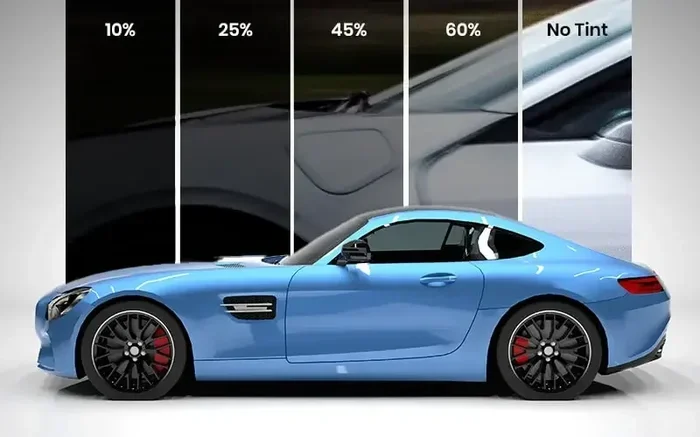
Dyed films come in a range of tint percentages, typically from 5 percent to 50 percent. The lower the percentage, the darker the film. A 5 percent tint, often called “limo tint,” allows very little light through. A 50 percent tint lets in more light and is popular for side windows.
Pros and Cons of Dyed Tint
Dyed tint films have some clear advantages. They are the most affordable option, making them accessible for almost any budget. They also provide a decent level of privacy tint and look natural on your vehicle. For drivers who want a simple upgrade without spending much, dyed film gets the job done.
However, dyed films have notable drawbacks. They offer the weakest heat rejection among all film types. Over time, the dye can fade, turning your tint purple or bluish. This is one of the most common complaints from car owners who choose budget options. Dyed films also provide less IR rejection, meaning infrared heat still passes through to some degree.
Who Should Choose Dyed Tint?
Dyed tint film works best for drivers on a tight budget who want basic glare reduction and a darker look. If you park your car indoors most of the time or live in a mild climate, dyed film can be a perfectly fine choice. Just do not expect it to perform miracles in extreme heat.
Metalized Auto Tint Films
What Is Metalized Tint Film?
Metalized tint film contains tiny metallic particles embedded within the film layers. These particles reflect heat and sunlight away from your car. Unlike dyed film, which absorbs heat, metalized film bounces it off. This gives metalized films a distinct advantage in heat rejection capabilities.
The metallic layer also adds structural strength to the film. This means metalized tints are more durable and resistant to scratching. They tend to hold their color better over time compared to dyed alternatives. Many car owners appreciate the mirror-like finish that metalized films provide.
Pros and Cons of Metalized Tint
The biggest benefit of metalized film is its excellent heat rejection and durability. These films last longer and maintain their appearance better than dyed films. They also provide strong signal reflection, which doubles as a privacy feature.
The downside is signal interference. Because the film contains metal, it can disrupt electronic signals in your vehicle. This may affect your GPS, cell phone reception, radio antenna, and even keyless entry systems. For modern cars packed with technology, this is a serious concern. Metalized films also tend to have a shiny, reflective appearance that some people find too bold.
Who Should Choose Metalized Tint?
Metalized tint film is ideal for drivers who prioritize durability and strong heat rejection. It works well for trucks, SUVs, and vehicles that spend a lot of time outdoors. If your car does not rely heavily on electronic signals, metalized film can be a great performer.
Carbon Auto Tint Films
What Is Carbon Tint Film?
Carbon tint film has become one of the most popular choices in recent years. It uses carbon particles instead of metal to block heat and sunlight. The result is a rich, matte black finish that looks sophisticated and does not fade over time. Carbon film is often called a non-metallic tint because it contains no metal layers.
Carbon films offer strong heat absorption and IR rejection. They block a significant portion of solar energy from entering your car. Many carbon tints also provide excellent UV protection, shielding both your skin and your interior from sun damage.
Pros and Cons of Carbon Tint
The matte finish of carbon film is one of its most appealing features. It does not fade or turn purple like dyed films. It also does not interfere with electronic signals, making it a safe choice for modern vehicles. Carbon window tint provides a good balance between performance and appearance.
The main downside is cost. Carbon films are more expensive than dyed films, though they are generally cheaper than ceramic options. Some lower-quality carbon films may also have a slightly hazy appearance on the edges. But overall, carbon film delivers solid visible light transmission with excellent performance.
Who Should Choose Carbon Tint?
Carbon tint film is perfect for drivers who want a matte black look without signal interference. It suits almost any vehicle and works well in hot climates. If you want a reliable mid-range option that performs well in heat rejection and privacy, carbon film is a strong contender.
Ceramic Auto Tint Films
What Is Ceramic Tint Film?
Ceramic tint film represents the top tier of automotive tinting technology. It uses nano-ceramic particles that are non-conductive and non-metallic. This means ceramic film blocks heat and UV rays without interfering with your car’s electronics. It is widely regarded as the best-performing auto tint film available today.
Ceramic films offer exceptional heat rejection, often blocking 50 to 70 percent of total solar energy. They also provide superior glare reduction, making driving safer and more comfortable. The UV protection levels are among the highest of any film type, often exceeding 99 percent blocking rates.
Pros and Cons of Ceramic Tint
The performance of ceramic film is hard to beat. It delivers the best IR rejection and keeps your car’s interior significantly cooler. It does not fade, bubble, or peel easily. Ceramic tints also maintain clarity and color stability for many years. The non-metallic composition ensures zero signal interference with GPS, Bluetooth, and cellular networks.
The biggest drawback is the price. Ceramic films are the most expensive tint option on the market. High-quality ceramic tints can cost two to three times more than dyed films. For budget-conscious drivers, this price gap can be a dealbreaker. However, many experts argue that the long-term benefits justify the upfront cost.
Who Should Choose Ceramic Tint?
Ceramic tint film is the best choice for drivers who want maximum performance and are willing to invest. It is ideal for luxury vehicles, cars with advanced electronics, and anyone living in extremely hot climates. If you want the best of everything, ceramic film delivers.
Hybrid Auto Tint Films
What Is Hybrid Tint Film?
Hybrid tint film combines two or more technologies into a single layer. Most commonly, it blends dyed and metalized layers together. The goal is to get the best of both worlds. You get the heat absorption properties of dye and the heat reflection properties of metal. The result is a well-rounded film that performs above average in most categories.
Hybrid films often look more natural than fully metalized tints because the dye layers reduce the shiny, reflective appearance. They also tend to be more affordable than pure ceramic films while still offering strong performance. This makes them a popular middle-ground option for many car owners.
Pros and Cons of Hybrid Tint
Hybrid tint films offer a balanced performance profile. They provide good heat rejection, decent UV protection, and a natural-looking finish. They also have less signal interference than fully metalized films because the dye component reduces the metal content. For drivers who want solid performance without paying top-tier prices, hybrid film is a smart pick.
The downside is that hybrid films do not excel in any single category. They are not as good as ceramic films at heat rejection, and they are not as cheap as dyed films. Some lower-quality hybrid films may also experience slight fading over very long periods. But for most drivers, the performance is more than adequate.
Who Should Choose Hybrid Tint?
Hybrid tint film is great for drivers who want a balanced mix of performance and price. It suits daily commuters, family vehicles, and anyone who does not want to overspend on tinting. If you want reliable results without the premium price tag, hybrid film delivers value.
How to Choose the Right Tint Film for Your Vehicle
Compare the Main Tint Types at a Glance
Choosing the right film starts with understanding how each type stacks up against the others. The table below compares the five major auto tint film categories across key performance areas.
| Film Type | Heat Rejection | UV Protection | Signal Interference | Fade Resistance | Price Range |
|---|---|---|---|---|---|
| Dyed | Low | Moderate | None | Poor | $ |
| Metalized | High | Good | High | Good | $$ |
| Carbon | High | Good | None | Excellent | $$ |
| Ceramic | Very High | Excellent | None | Excellent | $$$$ |
| Hybrid | Moderate-High | Good | Low | Good | $$$ |
As you can see, each film type has its strengths and weaknesses. The right choice depends on your priorities. If budget matters most, dyed or hybrid film may be your best bet. If performance is everything, ceramic film stands above the rest.
Check Your Local Auto Tint Laws
Before you buy any tint film, you need to understand the auto tint laws in your area. Every state and country has regulations on how dark your tint can be and which windows you can tint. These laws are measured in visible light transmission (VLT), which is the percentage of light the film allows through.
For example, many states allow a darker tint on rear windows but require a lighter tint on the front side windows. Some states also restrict tint on the windshield itself. Getting caught with illegal tint can result in fines and even require you to remove the film entirely. Always research your local regulations or ask your installer before making a purchase.
Consider Your Climate and Driving Habits
Your local climate plays a big role in choosing the right film. If you live in a hot, sunny region, you will benefit most from films with high solar energy rejection. Ceramic and carbon films excel in these conditions. If you live in a cooler climate, you might prioritize UV protection and glare reduction over extreme heat rejection.
Your driving habits also matter. If you spend long hours on the road, you will notice the difference in glare reduction and cabin temperature more than someone who only drives short distances. Think about your daily routine and what matters most to you behind the wheel.
Professional Installation vs. DIY
While some tint kits are available for DIY installation, professional installation is strongly recommended. A trained installer has the tools, experience, and clean environment needed to apply the film without dust, bubbles, or peeling. Common mistakes like applying tint in a dusty garage or on a humid day can lead to poor results that ruin the film within months.
Professional installation also often comes with warranties. Many reputable shops offer lifetime warranties that cover bubbling, peeling, and fading. This added protection is well worth the investment. If you do choose DIY, make sure you follow the instructions carefully and work in a clean, temperature-controlled space.
Quick Tips for Getting the Best Tint
- Always ask about the warranty before you commit to a tint.
- Request a sample of the film to see the color and finish in person.
- Choose a reputable installer with positive reviews and experience.
- Do not roll down your windows for at least 3 to 5 days after installation.
- Clean your tinted windows with a soft cloth and ammonia-free cleaner.
- Consider your tint percentage carefully based on your privacy and visibility needs.
Common Mistakes to Avoid When Choosing Auto Tint
One of the biggest mistakes is choosing a film based solely on price. The cheapest option often leads to fading, bubbling, and poor heat rejection. Another common error is ignoring local tint laws. You could end up with a ticket and the cost of removing the film.
Some drivers also underestimate the importance of signal interference. If you rely heavily on your phone, GPS, or smart car features, a metalized film could cause frustrating connectivity issues. Always ask your installer about the film’s impact on electronic signals before making a decision.
Finally, do not skip the curing process. Tint film needs time to fully bond to the glass. Rolling your windows down too early can cause the film to peel or shift. Patience in the first few days after installation pays off in long-lasting results.
Expert Insights on Auto Tint Film Selection
Industry professionals consistently point to ceramic and carbon films as the best overall choices for most drivers. According to experienced installers, the key is matching the film to your specific needs rather than chasing the most expensive option.
One seasoned tint specialist shared this insight: “Most drivers overestimate what they need and end up paying for features they will never notice. Start with your climate, your budget, and your daily driving habits. Those three factors will point you toward the right film every time.”
Another common expert recommendation is to invest in UV protection even if you do not care about heat rejection. The long-term benefits for your skin and your car’s interior are significant. UV damage is cumulative and often invisible until it is too late.
Experts also stress the importance of choosing a trusted brand. Not all tint films are created equal. Reputable brands like 3M, Llumar, SunTek, and Solar Gard have decades of research behind their products. A trusted brand is more likely to deliver consistent quality and reliable warranty coverage.
Conclusion
Choosing among the different types of auto tint films does not have to be confusing. Once you understand what each film type offers, the decision becomes much clearer. Dyed films are the budget-friendly starter option. Metalized films bring strong durability and heat rejection but may interfere with signals. Carbon films deliver a great matte finish with no signal issues. Ceramic films are the gold standard for performance. And hybrid films strike a balanced middle ground.
The best auto tint film for you depends on your budget, your climate, your driving habits, and your priorities. Take the time to compare your options, check your local laws, and invest in professional installation. A quality tint film will protect your skin, keep your car cooler, reduce glare, and enhance the look of your vehicle for years to come. Make the choice that fits your life, and you will enjoy the benefits every time you get behind the wheel.
Frequently Asked Questions
What is the best type of auto tint film for heat rejection?
Ceramic tint film offers the best heat rejection of any auto tint type. It blocks up to 70 percent of solar energy without interfering with electronic signals. If heat is your top concern, ceramic film is the clear winner.
Is DIY auto tint installation a good idea?
DIY installation is possible but not recommended for most people. Improper application leads to bubbles, peeling, and dust trapped under the film. Professional installation ensures a clean, durable result and often comes with a warranty.
How long does auto tint film last?
High-quality films like ceramic and carbon can last 10 to 20 years with proper care. Dyed films tend to fade within 3 to 5 years. The lifespan depends on the film type, the quality of installation, and how well you maintain the tinted windows.
Are there any side effects of auto tinting?
The most common side effect is reduced visibility at night with very dark tints. Some metalized films can interfere with GPS, phone signals, and keyless entry. Choosing the right film type and percentage helps minimize these issues.
Can I tint my windshield?
Most states allow a small strip of tint at the top of the windshield, known as an eyebrow tint. Full windshield tinting is illegal in many areas. Always check your local auto tint laws before tinting any window.
What tint percentage is best for privacy?
A lower tint percentage means darker glass and more privacy. 5 percent to 20 percent tint provides strong privacy but may limit nighttime visibility. 35 percent to 50 percent is a popular balance between privacy and safe driving visibility.