How Long Does It Take to Reset TPMS on a BMW Today
Resetting the TPMS on a BMW typically takes between 10 minutes and 30 minutes, depending on your model and the method you use. Most BMW owners can handle the process at home with just a few button presses on the iDrive system. However, some models may require a dealer scan tool or a manual reset procedure that takes a bit longer.
Driving a BMW comes with a lot of perks. Smooth handling, luxurious interiors, and cutting-edge technology. But every BMW owner has faced that dreaded moment. You glance at the dashboard and see the tire pressure warning light staring back at you. It is a small symbol, but it can cause big worry. The first question that pops into most drivers’ minds is simple: how long does it take to reset TPMS on a BMW?
The good news is that resetting the TPMS on a BMW is usually a quick process. In most cases, you can do it yourself in under 30 minutes. Some BMW models make it even easier with a few button presses on the iDrive controller. Others may need a slightly longer approach. Either way, you do not need to panic. This guide walks you through everything you need to know about the BMW tire pressure reset process.
We will cover the time it takes, the different methods for various models, common problems, and when you should see a professional. Whether you drive a BMW 3 Series, an X5, or a 7 Series, this article has you covered. Let us dive in and get that warning light off your dashboard for good.
Key Takeaways
- Quick Reset: Most BMW TPMS resets take 10 to 30 minutes
- DIY Friendly: You can reset TPMS at home without a mechanic in most cases
- Model Matters: Different BMW models use different reset methods
- Sensor Battery Life: TPMS sensors last 5 to 10 years before needing replacement
- Warning Light Persists? A stuck TPMS light may signal a real tire issue or a dead sensor
- Professional Help: Complex TPMS problems may require a BMW dealer or specialist
📑 Table of Contents
- What Is TPMS and Why Does It Matter on a BMW?
- How Long Does It Take to Reset TPMS on a BMW?
- Step-by-Step Guide to Resetting TPMS on a BMW
- Common Reasons the TPMS Light Won’t Go Away After Reset
- TPMS Reset Methods for Different BMW Models
- When to Seek Professional Help for TPMS Issues
- Tips to Keep Your BMW TPMS System in Good Shape
- Final Thoughts on Resetting TPMS on Your BMW
What Is TPMS and Why Does It Matter on a BMW?
Before we talk about reset times, let us quickly cover what TPMS actually is. TPMS stands for Tire Pressure Monitoring System. It is a safety feature that monitors the air pressure inside your tires. When the pressure drops below the recommended level, the system triggers a warning light on your dashboard.
BMW vehicles use both direct and indirect TPMS systems. Direct TPMS has a small sensor inside each tire. These sensors send real-time pressure data to your car’s computer. Indirect TPMS uses the wheel speed sensors from your ABS system. It detects when a tire is rolling differently because of low pressure.
Why does this matter so much on a BMW? Because BMW engineers design these vehicles for performance and precision. Even a small drop in tire pressure affects handling, fuel economy, and tire wear. The TPMS light is your early warning system. Ignoring it can lead to unsafe driving conditions and expensive tire damage.
How TPMS Sensors Work in BMW Vehicles
Each tire has a tiny sensor attached to the valve stem. These sensors run on small batteries that last between 5 and 10 years. When the battery dies or the sensor malfunctions, the TPMS light stays on even if your tire pressure is fine. This is one of the most common reasons BMW owners need a TPMS sensor reset.
The sensors transmit data to a receiver module in the car. The module processes the information and displays it on your instrument cluster. On newer BMW models with iDrive, you can even view individual tire pressures in real time. This makes monitoring your BMW tire health easier than ever.
How Long Does It Take to Reset TPMS on a BMW?
The TPMS reset time varies depending on your BMW model, the reset method, and whether there is an underlying issue. Most resets take anywhere from 10 minutes to 30 minutes. Here is a general breakdown of what to expect.
Quick Reset Method (10 to 15 Minutes)
The fastest way to reset TPMS on most BMW models is through the iDrive system. This method works on many newer BMWs including the 3 Series, 5 Series, and X Series SUVs. You simply navigate through the menu, select the tire pressure option, and confirm the reset. The entire process takes about 10 to 15 minutes.
This method is ideal when the TPMS light comes on after you have checked and corrected your tire pressure. It is also useful after you rotate your tires or replace a sensor. The system simply needs to recalibrate to the current pressure readings.
Manual Reset Method (15 to 25 Minutes)
Some older BMW models do not have a digital TPMS reset option. Instead, they use a manual reset button. This button is usually located under the steering column or near the glove box. The manual reset process takes a bit longer because you need to drive the car at a specific speed after pressing the button.
You press the reset button, then drive the BMW at speeds between 30 and 50 mph for about 10 minutes. The system recalibrates as you drive. This method works well for BMW models from the early 2010s and late 2000s. It is straightforward but requires a bit of patience.
Dealer or Scan Tool Method (20 to 45 Minutes)
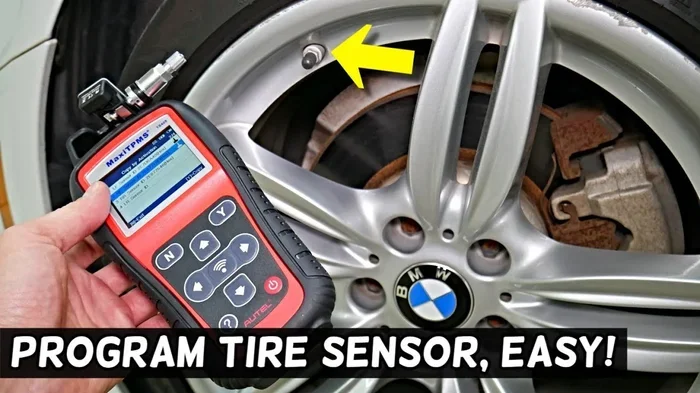
If the quick and manual methods do not work, you may need a professional scan tool. BMW dealerships and certified auto shops have diagnostic equipment that can reset the TPMS module directly. This method takes longer, usually between 20 and 45 minutes.
The scan tool communicates with the car’s onboard computer. It reads any error codes, clears the fault, and recalibrates the system. This is the best option when the TPMS light stays on after a tire change or when a sensor battery has died. Keep in mind that if a sensor needs replacement, the total time increases. You should expect to add about 30 to 60 minutes for sensor replacement.
Comparison Table: TPMS Reset Methods and Time Estimates
| Method | BMW Models | Estimated Time | Difficulty Level |
|---|---|---|---|
| iDrive Digital Reset | 2010 and newer | 10 to 15 minutes | Easy |
| Manual Reset Button | 2006 to 2010 | 15 to 25 minutes | Moderate |
| Scan Tool / Dealer | All models | 20 to 45 minutes | Professional |
| Sensor Replacement + Reset | All models | 45 to 90 minutes | Professional |
As you can see, the BMW TPMS reset time depends heavily on your model year and the method available. The good news is that most owners can handle the process without visiting a dealer.
Step-by-Step Guide to Resetting TPMS on a BMW
Now that you know the timeframes, let us walk through the actual reset process. Follow these steps carefully for the best results.
Step 1: Check Your Tire Pressure
Before you reset anything, make sure your tire pressure is correct. Use a reliable tire gauge to check all four tires, including the spare if applicable. The recommended pressure for your BMW is listed on the sticker inside the driver’s door frame. Inflate or deflate your tires to match the specification.
This is a critical step many people skip. Resetting the TPMS without addressing the actual pressure issue will just cause the light to come back on. Take the extra five minutes to check your tires properly.
Step 2: Start the BMW and Navigate to iDrive
Press the start button to power on your BMW. Do not drive yet. Use the iDrive controller to go to the main menu. From there, navigate to Vehicle Info, then Vehicle Status, and look for the tire pressure option. On some models, you may find it under Settings then Vehicle Settings.
Step 3: Select the TPMS Reset Option
Once you find the tire pressure menu, select the Reset TPMS or Calibrate Tires option. The system will ask you to confirm the reset. Press yes or confirm. The iDrive screen will show a progress bar while the system recalibrates.
Step 4: Drive the BMW for Recalibration
After the reset, drive your BMW at speeds between 30 and 50 mph for at least 10 minutes. The system needs this driving time to relearn the tire pressure values. Avoid sudden braking or sharp turns during this period.
Step 5: Verify the TPMS Light Is Off
After your driving period, check the dashboard. The TPMS warning light should be off. If it is still on, repeat the process or try the manual reset method. If the light persists after two attempts, it is time to see a professional.
For BMW owners who also handle other maintenance tasks like oil changes, you might want to check whether you can get your BMW oil changed anywhere or if it needs to be done at a certified center. Similarly, if you are wondering about broader service requirements, understanding whether a BMW has to be serviced by BMW can save you time and money.
Common Reasons the TPMS Light Won’t Go Away After Reset
Sometimes the TPMS light stays on even after you follow the reset procedure correctly. This can be frustrating, but it usually points to a specific issue. Here are the most common reasons the BMW TPMS light refuses to turn off.
1. Low Tire Pressure in One or More Tires
The most obvious reason is that one or more tires still have low pressure. Even a small leak can trigger the light. Check all tires again with a gauge. Look for visible punctures, bulges, or uneven wear. If you find a nail or screw in the tread, get it patched or replaced before resetting the system.
2. Dead TPMS Sensor Battery
TPMS sensors run on small batteries that typically last 5 to 10 years. When the battery dies, the sensor cannot transmit pressure data. The system reads this as a fault and keeps the light on. Replacing a dead sensor battery or the entire sensor takes more time but is a straightforward fix at most tire shops.
3. Temperature Changes
Cold weather can temporarily lower tire pressure and trigger the TPMS light. This is especially common in winter months. If the light comes on after a cold night, inflate your tires to the recommended pressure and reset the system. The light should stay off once the tires warm up and reach proper pressure.
4. Recent Tire or Wheel Replacement
If you recently replaced tires, rotated them, or changed wheels, the TPMS system needs time to recalibrate. Sometimes the sensors need to be reprogrammed to the new wheels. This is especially true if you switched to aftermarket wheels that do not have the original sensor mounting setup.
5. Faulty TPMS Module
In rare cases, the TPMS control module itself may be faulty. This can happen after a battery disconnect, an electrical issue, or water damage to the module. A faulty module requires professional diagnosis and potentially a replacement. This is the least common but most expensive reason for a persistent TPMS light.
TPMS Reset Methods for Different BMW Models
Not all BMWs are created equal, and neither are their TPMS reset procedures. Let us look at how the process differs across popular BMW model lines.
BMW 3 Series (F30, G20, and Newer)
The BMW 3 Series offers a straightforward digital TPMS reset through iDrive. Go to Vehicle Info, then Vehicle Status, and select Tire Pressure Monitor. Choose the reset option and confirm. The process takes about 10 minutes. These models also display individual tire pressure readings on the iDrive screen, making it easy to spot which tire might be causing the issue.
BMW X Series (X3, X5, X7)
BMW X Series SUVs follow a similar reset process to the 3 Series. Navigate through iDrive to the tire pressure menu and select reset. The main difference is that X Series models have larger tires, which may take slightly longer to recalibrate during the driving phase. Plan for about 15 minutes of driving at steady speeds after the reset.
BMW 5 Series and 7 Series
The 5 Series and 7 Series use the same iDrive-based reset method. These higher-end models may have additional tire pressure display features in the digital instrument cluster. The reset process is just as quick, typically taking under 15 minutes from start to finish.
Older BMW Models (E46, E90, and Pre-2010)
Older BMW models often have a physical reset button rather than a digital menu option. Look for the button under the steering column or near the fuse box. Press and hold the button until the TPMS light blinks three times. Then drive the car at 30 to 50 mph for about 10 minutes. The system should recalibrate and the light should turn off.
When to Seek Professional Help for TPMS Issues
Most TPMS resets go smoothly and take less than 30 minutes. But there are times when professional help is the right call. Knowing when to visit a dealer or mechanic can save you from frustration and potential safety risks.
Signs You Need Professional TPMS Service
- The TPMS light stays on after two reset attempts
- One or more sensors show a “sensor fault” message on iDrive
- You hear a hissing sound from a tire, indicating a slow leak
- The TPMS light flashes instead of staying solid
- You recently replaced sensors but the light still appears
- Your BMW has been sitting unused for several months
If you notice any of these signs, it is best to visit a BMW dealership or a qualified independent mechanic. They have the diagnostic tools and expertise to identify the root cause. Trying to force a reset when there is a deeper problem can lead to inaccurate readings and potential safety issues.
For BMW owners who want to handle basic maintenance themselves, it is worth knowing what you can do at home. Things like checking tire pressure, performing oil changes, and resetting warning lights are all manageable DIY tasks. However, more complex systems like the TPMS may sometimes need specialized equipment. If you are curious about what other maintenance you can handle independently, check out whether you can use Peak coolant in a BMW or explore other DIY BMW maintenance options.
Tips to Keep Your BMW TPMS System in Good Shape
Prevention is always better than cure. Here are some simple tips to keep your BMW’s TPMS functioning properly and avoid frequent resets.
- Check tire pressure monthly: Make it a habit to check all four tires once a month. Use a quality tire gauge and compare readings to the recommended PSI on the door sticker.
- Replace sensor batteries proactively: TPMS sensor batteries typically last 5 to 10 years. If your BMW is getting older, consider replacing the batteries before they die unexpectedly.
- Keep valve stems in good condition: Damaged or corroded valve stems can cause slow air leaks. Inspect them regularly and replace them if needed.
- Reset after tire service: Always reset the TPMS after rotating tires, replacing tires, or changing wheels. This ensures the system recalibrates to the current setup.
- Address warning lights promptly: Do not ignore the TPMS light. The longer you wait, the more likely a small problem becomes a big and expensive one.
Taking care of your BMW’s TPMS system is part of overall BMW tire maintenance. It keeps you safe on the road and helps your tires last longer. A few minutes of regular attention can save you hours of troubleshooting later.
Final Thoughts on Resetting TPMS on Your BMW
The TPMS reset process on a BMW is simpler than most people think. Whether you drive a brand-new 2024 BMW 3 Series or a classic E46, the reset process follows a similar logic. Most resets take between 10 and 30 minutes. The digital iDrive method is the fastest and most convenient. The manual button method works well for older models. And the dealer scan tool method is your best bet when the system has a deeper issue.
Always start by checking your actual tire pressure before resetting. This one step saves time and prevents the light from coming back on. If the light persists, do not ignore it. Use the troubleshooting tips in this article to identify the cause, and do not hesitate to seek professional help when needed.
Keeping your BMW’s TPMS system in good working order is a small effort with big rewards. It improves safety, boosts fuel efficiency, and extends the life of your tires. The next time that little yellow light appears on your dashboard, you will know exactly what to do and how long it will take.
Remember, regular BMW maintenance goes beyond just the TPMS. Keeping up with oil changes, fluid checks, and dashboard warning lights ensures your BMW runs at its best. For more BMW maintenance tips, explore our guides on topics like whether a BMW has to be serviced by BMW or if you can get your BMW oil changed anywhere to stay ahead of your car care routine.
Frequently Asked Questions
Can I drive my BMW with the TPMS light on?
You can drive short distances with the TPMS light on, but it is not recommended. The light indicates that your tire pressure is outside the safe range. Driving on underinflated tires can reduce handling, increase fuel consumption, and cause uneven tire wear. Check your tire pressure as soon as possible and reset the system once the pressure is corrected.
How often do BMW TPMS sensors need to be replaced?
TPMS sensors typically last between 5 and 10 years, depending on driving conditions and battery life. The battery is built into the sensor and cannot be replaced separately on most models. When the sensor battery dies, you need to replace the entire sensor. If your BMW is over 7 years old, it is a good idea to have the sensors checked during routine tire service.
Can I reset the TPMS on my BMW without an iDrive system?
Yes, older BMW models without a full iDrive system usually have a physical reset button. The button is typically located under the steering column or near the fuse box. Press and hold it until the TPMS light blinks three times, then drive the car at 30 to 50 mph for about 10 minutes to complete the recalibration.
Why does my BMW TPMS light come back after I reset it?
The TPMS light usually comes back because the underlying issue has not been resolved. Common causes include a slow tire leak, a dead sensor battery, or a faulty sensor. Check all tire pressures first, then inspect the sensors if the pressure is correct. If the light persists after two reset attempts, a professional diagnosis is recommended.
Is it safe to reset TPMS myself or should I visit a dealer?
Resetting TPMS yourself is safe and straightforward for most BMW models. The digital iDrive method takes just a few minutes and requires no special tools. However, if the reset does not work or if you see a sensor fault message, visiting a dealer or qualified mechanic is the best choice. They have the diagnostic equipment to identify hidden problems.
How much does it cost to reset TPMS at a BMW dealership?
A TPMS reset at a BMW dealership typically costs between $50 and $150 if no sensor replacement is needed. If a sensor battery needs replacement, the cost rises to around $100 to $200 per sensor. Many independent tire shops can perform the reset for less, often between $30 and $80. Always ask for a price estimate before authorizing any service.
=== CONCLUSION ===
Resetting the TPMS on a BMW is a quick and manageable task for most owners. The process typically takes 10 to 30 minutes depending on your model and the method you use. Whether you prefer the digital iDrive route, the manual button method, or a professional scan tool, you now have the knowledge to handle it confidently. Remember to always check your tire pressure first, reset the system properly, and drive for the recommended recalibration period. Keeping your BMW tire pressure monitoring system in good shape is a small effort that pays off in safety, performance, and tire longevity. Take care of your BMW, and it will take care of you on every drive.