Difference Between Cabin Air Filter and Engine Air Filter
The cabin air filter cleans the air you breathe inside your car, while the engine air filter protects your engine from dust and debris. Both filters play a vital role in your vehicle, but they serve completely different purposes. Understanding this difference between cabin air filter and engine air filter helps you maintain your car properly and avoid costly repairs.
Every car owner should understand the difference between cabin air filter and engine air filter. These two small parts do very different jobs, yet they both keep your vehicle running well and your ride comfortable. When was the last time you thought about either one?
Most drivers ignore their filters until something goes wrong. A dirty engine air filter can rob your car of power. A clogged cabin filter can make the air inside your car smell musty and feel unhealthy. Neither situation is fun to deal with.
In this guide, we will break down everything you need to know. You will learn what each filter does, where it sits in your car, how often to replace it, and what happens when you skip maintenance. By the end, you will feel confident handling both filters like a pro.
Key Takeaways
- Different Jobs: The cabin air filter cleans air entering the passenger compartment, while the engine air filter cleans air entering the combustion chamber.
- Different Locations: You will find the cabin filter behind the glovebox and the engine filter in the airbox near the engine.
- Different Replacement Schedules: Cabin filters typically need replacement every 15,000 to 30,000 miles, while engine filters last 15,000 to 45,000 miles depending on driving conditions.
- Different Costs: Cabin filters cost $15 to $50, while engine air filters range from $20 to $75.
- Both Matter: Neglecting either filter can lead to poor air quality inside your car or reduced engine performance.
- Easy DIY: Both filters are relatively simple to replace at home with basic tools.
📑 Table of Contents
What Is a Cabin Air Filter?
The cabin air filter is also called a pollen filter or interior filter. Its main job is to clean the air that enters the passenger cabin through your car’s HVAC system. This means every breath you take while driving passes through this filter first.
How the Cabin Air Filter Works
Air enters your car through vents on the dashboard and doors. Before it reaches you, it flows through the cabin filter. This filter traps dust, pollen, smog, soot, and even tiny bugs. It acts like a net that catches airborne particles before they enter your breathing space.
Modern cabin filters go a step further. Many include activated carbon layers. These layers absorb odors, exhaust fumes, and harmful gases. This makes the air inside your car much cleaner and fresher.
Where Is the Cabin Air Filter Located?
Most cabin filters sit behind the glovebox. In some vehicles, you will find them under the dashboard or beneath the hood near the windshield. The exact spot depends on your car’s make and model.
Checking your owner’s manual is the easiest way to find yours. Once you know the location, accessing the filter is usually straightforward. In many cars, you simply pop off the glovebox and slide the filter out.
Signs Your Cabin Air Filter Needs Replacing
Your car gives clear warning signs when the cabin filter is dirty. Watch for these symptoms:
- Weak airflow from the vents, even on high fan speed
- Unpleasant odors coming from the air conditioning or heating system
- Increased sneezing or allergy symptoms inside the car
- Visible dust or debris around the vent openings
- Whistling sounds when the HVAC system is running
If you notice any of these signs, check your cabin filter right away. Replacing it is quick, easy, and inexpensive.
What Is an Engine Air Filter?
The engine air filter protects your engine from harmful particles. Your engine needs a steady supply of clean air to burn fuel efficiently. Without a proper filter, dust, dirt, and debris would enter the combustion chamber and cause serious damage.
How the Engine Air Filter Works
Air enters your engine through the air intake system. Before it reaches the combustion chamber, it passes through the engine air filter. This filter captures dirt, dust, sand, and other microscopic particles. Clean air mixes with fuel and ignites in the cylinders, powering your car forward.
A dirty engine air filter restricts airflow. This means your engine works harder to get the air it needs. Over time, this leads to reduced fuel economy, lower power output, and potential engine damage.
Where Is the Engine Air Filter Located?
You will find the engine air filter in the airbox, which sits near the top of the engine. A large plastic tube connects the airbox to the throttle body. The airbox has a clip or latch that holds the filter cover in place.
Opening the airbox and inspecting the filter is one of the simplest maintenance tasks. You do not need any special tools in most cases. Just unclip the cover, pull out the old filter, and slide in a new one.
Signs Your Engine Air Filter Needs Replacing
An engine air filter does not always show obvious symptoms when it gets dirty. However, here are the most common warning signs:
- Reduced acceleration and sluggish engine response
- Lower fuel economy than usual
- Dark smoke or black soot from the exhaust
- Check engine light illuminating on the dashboard
- Unusual engine sounds, such as popping or sputtering
- Strong smell of fuel from the exhaust pipe
If you live in a dusty area or drive on unpaved roads frequently, your engine air filter will get dirty faster. Consider checking it more often in these conditions.
Key Differences Between Cabin Air Filter and Engine Air Filter
Now that you understand what each filter does, let us compare them side by side. The difference between cabin air filter and engine air filter comes down to purpose, location, and maintenance needs.
Comparison Table
| Feature | Cabin Air Filter | Engine Air Filter |
|---|---|---|
| Purpose | Cleans air entering the passenger cabin | Protects the engine from dust and debris |
| Location | Behind the glovebox or under the dashboard | In the airbox near the engine |
| Filter Type | Particulate filter, often with activated carbon | Paper or synthetic fibrous filter |
| Replacement Interval | Every 15,000 to 30,000 miles | Every 15,000 to 45,000 miles |
| Average Cost | $15 to $50 | $20 to $75 |
| DIY Difficulty | Easy | Very Easy |
| Affects | Air quality inside the car | Engine performance and fuel economy |
Purpose and Function
The cabin air filter focuses on your health and comfort. It removes allergens, pollutants, and odors from the air you breathe. The engine air filter focuses on mechanical protection. It prevents abrasive particles from entering sensitive engine components.
Think of it this way. The cabin filter is like a mask you wear. The engine filter is like a helmet protecting your engine. Both are essential, but they protect entirely different things.
Replacement Intervals
Replacement schedules vary based on driving conditions and vehicle type. Here is a general breakdown:
- Cabin air filter: Replace every 15,000 to 30,000 miles, or once a year. If you drive in heavy traffic or polluted areas, replace it more often.
- Engine air filter: Replace every 15,000 to 45,000 miles. Check it during every oil change and replace when it looks dirty.
Always refer to your vehicle’s owner manual for the manufacturer’s recommended schedule. Some newer cars have indicator lights that tell you exactly when to replace each filter.
Cost Comparison
Both filters are affordable to replace. Cabin air filters typically cost between $15 and $50 for the part alone. Engine air filters range from $20 to $75. If you replace them yourself, you save on labor costs entirely.
Some people prefer high-performance aftermarket filters. These cost a bit more upfront but often last longer and provide better filtration. Brands like K&N offer reusable engine air filters that you can clean and reinstall.
DIY Replacement Tips
Replacing both filters at home is one of the easiest car maintenance tasks you can do. Here are some quick tips:
- Buy the right filter: Check your owner’s manual or use an online parts finder to get the correct size and type for your vehicle.
- Work on a cool engine: Let your car sit for at least 10 minutes before opening the airbox.
- Note the filter orientation: Before removing the old filter, observe how it sits. Install the new filter in the same direction.
- Inspect the airbox: While the filter is out, wipe down the inside of the airbox or cabin housing. Remove any debris or moisture.
- Dispose of old filters properly: Throw them in the trash. Do not try to clean and reuse disposable paper filters.
Why Filter Maintenance Matters
Skipping filter maintenance can cause real problems for your car. A clogged engine air filter starves your engine of air. This creates a rich fuel mixture that wastes gas and increases emissions. Over time, it can lead to spark plug fouling and catalytic converter damage.
A dirty cabin filter does more than make the air stale. It can harbor mold and bacteria inside the HVAC system. This can cause respiratory issues, especially for people with allergies or asthma. In severe cases, a blocked cabin filter can damage the blower motor, leading to an expensive repair.
Regular filter maintenance also helps your car pass emissions inspections. A clean engine air filter ensures your vehicle runs efficiently and produces fewer harmful pollutants. This is better for the environment and for your wallet at the gas pump.
Some drivers wonder if a dirty filter triggers warning lights. In certain vehicles, a severely restricted engine air filter can cause the check engine light to come on. This is a clear sign that airflow to the engine is compromised and needs immediate attention.
Common Mistakes People Make With Car Filters
Even car owners who care about maintenance sometimes make mistakes. Here are the most common errors to avoid:
Using the Wrong Filter Type
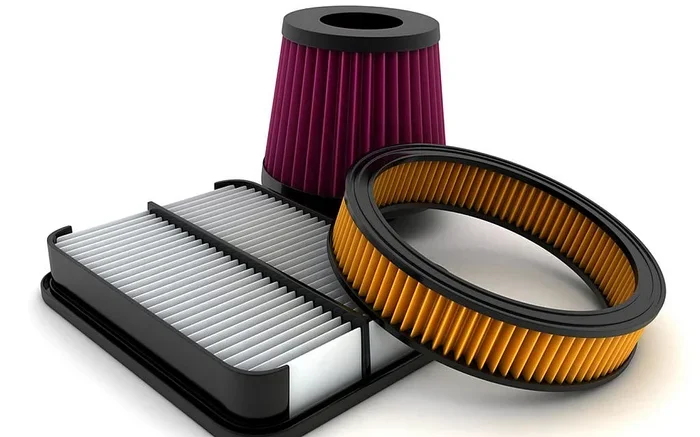
Not all filters are the same. Cabin filters come in standard particulate and carbon-activated versions. Engine filters come in paper and reusable cotton gauze styles. Using the wrong type can reduce filtration effectiveness or even damage your system.
Ignoring the Filter Until It Is a Problem
Many drivers replace filters only when symptoms become obvious. By then, the damage may already be done. Stick to a regular replacement schedule. Set a reminder on your phone or calendar every 15,000 miles.
Forgetting the Cabin Filter Entirely
The cabin air filter is a relatively newer feature in many cars. Some drivers do not even know it exists. If you have never replaced yours, check your owner’s manual today. You might be breathing dirty air every time you drive.
Over-Oiling Reusable Filters
If you use a reusable engine air filter, follow the manufacturer’s oiling instructions carefully. Over-oiling can restrict airflow and contaminate the mass airflow sensor. This leads to rough idling and poor engine performance.
How Often Should You Inspect Your Filters?
Inspection is just as important as replacement. We recommend checking both filters every 5,000 to 10,000 miles. This is easy to do during routine maintenance like oil changes or tire rotations.
Hold the engine air filter up to a bright light. If you cannot see light through it, it is time for a replacement. For the cabin filter, look for visible dirt, debris, or discoloration. Any of these signs mean a new filter is needed.
Living conditions matter a lot here. If you drive in a city with heavy pollution, on dusty rural roads, or in areas with lots of pollen, you will need to inspect your filters more frequently. The same goes for drivers in humid climates where moisture can promote mold growth in the cabin filter housing.
Keeping a small log of your filter replacements helps you stay on track. Note the date and mileage each time you replace a filter. This simple habit makes it easy to know when the next replacement is due.
Expert Insights on Air Filter Maintenance
Automotive experts agree that filter maintenance is one of the most overlooked aspects of car care. A clean engine air filter can improve fuel economy by up to 10 percent in some cases. That is real money saved at the pump over time.
When it comes to cabin air quality, the benefits go beyond comfort. The air filtration system in your car plays a direct role in your health during every drive. People with allergies or respiratory conditions notice the difference almost immediately after replacing a dirty cabin filter.
Some modern vehicles now include sensors that monitor filter condition. These systems make maintenance even easier. If your car has this feature, pay attention to the alerts and replace filters promptly when prompted.
It is also worth noting that engine performance issues can sometimes be misdiagnosed. A simple dirty air filter might cause symptoms that look like a bigger problem. Before you spend money on expensive repairs, check your filters first. This saves time, money, and unnecessary stress.
Final Thoughts
The difference between cabin air filter and engine air filter comes down to their distinct roles. One protects your health and comfort. The other protects your engine and keeps it running efficiently. Both deserve regular attention and timely replacement.
Filter maintenance is one of the simplest and cheapest things you can do for your car. A few dollars and ten minutes of your time can make a huge difference. Your car will run better, your fuel economy will improve, and the air inside your cabin will feel fresher.
So the next time you are at the auto parts store or browsing online, grab replacements for both filters. Make it a habit to check them regularly. Your car, and your lungs, will thank you.
Small maintenance tasks like this add up to big savings over the life of your vehicle. Stay proactive, stay informed, and keep your car in top shape year after year.
Frequently Asked Questions
Can I clean and reuse my engine air filter?
Some engine air filters are designed to be reusable, such as K&N cotton gauze filters. These can be cleaned with a special cleaning solution and re-oiled. However, standard paper engine air filters cannot be cleaned and reused. Always check the manufacturer’s recommendations before attempting to clean any filter.
What happens if I drive with a dirty cabin air filter?
Driving with a dirty cabin air filter reduces airflow from your vents and can cause unpleasant odors. It also allows more dust, pollen, and pollutants into your car’s interior. Over time, this can strain the blower motor and create a breeding ground for mold and bacteria inside the HVAC system.
How much does it cost to replace both filters at once?
Replacing both filters typically costs between $35 and $125 for the parts alone. If you do it yourself, you save on labor entirely. Many auto parts stores sell both filters together and can help you find the right fit for your specific vehicle model.
Can a dirty engine air filter cause the check engine light to come on?
Yes, in some cases a severely dirty engine air filter can trigger the check engine light. Restricted airflow affects the air-fuel mixture, which can cause the engine to run poorly. This may activate warning lights or error codes. If your check engine light comes on, checking the air filter is a good first step before assuming a more serious problem.
Is there a difference between a cabin filter and a pollen filter?
No, a cabin filter and a pollen filter are the same thing. Different manufacturers use different names for the same component. Both terms refer to the filter that cleans the air entering your car’s passenger compartment. Some filters also include activated carbon for odor removal.
Can I replace my air filters more often than the recommended schedule?
Absolutely. Replacing your filters more frequently than the recommended schedule will not harm your car. In fact, it can improve engine performance and cabin air quality. If you drive in harsh conditions like dusty roads or heavy traffic, more frequent replacements are a smart choice.