Can You Float Gears in a Car And What You Should Know
Floating gears in a car means shifting without using the clutch, relying on matching engine speed to wheel speed. Many drivers wonder if this technique is safe or if it will destroy their transmission. The short answer is that it can be done, but it comes with real risks to your drivetrain and clutch components. This guide breaks down exactly how floating gears works, when it might make sense, and how to avoid costly damage.
Have you ever watched someone shift a car without touching the clutch pedal and wondered what was going on? That technique is called floating gears, and it has been a topic of debate among drivers for decades. Some people swear by it. Others say it will ruin your transmission in no time. So what is the truth?
In this article, we will walk through everything you need to know about float gears in a car. We will cover how the technique works, whether it damages your transmission, when people use it, and how to do it safely. By the end, you will have a clear picture of this driving method and whether it belongs in your driving habits.
Key Takeaways
- Floating gears means shifting without the clutch: You match engine speed to transmission input speed using only throttle and gear selection.
- It can cause wear on synchros and gears: Repeated floating puts stress on gear teeth and synchronization mechanisms inside the transmission.
- Not all cars respond the same way: Older manual cars with dog-eared gears may handle floating better than modern synchromesh transmissions.
- There are specific situations where drivers use this technique: Downshifting without the clutch and rev matching are common reasons people float gears.
- Proper technique reduces damage risk: Matching RPM correctly and using smooth inputs makes floating gears safer.
- Regular transmission maintenance matters: Fresh transmission fluid and a healthy clutch extend the life of your gear system.
- If you notice grinding or slipping, stop: These are signs your transmission needs attention before further damage occurs.
📑 Table of Contents
- What Does It Mean to Float Gears in a Car?
- How Floating Gears Works — The Mechanics Behind It
- Can Floating Gears Damage Your Transmission?
- When and Why People Float Gears
- How to Float Gears Safely and Correctly
- Expert Maintenance Tips for Manual Transmission Owners
- Common Mistakes When Floating Gears
- Key Takeaways
What Does It Mean to Float Gears in a Car?
Floating gears means shifting between gears without pressing the clutch pedal. Instead of disengaging the clutch to separate the engine from the transmission, you match the engine speed to the transmission input speed and slide the gear into place. The term comes from the idea that the gear dogs (the teeth that lock gears together) float into engagement rather than being pulled in by a clutch release.
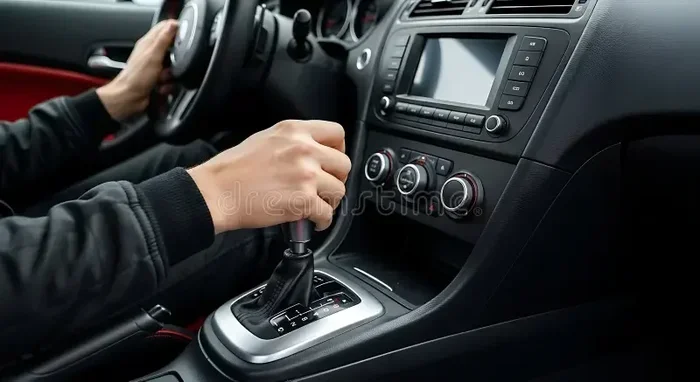
This technique is most commonly associated with manual transmission vehicles. Automatic cars do not have a clutch pedal, so the concept does not apply to them. If you drive a manual car, you have likely seen someone downshift without using the clutch. That is the most common form of floating gears.
Some drivers use this method out of habit. Others do it because the clutch is worn out and they cannot shift normally anymore. And some drivers do it simply because they think it looks cool or feels smoother. Whatever the reason, understanding what is happening inside your transmission is key to doing it safely.
The core idea behind float gears is simple in theory. You need the engine speed to match the speed the transmission input shaft is spinning at for that gear. When those speeds align, the gear slides in smoothly. When they do not match, you get grinding, grinding gears, and potential damage over time.
How Floating Gears Works — The Mechanics Behind It
To understand float gears in a car, it helps to know a little about how your manual transmission operates. The transmission connects your engine to the wheels through a series of gears of different sizes. Each gear provides a different ratio of engine speed to wheel speed. The clutch sits between the engine and the transmission and acts as a bridge that connects and disconnects them.
Understanding Your Manual Transmission
Inside a manual transmission, you have several key components. The gear selector fork moves gears along a shaft to engage different ratios. Synchros are small cone-shaped devices that match the speed of the gear you are engaging to the speed of the shaft. Dog clutches are the interlocking teeth that lock the gear to the shaft once speeds are matched.
When you use the clutch normally, it disconnects the engine from the transmission. This lets the synchros do their job without the engine fighting against them. The gear slides in smoothly because there is no resistance from the engine.
When you float a gear, you skip the clutch entirely. You must use the throttle to raise or lower engine speed so that it matches the transmission input speed for the gear you want to engage. This is essentially rev matching on purpose, but without the clutch as a buffer.
What Happens When You Float a Gear
Here is what occurs in the moment you shift without the clutch. You take your foot off the throttle, which lets the engine speed drop. At the same time, you move the gear selector into the next gear. If the engine speed and the transmission input speed are close enough, the synchros can do their job and the gear engages.
If the speeds are not close enough, the gear dogs cannot lock in. You will hear grinding, and the gear will not seat properly. Repeated attempts to force a gear in when speeds do not match can wear down the synchros and damage the gear teeth over time.
The key takeaway is that floating gears in a car requires precise speed matching. It is not as simple as just moving the stick. The timing and throttle input must be dialed in for each shift.
Can Floating Gears Damage Your Transmission?
This is the question most drivers want answered, and the honest answer is: it depends. Floating gears occasionally and doing it correctly will not destroy your transmission overnight. But doing it repeatedly or incorrectly can cause real wear and damage over time.
The Role of Synchros
Synchros are the most vulnerable part of your transmission when you float gears. These small components work hard to match speeds between the gear you are engaging and the shaft it sits on. When you use the clutch normally, the synchros have time to do their job in peace. The engine is disconnected, so there is no fighting.
When you float a gear, the synchros must do their job while the engine is still connected to the transmission. This puts more stress on them. Over thousands of shifts, this extra stress can cause synchro wear. Worn synchros lead to difficulty shifting, grinding, and eventually transmission failure if not addressed.
Clutch Wear and Gear Damage
You might think that floating gears saves your clutch since you are not using it. But that is not entirely true. The clutch discs and pressure plate still experience wear from normal use. Floating gears does not extend clutch life. In fact, if you are floating gears because your clutch is already worn out, you are likely making the problem worse by forcing gears in roughly.
Gear teeth can also suffer. Modern transmissions use synchromesh gears that rely on cone-shaped synchronizer rings to match speeds. Older transmissions used dog-eared gears that locked directly. Dog-eared gears can handle more forceful engagement, which is why some older cars tolerate floating gears better than modern vehicles.
Transmission fluid also plays a role. Old, dirty fluid reduces lubrication and makes it harder for synchros to work properly. If you float gears frequently, you should be even more diligent about changing your transmission fluid on schedule.
When and Why People Float Gears
Not everyone who floats gears is doing it out of carelessness. There are specific situations where this technique is used intentionally. Understanding these scenarios helps you see the full picture.
Common Driving Situations
One common situation is downshifting without the clutch. Drivers who rev match properly can downshift smoothly by blipping the throttle and dropping the gear. This is a form of floating gears that many performance drivers use. It allows for faster, smoother downshifts, especially during spirited driving or track days.
Another situation is when the clutch is failing. A worn clutch may not disengage fully, making normal shifting difficult or impossible. In this case, drivers may resort to floating gears as a temporary solution to keep driving until they can get the clutch repaired.
Some drivers also float gears during upshifts at high speeds. This is less common and more risky, as the speeds involved are higher and the gear engagement is more forceful. It is generally not recommended.
The Appeal of This Technique
Why do some drivers choose to float gears? For some, it feels smoother because there is no clutch interruption in the power flow. For others, it is a skill challenge. Heel-toe shifting, which combines braking with rev matching, often involves floating the clutch or skipping it entirely during downshifts.
Double clutching is another related technique that uses similar principles. With double clutching, you shift into neutral, release the clutch, match engine speed, then push the clutch back in and select the next gear. This is a more controlled version of floating gears and is gentler on the transmission.
In motorsport, drivers often skip the clutch during shifts to save time. Every fraction of a second matters on a race track, and eliminating the clutch pedal press shaves off valuable time during gear changes. This is why many race cars use straight-cut gears without synchros, which are designed to handle the forces of clutchless shifting.
How to Float Gears Safely and Correctly
If you want to try floating gears, doing it correctly is essential to minimize damage. Here is a step-by-step guide to help you shift safely without the clutch.
Step-by-Step Process
Follow these steps for a smoother, safer shift without the clutch:
- Prepare for the shift: Lift your foot off the throttle slightly to let engine speed begin dropping. Do not stab the throttle; make a smooth, controlled movement.
- Move the gear selector: As the engine speed approaches the target range for the next gear, move the shifter smoothly into the gear gate. Do not force it.
- Match RPM with the throttle: If you are downshifting, blip the throttle to raise engine speed to match the lower gear. If you are upshifting, let the engine speed drop naturally.
- Feel for engagement: When the gear slides in, you will feel a slight click or resistance. That means the gear dogs have locked.
- Apply throttle smoothly: Once the gear is engaged, apply throttle gently to avoid jerking the drivetrain.
Quick Tips for Beginners
- Practice in a safe, empty area: Do not try this in heavy traffic. Find a quiet road or empty parking lot to practice.
- Start with upshifts: Upshifting is easier than downshifting because engine speed naturally decreases as you accelerate through the gears.
- Listen to your car: Grinding means the speeds do not match. Back off and try again with more rev matching.
- Do not force the shifter: If the gear will not go in, stop. Forcing it can damage the gear selector fork and synchros.
- Keep transmission fluid fresh: Clean fluid helps synchros work better and reduces wear during clutchless shifts.
Expert Maintenance Tips for Manual Transmission Owners
Whether you float gears or not, proper maintenance keeps your manual transmission healthy for the long haul. Here are some expert tips to keep your drivetrain in great shape.
Keeping Your Gears in Good Shape
Change your transmission fluid according to your vehicle manufacturer’s schedule. Most manual transmissions use gear oil rather than automatic transmission fluid, and it degrades over time. Old fluid loses its lubricating properties, which increases wear on synchros and gear teeth.
Avoid resting your hand on the gear selector. This puts constant pressure on the selector fork and bushings, leading to premature wear. Keep your hands on the steering wheel when you are not actively shifting.
Pay attention to how your transmission feels. If you notice rough shifting, difficulty engaging gears, or a grinding noise, have it inspected by a mechanic. Catching transmission problems early can save you from expensive repairs later.
When to See a Mechanic
There are clear signs that your transmission needs professional attention. If you hear grinding every time you shift, even when using the clutch properly, the synchros may be worn. If your car pops out of gear while driving, the gear dogs are likely damaged.
A slipping clutch is another red flag. If the engine RPM rises but your speed does not increase proportionally, your clutch may be slipping. Continuing to drive with a slipping clutch can cause further damage to the flywheel and pressure plate.
Transmission fluid leaks should never be ignored. Low fluid levels lead to poor lubrication, overheating, and accelerated wear. Check your transmission fluid regularly and top it off with the correct type specified in your owner’s manual.
Regular inspections are worth the investment. A qualified mechanic can check transmission fluid condition, clutch engagement, and gear synchronization during routine service visits. This proactive approach helps you catch small issues before they become major repairs.
Common Mistakes When Floating Gears
Even experienced drivers make mistakes when floating gears. Being aware of these common errors helps you avoid unnecessary damage to your transmission and drivetrain.
One of the biggest mistakes is forcing the gear selector. If the gear will not go in smoothly, do not push harder. Forcing it can bend the selector fork, damage the gear teeth, or crack the gear synchro rings. Back off, re-clutch if needed, and try again.
Another mistake is mismatching RPMs too drastically. If you try to drop two gears at once without the clutch, the RPM difference is usually too large for the synchros to handle. This causes harsh grinding and accelerates wear on the gear teeth. Stick to single-gear shifts when floating.
Some drivers forget that floating gears does not eliminate the need for a healthy clutch. If your clutch is already worn, floating gears is a temporary fix at best. Continuing to drive this way will eventually leave you stranded when the clutch fails completely.
Finally, do not float gears in high-torque situations. Launching from a stop, climbing steep hills, or towing heavy loads puts enormous stress on the drivetrain. Attempting clutchless shifts under these conditions increases the risk of gear damage and drivetrain failure.
Key Takeaways
Floating gears in a car is a technique that involves shifting without the clutch pedal by matching engine speed to transmission input speed. It can be done, and some drivers use it regularly, especially in performance driving situations. However, it does carry risks to your synchros, gear teeth, and overall transmission health.
The best approach is to use the clutch properly for everyday driving. If you want to practice clutchless shifting for skill-building or performance purposes, do so in a controlled environment and with proper technique. Keep your transmission well-maintained with fresh fluid and regular inspections.
Remember that your transmission is one of the most expensive components to repair or replace in your vehicle. Treating it well by shifting correctly and maintaining it properly will save you time, money, and headaches in the long run.
If you have ever wondered whether float gears in a car is a good idea, the answer is nuanced. It is not inherently destructive if done correctly, but it is not something you should rely on for everyday driving. Use the clutch, match your revs, and let the synchros do their job. Your transmission will thank you for it.
Whether you are a new manual driver or a seasoned veteran, understanding how your transmission works gives you more control behind the wheel. Take care of your car, drive with intention, and enjoy the connected driving experience that a manual transmission provides.
Frequently Asked Questions
Is floating gears bad for your car?
Floating gears occasionally and with proper technique is not inherently bad for your car. However, doing it frequently or incorrectly can cause wear on synchros, gear teeth, and the gear selector mechanism over time. The key is to match RPMs accurately and avoid forcing gears into place.
Can you shift a manual transmission without the clutch?
Yes, you can shift a manual transmission without the clutch by matching engine speed to the transmission input speed. This technique is called floating gears or clutchless shifting. It works best for upshifts and requires smooth throttle control to avoid grinding or damaging the gears.
What is the difference between floating gears and double clutching?
Floating gears means shifting without the clutch entirely, relying on RPM matching alone. Double clutching involves shifting into neutral, releasing the clutch to let the transmission input shaft match road speed, then re-engaging the clutch before selecting the next gear. Double clutching is gentler on the transmission than floating gears.
Do race cars use floating gears?
Yes, many race cars use clutchless shifting techniques similar to floating gears. Race cars often have straight-cut gears without synchros, which are designed to handle the forces of rapid clutchless shifts. These vehicles also use advanced electronics and pneumatic shift systems for lightning-fast gear changes.
How do you know if your transmission is damaged from floating gears?
Signs of transmission damage include grinding noises when shifting, difficulty engaging gears, gears slipping out of place, and unusual whining or buzzing sounds. If you notice any of these symptoms, have your transmission inspected by a qualified mechanic as soon as possible.
Should beginners try floating gears?
Beginners should focus on learning proper clutch technique first. Floating gears requires advanced throttle and timing control that comes with experience. Once you are comfortable with normal shifting, you can practice clutchless techniques in a safe, empty area before attempting them in real driving situations.
=== CONCLUSION ===
Floating gears in a car is a real technique that drivers use for various reasons. Whether you are a performance enthusiast looking for faster shifts or someone dealing with a worn clutch, understanding how this method works is essential. The technique involves matching engine speed to transmission input speed without using the clutch pedal, and it can be done safely with practice and proper technique.
However, floating gears is not without risks. Repeated clutchless shifting puts extra stress on synchros, gear dogs, and the overall drivetrain. Over time, this can lead to increased wear, grinding, and potential transmission failure if not managed carefully.
The best approach for most drivers is to use the clutch properly and let the synchros do their job. If you want to explore clutchless shifting, practice in a controlled environment, match your RPMs accurately, and keep your transmission well-maintained with fresh fluid and regular inspections.
Your manual transmission is a precision machine that deserves care and attention. Whether you float gears or not, understanding how your car works makes you a better, more confident driver. Take the time to learn, drive with intention, and enjoy every shift on the road.