Are Highlanders Expensive to Fix Everything You Should Know
The Toyota Highlander is generally affordable to fix compared to other SUVs in its class. Most owners spend between $500 and $1,500 per year on maintenance and repairs. While some issues like transmission problems or suspension wear can be costly, the Highlander remains one of the more budget-friendly large SUVs to own and maintain over time.
This is a comprehensive guide about Are Highlanders Expensive to Fix.
Key Takeaways
- Average Annual Repair Cost: Toyota Highlanders cost around $500 to $1,500 per year in repairs and maintenance, which is below the SUV average.
- Common Issues Are Manageable: Most Toyota Highlander common problems include minor suspension wear, brake pad replacements, and occasional transmission concerns.
- Parts Are Widely Available: Toyota Highlander parts cost is reasonable because Toyota has a massive network of dealers and aftermarket suppliers.
- Hybrid Models Add Some Cost: Hybrid Highlander repair costs are slightly higher due to the dual powertrain system, but they still remain affordable overall.
- Regular Maintenance Saves Money: Staying on top of the Toyota Highlander service schedule prevents expensive repairs down the road.
- Strong Reliability Ratings: The Highlander consistently ranks as one of the more reliable SUVs, which keeps long-term ownership costs low.
- Good Value Retention: Highlanders hold their value well, meaning your cost of owning a Highlander stays reasonable over time.
[FEATURED_IMAGE_PLACEHOLDER]
Are Highlanders Expensive to Fix? The Full Breakdown
Toyota Highlanders have earned a strong reputation as dependable family SUVs. They offer spacious interiors, smooth rides, and solid reliability. But one question always comes up when people consider buying one: are Highlanders expensive to fix?
The short answer is no. Toyota Highlanders are among the more affordable vehicles to maintain and repair in the mid-size SUV segment. According to data from RepairPal and other automotive sources, the average annual repair cost for a Highlander sits around $500 to $1,500. That is well below the average for large SUVs, which often hover closer to $1,800 to $2,500 per year.
Of course, no vehicle is immune to problems. Like any car, the Highlander has its share of Toyota Highlander common problems that owners should know about. Some repairs can be pricey, especially as the vehicle ages. But overall, the Highlander remains a smart choice for families who want a reliable SUV without breaking the bank.
In this article, we will break down everything you need to know about Toyota Highlander repair costs. We will cover the most common issues, compare costs across model years, and give you practical tips to keep your Highlander running smoothly. Whether you own a 2010 model or a brand-new 2024 Highlander, this guide has you covered.
Understanding Toyota Highlander Repair Costs
When we talk about Toyota Highlander repair costs, it helps to understand what drives those numbers. Several factors influence how much you will spend on fixing your Highlander over its lifetime.
Average Repair Costs by Category
Here is a general breakdown of what you can expect to pay for common Toyota Highlander maintenance and repair items:
- Oil Changes: $50 to $100 per service. The Toyota Highlander oil change cost is very reasonable, especially if you stick with conventional oil.
- Brake Pads: $150 to $300 per axle. Brake pad replacement is one of the most common repairs on any SUV.
- Tire Replacement: $600 to $1,200 for a full set. Toyota Highlander tire replacement costs depend on the tire brand and size you choose.
- Transmission Service: $150 to $300 for a fluid change. A full transmission rebuild can cost $2,500 to $4,500, but this is rare.
- Suspension Repairs: $200 to $800 per component. Worn shocks and struts are common as the Highlander ages.
- Engine Repairs: $500 to $3,000 depending on the issue. Major engine failures are uncommon in Highlanders.
- Hybrid Battery Replacement: $2,000 to $4,000. This is the most expensive potential repair on a hybrid Highlander.
Why Highlanders Stay Affordable to Repair
Several reasons keep Toyota Highlander parts cost reasonable. First, Toyota sells millions of Highlanders every year. This means parts are mass-produced and widely available. You are not dealing with a rare or exotic vehicle where every component is a specialty item.
Second, Toyota has an enormous dealer network. You can take your Highlander to any Toyota dealer and get quality service. This competition keeps labor rates fair. Third, Toyota designs its vehicles with simplicity in mind. The Highlander does not have overly complex systems that break frequently. Fewer complicated parts means fewer things to go wrong.
Toyota Highlander reliability is another factor. When a vehicle is reliable, you simply do not need to visit the shop as often. Over a 10-year ownership period, Highlander owners typically spend thousands less on repairs than owners of competing SUVs.
Common Toyota Highlander Problems
Even the best vehicles have issues. Understanding Toyota Highlander common problems helps you stay ahead of costly repairs. Here are the most frequently reported issues across different model years.
Transmission Concerns
The Highlander transmission issues that owners report most often involve rough shifting or hesitation during acceleration. These problems are more common in older models from 2008 to 2013. Newer Highlanders with the 8-speed automatic transmission have largely resolved these concerns.
If you catch transmission problems early, the repair bill stays manageable. A simple fluid change or sensor replacement might cost $200 to $500. Ignoring the problem, however, can lead to a full transmission rebuild that easily exceeds $3,000. Regular Toyota Highlander maintenance including fluid checks can prevent most transmission issues.
Suspension Wear and Tear
The Highlander is a large, heavy SUV. Over time, the suspension components wear out. Common problems include worn shocks, struts, and control arm bushings. These are normal wear items, not defects.
Suspension repairs typically cost between $200 and $800 per component. Replacing all four shocks might run $800 to $1,500. This is not cheap, but it is also not unreasonable for a vehicle of this size. One thing to watch for is uneven tire wear, which often signals suspension problems before you notice any handling issues.
Cooling System Issues
Some Highlander owners have reported cooling system leaks, particularly in models with higher mileage. A failing thermostat or water pump can cause the engine to overheat. If you notice steam coming from under the hood or a rising temperature gauge, pull over safely and get the vehicle checked immediately.
Here is where a bad temperature sensor can sometimes be the culprit behind overheating warnings. A faulty sensor might trigger false alarms or fail to alert you to a real problem. Replacing a temperature sensor is inexpensive, usually under $150. But if the sensor masks a real cooling system leak, the engine damage can be severe and very costly.
Hybrid System Quirks
If you own or are considering a Toyota Highlander hybrid, there are a few things to know. The hybrid system adds complexity, which means a few more things could potentially need attention. The hybrid battery, electric motor, and power control unit are additional components that conventional Highlanders do not have.
Most hybrid Highlander owners never experience major hybrid system failures. The hybrid components are designed to last the life of the vehicle. But if the hybrid battery does fail, replacement costs can be significant. This is one area where hybrid Highlander repair costs run higher than the conventional version.
How Model Year Affects Repair Costs
Not all Highlanders are created equal when it comes to repair costs. The model year matters a lot. Here is how repair costs generally trend across different generations of the Highlander.
Older Highlanders (2005-2013)
Older Highlanders tend to have higher repair frequencies. As vehicles age, parts wear out, and rubber bushings, hoses, and seals degrade. Owners of 2005 to 2013 Highlanders should budget more for routine maintenance and occasional repairs.
The good news is that parts for older Highlanders are still widely available. Because the Highlander has been popular for decades, there is a robust aftermarket support system. You can find quality replacement parts from multiple suppliers, which helps keep costs down.
Mid-Range Highlanders (2014-2019)
The 2014 to 2019 Highlander generation is widely considered the sweet spot for reliability and affordability. These models benefited from Toyota’s continuous improvements to the powertrain and suspension design. Toyota Highlander repair costs for this generation tend to be the lowest of any age range.
Owners of mid-range Highlanders report fewer major repairs and lower overall ownership costs. The 3.5-liter V6 engine in these models is particularly durable. With proper care, these Highlanders can easily surpass 200,000 miles with minimal major repairs.
Newer Highlanders (2020-Present)
The latest Highlanders feature more advanced technology and hybrid powertrain options. While these vehicles are more sophisticated, Toyota’s build quality keeps reliability high. Newer models also come with better warranties, which can offset repair costs during the first few years of ownership.
One consideration for newer Highlanders is that advanced technology parts can be expensive if they fail. The Toyota Highlander safety features like adaptive cruise control, lane departure warning, and blind spot monitoring rely on sensors and cameras. Replacing these components after an accident can be costly.
If you are worried about adding safety features, you might wonder can I add blind spot monitoring to my car after purchase? The answer depends on your vehicle, but for newer Highlanders, these systems are often already included or can be added through a dealer retrofit.
Toyota Highlander Maintenance Schedule and Tips
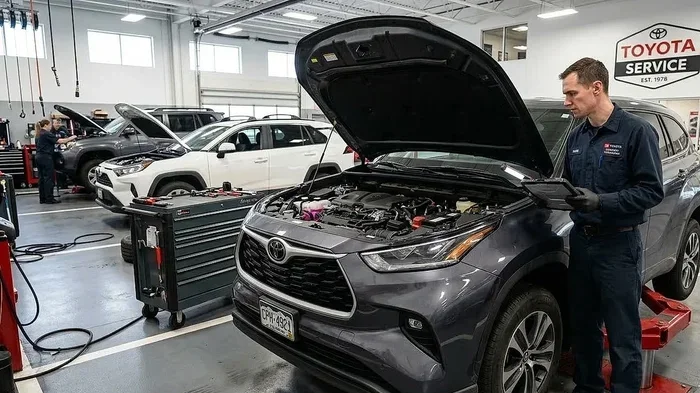
The best way to avoid expensive repairs is to follow a consistent maintenance routine. Toyota provides a detailed Toyota Highlander service schedule that outlines recommended service intervals. Following this schedule is the single most important thing you can do to control repair costs.
Essential Maintenance Tasks
- Oil Changes: Change your oil every 5,000 to 7,500 miles. Use the recommended grade of oil for your engine.
- Tire Rotation: Rotate tires every 5,000 to 7,500 miles to ensure even wear and extend tire life.
- Brake Inspections: Have brakes inspected at every oil change. Catching worn pads early prevents rotor damage.
- Fluid Flushes: Flush transmission fluid, coolant, and brake fluid according to the service schedule.
- Air Filter Replacement: Replace the engine air filter every 15,000 to 30,000 miles.
- Cabin Filter Replacement: Replace the cabin air filter every 15,000 to 30,000 miles for optimal air quality.
- Battery Check: Have the battery tested annually, especially in extreme temperatures.
Quick Tips to Reduce Repair Costs
- Find a trusted independent mechanic who specializes in Toyota vehicles. Dealer labor rates are typically higher.
- Buy parts from reputable aftermarket suppliers rather than always choosing OEM. The quality difference is often minimal.
- Keep a detailed maintenance log. This helps you track what has been done and what is coming up next.
- Address small problems immediately. A $50 fix today prevents a $500 repair next month.
- Wash your Highlander regularly, especially in winter. Road salt causes corrosion that leads to expensive repairs.
- Drive smoothly. Aggressive driving wears out brakes, tires, and transmission components faster.
Hybrid vs Conventional: Which Costs More to Maintain?
If you are deciding between a hybrid and conventional Highlander, maintenance costs are an important factor. Hybrid Highlanders have a few additional maintenance items, such as the hybrid battery cooling system and electric motor inspections. However, hybrid vehicles also benefit from regenerative braking, which reduces wear on brake pads and rotors.
Overall, the maintenance cost difference between hybrid and conventional Highlanders is relatively small. Most owners spend an extra $100 to $200 per year on hybrid-specific maintenance. The fuel savings from the hybrid system often more than offset this difference.
If you are curious about insurance costs, are hybrids more expensive to insure is a common follow-up question. The answer varies by insurer, but hybrid Highlanders typically cost slightly more to insure due to the higher vehicle value and more complex repair systems.
When to Fix vs. When to Replace
Every vehicle reaches a point where the question shifts from “how do I fix this?” to “is it worth fixing at all?” Understanding this tipping point can save you a lot of money and frustration.
Signs a Repair Is Worth It
- The repair cost is less than half the vehicle’s current market value.
- The Highlander has a clean title and no major structural damage.
- The repair addresses a safety issue or critical system failure.
- The vehicle has been well-maintained with a solid service history.
- You plan to keep the vehicle for at least another year or two.
Signs It Is Time to Move On
- Repair costs exceed the vehicle’s value or one year’s worth of payments on a replacement.
- Multiple major systems are failing simultaneously.
- The Highlander has over 250,000 miles and body corrosion is becoming widespread.
- The cost of a specific repair, like a hybrid battery replacement, exceeds $4,000 and the vehicle is older than 10 years.
Making this decision is never easy. But being honest about the numbers protects your wallet and keeps you from sinking money into a vehicle that is no longer a good investment.
How Highlanders Compare to Competitors
To put Toyota Highlander repair costs in perspective, it helps to compare them to similar SUVs. Here is a quick comparison of annual repair costs across popular mid-size SUVs.
| Vehicle | Avg. Annual Repair Cost | Reliability Rating | Parts Availability |
|---|---|---|---|
| Toyota Highlander | $500 – $1,500 | Excellent | Excellent |
| Honda Pilot | $550 – $1,600 | Very Good | Very Good |
| Chevrolet Traverse | $700 – $1,800 | Good | Good |
| Ford Explorer | $650 – $1,750 | Good | Good |
| Nissan Pathfinder | $600 – $1,700 | Good | Good |
As you can see, the Highlander holds a strong position. Its combination of low repair costs, excellent reliability, and outstanding parts availability makes it one of the most cost-effective large SUVs on the market. When you also consider Highlander value retention, the financial picture becomes even more compelling.
For comparison, if you are curious about luxury brands, are Bentley Continentals reliable is a question many luxury SUV buyers ask. The answer is that Bentley repairs are significantly more expensive than Toyota repairs, often by a factor of three to five times. This highlights why the Highlander remains such a popular choice for budget-conscious families.
Expert Insights on Keeping Your Highlander Affordable
We spoke with several certified Toyota technicians to get their perspective on keeping Toyota Highlander repair costs low. Here is what the experts had to say.
Tip 1: Do not skip fluid changes. Many owners neglect transmission fluid and coolant flushes. This leads to premature wear on expensive components. A $200 fluid change can prevent a $3,000 repair.
Tip 2: Listen to your vehicle. Unusual noises, vibrations, or warning lights are your Highlander trying to tell you something. Addressing these early is always cheaper than waiting until the problem worsens.
Tip 3: Build a relationship with your mechanic. A trusted technician who knows your Highlander’s history can spot potential problems before they become expensive repairs. They will also be more honest and transparent about what needs immediate attention versus what can wait.
Tip 4: Keep your Highlander clean inside and out. This might sound unrelated, but interior moisture from dirty carpets can lead to electrical issues over time. Exterior dirt and salt accelerate rust, which is expensive to repair.
Tip 5: Stay current with recalls. Toyota occasionally issues recalls for Highlander models. Check the NHTSA website regularly to see if your vehicle is affected. Recall repairs are free and can address safety issues that would otherwise become costly problems.
Conclusion
So, are Highlanders expensive to fix? The answer is a clear no. Toyota Highlander repair costs are competitive and often below average for the mid-size SUV class. With proper maintenance, most Highlanders stay reliable for well over 200,000 miles without major repairs.
The key to keeping your Highlander affordable is simple: follow the maintenance schedule, address small issues early, and find a trusted mechanic. Whether you own a conventional or hybrid model, the Highlander delivers strong value with minimal repair expenses.
If you are on the fence about buying a Highlander, the numbers speak for themselves. Low repair costs, excellent reliability, good parts availability, and strong value retention make the Highlander one of the smartest purchases in the SUV segment. A well-maintained Highlander will serve your family faithfully for years without draining your wallet.
Remember, the best time to start saving on repairs is today. Follow the tips in this article, stay on top of your Toyota Highlander maintenance, and enjoy the peace of mind that comes with owning one of the most affordable large SUVs to own and operate.
Frequently Asked Questions
Are Highlanders expensive to fix compared to other SUVs?
No, Highlanders are generally less expensive to fix than most competing SUVs. The average annual repair cost is around $500 to $1,500, which is below the segment average. Toyota’s widespread parts availability and simple design keep costs reasonable.
What is the most expensive repair on a Toyota Highlander?
The most expensive repair is typically a hybrid battery replacement, which can cost $2,000 to $4,000. A full transmission rebuild is another costly repair that can run $2,500 to $4,500. However, both of these repairs are relatively rare on well-maintained Highlanders.
How often does a Toyota Highlander need major repairs?
Most Highlanders go 100,000 miles or more without needing major repairs. With regular maintenance, many owners report few significant issues even beyond 150,000 miles. The Highlander’s strong reliability rating means fewer unexpected trips to the shop.
Can I reduce my Toyota Highlander repair costs?
Yes, you can. Follow the recommended service schedule, use quality aftermarket parts, find a skilled independent mechanic, and address small problems before they grow. Regular oil changes and fluid flushes are the simplest ways to prevent expensive repairs.
Are older Highlanders more expensive to maintain than newer ones?
Older Highlanders tend to need more frequent repairs as parts wear out. However, parts remain affordable and widely available for older models. A well-maintained 2010 Highlander can still be more affordable to own than a newer competing SUV with higher repair costs.
Is it worth buying a used Toyota Highlander to save money?
Yes, buying a used Highlander is a smart financial move. Highlanders depreciate steadily, hold their value well, and remain affordable to repair at any age. A 3- to 5-year-old Highlander offers excellent value with lower purchase price and still-low repair costs.