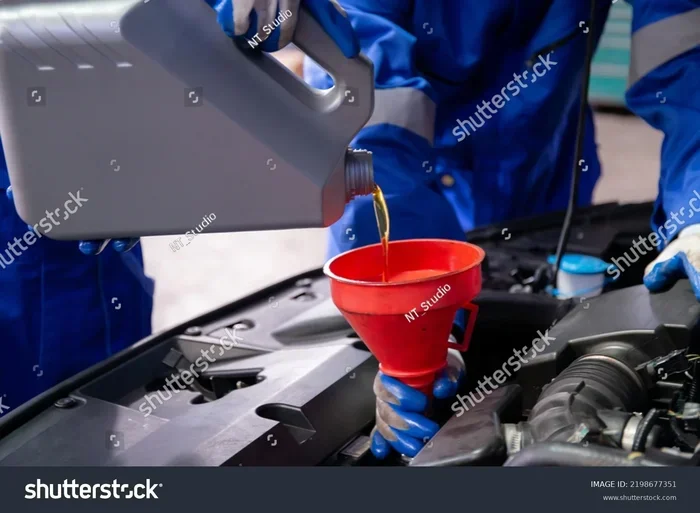
Can You Go a Year Between Oil Changes Without Damage
Going a year between oil changes is possible for many modern vehicles, but it depends on your oil type, driving habits, and manufacturer guidelines. Synthetic oil can last much longer than conventional oil, making a 12-month interval realistic for some drivers. However, severe driving conditions may require more frequent changes to protect your engine.
Can you go a year between oil changes without causing harm to your engine? This is a question many car owners ask, especially with the rising cost of vehicle maintenance. The short answer is: it depends. Your vehicle type, the kind of oil you use, and how you drive all play a role. In this guide, we break down everything you need to know about extending your oil change interval safely.
For decades, the standard advice was to change your oil every 3,000 miles or three months. That rule was built for older engines and conventional oils. Today, things have changed dramatically. Modern engines are built tighter. Synthetic oils perform far better under stress. And many cars now come with oil life monitoring systems that track your actual driving patterns.
Going a full year between oil changes is something many drivers can do safely. But it is not a one-size-fits-all answer. Let us dive into the details so you can make the best decision for your car.
Key Takeaways
- Modern synthetic oils can last 7,500 to 15,000 miles or up to a year
- Manufacturer recommendations vary, so always check your owner’s manual
- Driving conditions like extreme heat, towing, and stop-and-go traffic shorten oil life
- Ignoring oil changes can lead to engine wear, reduced performance, and costly repairs
- Oil life monitoring systems in newer cars help track when a change is needed
- Hybrid and electric vehicles have different maintenance schedules worth understanding
- Regular oil checks between changes can catch problems early
📑 Table of Contents
- Understanding Oil Change Intervals
- Factors That Determine Your Oil Change Frequency
- What Happens If You Wait Too Long Between Oil Changes
- Can You Safely Go a Full Year?
- Tips to Keep Your Engine Healthy Between Changes
- Common Mistakes People Make With Oil Changes
- Special Considerations for Hybrid Vehicles
- The Bottom Line
Understanding Oil Change Intervals
The concept of an oil change interval is simple. It is the recommended distance or time between replacing your engine oil. But the details behind that recommendation are more complex than most people realize.
The Old Rule of 3,000 Miles
You have probably heard the advice: change your oil every 3,000 miles. This was standard wisdom for decades. Older engines had wider tolerances. Conventional oils broke down faster. And stop-and-go city driving was harder on lubricants.
Today, most modern cars do not need oil changes that frequently. In fact, many manufacturers now recommend intervals of 7,500 miles or more. Some even go up to 10,000 or 15,000 miles. The 3,000-mile rule still persists in many quick-lube shops, but it is often outdated.
How Modern Oil Technology Changed Everything
Synthetic oils have revolutionized engine maintenance. These lubricants are engineered in labs to provide superior protection. They resist thermal breakdown better than conventional oils. They flow more smoothly in cold weather. And they maintain their viscosity over longer periods.
Full synthetic oils can easily last 7,500 to 15,000 miles. Some high-performance synthetics are rated for even longer intervals. This is why many drivers can safely go a year between changes. The oil simply stays effective for a much longer time.
Conventional oils still have their place. They are cheaper and work fine for older vehicles with simpler engines. But if you want to extend your interval to 12 months, synthetic is the way to go.
Factors That Determine Your Oil Change Frequency
Not all driving is equal. Your oil change needs depend on several key factors. Understanding these can help you decide whether a year-long interval is right for you.
Your Driving Conditions
How and where you drive matters a lot. If you spend most of your time on long highway trips, your oil stays cleaner longer. The engine reaches full operating temperature, which burns off moisture and contaminants.
But if you drive in stop-and-go traffic daily, your oil works harder. Short trips where the engine never fully warms up are especially tough. Condensation builds up in the oil crankcase. This leads to sludge formation over time.
Extreme heat is another factor. If you live in a hot climate, your oil degrades faster. High temperatures cause oxidation, which breaks down the oil’s protective additives. On the other hand, extremely cold temperatures thicken oil and reduce its ability to flow properly.
If you regularly tow heavy loads or haul trailers, your engine works harder. This increases the temperature of the oil and accelerates breakdown. In these cases, you may need to change your oil more often than once a year.
Type of Oil You Use
Not all oils are created equal. Here is a quick comparison of common oil types and their typical intervals:
- Conventional Oil: 3,000 to 5,000 miles or 6 months
- Synthetic Blend: 5,000 to 7,500 miles or 6 to 9 months
- Full Synthetic Oil: 7,500 to 15,000 miles or up to 12 months
- High-Mileage Synthetic: 5,000 to 7,500 miles or 6 to 9 months
As you can see, the type of oil you choose directly impacts how long you can go between changes. If you want to safely reach the one-year mark, full synthetic oil gives you the best chance.
Your Vehicle’s Age and Condition
Newer cars with modern engines can often go longer between oil changes. The tolerances are tighter, the materials are better, and the oil life systems are more sophisticated. Older vehicles with higher mileage may benefit from more frequent changes. Wear particles and combustion byproducts accumulate faster in aging engines.
What Happens If You Wait Too Long Between Oil Changes
Skipping oil changes or pushing the interval too far can cause real damage. Understanding what goes wrong helps you appreciate why timely changes matter.
Oil Breakdown and Engine Wear
Over time, oil loses its ability to lubricate properly. The additives that protect against wear, corrosion, and oxidation deplete. The oil itself becomes contaminated with dirt, metal particles, and combustion residue.
When oil degrades, it becomes thicker and less effective. It does not flow as freely through narrow engine passages. This means less lubrication for critical components like camshafts, bearings, and pistons. The result is increased friction, heat, and eventually, engine wear.
Sludge Formation
One of the most serious consequences of overdue oil changes is sludge buildup. Sludge is a thick, tar-like substance that forms when oil breaks down and mixes with contaminants. It clogs oil passages and restricts flow to vital engine parts.
Sludge can cause catastrophic engine failure if left unchecked. Repairing sludge damage is expensive and often requires a full engine rebuild or replacement.
Warning Signs to Watch For
Your car will often give you clues that the oil needs attention. Watch for these warning signs:
- Dark or dirty oil on the dipstick
- Engine noise that sounds louder than usual
- Oil smell inside the cabin
- Exhaust smoke that is darker than normal
- Check engine light or oil pressure warning
- Reduced fuel efficiency
If you notice any of these signs, do not wait. Check your oil level and condition immediately. If you are unsure whether your engine has been damaged, you may want to have a mechanic inspect it. Sometimes, ignoring oil maintenance can trigger issues like the P0171 code, which signals a lean fuel condition often linked to engine performance problems.
Can You Safely Go a Full Year?
This is the big question. And the answer is: it depends on your specific situation. Let us look at when a year is fine and when it is risky.
Manufacturer Recommendations
Always start with your vehicle’s owner manual. Manufacturers test their engines extensively and provide the best guidance for their specific designs. Many modern cars from brands like Toyota, Honda, and Ford come with oil change intervals of 10,000 miles or 12 months.
Some manufacturers use oil life monitoring systems. These systems track your driving habits and adjust the recommended change interval accordingly. They consider factors like engine temperature, driving duration, and RPM patterns. If your car has this system, trust it. It is designed to give you a personalized recommendation.
When a Year Is Fine
You can likely go a full year between oil changes if:
- You use full synthetic oil
- You drive mostly on highways and long trips
- You live in a moderate climate
- Your vehicle has an oil life monitoring system
- You do not tow or haul heavy loads
- Your engine is in good condition with normal mileage
Under these conditions, a 12-month oil change interval is perfectly safe and aligns with most manufacturer guidelines.
When You Should Not Wait a Year
There are situations where a year is too long. You should change your oil more frequently if:
- You drive mostly in stop-and-go city traffic
- You live in an area with extreme heat or cold
- You regularly tow trailers or haul heavy cargo
- Your vehicle has high mileage (over 100,000 miles)
- You use conventional oil instead of synthetic
- Your car is older and does not have an oil life monitoring system
In these cases, pushing to 12 months could compromise your engine health. A shorter interval of 6 to 7 months is a safer bet.
Tips to Keep Your Engine Healthy Between Changes
If you plan to go a year between oil changes, there are steps you can take to protect your engine in the meantime.
- Check your oil level monthly. A simple dipstick check takes two minutes and can catch low oil before it causes damage. Top off as needed with the same type of oil your vehicle uses.
- Watch for changes in oil color. Fresh oil is amber and translucent. As it ages, it darkens. Very dark or black oil is a sign it is time for a change.
- Avoid short trips when possible. Longer drives allow the engine to reach full operating temperature, which helps burn off moisture and contaminants in the oil.
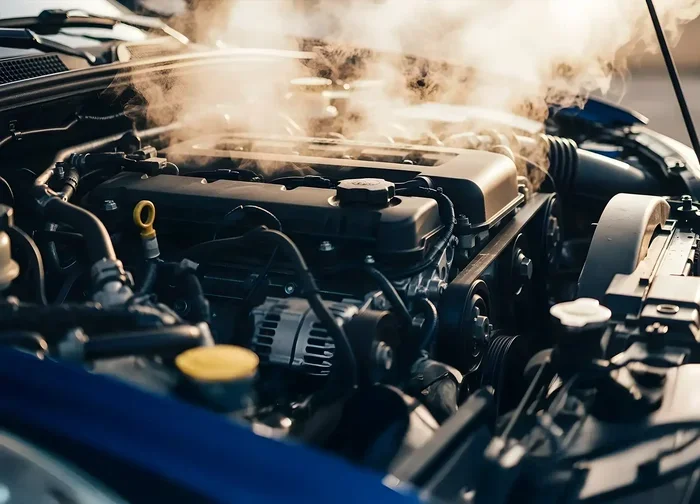
- Keep your engine cool. On hot days, be mindful of your temperature gauge. If you notice your engine running hotter than normal, it may be stressing your oil. If you are worried about overheating, learn more about whether a car overheat on a hot day and how to prevent it.
- Use quality oil filters. A good filter removes contaminants more effectively and lasts longer. Do not cheap out on this small but critical component.
These simple habits can make a big difference in how well your engine handles an extended oil change interval.
Common Mistakes People Make With Oil Changes
Even well-meaning car owners can make errors when it comes to oil maintenance. Here are the most common mistakes to avoid.
Following the 3,000-Mile Rule Blindly
As mentioned earlier, the 3,000-mile rule is outdated for most modern vehicles. Changing your oil too frequently wastes money and creates unnecessary waste. Follow your manufacturer’s recommendation instead.
Ignoring the Oil Life Monitor
Some drivers reset their oil life monitor without actually changing the oil. Others ignore the warning entirely. Both approaches are wrong. The oil life monitor is a tool designed to help you. Use it as your guide.
Using the Wrong Oil Type
Not every car needs full synthetic oil. But if you want to extend your interval to a year, synthetic is the best choice. Using conventional oil in a vehicle that requires synthetic can lead to premature breakdown and engine wear.
Skipping the Oil Filter
Always replace the oil filter when you change your oil. A dirty filter cannot properly clean the oil, and contaminants will circulate through your engine. The oil filter is a small investment that pays big dividends in engine protection.
Special Considerations for Hybrid Vehicles
Hybrid vehicles are becoming more popular, and they come with unique maintenance needs. The engine in a hybrid car often runs less frequently than in a traditional vehicle. This means the oil may not reach full operating temperature as often.
If you own a hybrid, you should pay extra attention to your oil change schedule. The engine may not burn off moisture and contaminants as effectively. You may want to stick with a shorter interval than a full year. And if you are wondering about charging your hybrid or electric vehicle, you can find guidance on whether you can charge a hybrid car at home and how it affects your overall maintenance routine.
The Bottom Line
So, can you go a year between oil changes without damage? For many modern vehicles using synthetic oil and driven under normal conditions, the answer is yes. But it is not a guarantee for every car or every driver.
The key is to understand your vehicle, your driving habits, and your manufacturer’s recommendations. Use synthetic oil if you want the longest interval. Check your oil regularly between changes. And never ignore warning signs that something is wrong.
Regular oil changes are one of the cheapest and most effective ways to protect your engine. Skipping or stretching them too far can lead to expensive repairs down the road. When in doubt, change your oil. It is always better to be safe than sorry.
Take a few minutes to read your owner manual. Talk to a trusted mechanic. And make a plan that works for your driving lifestyle. Your engine will thank you for it.
Frequently Asked Questions
Can I go a year between oil changes with conventional oil?
It is not recommended. Conventional oil breaks down faster than synthetic and typically needs to be changed every 3,000 to 5,000 miles or every 6 months. Going a full year with conventional oil risks engine damage from degraded lubrication and sludge buildup.
What happens if I go too long without an oil change?
Old oil loses its ability to lubricate, cool, and clean your engine. Over time, it breaks down and forms sludge, which can clog oil passages. This leads to increased friction, overheating, and eventually serious engine damage that can be very costly to repair.
Do I need to change my oil if I don’t drive much?
Yes. Even if you drive fewer miles, oil degrades over time due to moisture accumulation and oxidation. Most manufacturers recommend changing oil at least once a year, regardless of mileage. Time matters just as much as distance when it comes to oil life.
Is it okay to mix synthetic and conventional oil?
While it will not cause immediate harm, it is best to avoid mixing oil types. Synthetic and conventional oils have different additive packages, and mixing them can reduce the overall performance of the oil. Stick with one type for consistent engine protection.
How can I tell if my oil needs changing before the scheduled interval?
Check your oil on the dipstick. Fresh oil is amber and translucent. If it looks very dark, gritty, or has a burnt smell, it is time for a change. Also watch for engine noise, reduced fuel efficiency, or oil pressure warnings as signs that your oil may be overdue.
Can I still drive with a P0171 code if I have not changed my oil recently?
A P0171 code indicates a lean fuel condition, which can sometimes be linked to poor engine performance caused by degraded oil or clogged oil passages. If you have not changed your oil in a while and this code appears, get your oil checked immediately. Learn more about whether you can still drive with a P0171 code and what it means for your vehicle.