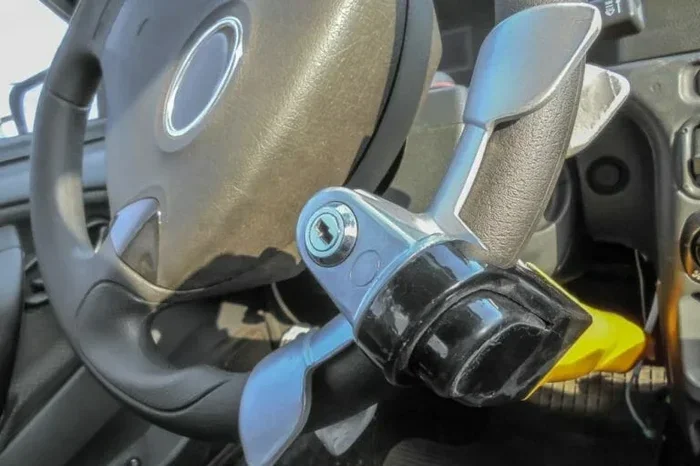
Are Steering Wheel Locks Easy to Get Off Without a Key
Steering wheel locks are anti-theft devices designed to keep your car safe, but they can become a real hassle when you need to remove them without a key. Whether your key is lost, broken inside the lock, or the mechanism simply seized up, there are several proven methods to get the job done. This guide covers everything from simple DIY tricks to professional solutions, so you can handle a stuck steering wheel lock with confidence.
You walk out to your car on a busy morning. You turn the key in the ignition, but the steering wheel will not move. The lock is engaged, and you are stuck. This happens to more drivers than you might think. A steering wheel lock is one of the most common anti-theft devices on the road today. They are built to protect your car from thieves. But when the key is lost, broken, or the mechanism seizes up, that same lock becomes your biggest problem.
So, are steering wheel locks easy to get off without a key? The answer is yes, in most cases. You do not need to be a mechanic or a locksmith to handle this. With the right approach and a little patience, you can remove a stuck steering wheel lock yourself. This guide will walk you through every method, every mistake to avoid, and every situation where calling a pro makes sense.
We will cover everything from understanding how the lock mechanism works, to step-by-step removal instructions, to expert tips that save you time and money. Whether you are dealing with a broken key stuck in the cylinder or a lock that just will not budge, this article has you covered. Let us get into it.
Key Takeaways
- Most steering wheel locks can be removed without a key: You do not always need a replacement key or expensive repairs. Simple techniques like wiggling the wheel, using lubricant, or applying gentle force often work.
- Understanding the lock type matters: Disc locks, clamp locks, and electronic locks each have different removal methods. Knowing which type you have helps you choose the right approach.
- Avoid forcing the lock: Using too much pressure can damage the steering column, ignition cylinder, or the lock itself. Always start with the gentlest method first.
- Lubrication is your best friend: WD-40, graphite powder, or silicone spray can loosen a stuck lock mechanism quickly and safely.
- Call a locksmith when needed: If DIY methods fail, a professional locksmith can remove the lock without causing damage to your vehicle.
- Prevention is simple: Regular maintenance, keeping your key accessible, and avoiding moisture buildup can prevent steering wheel locks from sticking in the future.
📑 Table of Contents
- Why Steering Wheel Locks Get Stuck
- Types of Steering Wheel Locks and How They Work
- Are Steering Wheel Locks Easy to Get Off Without a Key?
- Step-by-Step Guide to Removing a Stuck Steering Wheel Lock
- Common Mistakes People Make When Removing Steering Wheel Locks
- When Should You Call a Professional Locksmith?
- Preventing Steering Wheel Lock Problems in the Future
- Conclusion
Why Steering Wheel Locks Get Stuck
Before you try to remove a steering wheel lock, it helps to understand why it got stuck in the first place. Knowing the cause tells you which removal method will work best. Most of the time, the problem is simple and easy to fix.
Understanding the Lock Mechanism
A steering wheel lock works by blocking the steering column. When you turn the wheel slightly after removing the key, a pin or bolt locks into place. This prevents the wheel from turning. It is a simple design, but it can cause big problems when something goes wrong.
The lock mechanism is part of the ignition lock system. When you insert and turn your key, it releases the locking pin. Without the key, the pin stays in place. This is what keeps your steering wheel from moving. The lock cylinder is the small housing where the key goes. Inside it, tiny pins align when the right key is inserted. If those pins get dirty, worn, or damaged, the cylinder will not turn properly.
Common Reasons Your Steering Lock Sticks
Several things can cause a stuck steering lock. Here are the most common reasons:
- Lost or forgotten key: This is the number one reason people get stuck. You lock your car, walk away, and realize you do not have the key.
- Broken key inside the cylinder: Keys can snap, especially if they are old or bent. A broken piece inside the lock blocks the mechanism.
- Corrosion and rust: Moisture gets into the lock cylinder over time. This causes rust buildup that makes the pins stick.
- Dirt and debris: Dust, sand, and grime can work their way into the lock. This buildup prevents smooth operation.
- Cold weather: Freezing temperatures can cause the metal parts inside the lock to contract. This makes the mechanism stiff and hard to turn.
- Worn out lock cylinder: Over time, the internal pins wear down. A worn cylinder does not engage or release properly.
- Steering column damage: A minor accident or impact can shift the steering column. This puts pressure on the lock mechanism.
Expert Insight
According to automotive locksmiths, most steering lock issues are caused by moisture and lack of maintenance. A simple spray of lock lubricant every six months can prevent 80% of sticking problems. This is a small habit that saves a lot of headaches.
Types of Steering Wheel Locks and How They Work
Not all steering wheel locks are the same. Different types use different mechanisms, and each has its own removal method. Knowing which type you have is the first step to getting it off.
Disc Locks vs. Clamp Locks
Disc locks are small, portable devices that attach directly to the steering wheel. They use a metal pin that goes through the wheel spokes. You lock them with a key or a combination code. Clamp locks, on the other hand, wrap around the entire steering wheel like a brace. They are bigger and harder to carry around, but they offer strong protection.
Disc locks are generally easier to remove without a key. Many use a standard cylinder that can be picked or bumped. Clamp locks are more complex because they wrap around the wheel. You usually need to release a lever or key mechanism to open them.
Electronic and Smart Locks
Newer cars may have electronic steering locks that work with a transponder chip. These are part of the anti-theft system built into the vehicle. You cannot remove them with a physical key in many cases. Instead, you need the correct electronic signal from the key fob or ignition switch.
Smart locks add another layer of car security. They connect to your phone or a central system. While these are great for theft prevention, they can be harder to deal with when something goes wrong. If the battery in your key fob dies, the electronic lock may not release.
Comparison Table: Steering Wheel Lock Types
| Lock Type | Removal Difficulty | Key Required | Best For |
|---|---|---|---|
| Disc Lock | Easy to Moderate | Usually yes | Daily parking, portability |
| Clamp Lock | Moderate | Usually yes | Long-term parking, high-theft areas |
| Electronic Lock | Hard (needs signal) | Key fob required | Modern vehicles, smart car systems |
| Steering Column Lock | Moderate to Hard | Yes | Factory-installed theft prevention |
| Combination Lock | Easy | No (code based) | Rentals, shared vehicles |
Are Steering Wheel Locks Easy to Get Off Without a Key?
The short answer is yes. Most steering wheel locks can be removed without a key. The method depends on the lock type, how long it has been stuck, and what caused the problem. Let us look at the methods that actually work.
Methods That Actually Work
Here are the most effective ways to remove a steering wheel lock without a key:
- Wiggle and pull method: Gently wiggle the steering wheel left and right while trying to turn the key or release the lock. This can free up stuck pins inside the cylinder.
- Lubrication: Spray WD-40, graphite powder, or silicone spray directly into the lock cylinder. Wait a few minutes, then try turning the key again. This works wonders for rust or dirt buildup.
- Tapping the cylinder: Use a small hammer or the handle of a screwdriver to gently tap the lock cylinder. This can dislodge stuck pins inside. Do not hit it too hard.
- Using a spare key: If you have a spare key, even if it is old, try it. Sometimes the spare works even when the main key does not.
- Lock picking tools: For disc locks, a lock pick set or a bump key can release the mechanism. This requires some skill and practice.
- Cutting the lock: As a last resort, you can cut through a clamp lock with a bolt cutter or hacksaw. This destroys the lock but gets the job done.
Quick Tips
- Always start with the gentlest method before trying anything more aggressive.
- Keep a can of lock lubricant in your glove box for emergencies.
- Never use excessive force. You risk damaging the steering column or ignition switch.
- If the key is broken inside the lock, do not try to pull it out with pliers. You may push it deeper.
What NOT to Do
There are several things that can make the situation worse. Avoid these common mistakes:
- Do not use excessive force: Yanking or pulling too hard can damage the steering column. This leads to expensive repairs.
- Do not use the wrong lubricant: Avoid using grease or oil-based products. These attract more dirt and make the problem worse over time. Use dry lubricant or graphite powder instead.
- Do not try to drill the lock: Drilling can damage the steering column housing. This is a repair that costs hundreds of dollars.
- Do not ignore the problem: A stuck lock that you leave for weeks can develop more corrosion. The longer you wait, the harder it becomes to remove.
Step-by-Step Guide to Removing a Stuck Steering Wheel Lock
Now that you understand the basics, let us walk through the process step by step. Follow these instructions carefully for the best results.
- Assess the situation: Look at the lock. Is it a disc lock, clamp lock, or steering column lock? Check if the key is stuck inside or if you do not have a key at all.
- Try wiggling the steering wheel: Gently move the wheel left and right. You should feel it click into a locked position. Try to wiggle it free while attempting to turn the key.
- Apply lubricant: Spray WD-40 or graphite powder into the lock cylinder. Let it sit for two to three minutes. This loosens any rust or debris inside.
- Try the key again: Insert the key gently and try to turn it. Do not force it. If it does not move, try tapping the cylinder lightly with a small hammer.
- Use a lock pick for disc locks: If you have a lock pick set, insert it into the keyhole and feel for the pins. Push each pin up until you feel the cylinder turn.
- Cut the lock as a last resort: For clamp locks that will not budge, use a bolt cutter to cut through the shackle. Wear safety glasses to protect your eyes from metal pieces.
- Remove the lock and inspect: Once the lock is off, check the steering column and ignition cylinder for any damage. Clean out any debris you find.
Expert Insight
Professional locksmiths recommend always carrying a lock lubricant spray in your car. A quick spray every few months keeps the lock cylinder working smoothly. This one simple habit prevents most steering lock problems before they start.
Common Mistakes People Make When Removing Steering Wheel Locks
Even with the best intentions, people make mistakes when trying to remove a steering wheel lock without a key. Here are the errors that cause the most damage and frustration.
- Using the wrong tools: Using a screwdriver or pliers that does not fit the lock can strip the mechanism. Always use the right tool for the job.
- Applying too much force: Many people think that brute strength will solve the problem. It almost never does. You end up breaking the lock inside the steering column, which makes the problem much worse.
- Ignoring the key situation: If your key is broken inside the lock, do not keep trying to turn it. The broken piece will get pushed further in. Instead, focus on removing the broken key fragment first.
- Skipping lubrication: Some people jump straight to forceful methods without trying lubricant first. A simple spray of WD-40 can solve the problem in minutes.
- Not calling a professional soon enough: If you have tried two or three methods and nothing works, stop. Continuing to force the lock can cause damage that costs more to fix than a locksmith call.
When Should You Call a Professional Locksmith?
There are times when DIY removal is not the right choice. Knowing when to call a locksmith saves you time, money, and the risk of further damage.
Signs You Need Professional Help
- The key is completely stuck inside the lock cylinder and you cannot remove it.
- The steering wheel lock will not budge after trying lubricant and gentle force.
- You hear grinding or clicking sounds when you try to turn the key.
- The lock cylinder is visibly damaged or bent.
- You have an electronic steering lock that requires a special signal to release.
- The steering column shows signs of damage after your removal attempts.
What to Expect from a Locksmith
A professional locksmith will arrive with specialized tools and experience. They can remove the lock without damaging your steering column. In most cases, they can also provide key replacement on the spot. The cost typically ranges from $50 to $150 for a standard steering lock repair or removal. This is far less than the cost of repairing a damaged steering column, which can run into hundreds of dollars.
Many locksmiths offer 24-hour emergency services. If you are stranded somewhere, this is the fastest and safest way to get back on the road. Always choose a licensed and insured locksmith with good reviews. This ensures you get quality service without hidden fees.
Quick Tips for Choosing a Locksmith
- Check online reviews before booking.
- Ask for a price estimate before they start work.
- Make sure they are licensed and insured.
- Choose a locksmith who offers mobile services if you are stranded.
- Keep the contact info of a trusted locksmith saved in your phone.
Preventing Steering Wheel Lock Problems in the Future
The best way to deal with a stuck steering lock is to prevent it from happening in the first place. A few simple habits can keep your steering wheel lock working smoothly for years.
- Lubricate regularly: Spray your lock cylinder with graphite powder or dry lubricant every three to six months. This prevents rust and keeps the pins moving freely.
- Keep your key accessible: Do not bury your key in a deep pocket or bag. Keep it in an easy-to-reach place so you always have it when you need it.
- Avoid moisture exposure: Park your car in a garage or covered area when possible. Moisture is the biggest enemy of lock cylinders.
- Replace old keys: If your key is worn or bent, get a key replacement before it breaks inside the lock. A new key works much more smoothly.
- Use your lock properly: Do not force the lock when the steering wheel is turned all the way. This puts unnecessary stress on the mechanism.
- Install a secondary car alarm: A good anti-theft system with an alarm adds another layer of protection. This means you can use a simpler lock that is easier to remove.
Conclusion
So, are steering wheel locks easy to get off without a key? Yes, they are. Most steering wheel locks can be removed with simple methods like lubrication, gentle wiggling, or using a lock pick. The key is to start with the gentlest approach and work your way up only if needed.
Remember to avoid common mistakes like using too much force or the wrong tools. If DIY methods do not work, do not hesitate to call a professional locksmith. They have the skills and tools to handle any steering lock safely and efficiently.
Taking care of your steering wheel lock through regular maintenance is the best way to avoid getting stuck in the first place. A little lubrication and proper use go a long way. With the knowledge you have gained from this guide, you are now ready to handle any steering wheel lock situation with confidence. Stay safe, stay prepared, and keep your car secure.
Frequently Asked Questions
Can a steering wheel lock be removed without a key?
Yes, in most cases. You can use methods like lubrication, wiggling the steering wheel, tapping the lock cylinder, or using lock picking tools. The method depends on the type of lock you have. Start with the gentlest approach and only try more aggressive methods if needed.
What is the easiest way to remove a stuck steering wheel lock?
The easiest way is to spray WD-40 or graphite powder into the lock cylinder, wait a few minutes, and then gently try to turn the key or release the mechanism. Wiggling the steering wheel while applying the lubricant often works quickly and without any special tools.
Can a broken key inside the lock cylinder be removed at home?
Yes, but it requires care. Use needle-nose pliers or a key extraction tool to gently pull out the broken piece. Do not force it, as this can push the fragment deeper into the cylinder. If you cannot reach it, a locksmith can extract it safely.
How much does it cost to have a locksmith remove a steering wheel lock?
The cost typically ranges from $50 to $150 for a standard lock removal. If the steering column or ignition cylinder is damaged, the repair cost may be higher. Always ask for a price estimate before the locksmith starts work.
Will removing a steering wheel lock damage my car?
If done correctly, no. Using gentle methods like lubrication and careful key turning should not cause any damage. However, forcing the lock or using the wrong tools can damage the steering column or ignition cylinder, leading to expensive repairs.
How can I prevent my steering wheel lock from getting stuck?
Regular lubrication with graphite powder or dry lubricant is the best prevention. Park your car in a covered area to avoid moisture buildup, replace worn keys promptly, and always use the lock gently without forcing it. These simple habits keep your lock working smoothly for years.





One Comment