20 Percent Window Tint: A Complete Guide for Car Owners
20 percent window tint is one of the most popular choices for car owners who want a balance of style, comfort, and legality. This window tint percentage blocks a significant amount of heat and harmful UV rays while still allowing good visibility. Whether you are looking for heat rejection, privacy tint, or interior protection, a 20 percent tint delivers solid results. In this guide, we cover everything from tint laws and costs to installation tips and maintenance. By the end, you will know exactly whether 20 percent window tint is the right choice for your vehicle.
If you have been searching for the right window tint for your car, you have probably come across the term 20 percent tint. It is one of the most popular window tint percentages on the market today. But what exactly does it mean, and is it the right choice for your vehicle?
This 20 percent window tint guide covers everything a car owner needs to know. We will walk you through the benefits, costs, legal rules, and installation process. You will also learn how 20 percent tint compares to other shade levels. By the end, you will feel confident making the right decision for your car.
Whether you want to reduce glare on long drives, protect your interior from sun damage, or simply add a sleek look to your ride, 20 percent window tint checks a lot of boxes. Let us dive into the details.
Key Takeaways
- Balanced Performance: 20 percent window tint offers an excellent mix of heat rejection, UV protection, and visibility.
- Legal Considerations Matter: Tint laws vary by state, so always check your local tinting regulations before purchasing.
- Cost Range: Expect to pay between $100 and $400 for a full 20 percent window tint installation, depending on your vehicle and film type.
- Professional Installation Recommended: While DIY kits exist, professional application ensures a bubble-free, long-lasting finish.
- Maintenance Is Simple: Proper care extends the life of your window film significantly.
- Not the Darkest Option: 20 percent tint is lighter than 5 or 10 percent tints, making it a great everyday choice.
- Multiple Film Types Available: Ceramic, carbon, and dyed films all come in 20 percent shades with different performance levels.
📑 Table of Contents
What Is 20 Percent Window Tint?
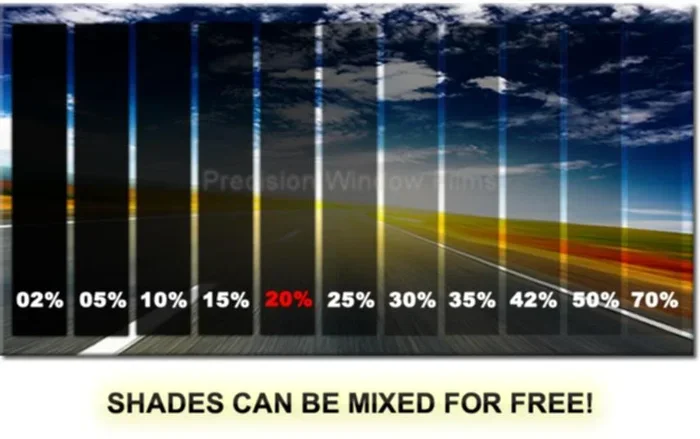
20 percent window tint refers to a window film that allows 20 percent of visible light to pass through your car windows. The remaining 80 percent is blocked. This measurement is called visible light transmission, or VLT for short. The lower the VLT number, the darker the tint.
Understanding Visible Light Transmission
Visible light transmission is the key metric used to classify all window tint percentages. Here is a simple way to think about it. A 50 percent tint lets in half the light. A 5 percent tint lets in only a tiny sliver. A 20 percent tint falls in the middle. It is dark enough to look great but light enough to stay practical for daily driving.
Aftermarket tint films are applied to the inside of your car windows using a thin, adhesive-backed film. These films come in different materials, including dyed, carbon, and ceramic options. Each material offers a slightly different level of performance and appearance.
Ceramic tint is the premium option. It blocks the most heat and does not interfere with electronic signals. Carbon tint offers a matte finish and solid heat rejection at a mid-range price. Dyed tint is the most affordable but may fade over time. No matter which material you choose, the 20 percent shade stays the same.
Benefits of 20 Percent Window Tint
Choosing a 20 percent window tint comes with several real advantages. Let us break down the biggest benefits so you can see why so many car owners make this choice.
Heat Rejection and Comfort
One of the top reasons people tint their windows is heat rejection. A 20 percent tint can block a significant amount of solar heat from entering your car. On a hot summer day, this makes a huge difference. Your interior stays cooler, and your air conditioning does not have to work as hard.
Better heat reduction also means greater comfort on long road trips. You will not feel like you are sitting in a greenhouse every time you get behind the wheel. Many window film products are specifically engineered to reflect infrared light, which is the main source of heat.
UV Protection for You and Your Car
UV protection is another major benefit of 20 percent window tint. Harmful ultraviolet rays can cause skin damage over time. They also fade your dashboard, seats, and trim. A quality tint blocks up to 99 percent of UV rays, helping protect both your health and your car’s interior.
This is especially important if you spend a lot of time driving. Daily exposure to UV rays adds up quickly. Interior protection from a good tint can save you money on replacements and repairs down the road.
Privacy and Glare Reduction
Privacy tint is a big selling point for many drivers. A 20 percent tint makes it harder for people outside to see into your car. This gives you peace of mind, especially when you leave valuables in your vehicle.
Glare reduction is equally important. Sun glare and headlight glare from other cars can be distracting and even dangerous. A 20 percent window tint cuts down on this glare significantly, making your driving experience safer and more comfortable, especially during sunrise and sunset.
Expert Insight
According to automotive tinting professionals, 20 percent tint is often called the “sweet spot” because it delivers strong performance without going too dark for most legal limits. It is a versatile choice that works well for daily drivers, family cars, and SUVs alike.
20 Percent Window Tint Laws and Regulations
Tint laws vary widely from state to state and even from country to country. Before you purchase or install a 20 percent tint, you need to know the rules that apply to you. Driving with illegal tint can result in fines, failed inspections, or even tickets that affect your insurance.
State-by-State Breakdown
In the United States, legal tint limits are typically measured by VLT. Some states allow 20 percent tint on all windows. Others restrict it to the front side windows only. Here are some general guidelines to keep in mind.
States like California, New York, and Michigan have stricter rules. They often require a higher VLT on the front windshield and front side windows. States like Arizona, Nevada, and Texas tend to be more lenient with dark tint options.
Always check your specific state’s tinting regulations before getting your windows tinted. Laws can change, and some states have medical exemptions that allow darker tints for health reasons. Your local tint shop will usually be up to date on the latest rules, but it never hurts to double-check yourself.
Here are some quick tips to stay legal:
- Check your state’s current VLT limits before tinting.
- Keep a copy of your tint receipt and certification in your car.
- Ask your installer for a tint compliance sticker.
- Be aware that law enforcement officers can pull you over for illegal tint.
- Medical exemptions may allow darker tints in some states.
How Much Does 20 Percent Window Tint Cost?
The window tint cost for a 20 percent tint can vary quite a bit. Several factors influence the final price, including the type of film, your vehicle size, and whether you choose professional installation or a DIY kit.
Factors That Affect the Price
Here are the main factors that determine how much you will pay for 20 percent window tint:
- Film Type: Ceramic films cost more than carbon or dyed films but offer superior performance.
- Vehicle Size: A compact car costs less to tint than a large SUV or truck because there are fewer and smaller windows.
- Installation Quality: Professional installation typically costs more but delivers a better, longer-lasting result.
- Brand Reputation: Well-known film brands like 3M, Llumar, and SunTek may cost more but often come with better warranties.
- Geographic Location: Tint shops in major cities may charge more than those in smaller towns.
On average, you can expect to pay between $100 and $400 for a full 20 percent window tint job on a standard sedan. SUVs and trucks may cost a bit more due to larger window areas. DIY kits are cheaper, usually ranging from $20 to $100, but they require more patience and skill to get right.
Common Mistakes to Avoid
One of the biggest mistakes car owners make is choosing the cheapest tint without considering quality. A low-cost dyed tint may bubble or fade within a year or two. Another common error is ignoring local tint laws. Getting caught with illegal tint can cost you more in fines than you saved on the tint itself. Always invest in a reputable film and a skilled installer.
Installation and Maintenance
Proper tint installation and care are essential for getting the most out of your 20 percent window tint. A poorly installed tint can bubble, peel, or scratch easily. Taking the time to do it right — or maintain it properly — makes all the difference.
DIY vs. Professional Installation
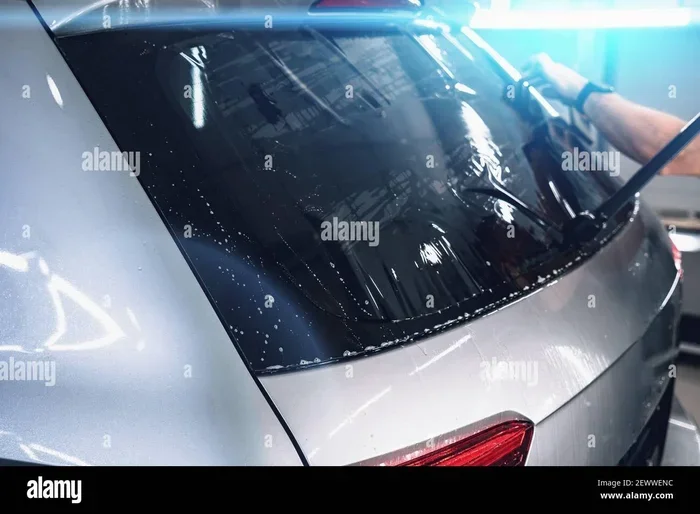
Some car owners prefer to save money by installing window film themselves. DIY kits are widely available and can work well for experienced individuals. However, professional installation is strongly recommended for most people.
Professionals have the tools, experience, and clean environments needed to apply tint without dust bubbles or wrinkles. A professional job also typically comes with a warranty. If you do choose the DIY route, make sure you follow the instructions carefully and work in a dust-free, climate-controlled space.
How to Maintain Your Window Tint
Taking care of your 20 percent tint after installation will help it last for many years. Here are some simple maintenance tips:
- Wait at least 3 to 5 days before rolling down your windows after installation.
- Clean your tinted windows with a soft microfiber cloth and ammonia-free cleaner.
- Avoid using rough or abrasive materials that can scratch the film.
- Park in the shade when possible to reduce heat exposure on fresh tint.
- Inspect your tint regularly for signs of peeling or bubbling.
Quick Tips
Quick Tip: Never use a squeegee directly on your tinted windows during the first month. The pressure can disturb the adhesive bond. Instead, gently wipe with a soft cloth.
Quick Tip: If you notice small bubbles forming, do not panic. Small air pockets usually disappear on their own within a few weeks as the film cures.
Quick Tip: Consider applying a UV-protectant spray to your tinted windows periodically. This helps maintain the film’s UV protection properties over time.
20 Percent Tint vs. Other Tint Levels
Understanding how 20 percent window tint compares to other shade levels helps you make the best choice. Different tint percentages serve different needs and preferences. Let us look at how 20 percent stacks up against the most popular alternatives.
| Tint Percentage | Light Transmission | Darkness Level | Best For | Legal in Most States? |
|---|---|---|---|---|
| 50% | 50% | Light | Maximum visibility, mild heat reduction | Yes |
| 35% | 35% | Medium-Light | Style and moderate heat rejection | Yes |
| 20% | 20% | Medium-Dark | Balance of style, comfort, and legality | Varies |
| 10% | 10% | Dark | Maximum privacy, strong heat rejection | Limited |
| 5% | 5% | Very Dark | Maximum privacy, limousine-style look | Rarely |
As you can see, 20 percent tint sits in a sweet spot. It is darker than 35 or 50 percent tints, which gives you better heat rejection and privacy. At the same time, it is much lighter than 5 or 10 percent tints, which means you still have good visibility for safe driving. For most car owners, 20 percent window tint hits the ideal balance between style and function.
If you live in a hot climate, you might prefer a darker tint for maximum heat reduction. If you prioritize visibility and want a subtle upgrade, a lighter tint might be better. But for the majority of drivers, 20 percent is the go-to choice.
Final Thoughts on 20 Percent Window Tint
20 percent window tint is a smart investment for any car owner. It offers strong heat rejection, excellent UV protection, improved privacy, and reduced glare — all while staying practical for everyday driving. Whether you are looking to protect your car’s interior, stay cooler on hot days, or simply give your vehicle a sleeker appearance, a 20 percent tint delivers real results.
Remember to check your local tint laws before making a purchase. Choose a quality window film from a reputable brand. And invest in professional installation if you want the best long-term outcome. With proper care, your 20 percent window tint can last anywhere from five to ten years or even longer.
Take your time, do your research, and pick the tint percentage that fits your needs and your local regulations. Your car — and your comfort — will thank you every time you get behind the wheel.
Frequently Asked Questions
Is 20 percent window tint legal everywhere?
No, tint laws vary by state and country. Some states allow 20 percent tint on all windows, while others restrict it to the rear windows only. Always check your local tinting regulations before getting your windows tinted to avoid fines or penalties.
How long does 20 percent window tint last?
A quality 20 percent window tint typically lasts between five and ten years. The lifespan depends on the film type, installation quality, and how well you maintain it. Ceramic and carbon films tend to last longer than dyed films.
Can I tint my own windows with a 20 percent kit?
Yes, DIY window tint kits are available for 20 percent tint. However, professional installation is recommended for the best results. DIY application can lead to bubbles, peeling, or uneven coverage if you do not have experience.
Does 20 percent window tint block UV rays?
Yes, most window films block up to 99 percent of harmful UV rays, regardless of the tint percentage. This UV protection helps protect your skin and prevents your car’s interior from fading over time.
What is the difference between ceramic and dyed 20 percent tint?
Ceramic tint is a premium film that blocks more heat and does not interfere with electronic signals. Dyed tint is more affordable but may fade over time and offers less heat rejection. Both come in 20 percent shades, but ceramic performs better overall.
How much does it cost to tint all windows with 20 percent film?
The window tint cost for a full 20 percent tint job typically ranges from $100 to $400 for a standard sedan. SUVs and trucks may cost more. The price depends on the film type, your vehicle size, and whether you choose professional or DIY installation.