What Are the Three Pedals on a Forklift For Explained
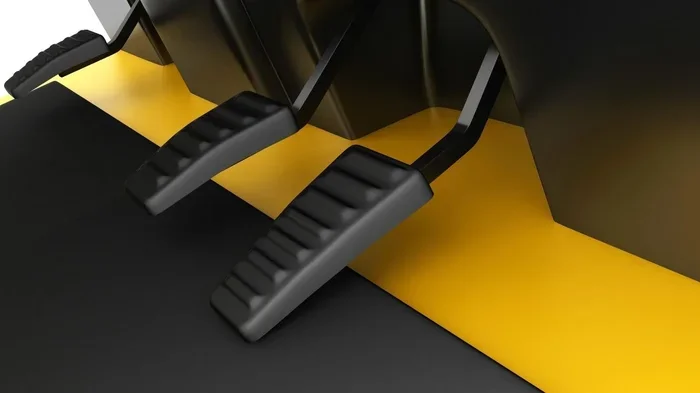
The three pedals on a forklift serve essential functions: acceleration, braking, and clutch control. Understanding each pedal is critical for safe forklift operation in warehouses and industrial settings. The accelerator controls speed, the brake brings the truck to a stop, and the clutch enables smooth gear shifting. Forklift pedals differ from car pedals in layout and function. This guide breaks down every pedal so operators can drive forklifts with confidence and stay safe on the job.
Have you ever walked into a warehouse and watched a forklift glide past? It moves so smoothly that it almost looks easy. But underneath that simple motion lies a system of controls that every operator must master. The three pedals on a forklift are at the heart of that control system.
Many people assume forklift pedals work just like car pedals. They do not. The layout, function, and coordination required are completely different. Forklift pedals control acceleration, braking, and clutch engagement in a way that demands practice and respect. Whether you are new to forklift operation or looking to sharpen your skills, understanding these pedals is non-negotiable.
This guide walks you through each pedal in detail. You will learn what every pedal does, why it matters, and how to use it safely. By the end, you will have a clear picture of forklift controls and the confidence to operate them properly.
Key Takeaways
- The accelerator pedal controls the forklift’s forward and reverse speed.
- The brake pedal is essential for stopping and maintaining control on slopes.
- The clutch pedal allows operators to shift gears smoothly and control torque.
- Forklift pedal layout is different from regular vehicles and requires specific training.
- Safe pedal operation reduces accidents and extends equipment life.
- Practicing pedal coordination is a key part of forklift training programs.
- Knowing your pedals builds operator confidence and improves warehouse efficiency.
📑 Table of Contents
- Understanding the Three Pedals on a Forklift
- The Accelerator Pedal Explained
- The Brake Pedal and Its Importance
- The Clutch Pedal: Function and Purpose
- How to Use the Pedals Safely and Effectively
- Common Mistakes Forklift Operators Make with Pedals
- Expert Insights on Forklift Pedal Mastery
- Comparing Forklift Pedals to Car Pedals
- Final Thoughts
Understanding the Three Pedals on a Forklift
Every forklift has three pedals on the floor on the operator’s side. These forklift foot controls govern speed, stopping power, and gear engagement. Let us break them down one by one so nothing is left unclear.
The arrangement of pedals may vary slightly depending on the forklift model. Some trucks use a right-foot-only layout, while others use a left-foot clutch and right-foot brake and throttle setup. Regardless of the layout, the three functions remain the same. Counterbalance forklift models, which are the most common in warehouses, follow a standard pedal arrangement that operators learn during forklift training.
Forklift safety starts with knowing what each pedal does and how to use it correctly. A mistake with any one of these pedals can lead to tipping, collisions, or cargo damage. That is why so many warehouse equipment training programs spend significant time on pedal coordination.
The Three Pedals at a Glance
- Accelerator (Throttle): Controls the forklift’s speed forward or in reverse.
- Brake Pedal: Slows down and stops the forklift safely.
- Clutch Pedal: Disengages the engine from the wheels to allow smooth gear changes.
These three pedals work together as a team. An operator must learn to coordinate them for smooth, controlled movement. Think of it like driving a manual transmission car, but with a few key differences that make forklift driving unique.
The Accelerator Pedal Explained
The accelerator pedal is typically the rightmost pedal on a forklift. Some operators also call it the throttle pedal. Its job is straightforward: it controls how fast the forklift moves. But “straightforward” does not mean “simple to master.”
When you press the accelerator, you are telling the engine to deliver more power. This increases the forklift’s speed in either forward or reverse direction. The amount of pressure you apply determines the speed. Light pressure means slow, steady movement. Firm pressure means faster travel.
How the Accelerator Works in Practice
In a warehouse setting, you rarely need high speed. Most forklift maneuverability happens at low speeds. The accelerator is used for precise movement. You might nudge it gently to inch forward when aligning with a loading dock. Or you might press it a bit more to cross a wide aisle quickly.
Here are some practical tips for using the accelerator:
- Start with light pressure and increase gradually.
- Avoid sudden bursts of acceleration, especially when carrying a load.
- Release the pedal slowly to decelerate smoothly.
- Always look ahead and anticipate when you need to slow down.
Forklift maintenance of the accelerator system is also important. A sticky or unresponsive throttle can make control difficult. Regular inspections of the pedal linkage and throttle cable help keep everything running smoothly.
Why Accelerator Control Matters for Safety
Too much throttle is one of the leading causes of forklift accidents. When an operator accelerates too quickly, the forklift can become unstable. This is especially dangerous when the mast is raised high or when the floor is wet or uneven. Forklift pedal discipline starts with gentle, deliberate accelerator use.
Experienced operators know that the accelerator is not just about going fast. It is about maintaining consistent, predictable movement. This level of control protects the operator, the cargo, and everyone else in the warehouse.
The Brake Pedal and Its Importance
The brake pedal is the most critical pedal on any forklift. It is responsible for slowing down and bringing the truck to a complete stop. Without a functioning brake pedal, forklift operation becomes extremely dangerous.
Most forklifts have a separate brake pedal that the operator presses with their right foot. The parking brake, which is usually a lever or foot pedal on the far left, serves a different purpose and is not one of the three main pedals.
How the Brake Pedal Functions
When you press the brake pedal, friction is applied to the wheels. This slows the forklift down and eventually stops it. The amount of pressure you apply determines how quickly the forklift decelerates. A firm press stops the truck fast, while a gentle press slows it down gradually.
Brake pedals on forklifts are designed to be responsive. They should feel firm and consistent underfoot. If a brake pedal feels spongy, loose, or unresponsive, the truck should be taken out of service immediately. Forklift brake system checks are part of every pre-shift inspection routine.
Brake Pedal Best Practices
- Always brake smoothly and progressively, not abruptly.
- Use the brake pedal to control speed on downhill slopes.
- Brake before turning, not during a turn, to prevent tipping.
- Keep your right foot positioned over the brake pedal when not accelerating.
- Test the brakes gently at the start of every shift.
One of the biggest mistakes new operators make is braking too late. Because forklifts can be heavy and have a high center of gravity, late braking can cause the load to shift or the truck to tip. Forklift safety depends heavily on early, controlled braking.
Brake Pedal and Load Stability
When a forklift carries a heavy load, the brake pedal takes on extra importance. The load shifts the center of gravity forward. During braking, that forward momentum can cause the forklift to pitch. This is why smooth, gradual braking is so important. It keeps the load stable and the truck balanced.
Operators should also be aware that braking behavior changes on different surfaces. Concrete floors offer good grip, but dusty or wet surfaces reduce traction. Adjusting brake pressure to match the floor condition is a skill that comes with forklift driving experience.
The Clutch Pedal: Function and Purpose
The clutch pedal is the leftmost pedal on most forklifts. Its role is to disconnect the engine from the drive wheels. This allows the operator to shift gears smoothly without grinding or stalling the engine.
Not all forklifts have a clutch pedal. Some models use automatic transmissions or hydrostatic drives that eliminate the need for manual shifting. However, many industrial forklifts, especially older models and heavy-duty trucks, still rely on a manual clutch system.
Why the Clutch Pedal Matters
The clutch pedal gives the operator fine control over the forklift’s power delivery. When you press the clutch, the engine disconnects from the wheels. This lets you shift gears safely. When you release the clutch gradually, the power reconnects smoothly.
Think of it like this: the clutch pedal is the bridge between the engine and the wheels. Without it, shifting gears would cause jerky movement, potential stalling, and even damage to the transmission. A well-operated clutch makes forklift maneuverability feel effortless.
Clutch Pedal Techniques for Operators
- Press the clutch fully before shifting gears.
- Release the clutch slowly and smoothly to avoid jerky starts.
- Find the “bite point” where the clutch begins to engage for better control.
- Do not rest your foot on the clutch pedal while driving, as this causes wear.
- Practice clutch coordination in a safe, empty area before operating in busy spaces.
Forklift training programs spend a lot of time on clutch operation because it is the hardest pedal to master. New operators often either release the clutch too quickly or hold it down too long. Both habits cause problems. Too-fast release leads to stalling. Too-long holding leads to unnecessary wear on the clutch components.
Clutch Maintenance Tips
Like all industrial equipment components, the clutch needs regular care. Check the clutch fluid level and inspect the pedal linkage for wear. A clutch that slips or grabs roughly is a sign that maintenance is needed. Keeping the clutch in good condition ensures smooth forklift controls and extends the life of the truck.
How to Use the Pedals Safely and Effectively
Knowing what each pedal does is only half the battle. Using them together in a coordinated way is what makes a skilled operator. Forklift pedal coordination is a skill that develops over time with practice and attention to detail.
The Right Foot Discipline
Most forklifts use a right-foot-only approach for the accelerator and brake pedals. The left foot operates the clutch. This means the operator must be deliberate about which foot goes where at any given moment.
When driving straight, the right foot should alternate between the accelerator and the brake as needed. The left foot stays on the clutch only when shifting gears. This discipline prevents accidental pedal presses and keeps the forklift’s movements predictable.
Pedal Coordination in Real-World Scenarios
Let us walk through a common warehouse scenario. You are approaching a narrow aisle with a loaded forklift. Here is how pedal coordination works in practice:
- Release the accelerator and let the forklift slow down naturally.
- Press the clutch fully to prepare for a gear change if needed.
- Apply gentle brake pressure to reduce speed before the aisle.
- Shift gears smoothly using the clutch pedal.
- Release the clutch gradually as you apply light throttle to maintain a steady pace.
- As you approach the stacking position, ease off the accelerator and press the brake gently to stop precisely.
This sequence shows how all three pedals work in harmony. It may feel complex at first, but with repetition it becomes second nature. The key is to go slow and build muscle memory in a controlled environment before tackling busy warehouse floors.
Quick Tips for Pedal Mastery
- Practice pedal coordination in an empty lot or training area first.
- Always wear flat-soled shoes for better pedal feel and control.
- Keep both hands on the steering wheel and both feet ready for action.
- Never use the accelerator to stop the forklift; always use the brake.
- Get feedback from a supervisor or experienced operator on your pedal technique.
Common Mistakes Forklift Operators Make with Pedals
Even experienced operators can fall into bad habits with their forklift pedals. Recognizing these mistakes early can prevent accidents and equipment damage.
Mistake 1: Resting Your Foot on the Clutch
This is one of the most common habits among operators. Resting your foot on the clutch pedal partially engages the clutch, which causes unnecessary wear and can lead to overheating. Keep your left foot off the clutch unless you are actively shifting gears.
Mistake 2: Slamming the Accelerator
Sudden acceleration is dangerous, especially when carrying a load at height. It shifts the center of gravity and can cause the forklift to become unstable. Always apply throttle gently and progressively.
Mistake 3: Braking Too Hard or Too Late
Hard braking can cause the load to slide forward or the forklift to tip. Late braking means you need more force to stop, which increases the risk of instability. Always brake early and smoothly.
Mistake 4: Shifting Gears Without the Clutch
Skipping the clutch when shifting gears can grind the transmission and damage internal components. Always press the clutch fully before every gear change.
Mistake 5: Ignoring Pedal Feel
If a pedal feels different than usual, do not ignore it. A spongy brake pedal, a sticky accelerator, or a clutch that grabs suddenly all signal potential problems. Report any pedal irregularities to your maintenance team right away.
How to Avoid These Mistakes
Regular forklift training refreshers help reinforce proper pedal technique. Operators should also perform pre-shift checks on all three pedals to ensure they feel right. When in doubt, ask for guidance. No one expects a new operator to be perfect, but everyone is expected to learn and improve.
Expert Insights on Forklift Pedal Mastery
We spoke with experienced warehouse supervisors and forklift operators to gather their best advice on pedal control. Here is what the experts had to say.
“The biggest thing I tell new operators is to be gentle with all three pedals,” says Mike, a warehouse supervisor with over 15 years of experience. “The forklift responds best to smooth inputs. Jerky movements with the pedals are what cause most accidents in our facility.”
“Practice makes perfect,” adds Sarah, a certified forklift trainer. “Spend extra time in the training area until pedal coordination feels natural. Once it does, you can focus on the job at hand instead of worrying about the controls.”
“Never underestimate the parking brake,” reminds Tom, a safety officer. “The three main pedals handle driving and stopping, but the parking brake is your backup when the truck is parked on a slope. Always engage it every time you leave the forklift.”
These insights highlight a common theme: forklift pedal mastery is about smoothness, consistency, and respect for the equipment. The pedals are powerful tools, and using them correctly makes all the difference.
Comparing Forklift Pedals to Car Pedals
It is easy to assume that forklift pedals work just like car pedals. They do not. Understanding the differences helps operators respect the unique demands of forklift operation.
| Feature | Forklift Pedals | Car Pedals |
|---|---|---|
| Number of Main Pedals | Three (accelerator, brake, clutch) | Two or three depending on transmission |
| Layout | Often left-to-right: clutch, brake, accelerator | Left-to-right: brake, accelerator (automatic) |
| Size | Smaller and closer together | Larger and spread apart |
| Pressure Required | Light to moderate pressure | Moderate pressure |
| Primary Use Environment | Warehouses, construction sites, docks | Roads, highways, residential areas |
| Speed Range | Very low speeds, precise control | Wide range of speeds |
The differences in size, layout, and function mean that car driving experience does not automatically translate to forklift competence. Every operator needs proper forklift training specific to the equipment they will be using.
Final Thoughts
The three pedals on a forklift are more than just foot controls. They are the connection between the operator and the machine. Each pedal plays a vital role in safe, efficient forklift operation. The accelerator controls speed, the brake ensures stopping power, and the clutch enables smooth gear changes.
Mastering these pedals takes time, patience, and practice. But the effort pays off in the form of safer workplaces, fewer accidents, and longer equipment life. Every operator, from beginner to veteran, benefits from revisiting the basics of forklift pedal technique regularly.
Next time you climb into a forklift, take a moment to feel each pedal under your foot. Notice how they respond. Practice smooth, deliberate movements. Over time, these forklift foot controls will feel like a natural extension of your body. That is when you know you have truly mastered the art of forklift driving.
Remember, forklift safety starts from the ground up. Literally. Your feet are the first point of contact with the machine. Treat the pedals with care, respect their power, and they will reward you with reliable, precise control every single shift.
Frequently Asked Questions
What are the three pedals on a forklift used for?
The three pedals control acceleration, braking, and clutch engagement. The rightmost pedal is the accelerator, the middle pedal is the brake, and the leftmost pedal is the clutch. Together, they give the operator full control over the forklift’s movement and speed.
Can you drive a forklift with only two pedals?
Yes, some forklift models come with automatic transmissions and only have two pedals: the accelerator and the brake. These models do not require a clutch pedal because the transmission shifts gears automatically. However, most industrial forklifts still use a three-pedal setup for manual gear control.
How do forklift pedals differ from car pedals?
Forklift pedals are smaller, closer together, and require less pressure than car pedals. The layout is also different, with the clutch on the left, brake in the middle, and accelerator on the right. Additionally, forklifts operate at much lower speeds, so pedal control demands more precision and finesse.
Why is the clutch pedal important on a forklift?
The clutch pedal disconnects the engine from the wheels, allowing the operator to shift gears smoothly. Without it, gear changes would cause grinding, stalling, and potential damage to the transmission. Proper clutch use also improves fuel efficiency and extends the life of the drivetrain.
What should I do if a forklift pedal feels sticky or unresponsive?
Do not operate the forklift if a pedal feels unusual. Report the issue to your supervisor and maintenance team immediately. A sticky or unresponsive pedal can compromise control and lead to accidents. Always perform a pre-shift check of all pedals before starting any task.
How can I improve my forklift pedal coordination?
Practice in a safe, empty area until the pedal movements feel natural. Focus on smooth, gradual inputs rather than sudden presses. Wear flat-soled shoes for better pedal feel, and ask an experienced operator or trainer for feedback on your technique. Regular practice builds the muscle memory needed for confident, safe operation.
=== CONCLUSION ===
The three pedals on a forklift are the foundation of safe and effective forklift operation. Each pedal, from the accelerator to the brake to the clutch, serves a specific and essential purpose. Understanding these forklift pedals and learning to coordinate them smoothly is a skill every operator must develop.
Forklift safety, forklift maneuverability, and equipment longevity all depend on proper pedal use. Take the time to learn, practice, and refine your technique. The effort you invest in mastering the three pedals on a forklift will pay dividends in every shift you work.