The Disadvantages of Automatic Emergency Braking Systems
Automatic Emergency Braking Systems are designed to prevent crashes, but they come with real drawbacks. False activations, sensor failures, and driver complacency can all create problems on the road. Understanding these automatic braking problems helps you make smarter decisions about your vehicle’s safety features.
You step on the gas, merge into traffic, and suddenly your car slams on the brakes for no reason. That is the reality for some drivers who have Automatic Emergency Braking Systems. These systems are marketed as life-saving technology, and they can be. But they also come with drawbacks that many buyers overlook.
Automatic Emergency Braking Systems, often called AEB or autonomous emergency braking, use sensors and cameras to detect potential collisions. When a crash seems imminent, the system applies the brakes automatically. The goal is simple: reduce accidents and save lives. But the execution is not always perfect.
Before you assume these systems are flawless, it is important to understand their limitations. False activations, sensor failures, and driver complacency all play a role. This article breaks down the real disadvantages so you can make an informed choice about your next vehicle.
Key Takeaways
- False Activations: AEB systems can trigger unnecessary braking, causing accidents or startling drivers.
- Sensor Limitations: Dirt, weather, and lighting conditions can impair sensor performance.
- Driver Complacency: Over-reliance on driver assistance features can reduce alertness.
- High Maintenance Costs: Sensor replacement and calibration can be expensive.
- System Limitations: AEB may not work well in all driving conditions, especially at night or in bad weather.
- Not a Replacement for Attention: These systems assist but do not replace safe driving habits.
📑 Table of Contents
How Automatic Emergency Braking Systems Work
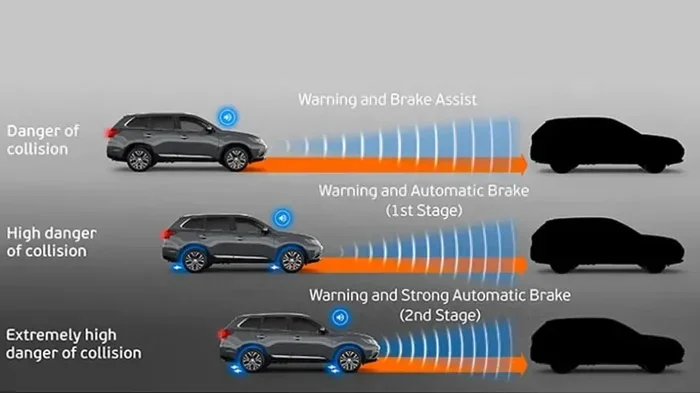
Understanding how these systems work helps you see why they can fail. Automatic Emergency Braking Systems rely on a network of sensors, cameras, and radar to monitor the road ahead. When the system detects an obstacle, it calculates the time and distance to a potential collision.
If the driver does not react in time, the system steps in and applies the brakes. Some systems also work with forward collision warning technology to alert the driver first. Others go straight to braking without any warning.
What Happens When the System Engages
When an Automatic Emergency Braking System activates, it can happen in milliseconds. The car slows down or stops completely without any input from the driver. This can be a lifesaver in a sudden stop scenario. But it can also be jarring and confusing.
Here is what typically happens during an AEB activation:
- The sensors detect an approaching object or vehicle.
- The system calculates the collision risk based on speed and distance.
- If the driver does not brake, the system triggers automatic braking.
- The vehicle slows down or comes to a full stop.
Types of AEB Systems
Not all autonomous emergency braking systems are the same. Different manufacturers use different approaches:
- Low-speed AEB: Works in city driving at speeds under 30 mph. Great for avoiding parking lot fender-benders.
- High-speed AEB: Detects vehicles at highway speeds and can apply full braking force.
- Pedestrian detection AEB: Uses cameras to identify pedestrians and cyclists in the vehicle’s path.
- Rear AEB: Activates when reversing to prevent backup collisions.
Quick Tips: Getting to Know Your AEB System
Take a few minutes to read your vehicle manual and understand how your specific AEB system works. Know what triggers it and what it cannot do. This knowledge can prevent surprises on the road. Also, ask your dealer to demonstrate the system during your test drive so you know exactly what to expect.
False Activations and Unnecessary Braking
The most common complaint about Automatic Emergency Braking Systems is false activation. The system hits the brakes when there is no actual danger. This can be startling, dangerous, and frustrating for everyone on the road.
When the System Gets It Wrong
False activations happen more often than you might think. A shadow on the road, a reflection from a mirror, or even a bridge overpass can trick the sensors. The system thinks a collision is coming and slams on the brakes.
Imagine driving on a highway and your car suddenly brakes hard because of a shadow. The driver behind you might not expect it. This can cause a rear-end collision that the AEB system was supposed to prevent. It is a painful irony when a safety feature causes an accident.
Common Triggers for False Alerts
Several things can cause automatic braking problems and false alerts:
- Bright sunlight or glare reflecting off windshields
- Shadows from bridges, trees, or overpasses
- Metal guardrails or roadside structures
- Camera lenses covered in dirt or moisture
- Sharp curves that mimic an obstacle in the road
These triggers are not rare. Many drivers report experiencing at least one false activation. The problem is especially common in older AEB systems or those that have not had recent sensor calibration.
Common Mistakes Drivers Make With AEB
One common mistake is assuming the system is always right. When the brakes apply unexpectedly, some drivers panic and slam their own brakes. This can confuse the system and make the situation worse. Another mistake is ignoring false activations. If your AEB triggers too often, it may need professional attention.
A third mistake is trying to disable the system permanently. While some vehicles allow you to turn off AEB temporarily, permanently disabling it removes a valuable safety layer. If the system bothers you, get it calibrated instead of turning it off.
Sensor Limitations and Environmental Challenges
Automatic Emergency Braking Systems depend heavily on sensors and cameras. When these components face challenges, the system’s performance drops. Environmental factors play a huge role in how well AEB works on a daily basis.
How Weather Affects AEB Performance
Rain, snow, and ice can seriously impact collision avoidance technology. Sensors get covered in water or snow, and cameras struggle to see through heavy rain. In these conditions, the system may not detect a vehicle ahead in time.
Even moderate fog can reduce the effectiveness of radar and camera-based systems. The sensors simply cannot “see” the road the way they do on a clear day. This creates a false sense of security that can be dangerous, especially during winter driving.
Dirt, Debris, and Sensor Obstruction
Your car’s sensors need a clear view to work properly. Mud, ice, snow, or even a small sticker on a camera lens can block the system. Many drivers do not realize that their AEB is disabled until it is too late.
Here are some simple things that can obstruct AEB sensors:
- Snow or ice buildup on the front bumper
- Mud or dirt covering camera lenses
- Aftermarket accessories like bull bars or license plate covers
- Damaged or misaligned sensors after a minor collision
Keeping your sensors clean and unobstructed is essential. It is a small maintenance task that can make a big difference in how well your vehicle safety systems perform.
Expert Insights: What Mechanics Say About Sensor Care
Many mechanics recommend cleaning your front sensors every time you wash your car. “People do not realize how much debris accumulates around the bumper area,” says automotive technician Mark Sullivan. “A thin layer of mud can completely disable a forward-facing camera.” Regular cleaning takes seconds but can prevent costly braking system failure down the road. Sullivan also warns against using high-pressure washers directly at sensor areas, as the force can knock sensors out of alignment.
Driver Over-Reliance and Complacency
One of the biggest concerns with Automatic Emergency Braking Systems is how they change driver behavior. When drivers trust technology too much, they can become less attentive. This is known as automation complacency, and it is a real safety risk on today’s roads.
The False Sense of Security
When your car can brake itself, it is easy to let your guard down. You might feel comfortable checking your phone, adjusting the radio, or daydreaming a bit longer. But AEB systems are not perfect. They cannot detect every obstacle, and they cannot react as well as a focused driver.
The technology is a backup system, not a replacement for attentive driving. Relying on it too heavily can lead to automatic braking problems when the system fails to respond in time. The safest drivers are those who use AEB as a supplement, not a substitute for their own awareness.
How Complacency Develops Over Time
Complacency does not happen overnight. It builds slowly as drivers experience their AEB system working correctly again and again. Here is how it typically develops:
- The driver buys a car with driver assistance features and feels safer.
- After a few months, the driver stops paying as much attention.
- The driver begins to trust the system more than their own judgment.
- When the system fails or has a blind spot, the driver is unprepared.
This progression is dangerous. Studies have shown that drivers with AEB systems tend to follow other vehicles more closely. They also spend more time looking at their phones. The technology makes them feel invincible, which is exactly the wrong mindset for safe driving.
Comparison: Driver Behavior With and Without AEB
| Behavior | With AEB System | Without AEB System |
|---|---|---|
| Following distance | Tends to decrease | Stays more consistent |
| Phone usage while driving | Higher rates reported | Lower rates reported |
| Reaction to road hazards | Slower response time | Faster response time |
| Overall alertness level | Moderate to low | Moderate to high |
| Confidence in avoiding crashes | High (sometimes unfounded) | Moderate (based on personal skill) |
As you can see, having AEB can actually change how carefully you drive. This is a trade-off that many buyers do not consider when shopping for a new car.
Quick Tip: Make a conscious effort to stay fully engaged when driving, even if your car has advanced safety features. Treat AEB as a safety net, not a substitute for your attention. Set a personal rule to keep both hands on the wheel and your eyes on the road at all times.
Maintenance Costs and Long-Term Concerns
Owning a vehicle with Automatic Emergency Braking Systems comes with ongoing costs that many buyers do not anticipate. These systems require regular maintenance, and repairs can be expensive when something goes wrong.
Repair and Sensor Replacement Expenses
The sensors and cameras used in AEB systems are not cheap. A single front-facing camera can cost anywhere from $200 to $800 to replace, depending on the vehicle. If a sensor is damaged in a minor fender bender, the repair bill can quickly add up.
And it is not just the sensors. The brake assist technology integrated into AEB systems puts extra wear on your brakes. The system may apply emergency braking more frequently than a human would, which means brake pads and rotors wear out faster. Over time, this adds to your overall maintenance budget.
Here are some common AEB-related repair costs:
- Front camera replacement: $200 – $800
- Radar sensor replacement: $300 – $1,200
- Sensor calibration after repair: $100 – $300
- Brake pad replacement (accelerated wear): 20-40% more frequent
- Software diagnostics and updates: $50 – $150 per visit
Software Updates and Calibration Needs
Modern AEB systems rely on software as much as hardware. Manufacturers periodically release updates to improve pedestrian detection accuracy and reduce false activations. These updates sometimes require a visit to the dealership, which can be inconvenient and time-consuming.
After any repair that affects the sensors or cameras, professional calibration is essential. A misaligned sensor can cause the system to underperform or trigger false alarms. This calibration process adds time and cost to any repair visit.
Common Mistake: Many owners skip calibration after minor bodywork. They assume the AEB system will still work fine. In reality, even a slight misalignment can significantly reduce system accuracy. Always insist on sensor calibration after any front-end repair or bumper work.
Quick Tips: Reducing AEB Maintenance Costs
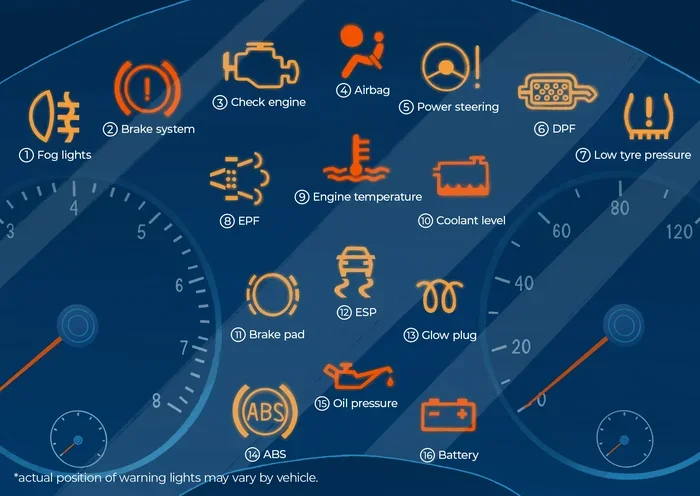
You can take simple steps to keep your AEB system running smoothly without breaking the bank. Clean your sensors regularly, avoid aftermarket accessories that block camera views, and address any warning lights on your dashboard immediately. Staying proactive with maintenance can save you hundreds of dollars in repairs over the life of your vehicle.
Are These Systems Worth Having?
This is the question every buyer should ask. The answer is not a simple yes or no. Automatic Emergency Braking Systems do save lives. Insurance Institute for Highway Safety data shows that vehicles with AEB have fewer rear-end collisions. But the disadvantages are real and should not be ignored.
The key is to understand what AEB can and cannot do. Treat it as a helpful tool, not a magic solution. Stay alert, keep your sensors clean, and maintain your vehicle properly. When used correctly, AEB adds a valuable layer of protection to your daily driving.
But if you are buying a used car or considering a vehicle that only has basic AEB, be aware of the limitations. Older systems are more prone to false activations and sensor failures. Newer systems with pedestrian detection and improved radar are generally more reliable, but they still need proper maintenance to function well.
The bottom line: AEB is a great safety feature when it works as intended. But it is not foolproof. Drivers who understand the disadvantages are better prepared to handle situations when the system falls short. The best approach is to stay informed, stay alert, and never let technology replace your own judgment behind the wheel.
Conclusion
Automatic Emergency Braking Systems have revolutionized vehicle safety. They have prevented countless accidents and saved many lives. But they are not without their flaws. False activations, sensor limitations, driver complacency, and high maintenance costs are all real disadvantages that buyers should understand before choosing a vehicle.
The technology behind autonomous emergency braking continues to improve. Newer systems are smarter, more reliable, and better at handling challenging conditions. But until these systems are perfect, drivers must stay engaged and informed about how their AEB works and where it falls short.
If you own a vehicle with AEB, take the time to understand how it works and what its limitations are. Keep your sensors clean, stay on top of maintenance, and never let the technology replace your own attention on the road. Automatic Emergency Braking Systems are a powerful tool, but they work best when paired with a careful and aware driver who stays fully in control.
Frequently Asked Questions
Can Automatic Emergency Braking Systems Fail?
Yes, Automatic Emergency Braking Systems can fail. Sensor obstructions, software glitches, and extreme weather conditions can all cause the system to malfunction. This is why regular maintenance and sensor cleaning are so important for keeping your AEB functioning properly.
How Much Does It Cost to Repair an AEB System?
Repair costs vary widely depending on the damage. A simple sensor cleaning is usually free or low-cost, but replacing a front-facing camera can run between $200 and $800. Radar sensor replacements can cost $300 to $1,200, and professional calibration adds another $100 to $300 on top of that.
Can AEB Systems Be Turned Off?
Some vehicles allow drivers to temporarily disable autonomous emergency braking, but permanently turning it off is not recommended. The system is designed to act as a safety backup, and disabling it removes an important layer of protection. If the system bothers you, consider getting it calibrated instead.
Do AEB Systems Work at All Speeds?
Not all AEB systems work at every speed. Low-speed AEB systems are designed for city driving under 30 mph, while high-speed AEB systems activate at highway velocities. Some vehicles have both, but the coverage range depends on the specific system installed in your car.
Are AEB Systems Standard in All New Cars?
Many new vehicles now come with Automatic Emergency Braking Systems as standard equipment, especially in the United States and Europe. However, not all models include AEB, and older used vehicles are less likely to have them. Always check the vehicle’s specifications before purchasing.
Can AEB Systems Cause Accidents?
While rare, automatic braking problems such as false activations can contribute to accidents. Sudden unexpected braking can surprise following drivers and lead to rear-end collisions. This is why understanding your AEB system’s limitations and keeping sensors clean is essential for safe driving.