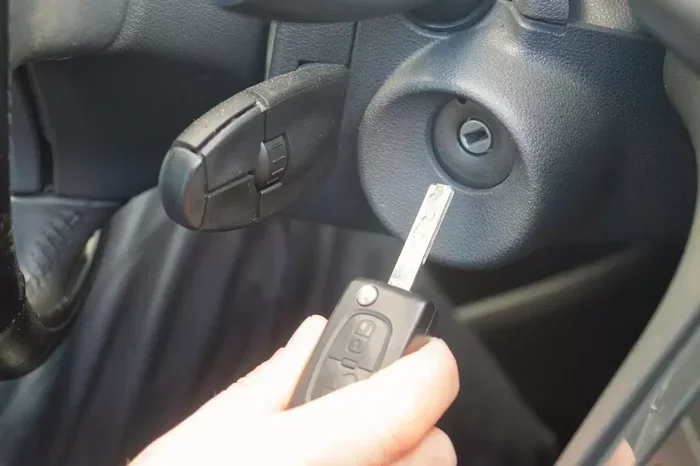
Key Wont Turn in Car: What to Do When Your Key Sticks
A key wont turn in car more often than you think, and it usually stems from a few common culprits like a steering wheel lock, worn key, or faulty ignition switch. This guide walks you through every possible reason your key is stuck and gives you clear, step-by-step fixes you can try right now. We also cover when to call a professional locksmith and how to prevent the problem from happening again.
There are few moments more frustrating than sliding your key into the ignition and realizing it wont turn. You push, you wiggle, you try again. Nothing happens. Your car wont start, and you are stuck. This happens to millions of drivers every year, and the good news is that most causes are simple and fixable at home.
Whether your key is stuck because of a steering wheel lock, a worn key, or a deeper mechanical issue, this guide covers everything you need to know. We will walk you through the most common reasons your key wont turn in car, give you practical fixes to try right now, and explain when it is time to call a professional locksmith. By the end, you will have a clear action plan to get back on the road.
Key Takeaways
- Steering wheel lock is the #1 cause: It engages automatically and blocks the ignition cylinder.
- Try simple fixes first: Jiggle the steering wheel, check the gear shift, and tap the ignition cylinder before calling a locksmith.
- Never force a stuck key: Forcing it can break the key inside the ignition, leading to costly key extraction and ignition repair.
- A worn or damaged key is a frequent culprit: Inspect your key for bends, cracks, or worn teeth.
- Call a professional when DIY fails: A licensed locksmith can handle key extraction, ignition switch replacement, and car key replacement safely.
- Prevention saves time and money: Regular key maintenance and proper lubrication keep your lock mechanism working smoothly.
- Know your car key type: Transponder keys and key fobs have unique issues like dead batteries that can mimic ignition problems.
📑 Table of Contents
Why Does Your Key Wont Turn in Car?
The ignition system in your vehicle is a complex lock mechanism that relies on several moving parts working together. When something goes wrong, the key gets stuck. Understanding the root cause is the first step to fixing the problem. Let us look at the two most common reasons your key wont turn in car.
The Steering Wheel Lock Engaged
This is the number one reason drivers find themselves staring at a stuck key. When you turn off your engine and remove the key, the steering column lock engages automatically. It is a security feature designed to prevent theft. But sometimes it locks the ignition cylinder in a position where the key cannot move.
The steering wheel itself locks in place, and this tension transfers directly to the ignition lock cylinder. The key feels jammed and refuses to turn. This happens especially when you turn the wheel slightly while pulling the key out, or when you park on a slope and the wheel rests against the curb.
The fix is usually simple. Gently wiggle the steering wheel left and right while trying to turn the key. You will feel the lock release, and the key should turn freely. Do not force it. Gentle pressure is all you need.
Problems with the Ignition Lock Cylinder
The ignition lock cylinder is the actual mechanism inside the steering column where you insert your key. Over time, this cylinder can wear out, collect debris, or develop internal faults. When the lock mechanism degrades, the key cannot engage properly, and you get a stuck key.
Older vehicles are especially prone to ignition cylinder wear. The internal pins and springs degrade after years of daily use. In some cases, the cylinder itself becomes misaligned, making it impossible to turn the key. This type of problem often requires professional ignition repair or a full ignition cylinder replacement.
Common Causes of a Stuck Key in the Ignition
Beyond the steering wheel lock and cylinder wear, several other factors can cause your key to stick. Let us break down each one so you can diagnose the problem quickly.
A Worn or Damaged Key
Your car key takes a beating over the years. It gets dropped, scratched, and bent. A worn key simply does not have the precise cuts needed to engage the lock mechanism inside the ignition cylinder. If you have had your key for many years, the teeth may be smooth and rounded, preventing proper contact with the internal pins.
A broken key is another common issue. If part of the key snaps off inside the ignition, you will have a stuck key and a fragment lodged in the lock cylinder. This requires immediate key extraction by a professional. Never try to pull a broken key out with tweezers or other tools, as this can push the fragment deeper.
The Gear Shift Position
Most automatic transmission vehicles have a safety feature that prevents the key from turning unless the gear shift is in Park or Neutral. If the gear shift is slightly out of position, the ignition lock will not release, and your key wont turn in car.
This often happens when you park and the vehicle settles slightly, causing the gear selector to drift out of the Park position. Push the gear shift firmly into Park and try turning the key again. You may need to apply a bit more pressure on the shift lever to fully engage the Park detent.
A Faulty Ignition Switch
The ignition switch is the electrical component behind the lock cylinder. It sends power to the starter motor, fuel system, and ignition coil when you turn the key. A faulty ignition switch can cause the key to feel stiff or stuck, even when the lock cylinder itself is working fine.
Signs of a bad ignition switch include the key turning but the car not starting, flickering dashboard lights, or the engine stalling unexpectedly. If you notice these symptoms alongside a stuck key, the ignition switch may be the real problem. A qualified mechanic or locksmith can test the switch and recommend ignition repair or replacement.
Steering Column Lock Issues
Beyond the simple steering wheel lock, the entire steering column lock mechanism can malfunction. Dirt, grime, and moisture can build up inside the column over time, causing the lock to seize. This is especially common in vehicles parked outdoors or in humid climates.
When the steering column lock sticks, it creates resistance that prevents the key from turning. In these cases, a penetrating lubricant sprayed into the lock cylinder can help free up the mechanism. However, if the lock is severely corroded, you may need professional ignition repair.
Quick Fixes You Can Try Right Now
Before you call for help, try these simple fixes. Most drivers resolve the problem in just a few minutes with these steps.
Jiggle the Steering Wheel
Turn the steering wheel gently from side to side while simultaneously trying to turn the key. This releases the steering column lock and relieves tension on the ignition cylinder. This fix works for the majority of stuck key situations.
Check Your Gear Shift
Make sure the gear shift is fully in Park. Push it firmly and listen for the engagement click. Try turning the key again. If you have a manual transmission, make sure the clutch pedal is fully pressed.
Tap the Ignition Cylinder
With the key inserted, gently tap the ignition cylinder with the palm of your hand or a small rubber mallet. This can dislodge debris or reposition worn internal pins. Do not hit it hard. A light tap is all that is needed.
Try a Spare Key
If you have a spare key, try it now. A spare key that is in better condition can turn when the worn primary key cannot. This confirms whether the problem is with the key itself or the lock cylinder.
Common Mistakes to Avoid
- Do not force the key. Forcing a stuck key can bend or break it, turning a simple fix into an expensive key extraction job.
- Do not use excessive lubricant. Too much graphite or oil can attract dirt and gum up the lock mechanism over time.
- Do not ignore the problem. A key that is increasingly difficult to turn signals a developing issue. Address it early.
Comparison: DIY Fixes vs. Professional Solutions
| Aspect | DIY Fixes | Professional Solutions |
|---|---|---|
| Cost | Free | $50 to $200 depending on the issue |
| Time | 5 to 15 minutes | 30 minutes to 2 hours |
| Best For | Steering wheel lock, gear shift issues, spare key | Broken key, faulty ignition switch, cylinder replacement |
| Risk | Low if done gently | Minimal when using a licensed locksmith |
| Long-Term Fix | Temporary for mechanical issues | Permanent for internal damage |
When a Key Breaks Inside the Ignition
A broken key inside the ignition cylinder is one of the most stressful situations a driver can face. You are standing in your driveway or parking lot with half the key stuck inside and no way to start the car. Stay calm. There is a clear process for handling this.
What to Do Immediately
First, do not panic. Do not stick any tools into the ignition to try to pull the broken key out. You risk pushing the fragment deeper or damaging the lock mechanism. If you can see the broken end of the key sticking out, you may be able to carefully pull it with needle-nose pliers. But only if it is protruding enough to grip without breaking it further.
If the key is flush with the cylinder or fully stuck, leave it alone and call a professional locksmith for key extraction. This is not a DIY job.
Key Extraction and Ignition Repair
A professional locksmith has specialized tools for key extraction, including tiny hooks and extraction pins designed to retrieve broken key fragments from ignition cylinders. Once the broken piece is removed, the locksmith can assess whether the cylinder needs repair or full replacement.
In many cases, the locksmith can also cut a new key on the spot using your vehicle identification number. This means you can walk away with a working key within an hour. Car key replacement does not have to be a full-day ordeal.
How to Prevent Key Ignition Problems
The best way to deal with a stuck key is to prevent the problem from happening in the first place. Regular maintenance and smart habits go a long way in keeping your ignition lock cylinder working smoothly.
Regular Key Maintenance
Inspect your car key periodically for signs of wear. Look for bends, cracks, or worn-down teeth. A key that looks rough or uneven is likely causing extra strain on the ignition cylinder. Consider getting a duplicate key made from the original while the original is still in good condition.
For vehicles with a transponder key or key fob, check the battery regularly. A dead key fob battery can sometimes mimic ignition problems, making you think the key wont turn in car when the real issue is a dead battery in the fob itself.
Using the Right Key
Always use the correct key for your vehicle. Duplicate keys made from inaccurate copies wear out faster and can cause ignition problems. If you need a car key replacement, have it done by a reputable locksmith or dealership to ensure the cuts are precise.
Lubricating the Lock Mechanism
A little maintenance goes a long way. Once or twice a year, apply a small amount of graphite lubricant to the ignition cylinder. Graphite is dry and does not attract dirt like oil-based lubricants do. Insert the key, turn it back and forth a few times, and the lubricant will distribute throughout the lock mechanism.
Avoid using WD-40 or similar products for long-term lubrication. They can leave a residue that gums up the lock mechanism over time. Stick with graphite powder or a dedicated lock lubricant.
When to Call a Professional Locksmith
Not every stuck key situation can be solved with a quick fix at home. Knowing when to call a professional saves you time, money, and the risk of making the problem worse.
Signs You Need Expert Help
- The key is broken inside the ignition cylinder.
- The key turns but the car does not start, suggesting an ignition switch problem.
- The key feels stuck no matter what you try, including steering wheel wiggle and gear shift adjustment.
- You notice grinding or clicking sounds when inserting or turning the key.
- The ignition cylinder appears damaged or misaligned.
- You have tried multiple keys and none work.
What to Expect From a Locksmith Visit
A professional locksmith will first diagnose the cause of the problem. They will inspect the key, the ignition cylinder, and the steering column lock mechanism. Based on their assessment, they will recommend the appropriate fix, which may include key extraction, ignition switch replacement, or full ignition cylinder replacement.
Most locksmiths offer mobile services and can come to your location. This is especially helpful if your car wont start and you are stranded somewhere. Always choose a licensed and insured locksmith with experience in automotive lock systems. Ask for upfront pricing before any work begins.
Conclusion
A key wont turn in car is a frustrating experience, but it is almost always a solvable problem. The most common causes, like the steering wheel lock or gear shift position, are easy to fix at home with simple techniques. For more serious issues like a broken key, faulty ignition switch, or worn ignition cylinder, a professional locksmith has the tools and expertise to get you back on the road quickly.
Prevention is your best long-term strategy. Maintain your keys, lubricate the lock mechanism, and address small problems before they become big ones. Keep a spare key in a safe place so you always have a backup plan. With the right knowledge and a calm approach, you can handle any stuck key situation with confidence.
Frequently Asked Questions
Why wont my key turn in the ignition at all?
The most common reason is an engaged steering wheel lock. Gently wiggle the steering wheel left and right while trying to turn the key. This releases the tension and allows the key to turn. If that does not work, check that the gear shift is fully in Park for automatic vehicles or the clutch is pressed for manual vehicles.
Can a dead key fob battery cause a key wont turn in car problem?
Yes, in vehicles with push-button start or keyless ignition systems, a dead key fob battery can prevent the car from recognizing the key. Replace the fob battery with the correct type and try again. This is not the same as a mechanical key issue, but it can feel identical from the driver’s perspective.
What should I do if my key breaks off inside the ignition?
Do not attempt to pull the broken piece out with tools. You risk pushing it deeper or damaging the lock cylinder. Contact a professional locksmith for safe key extraction. Most locksmiths carry specialized extraction tools and can often cut a replacement key on the spot.
How much does it cost to fix a stuck key in the ignition?
Simple fixes like releasing a steering wheel lock or adjusting the gear shift cost nothing. Key extraction typically costs between $50 and $150. Ignition cylinder replacement ranges from $150 to $350 depending on the vehicle make and model. Ignition switch repair can cost $100 to $250. Always get a price estimate before authorizing any work.
Can I use any lubricant on my ignition lock cylinder?
Use only dry graphite lubricant or a dedicated lock lubricant. Avoid oil-based products like WD-40 for long-term use, as they attract dust and debris that can gum up the lock mechanism over time. Apply a small amount and work the key in and out several times to distribute it evenly.
How do I know if my ignition switch is bad?
Signs of a faulty ignition switch include the key turning but the engine not starting, flickering dashboard lights, the engine stalling unexpectedly, or the key feeling unusually stiff. If you notice these symptoms, have a mechanic or locksmith test the ignition switch. A bad switch often requires ignition repair or replacement to fully resolve the issue.