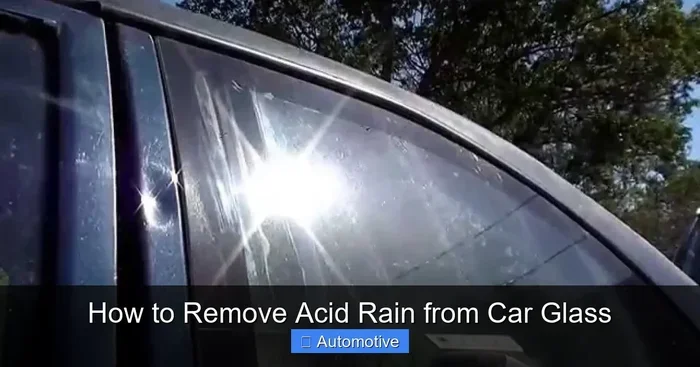
How to Remove Acid Rain From Car Glass Effectively
Acid rain can seriously damage your car glass if left untreated, causing etching, haze, and long-term visibility problems. This guide walks you through every step to safely and effectively remove acid rain stains from your car glass at home. You will learn the best products, tools, and prevention strategies to keep your windshield crystal clear and protected.
You step outside on a gloomy morning and notice something unsettling. Your car glass has a filmy, etched look that was not there yesterday. Maybe you parked under a tree, or perhaps the sky just opened up with that nasty acidic downpour we all dread. Whatever the cause, acid rain on car glass is a real problem, and it gets worse every single day you ignore it.
Here is the thing most car owners do not realize. Acid rain does not just wash away on its own. The acids in the water — mostly sulfuric and nitric compounds — bond to your glass surface and eat into the clear coat. Over time, this creates permanent marks that no simple wipe-down can fix. That is exactly why knowing how to remove acid rain from car glass before the damage sets in is so important.
This guide gives you everything you need. From identifying early damage to using the right cleaning products and prevention strategies, we have you covered. You will learn practical steps you can do at home, plus expert tips that professional detailers use every day. Let us get your glass looking brand new again.
Key Takeaways
- Act Fast: The longer acid rain sits on your glass, the deeper the damage. Quick action prevents permanent etching.
- Use the Right Products: Specialized glass polishing compounds and clay bars work best for removing acid rain residue.
- Prevention Matters: Regular washing, ceramic coatings, and rain repellents greatly reduce future damage.
- Know When to Call a Pro: Severe etching may require professional paint and glass correction services.
- Distilled Water Is Key: Always use distilled water for your final rinse to avoid introducing new mineral deposits.
- Consistency Wins: A regular car care routine is the single best defense against acid rain damage.
📑 Table of Contents
- What Is Acid Rain and Why Does It Harm Your Car?
- How to Identify Acid Rain Damage on Car Glass
- Tools and Products You Need for Acid Rain Removal
- Step-by-Step Guide to Removing Acid Rain From Car Glass
- Preventing Acid Rain Damage in the Future
- When to Seek Professional Help
- Quick Tips for Best Results
- Common Mistakes to Avoid
- Conclusion
What Is Acid Rain and Why Does It Harm Your Car?
Before you fix the problem, it helps to understand what you are dealing with. Acid rain forms when pollution particles like sulfur dioxide and nitrogen oxides mix with moisture in the atmosphere. The result is rainfall with a lower pH level than normal. While pure water has a neutral pH of 7, acid rain can drop to 4.0 or even lower.
When this acidic water lands on your car, it leaves behind mineral deposits and corrosive residues. Your car glass has a special clear coat layer designed to protect the paint underneath. But acid rain breaks down that protective barrier over time. The longer the acidic water sits, the deeper it penetrates. This is what causes the chalky, hazy marks commonly called rain etching on windshields and windows.
Several factors make your car more vulnerable to this type of damage. Cars parked outdoors without cover take the hardest hit. Vehicles in industrial areas or near coastlines face higher exposure. Even cars that sit under trees can suffer because tree sap combines with rain to create an even more corrosive mixture. Understanding these risks helps you take action sooner rather than later.
Common Sources of Acid Rain Damage
Not all acid rain damage comes from the sky. Some causes are closer to home than you might think. Here are the most common sources:
- Industrial emissions: Factories and power plants release sulfur dioxide and nitrogen oxides into the air.
- Vehicle exhaust: Car exhaust contributes to the acid compounds in rainfall, especially in urban areas.
- Tree sap and bird droppings: These organic acids mix with rain and create compound damage on your paint and glass.
- Coastal salt spray: Salt mixed with acidic rain accelerates corrosion on car surfaces.
- Hard water runoff: Water from sprinklers or hoses with high mineral content leaves deposits that act like acid over time.
Knowing where the damage comes from helps you target your prevention efforts. The more aware you are, the better equipped you are to protect your vehicle.
How to Identify Acid Rain Damage on Car Glass
Spotting acid rain damage early makes all the difference. The sooner you catch it, the easier it is to fix. There are a few clear signs to watch for on your car glass and paint surfaces.
Visual Signs of Acid Etching
Start by examining your windshield under good lighting. Look for these telltale signs:
- Cloudy or hazy patches: These appear as milky spots that do not disappear after a normal car wash.
- Tiny pit marks: Run your fingernail gently across the glass. If you feel small dips or rough spots, acid etching has likely begun.
- Water spot rings: Circular marks left behind after water droplets evaporate are a classic sign of mineral buildup from acid rain.
- Dull or faded areas: Sections of your glass that look less shiny than the rest may have surface damage from acidic deposits.
- Discoloration: A slightly yellowish or brownish tint on the glass surface indicates deep-seated contamination.
If you notice any of these signs, do not wait. Acid rain damage only worsens with exposure. The next step is to gather the right tools and start the cleaning process.
Testing the Severity of the Damage
Not all acid rain damage is the same. A light haze needs a different approach than deep pitting. Here is a simple way to test the severity. Spray a small area with distilled water and wipe it with a microfiber cloth. If the marks fade easily, the damage is surface-level and very treatable. If the marks remain after a thorough cleaning, you are likely dealing with moderate to heavy etching that needs stronger treatment.
For severe cases where the glass feels rough or deeply pitted, professional automotive detailing services may be necessary. Trying to buff out deep etching at home can sometimes make things worse if you are not careful. Know your limits and when to call in the experts.
Tools and Products You Need for Acid Rain Removal
Having the right tools makes the job faster, safer, and more effective. You do not need anything exotic or expensive, but you do need the right products for car glass cleaning and paint protection.
Essential Cleaning Supplies
Here is what you should have on hand before you start:
- Glass polishing compound: A quality compound designed for automotive glass removes light to moderate etching safely.
- Clay bar kit: A detailing clay bar lifts embedded contaminants from the glass surface without scratching.
- Microfiber towels: Use multiple clean microfiber cloths — one for applying product and another for buffing.
- Distilled water: Tap water contains minerals that can worsen acid rain deposits. Always use distilled water for rinsing and final wipes.
- Automotive glass cleaner: A dedicated glass cleaner helps remove residue before you start the polishing process.
- Paint correction pad: For treating the surrounding paint, a soft foam pad works well with polishing compounds.
- Protective gloves: Keep your hands safe from harsh chemicals during the cleaning process.
Recommended Products for Acid Rain Stain Removal
Not all products are created equal. Look for brands that specialize in automotive detailing and are designed specifically for glass surfaces. A good glass polishing compound should be non-abrasive enough for regular use but strong enough to remove acid deposits. Clay bars rated for automotive use work best because they are formulated to lift contaminants without damaging the glass or clear coat.
For prevention after cleaning, consider investing in a ceramic coating or a high-quality hydrophobic coating. These products create a barrier that repels water and reduces the chance of acid rain bonding to your glass in the first place. They are well worth the investment if you live in an area prone to frequent acid rain or hard water deposits.
Step-by-Step Guide to Removing Acid Rain From Car Glass
Now for the part you have been waiting for. Follow these steps carefully to get the best results from your acid rain stains removal efforts. Each step builds on the one before it, so do not skip ahead.
Step 1: Wash the Car Thoroughly
Start with a clean surface. Give your entire car a thorough wash using a gentle automotive soap and distilled water. Pay special attention to the glass areas affected by acid rain. This removes loose dirt, debris, and surface contaminants that could cause scratches during the polishing process. Use a separate bucket for your wash mitt to avoid reintroducing dirt onto the glass.
Step 2: Dry the Glass Completely
Use a clean, dry microfiber towel to pat the glass completely dry. Do not let the glass air-dry because remaining water droplets can leave new mineral deposits as they evaporate. Make sure every surface is completely dry before moving to the next step. Work in a shaded area to prevent the cleaning products from drying too quickly on the glass.
Step 3: Apply a Clay Bar Treatment
Spray a clay lubricant onto a small section of the glass. Gently glide the clay bar back and forth across the surface. The clay picks up embedded contaminants, mineral deposits, and bonded acid residues that regular washing misses. You will feel the surface become smoother as you work. Fold the clay bar frequently to expose a clean surface and avoid reintroducing contaminants.
After claying each section, wipe it down with a fresh microfiber towel. Check the towel for any residue or discoloration. This step alone often removes a surprising amount of surface damage from water spots on windshield and light acid rain marks.
Step 4: Apply Glass Polishing Compound
For deeper acid rain etching, a glass polishing compound is your best friend. Apply a small amount to a foam pad or microfiber cloth. Work it into the glass using gentle, circular motions. Cover one section at a time and do not let the compound dry on the glass surface.
Buff off the residue with a clean, dry microfiber towel. You should notice a visible improvement in clarity after each section. For stubborn marks, you may need to apply a second round of polishing. Take your time and do not press too hard. Let the compound do the work for you.
Step 5: Rinse and Inspect
Once you have polished all affected areas, rinse the glass with distilled water. Inspect the surface under different lighting angles to check your progress. If any marks remain, you can repeat the polishing process. For very deep etching that does not respond to home treatment, it may be time to consult a professional paint correction specialist.
Step 6: Apply a Protective Coating
This final step is what separates a quick fix from a long-term solution. Apply a rain repellent or ceramic coating to the cleaned glass. These products create a hydrophobic barrier that causes water to bead up and roll off instead of sitting on the surface and forming acid deposits. Follow the product instructions carefully and allow the coating to cure fully before exposing the car to rain.
Preventing Acid Rain Damage in the Future
Cleaning acid rain damage is one thing. Preventing it from happening again is another challenge entirely. The good news is that a few simple habits can dramatically reduce your risk of future damage to your car glass and paint.
Daily and Weekly Habits
Make it a routine to rinse your car after it rains, especially if the rain was heavy or followed a period of dry, polluted weather. This simple habit washes away acidic residues before they have time to bond with the glass surface. If you park outdoors, consider using a car cover designed for weather protection. A good cover shields your vehicle from direct exposure to rain, bird droppings, tree sap, and other contaminants.
Long-Term Protection Strategies
For lasting protection, invest in a quality ceramic coating for your car. Ceramic coatings bond to the paint and glass at a molecular level, creating a durable shield against acid rain, UV rays, and environmental contaminants. A professional ceramic coating application can last several years with proper maintenance.
Another excellent option is a hydrophobic coating for your glass. These coatings make water bead up and slide right off your windshield. Less water sitting on the glass means less time for acids to cause damage. You can also use a rain repellent spray for a more budget-friendly option that you can reapply every few weeks.
Regular Maintenance Schedule
Consistency is your best friend when it comes to preventing acid rain damage on cars. Here is a simple maintenance schedule to follow:
- Weekly: Rinse your car after any significant rainfall.
- Bi-weekly: Wash the car with a pH-neutral automotive soap.
- Monthly: Apply a quick detailer spray to maintain the protective barrier.
- Every 3 months: Reapply rain repellent to the windshield and windows.
- Every 6 months: Perform a full detailing session including clay treatment and polishing.
- Annually: Reapply ceramic coating or seek a professional detail for deep protection.
Sticking to this schedule keeps your car protected year-round and dramatically reduces the chances of acid rain causing lasting damage to your car glass and paint.
When to Seek Professional Help
Not every case of acid rain damage can be fixed at home. Knowing when to seek professional help saves you time, money, and the frustration of fighting a losing battle with severe etching.
Signs You Need a Professional
Watch for these warning signs that indicate the damage has gone beyond what home treatment can handle:
- Deep pitting: If your fingernail catches on the glass surface, the etching is likely too deep for DIY methods.
- Widespread haze: When large sections of the windshield show persistent cloudiness, professional-grade equipment is needed.
- Vision impairment: If acid damage affects your line of sight while driving, do not delay seeking expert help.
- Paint damage alongside glass: Acid rain that damages both your glass and paint may require a full automotive detailing service.
Professional detailers and paint correction specialists have access to industrial-grade polishing tools and compounds that can address even severe rain etching on windshields. They can also apply professional-level protective coatings that last much longer than consumer products. If you are unsure about the severity of the damage, many detailers offer free inspections and assessments.
Quick Tips for Best Results
Here are some bonus tips that make a real difference in your acid rain removal efforts:
- Always work in the shade: Cleaning products dry too fast in direct sunlight, reducing their effectiveness.
- Use separate towels for glass and paint: Cross-contamination can introduce scratches and reduce the quality of your results.
- Never use household glass cleaners: Products like Windex contain ammonia that can damage automotive glass coatings over time.
- Replace your microfiber towels regularly: Worn towels lose their effectiveness and can leave lint and fine scratches behind.
- Be patient: Rushing through the process leads to missed spots and uneven results. Take your time and enjoy the process.
- Document your progress: Take before-and-after photos so you can track improvements and stay motivated.
Common Mistakes to Avoid
Even well-meaning car owners make mistakes when trying to remove acid rain damage. Here are the most common ones and how to avoid them:
- Using abrasive household cleaners: These are too harsh for automotive glass and can strip protective coatings.
- Skipping the clay bar step: Polishing over embedded contaminants without claying first can cause scratches.
- Using tap water for rinsing: Tap water minerals create new deposits that mimic or worsen acid rain damage.
- Applying too much pressure: Aggressive scrubbing damages the glass surface and clear coat rather than helping it.
- Neglecting prevention after cleaning: Removing acid rain is only half the battle. Without protection, the damage will return.
Avoiding these mistakes keeps your car glass safe and ensures that your cleaning efforts actually produce lasting results.
Conclusion
Dealing with acid rain on car glass does not have to be a permanent problem. With the right knowledge, tools, and habits, you can effectively remove acid rain stains and restore your glass to its original clarity. The key is to act quickly, use the proper products, and follow a consistent maintenance routine.
Remember to always use distilled water, invest in quality polishing compounds and protective coatings, and know when to call a professional for severe damage. Prevention through regular washing, ceramic coatings, and rain repellents is your strongest long-term defense.
Your car is a significant investment. Protecting it from acid rain damage on cars preserves not only its appearance but also its value and safety. Take the steps outlined in this guide, and your car glass will stay clear and beautiful for years to come. Start today — your windshield will thank you.
Frequently Asked Questions
Can acid rain permanently damage car glass?
Yes, if left untreated for extended periods, acid rain can cause permanent etching on car glass. The acidic compounds bond to the surface and gradually wear away the clear coat. This is why quick action is essential. Light to moderate damage can usually be fully removed with proper cleaning and polishing techniques.
How often should I clean my car after acid rain exposure?
You should rinse your car as soon as possible after any acid rain exposure. A thorough wash within 24 hours is ideal. If you live in an area with frequent acid rain, a weekly wash routine using distilled water for the final rinse will help prevent mineral buildup and long-term damage.
Is it safe to use a clay bar on car glass?
Yes, using a clay bar on car glass is safe and highly effective for removing embedded contaminants. Just make sure you use a clay lubricant and a gentle, gliding motion. Avoid pressing too hard, and always use a clay bar specifically designed for automotive use.
What is the difference between a ceramic coating and a rain repellent?
A ceramic coating creates a permanent molecular bond with your car surface and offers long-lasting protection that can last one to five years. A rain repellent is a spray-on product that provides temporary hydrophobic protection and needs to be reapplied every few weeks. Both are excellent tools for preventing acid rain damage.
Can I prevent acid rain damage if I park outside?
Absolutely. Using a quality car cover is the single best way to protect your vehicle when parking outdoors. You can also apply a ceramic coating or hydrophobic treatment to your glass for an added layer of defense. Regular washing and quick rinses after rain further reduce the risk of damage.
What should I do if home treatments do not remove the acid rain stains?
If home treatments do not work, the etching is likely too deep for DIY methods. In that case, seek a professional automotive detailer or paint correction specialist. They have access to industrial-grade tools and compounds that can address severe acid rain damage safely and effectively.