How Many Miles Per Gallon Does a Volvo XC60 Actually Get
The Volvo XC60 delivers a respectable fuel economy range of about 21 to 32 miles per gallon depending on the trim and engine. The base T5 engine earns around 21 city and 29 highway MPG, while the T6 plug-in hybrid can reach up to 76 MPGe combined. Understanding these numbers helps you budget for fuel costs and choose the right Volvo XC60 configuration for your lifestyle.
The Volvo XC60 is one of the most popular luxury compact SUVs on the market today. It blends Scandinavian design with modern technology and solid safety features. But one question buyers always ask is simple: how many miles per gallon does a Volvo XC60 actually get? The answer depends on several factors, including the engine type, driving conditions, and even your personal driving habits. In this guide, we break down the real numbers so you know exactly what to expect.
Fuel economy matters a lot when you are buying a vehicle. It affects your monthly budget, how often you visit the gas station, and even the resale value of your car. The Volvo XC60 MPG figures are published by the EPA, but real-world results can differ. We will walk you through every engine option, compare city and highway ratings, and share tips to help you get the best possible fuel economy from your XC60.
Key Takeaways
- Base T5 Engine: The standard 2.0L turbo four-cylinder delivers an EPA-rated 21 MPG city and 29 MPG highway.
- T6 Plug-In Hybrid: The XC60 T6 Recharge achieves up to 76 MPGe combined and can run on electricity alone for about 30 miles.
- Real-World vs. EPA: Most owners report getting 1 to 3 MPG less than official ratings in daily driving.
- Premium Fuel Recommended: The XC60 performs best with premium gasoline, though regular fuel can be used in emergencies.
- Competitive Fuel Economy: The XC60 MPG holds up well against rivals like the Audi Q7 and BMW X5 in its class.
- Driving Habits Matter: Aggressive driving, roof racks, and heavy cargo all reduce fuel efficiency significantly.
- Annual Fuel Cost: The average Volvo XC60 owner spends around $2,000 to $2,500 per year on gasoline.
📑 Table of Contents
- Volvo XC60 MPG Ratings by Engine Option
- City vs. Highway MPG: What to Expect
- Real-World Fuel Economy vs. EPA Estimates
- Factors That Affect Volvo XC60 Gas Mileage
- Tips to Improve Your Volvo XC60 Fuel Economy
- How the Volvo XC60 Compares to Competitors
- Annual Fuel Cost Estimates for the Volvo XC60
- Should You Worry About Volvo XC60 Fuel Economy?
Volvo XC60 MPG Ratings by Engine Option
The Volvo XC60 comes in several engine configurations. Each one has a different fuel economy profile. Here is a quick look at what each engine offers.
T5 Front-Wheel Drive Engine
The base Volvo XC60 T5 uses a 2.0-liter turbocharged four-cylinder engine. It produces 250 horsepower and pushes the front wheels. This engine is the most fuel-efficient option in the lineup for most drivers. The EPA rates it at 21 MPG in the city and 29 MPG on the highway. Combined, it gets about 24 MPG. This is a solid number for a luxury SUV of this size.
Many buyers choose the T5 because it balances performance and efficiency well. You get enough power for daily driving without guzzling gas. If your commute is mostly highway driving, you will likely see numbers closer to the 29 MPG rating. City drivers should expect something closer to 19 or 20 MPG in stop-and-go traffic.
T6 All-Wheel Drive Engine
The Volvo XC60 T6 steps up the power to 316 horsepower. It uses a turbocharged and supercharged 2.0-liter engine with all-wheel drive. This extra power comes at a cost to fuel economy. The T6 AWD earns an EPA rating of 20 MPG city and 27 MPG highway. Combined, it gets about 23 MPG.
The difference between the T5 and T6 is not huge, but it adds up over time. If you tow a trailer or carry heavy loads often, you will notice the drop in efficiency. The T6 is a great choice if you need the extra power, but do not expect to match the T5 fuel economy numbers.
T6 Plug-In Hybrid (Recharge)
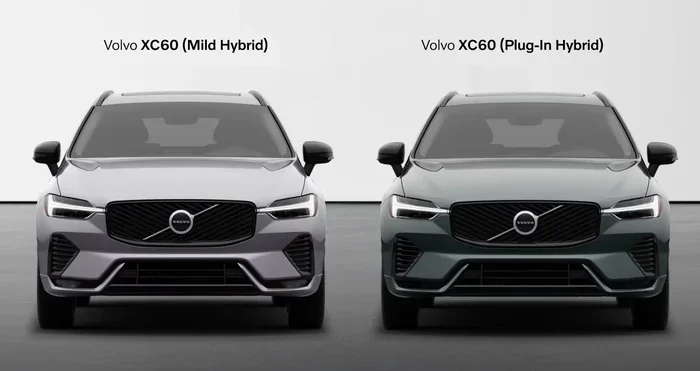
The Volvo XC60 T6 Recharge is the most efficient version available. It combines a turbocharged engine with an electric motor. Together, they produce 400 horsepower. The EPA rates this plug-in hybrid at 76 MPGe combined. It can travel approximately 30 miles on electric power alone before the gas engine kicks in.
This is a huge jump in efficiency compared to the gas-only models. If you charge your XC60 T6 Recharge every night, you could go weeks without using any gasoline at all for short commutes. The Volvo XC60 fuel economy for this model is genuinely impressive for a luxury SUV. Just keep in mind that the MPGe rating works differently than traditional MPG, so the comparison is not perfectly apples-to-apples.
City vs. Highway MPG: What to Expect
Understanding the difference between city and highway MPG is essential. City driving involves lots of stops, starts, and idling. Highway driving is more consistent and usually yields better fuel economy. Here is how the Volvo XC60 performs in each scenario.
City Driving MPG
In city conditions, the XC60 T5 FWD gets about 21 MPG. The T6 AWD drops slightly to around 20 MPG. These numbers assume typical urban driving with traffic lights, moderate speeds, and frequent braking. In real life, heavy traffic can push city MPG down to 17 or 18.
If you live in a busy city like New York or Los Angeles, your fuel economy will likely be on the lower end. Stop-and-go traffic is the enemy of MPG. The electric motor in the T6 Recharge helps a lot here, though, because it can handle low-speed driving on battery power alone.
Highway Driving MPG
Highway driving brings out the best in the Volvo XC60. The T5 FWD hits around 29 MPG at steady interstate speeds. The T6 AWD gets close to 27 MPG on the highway. These numbers assume speeds between 55 and 70 mph with minimal stops.
If you do a lot of long-distance driving, the XC60 is a comfortable and efficient choice. The aerodynamic shape of the SUV helps reduce drag at higher speeds. Using cruise control on the highway is one of the easiest ways to maintain consistent fuel economy.
Real-World Fuel Economy vs. EPA Estimates
The EPA provides official MPG ratings, but real-world results almost always differ. Most Volvo XC60 owners report getting slightly lower numbers than what the EPA lists. Let us look at what to expect in everyday driving.
What Real Owners Are Reporting
Owners of the Volvo XC60 on forums and review sites typically report the following:
- T5 FWD: 18 to 22 MPG combined in daily driving
- T6 AWD: 17 to 21 MPG combined in daily driving
- T6 Recharge: 50 to 65 MPGe when charging regularly, 20 to 23 MPG when running on gas only
These numbers are lower than the EPA ratings, and that is normal. The EPA tests are done under controlled conditions that do not perfectly match real life. Your driving style, the weather, road conditions, and how much cargo you carry all play a role.
Why the Gap Exists
Several factors cause the gap between EPA ratings and real-world MPG. Aggressive acceleration burns more fuel. Driving at speeds above 70 mph increases aerodynamic drag significantly. Using the air conditioning on hot days also reduces efficiency. Even the type of gasoline you use can make a difference. The Volvo XC60 is designed to run best on premium fuel, and using lower-grade gas can reduce performance and economy slightly.
Also, the EPA estimates are based on a mix of city and highway driving. If your routine is 100 percent city or 100 percent highway, your results will lean in that direction. Do not be alarmed if your numbers are a few MPG below the official rating. That is perfectly normal and expected.
Factors That Affect Volvo XC60 Gas Mileage
Many things influence how many miles per gallon your XC60 gets. Some factors are within your control, and others are not. Understanding them helps you manage your expectations and improve your fuel economy.
Driving Style
Your driving habits have the biggest impact on MPG. Hard acceleration, speeding, and aggressive braking all waste fuel. Smooth, steady driving is the best way to maximize your Volvo XC60 fuel economy. Accelerating gently from stoplights and maintaining a consistent speed on the highway can improve your MPG by 10 to 20 percent.
Vehicle Load and Cargo
Carrying heavy items on your roof rack or in the trunk increases drag and weight. Both of these reduce fuel efficiency. If you are not using a roof rack, take it off to save gas. Keeping your cargo light and inside the vehicle helps the XC60 run more efficiently. Even extra passengers add weight that affects MPG slightly.
Tire Pressure and Maintenance
Underinflated tires create more rolling resistance, which means your engine works harder and uses more fuel. Check your tire pressure at least once a month. Keeping tires at the recommended PSI improves both safety and Volvo XC60 MPG. Regular oil changes and clean air filters also help the engine run smoothly and use less gas.
Weather and Climate
Cold weather reduces fuel economy significantly. In winter, the XC60 may get 10 to 15 percent fewer MPG than in summer. The engine takes longer to reach optimal operating temperature, and heating the cabin uses extra energy. Short trips in cold weather are especially inefficient because the engine never fully warms up.
Hot weather can also affect MPG, mainly through increased air conditioning use. Running the AC at full blast puts extra load on the engine. On mild days, using the ventilation system instead of the AC can help save fuel.
Tips to Improve Your Volvo XC60 Fuel Economy
Want to get more miles out of every gallon? Here are practical tips that actually work. These suggestions apply to all XC60 trims, whether you drive the T5 or the T6 Recharge.
1. Use Cruise Control on the Highway
Cruise control keeps your speed steady, which prevents unnecessary fuel spikes. On flat highways, cruise control is one of the best tools for improving MPG. Just be sure to turn it off on hilly or winding roads where maintaining a constant speed is not efficient.
2. Avoid Idling for Long Periods
Idling wastes fuel and gets zero miles per gallon. If you are parked for more than a minute, turn off the engine. Modern Volvo engines restart quickly and use very little fuel compared to the amount wasted while idling.
3. Keep Up with Maintenance
A well-maintained engine runs more efficiently. Follow the Volvo maintenance schedule for oil changes, spark plug replacements, and air filter checks. Dirty spark plugs and clogged filters force the engine to work harder, which burns more fuel. Staying on top of maintenance keeps your Volvo XC60 MPG as high as possible.
4. Plan Your Trips Efficiently
Combining errands into one trip saves fuel compared to making multiple short trips. Cold engines use more gas, so a single longer trip is more efficient than several short ones. Mapping your route to avoid heavy traffic and stoplights also helps.
5. Use the Right Fuel
The XC60 is designed for premium gasoline. Using the recommended fuel ensures the engine runs at peak efficiency. While you can use regular gas in an emergency, it may cause the engine to knock slightly and reduce fuel economy over time. Check your owner manual for the recommended fuel type.
How the Volvo XC60 Compares to Competitors
The luxury compact SUV segment is crowded with strong contenders. How does the Volvo XC60 stack up against similar models in terms of fuel economy?
Volvo XC60 vs. Audi Q7
The Audi Q7 is a larger luxury SUV with three rows of seating. Its base 2.0T engine earns about 22 MPG combined, which is slightly better than the XC60 T5. However, the Q7 is a bigger and heavier vehicle, so the comparison is not perfectly fair. When it comes to tax benefits, some buyers wonder if the Audi Q7 qualifies for Section 179 deductions, which can offset the cost of a business vehicle purchase significantly.
The Volvo XC60 holds its own in fuel economy despite being lighter and more nimble. For buyers who prioritize efficiency over size, the XC60 is the better choice.
Volvo XC60 vs. BMW X5
The BMW X5 is a direct rival in the luxury SUV space. The base X5 with the 2.0T engine gets around 21 MPG combined, which is very close to the XC60 T5. The X5 xDrive40i with the inline-six engine is slightly less efficient at around 20 MPG combined. The XC60 T5 edges ahead in combined fuel economy, though the difference is small.
One thing to note is that BMW owners often ask whether they need to service their vehicles at a BMW dealership. The same question applies to Volvo owners. Understanding service options can affect long-term ownership costs, including maintenance that impacts fuel economy.
Volvo XC60 vs. Volvo XC90
The XC90 is Volvo’s full-size SUV. It is heavier and less efficient than the XC60. The XC90 T6 gets about 20 MPG combined, while the XC60 T5 gets around 24 MPG combined. If fuel economy is a top priority, the XC60 is the clear winner within the Volvo lineup. The XC90 offers more space and seating capacity, which makes it better for larger families despite the lower MPG.
Some buyers also wonder about the broader Volvo brand and whether models like the Volvo S60 require premium gas. The answer is yes, and this applies to the XC60 as well. Premium fuel costs more at the pump, which increases the annual fuel expense compared to vehicles that run on regular gasoline.
Annual Fuel Cost Estimates for the Volvo XC60
Let us put the numbers into dollars. The U.S. Department of Energy estimates annual fuel costs based on MPG ratings and average gas prices. For a Volvo XC60 T5 FWD driving 15,000 miles per year at $3.50 per gallon of premium gas, the annual fuel cost is approximately $2,200. The T6 AWD comes in at around $2,400 per year.
The T6 Recharge plug-in hybrid can dramatically reduce this number if you charge at home. Owners who drive 30 miles or less per day on electric power may spend less than $500 per year on fuel. Even when running on gas only, the hybrid still delivers competitive fuel economy.
Keep in mind that these are estimates. Your actual costs depend on your driving habits, local gas prices, and how much highway versus city driving you do. Living in a city with high gas prices like California will increase your annual fuel costs significantly compared to states with lower prices.
Should You Worry About Volvo XC60 Fuel Economy?
The short answer is no. The Volvo XC60 delivers competitive fuel economy for its class. It is not the most efficient luxury SUV on the market, but it is far from the worst. The T5 FWD model offers a good balance of performance and efficiency that suits most buyers. The T6 Recharge is the standout for those who want to minimize fuel costs and environmental impact.
If you are comparing the XC60 to non-luxury SUVs, you will notice a slight gap in fuel economy. That is expected with any luxury vehicle. The trade-off is the premium materials, advanced safety technology, and superior ride quality that Volvo provides. For most buyers, the fuel economy is a reasonable compromise for the overall ownership experience.
One more thing to consider is that the Volvo brand has a strong reputation for safety and durability. Some people wonder whether Volvo semi trucks share the same engineering philosophy, and they do. Volvo applies its commitment to quality and efficiency across all its vehicle lines, from passenger cars to commercial trucks. This brand-wide focus on engineering excellence contributes to the refined driving experience you get in the XC60.
Also, if you are considering a Volvo for its fuel efficiency, it is worth noting that the Volvo S60 sedan offers similar engine options and comparable fuel economy. Checking whether the Volvo S60 requires premium gas confirms that both the S60 and XC60 share the same fuel recommendations. This consistency across the Volvo lineup makes it easier to plan your fuel budget regardless of which model you choose.
In summary, the Volvo XC60 is a well-rounded luxury SUV with respectable fuel economy numbers. Whether you choose the efficient T5, the powerful T6, or the plug-in hybrid T6 Recharge, you are getting a vehicle that balances performance with reasonable gas mileage. Understanding the factors that affect MPG and following the tips in this guide will help you get the most out of your Volvo XC60 for years to come.
Frequently Asked Questions
What is the best Volvo XC60 engine for fuel economy?
The T5 Front-Wheel Drive engine is the most fuel-efficient gas-only option, earning 21 MPG city and 29 MPG highway. If you want even better economy, the T6 Recharge plug-in hybrid can deliver up to 76 MPGe combined and run on electric power alone for short trips.
Does the Volvo XC60 require premium gas?
Yes, Volvo recommends premium gasoline for the XC60. Using premium fuel ensures the engine runs at peak efficiency and helps maintain the advertised MPG ratings. Using regular gas in an emergency is fine, but it may slightly reduce performance and fuel economy over time.
How far can a Volvo XC60 go on a full tank?
The XC60 has a fuel tank capacity of about 18.8 gallons. With the T5 engine averaging around 24 MPG combined, you can expect a range of approximately 450 miles on a full tank. Real-world range varies based on driving conditions and habits.
Why is my Volvo XC60 getting lower MPG than expected?
Several factors can reduce MPG, including aggressive driving, underinflated tires, heavy cargo, and extreme temperatures. Short trips in cold weather are especially inefficient. Regular maintenance and gentle driving habits can help bring your fuel economy closer to the EPA estimates.
Is the Volvo XC60 more fuel-efficient than the BMW X5?
Yes, the Volvo XC60 T5 is slightly more fuel-efficient than the BMW X5 xDrive40i. The XC60 T5 gets about 24 MPG combined, while the X5 gets around 21 MPG combined. Both are luxury SUVs, but the XC60 is lighter and more aerodynamic, which contributes to its better fuel economy.
Can I improve my Volvo XC60 MPG with aftermarket parts?
Some aftermarket parts like aerodynamic spoilers, low-rolling-resistance tires, and performance chips claim to improve fuel economy. However, the results vary widely. The most reliable ways to improve MPG are maintaining your vehicle properly, driving smoothly, and keeping your tires inflated to the recommended pressure.
=== CONCLUSION ===
The Volvo XC60 offers competitive fuel economy for a luxury compact SUV. With MPG ratings ranging from about 21 to 29 depending on the engine and driving conditions, it is a practical choice for buyers who want a premium vehicle without sacrificing efficiency. The T5 FWD model delivers the best fuel economy in the gas-only lineup, while the T6 Recharge plug-in hybrid takes efficiency to another level entirely.
Real-world MPG will always be slightly lower than EPA estimates, and that is normal. Your driving habits, the weather, cargo load, and maintenance all play a role in your actual fuel economy. By following the tips in this guide, you can maximize your Volvo XC60 MPG and save money at the pump.
Whether you are shopping for a new XC60 or already own one, understanding your fuel economy helps you make smarter decisions. Choose the right engine for your needs, keep up with maintenance, and drive smoothly. The Volvo XC60 is a fantastic vehicle that offers a great balance of luxury, safety, and efficiency. Enjoy the drive and the savings.