How Do You Adjust to a Time Change Simple Tips That Work
Adjusting to a time change can be tough, especially when it affects your driving safety and road trips. Learning how do you adjust to a time change starts with understanding your body clock and sleep habits. These simple tips help you stay alert, rested, and ready for the road after any clock shift. Whether it is daylight saving time or a time zone difference, the right strategy makes all the difference.
Every year, millions of drivers face the same challenge. The clocks shift, sleep gets disrupted, and the morning commute feels harder than ever. How do you adjust to a time change without wrecking your routine or your safety on the road? The good news is that with a few smart moves, you can bounce back fast. This guide covers simple, proven tips that help you stay sharp, rested, and confident behind the wheel after any clock shift.
Whether you are prepping for a spring road trip or navigating a winter time zone difference, these strategies work. They focus on sleep, light, timing, and driving habits. You do not need fancy gadgets or expensive solutions. Just practical steps that fit into your daily life. Let us dive in and help you master the art of adjusting to time changes.
Key Takeaways
- Shift your sleep schedule gradually: Move bedtime 15 to 30 minutes earlier each night before a clock change to ease the transition.
- Light is your best tool: Exposure to natural light helps reset your body clock and improves alertness while driving.
- Watch for drowsy driving signs: Yawning, heavy eyelids, and missed exits are red flags that mean you need to pull over.
- Plan rest stops ahead of long drives: Taking a break every two hours keeps fatigue under control after a time shift.
- Avoid caffeine and heavy meals late: Both can disrupt your sleep schedule and make time zone adjustment harder.
- Stay hydrated and snack smart: Water and light snacks help maintain energy during road trips across time zones.
📑 Table of Contents
- Why Time Changes Affect Your Driving
- How Your Body Clock Responds to Time Shifts
- Simple Tips to Adjust Before a Time Change
- Staying Safe on the Road After a Clock Change
- Quick Fixes for Road Trips Across Time Zones
- When to Pull Over and Take a Break
- Building Long-Term Habits for Time Change Resilience
- Conclusion
Why Time Changes Affect Your Driving
The Science Behind Clock Shifts
Your body runs on an internal clock. Scientists call it the circadian rhythm. This natural cycle tells you when to feel awake and when to feel sleepy. When the clocks jump forward or fall back, this rhythm gets thrown off. Even a one-hour shift can cause sleep deprivation and travel fatigue.
During daylight saving time, many people lose an hour of sleep. That might not sound like much. But studies show that even small sleep losses slow reaction time and reduce focus. On the road, those effects are dangerous. Drowsy driving causes thousands of accidents every year. The period right after a clock change is especially risky.
When you travel across time zones, the problem gets bigger. A time difference of three or more hours can feel like full-blown jet lag. Your body wants to sleep at the wrong time. Your mind feels foggy. For drivers, this means slower thinking and poor decision-making. Understanding this helps you take the right steps before you hit the road.
How Sleep Loss Impacts Road Safety
Lack of sleep affects your brain in ways you can feel. Your reaction time slows down. Your ability to judge distances weakens. You may even experience microsleeps, where your eyes close for a few seconds without you knowing it.
For drivers, these effects are serious. Here is what happens when you are sleep-deprived behind the wheel:
- Slower reaction to brake lights and sudden stops
- Poor lane control and drifting
- Reduced awareness of road signs and signals
- Mood changes that lead to risky driving behavior
- Increased risk of accidents, especially on long highway drives
The fatigue management strategies you use before and during a drive can prevent these problems. The key is to plan ahead and not wait until you feel exhausted.
How Your Body Clock Responds to Time Shifts
Understanding Your Circadian Rhythm
Your body clock follows a roughly 24-hour cycle. It is controlled by light and darkness. When the sun comes up, your brain signals that it is time to wake. When it gets dark, your body starts producing melatonin, the hormone that makes you feel sleepy.
A clock change tricks your brain. The light outside says one thing, but your schedule says another. Your body gets confused. It takes most people about one day per hour of time shift to fully adjust. So if you cross three time zones, expect about three days of time zone adjustment before you feel normal again.
This is why road trip fatigue hits so hard after crossing time zones. Your body wants to sleep at 2 PM local time, even though the sun is shining. Recognizing this pattern is the first step to managing it effectively.
Why Some People Struggle More Than Others
Not everyone responds to time shifts the same way. Some factors that influence how hard it is to adjust include:
- Age: Older adults often have a harder time resetting their sleep schedule
- Existing sleep habits: People who already sleep poorly feel the impact more
- Chronotype: Night owls struggle more with springing forward, while early birds struggle more with falling back
- Work schedules: Those who do shift work may already have a disrupted body clock
- Health conditions: Sleep disorders like insomnia make adjustment harder
Knowing your own tendencies helps you prepare better. If you know you are a night owl, plan extra time to adjust before a long drive. If you are older or have sleep issues, be extra cautious on the road after a time change.
Simple Tips to Adjust Before a Time Change
Start Shifting Your Sleep Schedule Early
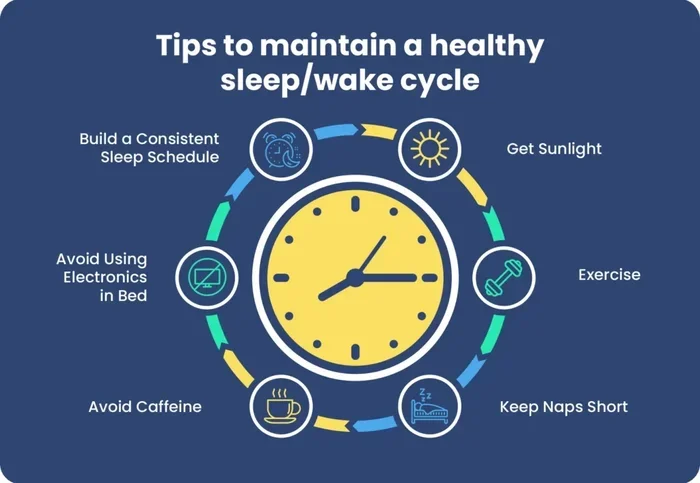
The best way to handle a clock change is to prepare in advance. Do not wait until the day of the shift. Start moving your bedtime gradually, about 15 to 30 minutes earlier each night for a few days before the change. This gentle shift helps your sleep schedule adapt without a big shock.
For example, if daylight saving time moves your clock forward one hour, start going to bed 15 minutes earlier four nights before. By the time the clocks change, your body will already be close to the new schedule. This simple trick works wonders for travel wellness and keeps you alert on the road.
Set a consistent wake-up time too. Waking up at the same time every day, even on weekends, strengthens your body clock. It makes how do you adjust to a time change much easier when the shift actually happens.
Use Light to Your Advantage
Light is the most powerful tool for resetting your body clock. When you wake up, open the curtains and let natural light in. In the evening, dim the lights and avoid bright screens at least an hour before bed.
If you are driving early in the morning after a time change, pull down the visor if the sun is in your eyes. Glare adds to fatigue. On the flip side, if you feel drowsy during a daytime drive, seek out bright light. Even a short walk outside in the sunlight can boost your alertness and help with fatigue management.
For night driving after a clock shift, make sure your cabin lighting is not too bright or too dim. A balanced light environment keeps your eyes fresh and reduces strain.
Watch What You Eat and Drink
What you consume in the days before and after a time change matters a lot. Heavy meals close to bedtime can disrupt your sleep. Caffeine after midday can make it harder to fall asleep at night.
Here are some quick food and drink tips:
- Avoid caffeine after 2 PM in the days leading up to a clock change
- Eat light dinners at least three hours before bedtime
- Stay hydrated with water throughout the day
- Skip alcohol before bed, as it disrupts sleep quality
- Choose sleep-friendly snacks like bananas, nuts, or warm milk in the evening
These small changes in your sleep hygiene routine can dramatically improve how well you adjust. Good nutrition supports your body’s natural rhythms and helps you feel more energized for driving.
Staying Safe on the Road After a Clock Change
Recognizing the Signs of Drowsy Driving
Knowing when you are too tired to drive is just as important as preventing the tiredness in the first place. Drowsy driving is often called the silent killer because many drivers do not realize how impaired they are.
Watch for these warning signs while you are behind the wheel:
- Frequent yawning or blinking
- Difficulty remembering the last few miles driven
- Drifting out of your lane or hitting rumble strips
- Missing your intended exit or turn
- Heavy or drooping eyelids
- Feeling restless or irritable
If you notice any of these signs, do not push through. Pull over in a safe location and take a break. No destination is worth risking your life or the lives of others on the road. Driving safety always comes first.
Best Practices for Long Drives After Time Shifts
Planning is everything when you need to drive long distances after a clock change. Here are some proven practices that help:
- Check your alertness before starting the drive. If you feel groggy, delay your departure by an hour or take a short nap first.
- Share driving duties with a passenger if possible. Having someone else take the wheel gives you a chance to rest.
- Keep the cabin cool. A slightly cooler temperature helps you stay awake and focused.
- Listen to upbeat music or engaging podcasts. This keeps your mind active and fights monotony on long stretches of road.
- Avoid driving during your usual sleep hours. Your body is naturally programmed to feel drowsy at night, so plan your route to avoid those hours if you can.
These strategies are especially important for road trip fatigue prevention. A long drive across multiple time zones demands extra preparation and self-awareness.
The Role of Rest Stops and Break Strategies
Taking regular breaks is one of the most effective ways to stay safe after a time change. Plan to stop every two hours or every 100 miles, whichever comes first. Use these breaks to stretch your legs, get some fresh air, and reset your focus.
Rest stops are not just for restroom breaks. They are an essential part of fatigue management on the road. A 15 to 20 minute nap at a rest area can do wonders for your alertness. Just make sure you set an alarm so you do not sleep too long and feel groggier when you wake up.
If you are on a multi-day road trip, plan your overnight stops carefully. Choose accommodations where you can get a full night of quality sleep. A good sleep schedule at your destination helps you recover faster and enjoy the next day of driving.
Quick Fixes for Road Trips Across Time Zones
Planning Your Route Around Time Differences
When you are planning a road trip that crosses time zones, build the time difference into your itinerary. If you are driving east and losing three hours, schedule your departure so you arrive at your destination during local daylight hours. Arriving at night after a big time difference can make it harder to settle into a new sleep schedule.
Use a time zone adjustment plan. The night before you arrive, try to stay awake until a reasonable local bedtime. Resist the urge to crash as soon as you get to the hotel. A short buffer of wakefulness helps your body start adjusting immediately.
Also, factor in extra travel time. Driving while fatigued slows you down more than you might think. Giving yourself a cushion reduces stress and keeps you safer on unfamiliar roads.
Managing Fatigue During Multi-Hour Drives
Long hours behind the wheel after a time shift are a recipe for trouble if you are not careful. Here are some quick fixes that help during the drive itself:
- Chew gum or suck on a mint. The act of chewing keeps you alert and freshens your mind
- Crack a window for fresh air. Cool air on your face is a simple but effective wake-up trick
- Do a quick stretch at every stop. Moving your body gets blood flowing and fights drowsiness
- Use cold water on your wrists and face. This triggers a mild alertness response
- Keep your mind engaged. Talk to a passenger, call a friend, or listen to an audiobook
These travel fatigue hacks are simple but surprisingly effective. They buy you time and keep you safer until you can reach your next proper rest stop.
When to Pull Over and Take a Break
Warning Signs You Should Stop Driving
Sometimes the smartest thing you can do is stop driving for the day. Knowing when to quit is a sign of strength, not weakness. If you experience any of the following, find a safe place to pull over:
- You cannot remember the last 10 or 15 minutes of driving
- Your vision starts to blur or narrow
- You keep drifting to the other side of your lane
- You feel a strong urge to close your eyes
- You miss traffic signs or signals repeatedly
These are serious warning signs. Drowsy driving is as dangerous as drunk driving in many cases. Do not try to tough it out. Your safety and the safety of everyone else on the road depend on making the right call.
What to Do When Fatigue Hits
If you find yourself struggling to stay awake while driving, here is what you should do right away:
- Pull over safely. Find a well-lit rest area, gas station, or parking lot.
- Get out of the car. Walk around for a few minutes. Stretch your arms, legs, and back.
- Drink a glass of water. Dehydration makes fatigue worse.
- Take a short nap. Even 15 to 20 minutes can restore alertness significantly.
- Have a small caffeinated drink. Coffee or tea can help, but give it 20 minutes to kick in before you start driving again.
After your break, assess how you feel honestly. If you are still drowsy, do not get back behind the wheel yet. Consider staying at a nearby hotel or finding a safe place to sleep for the night. How do you adjust to a time change on the road? By being honest with yourself about your limits and prioritizing rest over speed.
Building Long-Term Habits for Time Change Resilience
The tips above work great for immediate adjustments. But building long-term habits makes you more resilient over time. People who consistently follow good sleep hygiene recover from clock changes faster and handle time zone shifts with less trouble.
Start by keeping a regular sleep schedule, even on days off. Exercise regularly, but not too close to bedtime. Create a dark, cool, and quiet bedroom environment. These habits strengthen your body clock and make it more flexible when time shifts happen.
For drivers who travel frequently, consider keeping a travel wellness kit in your car. Include water bottles, healthy snacks, sunglasses for glare, and a small travel pillow for rest stops. These small preparations add up to a much safer and more comfortable driving experience.
Remember, adjusting to a time change is not about being perfect. It is about being prepared. The more you practice these strategies, the easier they become. Over time, you will notice that clock changes and time zone differences bother you less and less.
Conclusion
Learning how do you adjust to a time change is a skill that pays off every time the clocks shift or you cross time zones. From preparing your sleep schedule in advance to recognizing the signs of drowsy driving on the road, each step matters. Your body clock responds to light, timing, and habits. Work with it, not against it.
Stay proactive about driving safety. Plan rest stops, stay hydrated, and never push through serious fatigue. A few smart choices before and during your drive can prevent accidents and make your journey much more enjoyable. Whether you are facing daylight saving time or a multi-hour road trip across several time zones, these tips give you the tools you need to succeed.
The road is safer when you are alert and well-rested. Take the time to adjust properly, and you will arrive at your destination feeling strong and ready. Start using these tips today, and make every clock change a little easier to handle.
Frequently Asked Questions
How long does it take to adjust to a time change?
Most people need about one day per hour of time shift to fully adjust. So if you cross two time zones, expect roughly two days of time zone adjustment before you feel back to normal. Sticking to a consistent sleep schedule helps speed up the process.
What is the best way to avoid drowsy driving after a clock change?
The best approach is to prepare ahead of time. Shift your bedtime gradually before the change, get plenty of natural light during the day, and plan regular rest stops on your drive. If you feel sleepy, pull over and take a short nap. Driving safety depends on being honest about your fatigue level.
Does caffeine help with adjusting to a new time zone?
Caffeine can give you a short-term boost in alertness, but it is not a substitute for sleep. Too much caffeine, especially late in the day, can disrupt your sleep hygiene and make adjustment harder. Use it sparingly and avoid it after mid-afternoon.
Can light therapy help with time change adjustment?
Yes, light therapy is one of the most effective tools for resetting your body clock. Exposure to bright natural light in the morning helps you feel alert, while dimming lights in the evening signals your brain to produce melatonin and prepare for sleep. This is especially helpful for time difference recovery.
Why do some people feel worse than others after a time change?
Factors like age, chronotype, existing sleep quality, and shift work history all play a role. Night owls tend to struggle more with springing forward, while early birds have a harder time falling back. Understanding your own tendencies helps you plan better fatigue management strategies.
Are there any supplements that help with adjusting to a time change?
Some people find that melatonin supplements help reset their sleep-wake cycle after a clock change. However, it is best to consult a doctor before taking any supplement. Natural approaches like light exposure, consistent sleep timing, and proper hydration are usually the safest and most effective first steps for travel wellness.