How Do I Upgrade My Vehicle Easy Tips to Get Started
Wondering how do I upgrade my vehicle? This guide covers everything from performance boosts to aesthetic changes that transform your ride. Whether you’re a first-timer or a seasoned car enthusiast, these easy tips will help you get started with confidence.
Key Takeaways
- Start with your goals: Know whether you want speed, style, or comfort before picking upgrades.
- Set a realistic budget: Planning your spending prevents overspending and keeps your project on track.
- Performance upgrades first: Engine, exhaust, and suspension changes deliver the biggest driving impact.
- Exterior changes add personality: Body kits, wheels, and lighting make your vehicle stand out.
- Interior upgrades improve daily driving: Seats, sound systems, and dashboards enhance comfort and usability.
- Research before buying: Compatibility reviews and professional advice save time and money.
- Maintenance matters: Regular upkeep keeps your upgrades running at their best for years.
📑 Table of Contents
- How Do I Upgrade My Vehicle? Easy Tips to Get Started
- Why Upgrading Your Vehicle Is Worth It
- Budgeting for Your Vehicle Upgrade
- Performance Upgrades That Make a Difference
- Exterior and Aesthetic Upgrades
- Interior Upgrades for Comfort and Style
- Step-by-Step Guide to Upgrade Your Vehicle
- Common Mistakes to Avoid When Upgrading Your Vehicle
- Expert Insights on Vehicle Upgrades
- Quick Tips for First-Time Upgraders
- Conclusion
How Do I Upgrade My Vehicle? Easy Tips to Get Started
So you want to make your car better. Maybe it feels slow. Maybe it looks boring. Or maybe you just want something that feels brand new again. Whatever the reason, learning how do I upgrade my vehicle is one of the most exciting journeys a car owner can take.
Upgrading your car doesn’t mean spending a fortune. It doesn’t mean you need a garage full of tools. It means making smart choices that improve how your vehicle looks, feels, and performs on the road.
This guide breaks everything down into simple steps. We’ll cover performance changes, exterior makeovers, interior improvements, and budgeting tips. By the end, you’ll know exactly where to start and what to prioritize. Let’s get into it.
Why Upgrading Your Vehicle Is Worth It
Before jumping into specific upgrades, let’s talk about why this matters. Your vehicle is likely your second biggest purchase after your home. Making it better directly improves your daily life.
Better Performance on the Road
A few well-chosen upgrades can completely change how your car drives. Think about faster acceleration, smoother handling, and better braking. These aren’t just luxury items. They’re safety and comfort improvements that you’ll feel every single day.
For example, a simple exhaust system upgrade can improve engine efficiency. A suspension upgrade makes cornering tighter and rides smoother. These changes add real value.
Higher Resale Value
Here’s something many people overlook. Certain upgrades actually increase your vehicle’s resale price. Popular car accessories like upgraded wheels, performance tires, and quality sound systems attract more buyers later.
But be careful. Not every mod adds value. Stick to upgrades that most people appreciate.
Personal Satisfaction and Pride
There’s a deep satisfaction that comes from driving a car that feels truly yours. Whether it’s a loud performance upgrade or a sleek body kit, these changes connect you to your vehicle in a whole new way.
Budgeting for Your Vehicle Upgrade
Money is the number one factor that decides what you can and can’t do. That’s perfectly fine. You don’t need a big budget to make a difference. You just need a plan.
Set Your Total Budget First
Before looking at any car parts, decide how much you’re willing to spend. Write it down. This number becomes your north star.
Keep in mind that costs add up fast. Here are common hidden expenses:
- Labor costs if you hire a mechanic
- Tools you might need to buy
- Shipping fees for online orders
- Insurance changes after modifications
- Additional maintenance that upgrades may reveal
Prioritize by Impact
Not all upgrades deliver the same bang for your buck. Here’s a quick ranking based on overall impact:
| Upgrade Category | Cost Range | Impact Level |
|---|---|---|
| Engine / Performance | $200 – $5,000+ | High |
| Exhaust System | $300 – $2,000 | High |
| Suspension Upgrade | $400 – $3,000 | High |
| Wheel Upgrade | $500 – $3,000 | Medium-High |
| Interior Upgrade | $200 – $4,000 | Medium |
| Body Kit / Exterior | $500 – $5,000+ | Medium |
As you can see, performance-related upgrades tend to offer the most value. That’s where many experienced drivers start when figuring out how do I upgrade my vehicle on a budget.
Plan for Unexpected Costs
Always set aside 10-15% of your budget for surprises. Sometimes installing one upgrade reveals another issue. For instance, removing an old exhaust might show rust in the pipes. Having a cushion keeps you from going broke mid-project.
Performance Upgrades That Make a Difference
This is where the real fun begins. Performance upgrades change how your vehicle behaves. They affect speed, power, handling, and braking.
Engine Upgrades for More Power
The engine is the heart of your car. If you want serious results, this is where to focus. A few popular options include:
- Cold air intake: Improves airflow to the engine. Cheap and easy to install. Often adds 5-15 horsepower.
- Turbocharger kit: Forces more air into the engine for big power gains. Costs more but delivers serious horsepower and torque increases.
- ECU tuning / car tuning: Reprogramming your engine control unit optimizes fuel and spark timing. Works great combined with other upgrades.
- Spark plug upgrade: A small change that improves combustion efficiency. Very affordable.
Many people start with a cold air intake because it’s beginner-friendly. Then they move to bigger projects as they learn more about auto tuning.
Exhaust System Upgrades
A performance exhaust system does two things. It lets your engine breathe better, and it gives your car a deeper, more aggressive sound. Cat-back exhaust systems are the most popular choice because they’re relatively easy to install and offer solid gains.
Stainless steel exhausts last longer than mild steel. Titanium options are lightweight but expensive. Pick what fits your budget and goals.
Suspension Upgrade for Better Handling
A good suspension upgrade transforms how your car feels on curves and rough roads. Here are common choices:
- Coilovers: Adjustable springs that let you change ride height. Great for both daily driving and track use.
- Lowering springs: Cheaper option that lowers your car’s center of gravity.
- Strut tower bars: Strengthen the chassis during hard cornering. Common in car tuning culture.
- Shock absorber upgrades: Improve comfort and control at the same time.
Most drivers notice a huge difference after upgrading their suspension. It makes the car feel planted and confident.
Brake Upgrade for Safety
Speed means nothing if you can’t stop. A brake upgrade is one of the most important safety improvements you can make. Options include high-performance brake pads, drilled rotors, and stainless steel brake lines. These give you shorter stopping distances and better feel.
If you’re adding power through engine upgrades, always match that with better brakes. It’s a rule every enthusiast follows.
Exterior and Aesthetic Upgrades
Performance gets you there. Style makes a statement. Exterior upgrades let your personality show through your vehicle.
Wheel Upgrades That Stand Out
A wheel upgrade is often the first thing people notice about a modified car. When choosing new wheels, consider these factors:
- Size: Going one or two inches larger than stock looks great. Don’t go too big or fitment issues will pop up.
- Material: Alloy wheels are lightweight and strong. Forged wheels are lighter still but cost more.
- Design: Choose a style that matches your car’s character. Sporty, classic, aggressive — your call.
- Weight: Lighter wheels improve acceleration and handling. This matters more than most people think.
Pair your new wheels with performance tires for the best results. This combo improves grip and overall driving feel.
Body Kits and Exterior Mods
A body kit changes the shape and look of your car’s exterior. It typically includes front lip spoilers, side skirts, rear diffusers, and wing attachments. These pieces aren’t just cosmetic. Many of them improve aerodynamics and downforce.
Popular vehicle modification styles include:
- Street style: Subtle improvements that look clean and refined.
- Track focused: Large wings, splitters, and ducts built for downforce.
- Show car style: Bold, eye-catching designs made for car shows and events.
Pick a direction that feels right for you. There’s no wrong answer in vehicle modification.
Lighting Upgrades
Don’t underestimate the power of lighting. LED or projector headlight upgrades improve visibility dramatically. LED accent lights under the body or in the cabin add a modern, custom feel. These are affordable changes that make a big visual impact.
Interior Upgrades for Comfort and Style
You spend most of your time inside the car. Making the interior better improves every single drive.
Seating and Upholstery
Swapping out stock seats for interior upgrade options like bucket seats or sport saddles does two things. It looks better, and it holds you tighter during aggressive driving. Brands like Recaro, Sparco, and Bride are popular choices among enthusiasts.
For a more budget-friendly approach, seat covers or seat cushion upgrades can freshen up a worn interior quickly.
Sound System Improvements
A great sound system turns commute time into enjoyment time. Start with these components:
- Head unit: The brain of your audio system. Many modern options support Apple CarPlay and Android Auto.
- Speakers: Upgrade to coaxial or component speakers for clearer sound.
- Subwoofer: Adds deep bass that makes music come alive.
- Amplifier: Powers your audio system properly for consistent performance.
Sound upgrades are very personal. What sounds great to one person might not match another’s taste. Take your time choosing the right setup.
Dashboard and Tech Additions
Modern car accessories include tech upgrades like backup cameras, dash cams, and GPS navigation. These add real daily-use value. A dash cam, for example, protects you from false insurance claims and captures important moments.
A simple vehicle maintenance tip: keep your dashboard clean and organized. It sounds small, but it makes the whole cabin feel upgraded.
Step-by-Step Guide to Upgrade Your Vehicle
Now that you know what to upgrade, let’s talk about how to actually do it. Follow this roadmap for a smooth process.
Step 1: Define Your Goals
Ask yourself these questions before buying anything:
- Do I want more speed, better handling, or a new look?
- Will I use this car for daily driving or track days?
- Am I trying to impress others or please myself?
- What’s my total budget and timeline?
Clear goals prevent wasted money and buyer’s regret.
Step 2: Research and Plan
Spend time reading forums, watching videos, and joining online communities. Sites and groups dedicated to car tuning and vehicle modification are gold mines of information. Learn from others who have the car you own.
Make a list of parts you want. Check compatibility with your specific make, model, and year. Nothing is worse than ordering a part that doesn’t fit.
Step 3: Buy Quality Parts from Trusted Sources
Don’t chase the lowest price. Cheap car parts often mean poor fitment, bad performance, and short lifespan. Look for:
- Reputable brands with strong reviews
- Warranty coverage on performance parts
- Parts that meet or exceed OEM specifications
- Stores with good return policies
Step 4: Install Yourself or Hire a Pro
Some upgrades are easy enough for beginners. Cold air intakes, exhaust systems, and seat covers are great DIY projects. Others require professional help. Engine work, turbocharger installation, and electrical system changes should usually go to a qualified shop.
Here’s a quick rule: if a job requires special tools or critical safety systems, pay for professional installation. Your safety is worth more than a few hundred dollars in labor costs.
Step 5: Test and Enjoy
After installation, take your car for a careful test drive. Listen for unusual sounds. Check that everything feels solid. Monitor your gauges and warning lights. If something feels off, pull over and check your work.
Then hit the road and enjoy what you’ve built. That moment when everything comes together is incredibly rewarding.
Step 6: Keep Up with Vehicle Maintenance
Upgrades demand more from your car. Regular vehicle maintenance becomes even more important. Follow these tips:
- Change oil more frequently if you’ve added a turbocharger
- Check brake pads and rotors regularly after a brake upgrade
- Inspect suspension components every few months
- Keep coolant levels and quality in check
- Monitor tire pressure and tread depth on new wheels
Good maintenance habits protect your investment and keep your upgraded vehicle reliable for years.
Common Mistakes to Avoid When Upgrading Your Vehicle
Even experienced enthusiasts make mistakes. Here are pitfalls to watch out for.
Skipping Research on Compatibility
Every car is different. A part that works on one model might not fit yours. Always double-check compatibility before purchasing. Look for vehicle-specific fitment guides and user reviews.
Upgrading Without Maintaining the Basics
Don’t add a turbocharger to a car with worn-out engine mounts. Don’t install performance tires on a vehicle with suspension problems. Fix the fundamentals first, then build on top of them.
Buying Based on Looks Alone
A body kit might look amazing in photos but cause aerodynamic issues in real life. A flashy wheel upgrade might be too heavy for your car’s suspension. Always consider function alongside form.
Ignoring Insurance and Legal Concerns
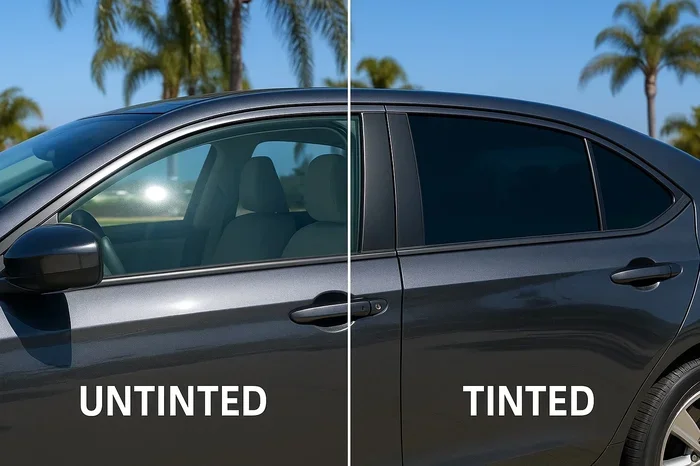
Some modifications can affect your insurance rates or even violate local laws. Loud exhausts, tinted windows, and height changes may require documentation or inspections. Research your area’s regulations before making changes.
Trying to Do Everything at Once
Rome wasn’t built in a day. Your vehicle upgrade journey should be gradual. Install one part, enjoy it, learn from it, then move to the next. This approach saves money and keeps your car reliable throughout the process.
Expert Insights on Vehicle Upgrades
We spoke with experienced mechanics and car enthusiasts to gather some pro tips for your upgrade journey.
Start with suspension and brakes before power. “Many people jump straight to engine upgrades,” says one shop owner. “But if your car can’t handle the extra power or stop effectively, you’re just making things dangerous. Suspension and brakes should come first.”
Document every change you make. Keeping a log of installed parts, dates, and costs helps with future troubleshooting. It also adds value if you ever sell the vehicle.
Join a community early. Online forums and local car clubs are invaluable. Members share advice, warn you about bad parts, and often help with installations. The knowledge you gain from fellow enthusiasts accelerates your learning fast.
Quality over quantity. “Five great upgrades are better than fifteen mediocre ones,” a seasoned car builder advises. “Each part should serve a clear purpose. If it doesn’t improve performance, safety, or daily comfort, reconsider whether you need it.”
Quick Tips for First-Time Upgraders
- Start small. A cold air intake or exhaust change is easy, affordable, and satisfying.
- Read reviews thoroughly. Real-world feedback from other owners beats any product description.
- Watch installation videos first. Even if you hire a pro, understanding the process helps you communicate better.
- Keep your stock parts. You might want to return to them later or sell them for extra cash.
- Take your time. Enjoy the journey. Rushing leads to mistakes and disappointment.
Conclusion
Now you know how do I upgrade my vehicle from the ground up. We’ve covered setting your budget, choosing performance parts, improving your car’s appearance, upgrading the interior, and following a step-by-step plan. Every great build starts with a single decision and a single part.
The most important thing is to enjoy the process. Your vehicle is more than transportation. It’s an expression of who you are. Whether you go for a subtle performance upgrade or a full vehicle modification overhaul, make it yours.
Start today. Pick one upgrade. Research it. Buy it. Install it. Feel the difference. Then do it again. Before you know it, you’ll have a car that truly reflects your passion and effort. Happy upgrading!
Frequently Asked Questions
How much does it cost to upgrade a vehicle?
It depends on what you want. A basic upgrade like a cold air intake or exhaust system might cost $200-$800. Larger projects like suspension or engine upgrades can range from $1,000 to $5,000+. Setting a clear budget before you start helps a lot.
Can I upgrade my vehicle myself?
Yes, many upgrades are DIY-friendly. Exhaust systems, cold air intakes, lighting, and seat covers are great first projects. More complex work like turbocharger kits or ECU tuning is best handled by professionals for safety and proper installation.
Will vehicle upgrades void my warranty?
It depends on your manufacturer and dealer. Some modifications can void specific warranty coverage related to the changed part. Always check your warranty terms before installing anything. Keeping receipts and documentation helps if disputes arise later.
What is the easiest performance upgrade for beginners?A cold air intake is widely considered the easiest. It’s affordable, installs in under an hour with basic tools, and provides noticeable improvements in throttle response and sound. It’s a perfect first project for learning how car systems work.
Do exterior upgrades affect fuel efficiency?
Some can. A body kit or larger wheels may slightly increase drag or rolling resistance, which can reduce fuel economy. However, the effect is usually small. Choosing lightweight, aerodynamic designs helps minimize any negative impact on mileage.
How do I know which upgrades my vehicle needs most?
Start by identifying what bothers you most. If your car feels slow, focus on engine and exhaust upgrades. If handling feels off, prioritize a suspension upgrade. For comfort, look at seats and sound systems. Let your daily driving experience guide your choices.