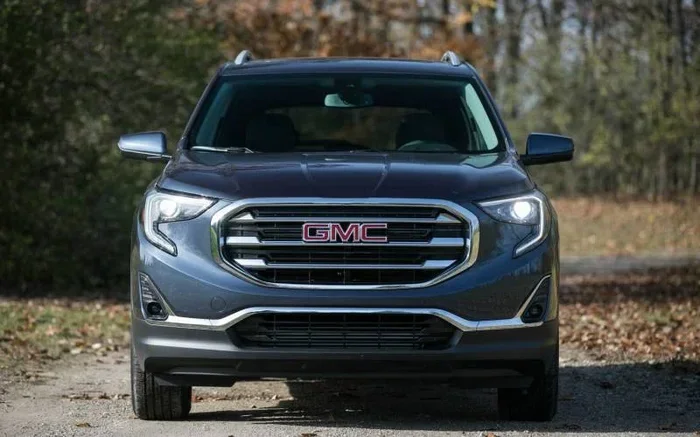
GMC Terrain Years to Avoid That Every Buyer Should Know
Not all GMC Terrain years are created equal. Some model years come with serious reliability headaches, from transmission failures to engine trouble. This guide reveals the GMC Terrain years to avoid and helps you make a smarter, safer purchase decision.
Key Takeaways
- First-gen Terrain (2010-2017): Multiple reported issues with transmission, electrical systems, and engine reliability.
- Second-gen Terrain (2018-2024): Major improvements in quality, safety, and overall performance.
- 2010-2012 models: Carry the highest risk of costly repairs and should be approached with caution.
- 2018 and newer: Generally considered the sweet spot for a reliable used Terrain purchase.
- Common problems: Transmission stalling, coolant leaks, and electrical gremlins top the complaint list.
- Always get a pre-purchase inspection: A mechanic can spot hidden issues before you commit.
- Check recall history: Some Terrain years had safety recalls that may not have been addressed.
📑 Table of Contents
- Why Some GMC Terrain Years Are Problematic
- First Generation (2010-2017): The Ones to Think Twice About
- Second Generation (2018-2024): The Big Leap Forward
- Common GMC Terrain Problems by Year
- What to Look for When Buying a Used GMC Terrain
- GMC Terrain Years That Stand Out as Safe Bets
- Expert Insights on GMC Terrain Ownership
- Key Takeaways
- Conclusion
Why Some GMC Terrain Years Are Problematic
The GMC Terrain has been a popular compact SUV since it launched in 2010. It offers a good mix of style, space, and value. But not every model year is a winner. Some years came with real problems that buyers should know about.
When you are shopping for a used SUV, the model year matters a lot. A bad year can mean endless repairs, safety concerns, and headaches. A good year can mean years of trouble-free driving. That is why knowing the GMC Terrain years to avoid is so important.
In this guide, we break down every generation of the Terrain. We highlight the good, the bad, and the ugly. By the end, you will know exactly which years to skip and which ones are worth your hard-earned money.
The Terrain sits in a crowded SUV segment. It competes with the Honda CR-V, Toyota RAV4, and Ford Escape. Compared to those rivals, the Terrain has its own strengths and weaknesses. Understanding its history helps you make a confident choice.
What Makes a Model Year “Bad”?
Several factors determine whether a model year is problematic. Here are the key things we look at:
- Transmission reliability: Rough shifting, stalling, or complete failure.
- Engine issues: Overheating, oil consumption, or premature wear.
- Electrical problems: Faulty sensors, dimming lights, or infotainment glitches.
- Safety recalls: Unresolved safety defects that affect drivers.
- Consumer complaints: Patterns of repeated issues reported by owners.
- Resale value: Problem years tend to lose value faster.
Keep these factors in mind as we dive into each generation. Every vehicle has its quirks. But some Terrain years had issues that went beyond normal wear and tear.
First Generation (2010-2017): The Ones to Think Twice About
The first-generation GMC Terrain ran from 2010 to 2017. It was built on the GM Theta platform. This generation shared its underpinnings with the Chevrolet Equinox and Saturn Vue.
While the first-gen Terrain had its fans, it also had some serious shortcomings. Let us break this generation into early years and later years for a clearer picture.
2010-2012: The Risky Early Years
The earliest Terrain models, from 2010 to 2012, carry the most risk. These years had a higher rate of reported problems than later versions. Buyers should be especially cautious here.
The 2010 model year had several notable issues. Transmission problems were common. Some owners reported the vehicle slipping out of gear or hesitating during acceleration. These are not minor annoyances. They can be dangerous on the road.
Engine cooling issues also plagued early models. A bad temperature sensor can cause a car to overheat, and several Terrain owners experienced exactly this. Coolant leaks from the water pump and thermostat housing were frequently reported. If left unaddressed, overheating can cause severe engine damage.
Electrical gremlins were another headache. Power windows, door locks, and even the ignition switch had intermittent failures. These small issues can add up to big frustration over time.
The 2011 and 2012 years carried forward many of the same problems. Some owners also reported issues with the fuel pump failing prematurely. Replacement costs can range from $400 to over $1,000 depending on the exact model.
2013-2015: A Mixed Bag
The middle years of the first generation saw some improvements. GM addressed a few of the early complaints through recalls and service bulletins. But new issues emerged as well.
Transmission refinement improved slightly in 2013. However, some owners still experienced harsh shifts and occasional stalling. The 6-speed automatic transmission in these models was not always smooth.
On the positive side, the 2014 and 2015 models received a mild facelift. The exterior got a refreshed look. Interior quality also improved a bit. But the underlying mechanical reliability remained a concern for many buyers.
One recurring issue was the GMC Terrain common problems with the check engine light. Many owners reported the light coming on without a clear cause. Diagnostics often revealed issues with the oxygen sensor or catalytic converter.
2016-2017: The Twilight of the First Gen
The final years of the first generation were not terrible, but they were not great either. Some owners reported fewer issues compared to the early years. However, the aging platform was starting to show its age.
Transmission complaints continued, though at a lower frequency. Electrical issues persisted as well. If you are considering a 2016 or 2017 Terrain, a thorough pre-purchase inspection is essential.
These years also had the lowest GMC Terrain resale value in the first generation. This can work in your favor as a buyer. The price will be low. But you need to factor in potential repair costs.
Second Generation (2018-2024): The Big Leap Forward
The second-generation Terrain, introduced for the 2018 model year, was a completely different vehicle. It moved to the GM Delta platform. The design was more modern. The driving experience was significantly improved.
This generation is widely considered the best Terrain yet. Most GMC Terrain reliability complaints dropped dramatically. Let us look at what makes these years stand out.
2018-2020: A Strong Start
The 2018 Terrain was a major redesign. It came with a new 1.5-liter turbocharged engine as the standard option. A 2.0-liter turbo was available for those who wanted more power.
Owners praised the improved transmission. The 9-speed automatic was much smoother than the older 6-speed. Shifting was more refined. Acceleration felt more confident.
Safety also got a big boost. The Terrain earned strong safety ratings from NHTSA and IIHS. Standard features included forward collision alert and lane keep assist. These GMC Terrain safety ratings made it a compelling choice for families.
Some minor issues appeared in 2018 and 2019. A few owners reported infotainment software glitches. The touch screen occasionally froze or lagged. These were generally resolved with software updates at the dealership.
2021-2024: Refinement and Maturity
The latest Terrain years continued the trend of improvement. The 2021 model received a mild update. The exterior design was sharpened. New technology features were added.
Engine reliability improved as well. The 1.5-liter turbo proved to be quite durable. The 2.0-liter turbo was also solid when properly maintained. Oil change intervals and regular maintenance go a long way here.
One thing to note about the 2021 and newer models is the GMC Terrain trim levels. There are more options than ever. The base SLE is great for budget buyers. The mid-range SLT adds comfort features. The top-tier Denali offers luxury touches.
Can you enhance the safety features further? If your Terrain lacks certain driver assistance options, you might wonder about adding them. Check our guide on whether you can add blind spot monitoring to your car for helpful insights.
Overall, the second-generation Terrain is one of the most reliable compact SUVs on the market. These are the years most buyers should focus on.
Common GMC Terrain Problems by Year
Understanding the most frequent problems helps you evaluate any used Terrain. Let us look at the top issues reported by owners across different years.
Transmission Issues
Transmission problems are the most common complaint across Terrain generations. The first-gen models with the 6-speed automatic were particularly prone to issues.
- Rough or harsh shifting between gears
- Transmission slipping or hesitation
- Complete transmission failure in severe cases
- Delayed engagement when shifting from park to drive
Transmission repairs are expensive. A rebuild can cost anywhere from $2,500 to $5,000. This is why avoiding problematic years is so important.
Engine Overheating and Cooling System Failures
Overheating was a recurring issue, especially in the first generation. The cooling system components were not always durable.
Common cooling system problems include:
- Thermostat housing leaks
- Water pump failures
- Radiator hose cracks
- Coolant sensor malfunctions
Regularly checking your coolant levels can help prevent major damage. If you notice steam coming from the hood or a rising temperature gauge, pull over safely and turn off the engine.
Electrical and Sensor Problems
Electrical issues affected many Terrain model years. These ranged from minor annoyances to potentially serious safety concerns.
- Faulty oxygen sensors triggering check engine lights
- Intermittent power window and door lock failures
- Infotainment system freezes and reboots
- Dashboard warning lights activating without cause
One interesting aspect is the drivetrain. The Terrain offers all-wheel drive in many trims. But can you change from 2 to 4 wheel drive while driving? Understanding your vehicle’s drivetrain capabilities helps you use it safely and effectively.
What to Look for When Buying a Used GMC Terrain
Buying a used SUV requires careful research. Here are the steps you should take before purchasing any Terrain.
Step 1: Check the Model Year
Start by identifying the model year. If it falls in the 2010-2012 range, proceed with extra caution. These early years had the most reported problems.
The sweet spot for a used Terrain is generally 2018 or newer. These years offer the best combination of reliability, features, and value.
Step 2: Get a Vehicle History Report
Always pull a Carfax or AutoCheck report. Look for:
- Accident history
- Service records
- Title status (clean vs. salvage)
- Number of previous owners
- Any outstanding recalls
A clean history report does not guarantee a problem-free vehicle. But it significantly reduces your risk.
Step 3: Schedule a Pre-Purchase Inspection
Have a trusted mechanic inspect the vehicle before you buy. A pre-purchase inspection typically costs between $100 and $200. It is one of the best investments you can make.
The mechanic will check the engine, transmission, brakes, suspension, and electrical systems. They can spot issues that are not visible to the naked eye.
Step 4: Test Drive Thoroughly
Take the Terrain for an extended test drive. Pay attention to:
- How the transmission shifts at different speeds
- Any unusual noises from the engine or suspension
- Steering feel and responsiveness
- Braking performance
- Climate control operation
Drive on both city streets and highways. Listen for any rattles, squeaks, or vibrations. These can be early warning signs of underlying issues.
GMC Terrain Years That Stand Out as Safe Bets
Not all Terrain years are bad. Some are genuinely excellent choices for used car buyers. Here are the years we recommend.
Best Overall: 2018-2020
The 2018 through 2020 Terrain models represent the best balance of modern features and proven reliability. The redesign addressed most of the first-generation’s weaknesses. The 9-speed transmission is smooth. The engines are reliable. And the safety tech is top-notch.
These years also hold their value reasonably well. If you plan to sell or trade in later, you will lose less money compared to older models.
Best Value: 2021-2022
The 2021 and 2022 models offer the latest technology at a used-car price point. They include updated infotainment systems, improved driver assistance features, and refined styling.
If your budget allows, these years are hard to beat. They are practically new with much of the depreciation already absorbed by the first owner.
Budget Option: 2013-2015
If you are on a tight budget, the mid-first-generation models can work. They are cheaper upfront. Just be prepared for potential maintenance costs. Stick with vehicles that have full service records and a clean title.
Always budget for repairs when buying an older vehicle. Setting aside $50 to $100 per month for maintenance can save you from unexpected financial stress.
Expert Insights on GMC Terrain Ownership
We spoke with several automotive experts and long-term Terrain owners to gather their insights. Here is what they had to say.
Regular maintenance is everything. The Terrain responds well to consistent oil changes, fluid flushes, and scheduled services. Owners who stayed on top of maintenance reported far fewer problems.
Buy the 2.0-liter turbo if you can afford it. The 2.0-liter engine in the second generation offers more power and is well-built. It handles highway driving and towing with ease. The 1.5-liter turbo is efficient but can feel strained when fully loaded.
Watch the recall history. Some Terrain years had active recalls. Make sure any recall work was completed before you purchase. You can check open recalls on the NHTSA website.
Consider the ownership cost. Beyond the purchase price, factor in insurance, fuel, and maintenance. The Terrain is generally affordable to own. But problem years can drive costs up quickly.
Key Takeaways
- Avoid the 2010-2012 Terrain: These early models had the most reliability issues, especially with the transmission and cooling system.
- The 2018-2024 Terrain is the sweet spot: The second generation brought major improvements in quality, safety, and performance.
- Always get a pre-purchase inspection: A mechanic can uncover hidden problems that a test drive alone cannot reveal.
- Check for open recalls: Some years had safety recalls that may not have been addressed by previous owners.
- Prioritize maintenance history: Well-maintained Terrains from any year will outperform neglected ones.
- Budget for repairs with older models: Even reliable vehicles need maintenance, and first-gen Terrains are no exception.
Conclusion
The GMC Terrain years to avoid are mostly concentrated in the early first generation, specifically 2010 through 2012. These years had too many reported issues to recommend with confidence. Transmission failures, overheating problems, and electrical gremlins made ownership a frustrating experience for many buyers.
On the other hand, the second-generation Terrain from 2018 onward is a completely different story. These years offer solid reliability, modern features, and strong safety ratings. If you are in the market for a used compact SUV, the Terrain is absolutely worth considering.
Do your homework before you buy. Check the model year, get a vehicle history report, and schedule a professional inspection. These simple steps can save you thousands of dollars and a lot of stress down the road.
The right Terrain year can give you a dependable, comfortable, and safe SUV for years to come. Just avoid the problematic years, and you will be in great shape.
Frequently Asked Questions
What are the worst GMC Terrain years to buy?
The 2010, 2011, and 2012 model years are widely considered the worst. These first-generation models had the highest rates of transmission issues, cooling system failures, and electrical problems. If you see one of these years for sale, proceed with extreme caution and budget for repairs.
Is the 2015 GMC Terrain reliable?
The 2015 Terrain is a mixed bag. It improved over the earliest first-gen years, but it still carries some of the older platform’s weaknesses. Transmission hesitation and check engine light issues were reported by some owners. A pre-purchase inspection is highly recommended before buying a 2015 model.
What is the most reliable GMC Terrain year?
The 2018 through 2020 model years are the most reliable. The second-generation redesign addressed most of the first-gen complaints. The 9-speed transmission is smooth, the engines are durable, and the safety features are excellent. These years consistently earn high marks in owner satisfaction surveys.
Are there any recalls I should check for on the GMC Terrain?
Yes, several Terrain years had active recalls. These ranged from fuel pump failures to software updates for the infotainment system. Always check the NHTSA website for open recalls on any used vehicle you are considering. Make sure all recall work has been completed before purchase.
How much does it cost to maintain a GMC Terrain?
Annual maintenance costs for a Terrain average between $500 and $800, depending on the model year and driving conditions. Newer models tend to cost less to maintain. Older first-gen models can cost more due to more frequent repairs. Staying on top of scheduled services helps keep costs down.
Can I add safety features like blind spot monitoring to an older Terrain?
It depends on the model year and trim level. Some older Terrains may not have come equipped with certain safety features from the factory. For guidance on adding driver assistance features, you can check our detailed article on whether you can add blind spot monitoring to your car.