Do More Expensive Wiper Blades Really Make a Difference
Do more expensive wiper blades make a difference? The short answer is yes, but not always in the way you might think. Premium wiper blades often offer better wiping performance, longer lifespan, and improved rain visibility, but cheap wipers can still get the job done in mild conditions. This guide breaks down what you actually get for your money and helps you decide if upgrading is worth it for your driving needs.
Have you ever stood in the auto parts aisle, staring at two packs of wiper blades, one priced at ten dollars and the other at thirty? It is a common moment for every driver. The question is simple: do more expensive wiper blades really make a difference? You want clear visibility when rain hits your windshield, but you also do not want to waste money on something that might not be worth it.
The truth is that wiper blades are one of the most overlooked parts of your car. Yet they play a huge role in your safety every time you drive in the rain, snow, or even bright sunlight. Cheap wiper blades can work fine for a while, but they degrade faster and often leave streaks that reduce your driving safety. On the other hand, premium options promise better wiping performance and longer life. So which side of the fence should you fall on?
This article dives deep into the world of windshield wipers. We will compare budget and premium options, look at what actually makes a wiper blade expensive, and help you decide if spending more money is the right move for your vehicle. Whether you drive a daily commuter or a weekend cruiser, this guide has something useful for you.
Key Takeaways
- Premium wipers do perform better: They wipe more evenly, leave fewer streaks, and handle tough weather conditions more effectively than budget options.
- Price doesn’t always mean quality: Some mid-range wiper blades offer excellent performance without the premium price tag.
- Material matters more than brand name: Silicone and rubber compound differences impact durability and wiping quality more than the price label.
- Your climate drives the decision: Drivers in harsh winter or rainy climates benefit more from expensive wiper blades than those in mild, dry areas.
- Installation is easy: Most premium and budget wiper blades use the same hook or bayonet mounting systems, so swapping them out is simple.
- Replace wipers every 6-12 months: Even the best expensive wiper blades wear out over time and need regular replacement for optimal performance.
📑 Table of Contents
- What Makes Wiper Blades Different From Each Other
- Do Expensive Wiper Blades Actually Perform Better
- What You Are Paying For When You Buy Premium Blades
- When Expensive Wiper Blades Are Worth the Money
- When Budget Wiper Blades Are Good Enough
- How to Choose the Right Wiper Blades for Your Car
- Common Mistakes Drivers Make With Wiper Blades
- Final Thoughts on Wiper Blade Value
What Makes Wiper Blades Different From Each Other
Not all wiper blades are created equal. At first glance, they all look like a simple rubber strip attached to a metal arm. But dig a little deeper, and you will find big differences in design, materials, and engineering. Understanding these differences is the first step to answering whether expensive wipers are actually worth it.
Conventional vs Beam Wiper Blades
Most cars come with conventional wiper blades. These have an exposed metal frame that presses the rubber against the windshield. They are simple, affordable, and easy to replace. However, they have a weakness. The frame can collect ice and debris, which reduces wiping performance in winter conditions.
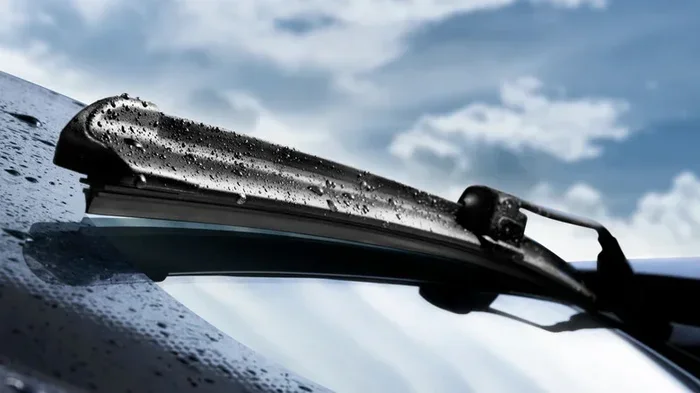
Beam wiper blades work differently. They use a single piece of flexible plastic that conforms to the shape of your windshield. There is no exposed metal frame. This design provides even pressure across the entire blade, which means better contact and cleaner wipes. Beam wipers also tend to look sleeker and fit modern cars better. They are often the type found in premium wiper blades at higher price points.
Rubber vs Silicone Wiper Blades
The material of the wiping edge makes a bigger difference than most people realize. Traditional rubber wiper blades are the most common type. They are affordable and work well when new. But rubber hardens and cracks over time, especially when exposed to sun, heat, and cold. This leads to streaking and squeaking.
Silicone wiper blades are a step up. They last longer, resist heat and cold better, and leave a smoother wipe. Many drivers report that silicone blades perform better after months of use compared to rubber ones. This is one reason why expensive wiper blades often use silicone or advanced rubber compounds. The material cost is higher, but the performance and durability justify the price for many drivers.
Winter vs All-Season Wiper Blades
If you live in a cold climate, you have probably seen winter wiper blades at the store. These blades have a protective cover that shields the rubber from ice and snow. They prevent the blade from freezing to the windshield, which can tear the rubber or damage the wiper motor. Winter wipers are usually more expensive than standard all-season blades, and for good reason. They are built for a specific job that regular wipers cannot handle well.
All-season wiper blades are designed to work in a wide range of conditions. They handle light rain, moderate snow, and dry driving. They are a good compromise for drivers who do not want to swap blades with the seasons. But in heavy snow or ice, they often fall short compared to dedicated winter wipers.
Do Expensive Wiper Blades Actually Perform Better
This is the question most drivers want answered. And the honest answer is: it depends. Let us break down what performance differences actually exist between cheap and premium wipers.
Wiping Performance and Streak-Free Visibility
Premium windshield wiper blades generally wipe more evenly across the glass. They leave fewer streaks and skip less, especially on curved windshields. This comes down to the design and the pressure distribution. Beam wipers, which are more common in premium lines, conform to the windshield shape better than conventional blades with metal frames.
Cheap wipers can also wipe well when they are brand new. But their performance drops faster. After a few months of sun exposure and use, the rubber hardens, and you start seeing streaks. Expensive wiper blades tend to hold their shape and flexibility longer, which means more consistent performance over time.
Noise During Operation
Squeaking and chattering wipers are annoying. They can distract you and make driving less pleasant. Budget wipers are more prone to noise because the rubber does not maintain even contact with the glass. Premium blades, especially silicone ones, tend to glide more quietly. If you have ever driven behind a car with squeaky wipers on a highway, you know how distracting it can be. Investing in better blades can reduce that noise significantly.
Lifespan and Durability
One of the biggest advantages of premium wipers is lifespan. A good set of expensive wiper blades can last 12 months or more, sometimes up to 18 months with proper care. Budget wipers often need replacement every 4 to 6 months. Over a two-year period, the cost difference narrows. You might pay more upfront for premium wipers, but you buy fewer replacements. That is a practical consideration that many drivers overlook.
Performance in Heavy Rain and Harsh Weather
When the rain pours hard or snow starts flying, your wipers work overtime. This is where the difference between cheap and premium blades becomes most noticeable. Premium wipers maintain better contact and remove water more efficiently at high speeds. They handle heavy downpours with less streaking and fewer missed spots. If you frequently drive in bad weather, this performance boost can improve your visibility on road and overall safety.
What You Are Paying For When You Buy Premium Blades
Why do some wiper blades cost twenty or thirty dollars while others cost five? Let us look at what goes into the price of a premium wiper blade.
Advanced Materials
Premium blades use higher-grade rubber compounds or silicone. These materials resist UV damage, heat, and cold better than the rubber used in budget blades. Some brands also use proprietary coatings on the wiping edge that reduce friction and improve glide. These material upgrades cost more to produce, which raises the price.
Better Frame and Adapter Design
Beam wiper blades use a one-piece plastic construction that is more expensive to manufacture than a stamped metal frame. The adapters that connect the blade to the wiper arm are also often better engineered in premium lines. They fit more securely and are less likely to pop off during driving. These small design improvements add up to a higher retail price.
Brand Reputation and Marketing
Let us be honest. Some of the price premium comes from brand recognition. Big-name wiper brands spend money on research, testing, and marketing. They also invest in fitting their blades to specific car models. This ensures a better fit and performance guarantee. Not all of that cost is wasted. But it is worth knowing that a portion of what you pay goes toward the brand name, not just the product itself.
Aftermarket vs OEM Wiper Blades
OEM wiper blades are made by the same company that supplies your car manufacturer. Aftermarket wipers are made by third-party brands. OEM blades often cost more because they carry the car brand’s name. Aftermarket brands like Bosch, Rain-X, and Michelin offer excellent quality at lower prices. In many cases, aftermarket premium blades outperform OEM wipers at a fraction of the cost. This is an important distinction to keep in mind when shopping.
When Expensive Wiper Blades Are Worth the Money
Not every driver needs the most expensive wipers on the shelf. But certain situations make premium blades a smart investment. Here are some scenarios where spending more makes sense.
You Drive Frequently in Rain or Snow
If your daily commute involves heavy rain, sleet, or snow, you need wipers that perform at their best. Driving in rain already reduces your visibility. Bad wipers make it worse. Premium blades clear your windshield faster and more thoroughly, giving you more time to react to hazards. In these conditions, the extra cost is justified by the safety benefit.
You Own a Vehicle with a Complex Windshield
Modern cars often have curved, angled, or split windshields. These designs are harder for conventional wipers to cover evenly. Beam wiper blades handle these shapes much better because they flex to match the curvature. If your car has a non-standard windshield shape, premium wipers will likely perform noticeably better than budget options.
You Want Low Maintenance
If you prefer to spend less time worrying about car maintenance, premium wipers are a good choice. They last longer and require fewer replacements. You also deal with fewer annoying issues like streaking, squeaking, or chattering. For busy drivers who do not want to think about their wipers, the convenience factor alone can justify the higher price.
You Live in an Extreme Climate
Extreme heat, bitter cold, or heavy snowfall all take a toll on wiper blades. In these environments, budget wipers degrade fast. Premium blades with advanced materials hold up much better. If you live somewhere where weather extremes are common, investing in higher-quality wipers saves you money and hassle in the long run.
When Budget Wiper Blades Are Good Enough
Expensive wipers are not always necessary. There are plenty of situations where budget blades work just fine.
You Drive Infrequently
If you only drive a few times a week or keep your car in a garage, budget wipers can last longer. Less exposure to sun, rain, and cold means slower wear. In this case, a cheap set of wipers might serve you well for an extended period.
You Live in a Mild Climate
Drivers in dry, mild climates do not put as much stress on their wipers. If rain is rare and temperatures stay moderate, even budget blades can perform adequately for many months. The performance gap between cheap and premium narrows significantly in these conditions.
You Are on a Tight Budget
Sometimes the best wiper blade is the one you can afford right now. Driving with worn-out wipers is more dangerous than driving with cheap but fresh ones. If budget constraints are real, replacing budget wipers regularly is better than putting off replacement because you want premium blades. Good visibility matters more than the price tag on your wipers.
How to Choose the Right Wiper Blades for Your Car
Choosing the right wipers does not have to be confusing. Follow these simple steps to find the best blades for your needs and budget.
Step 1: Check Your Owner Manual
Your car manual lists the correct wiper blade size and type for your vehicle. This is the best starting point. Using the wrong size can lead to poor wiping and potential damage to your windshield or wiper motor.
Step 2: Consider Your Driving Conditions
Think about where and how you drive most often. Do you face heavy rain daily? Do you deal with snow and ice in winter? Your driving conditions should guide your choice between budget, mid-range, and premium blades.
Step 3: Set a Budget
Decide how much you are willing to spend before you shop. A good rule of thumb is to budget between fifteen and thirty dollars per blade for a solid mid-range option. This gives you decent performance without overspending. If you want premium quality, expect to pay thirty dollars or more per blade.
Step 4: Read Reviews
Online reviews from other drivers are incredibly helpful. Look for feedback on wiping performance, noise levels, and durability. Pay attention to reviews from drivers who have similar vehicles and driving conditions. Real-world experience often tells you more than marketing claims.
Quick Tips for Wiper Blade Care
No matter which type of wiper blade you choose, proper care helps them last longer and perform better. Here are some simple tips:
- Clean your windshield every time you fill up the gas. Dirt and grit wear down the rubber edge faster.
- Lift the wipers away from the windshield during winter. This prevents them from freezing to the glass and tearing the rubber.
- Wipe the blade edge with a damp cloth occasionally. This removes built-up grime and extends the life of the rubber.
- Never use wipers to clear thick ice. Use an ice scraper instead. Forcing the wipers through ice can damage the motor or tear the blade.
- Replace both blades at the same time. Even if one looks worse than the other, matching blades ensure even wiping pressure.
Taking care of your wipers is especially important if you have invested in premium wiper blades. Good maintenance helps you get the most value out of your purchase.
Common Mistakes Drivers Make With Wiper Blades
Many drivers make avoidable mistakes when it comes to wiper blades. Here are the most common ones and how to fix them.
Waiting Too Long to Replace Worn Blades
Most drivers wait until their wipers are clearly failing before replacing them. By that point, the rubber is already hardened and damaged. The best practice is to replace wipers every six to twelve months, regardless of how they look. Fresh blades improve your driving safety in ways you might not notice until you experience them.
Ignoring the Wiper Arms
Sometimes the problem is not the blade but the wiper arm. A weak or bent arm does not apply even pressure to the windshield. This causes streaking even with brand-new blades. If you replace your wipers and still see streaks, check the wiper arms too.
Choosing Blades Based on Price Alone
The most expensive blade is not always the best for your car. And the cheapest blade is not always a waste of money. Focus on fit, material, and reviews rather than just the price tag. A well-chosen mid-range blade often offers the best value.
Skipping Winter Wiper Blades in Cold Climates
Some drivers use all-season blades year-round, even in heavy snow. This is a mistake. Winter blades are specifically designed to handle ice and cold. Skipping them in harsh winters leads to poor performance and faster wear on your wipers. If you live where winters are tough, invest in a set of winter blades.
Final Thoughts on Wiper Blade Value
So do more expensive wiper blades make a difference? The answer is yes, but with some nuance. Premium wipers offer better wiping performance, longer life, and improved visibility on road in tough conditions. They are worth the investment if you drive frequently in bad weather, live in an extreme climate, or want low-maintenance convenience.
However, expensive does not always mean best for every driver. Budget wipers can work well for light use and mild conditions. The key is to match your wiper choice to your actual driving needs. A fresh set of any quality wiper blade is always better than old, worn-out wipers that smear your windshield and reduce your safety.
Take a few minutes to assess your situation. Consider how often you drive, what weather you face, and how much you are willing to spend. Whether you choose expensive wiper blades or a budget-friendly set, the most important thing is to keep them in good condition and replace them regularly. Your windshield is your window to the road. Make sure it stays clear.
If you are also dealing with other car maintenance questions, you might find it helpful to learn about jumping your car in the rain or understand why cars overheat on hot days. Staying on top of your vehicle’s needs keeps you safe and saves money in the long run.