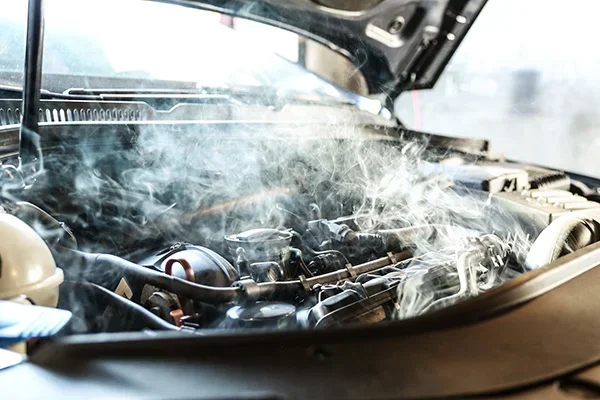
Car Wont Start After Overheating What You Need to Know
When your car won’t start after overheating, it can signal serious engine trouble. Understanding the common causes and knowing what steps to take can save you from costly repairs. This guide covers everything you need to deal with an overheated engine and get back on the road safely.
Key Takeaways
- Overheating can cause major engine damage: When your car overheats, critical components like the head gasket, thermostat, and radiator can fail, leading to starting problems.
- Coolant issues are the most common culprit: Low or contaminated coolant is often the root cause of an overheated engine and subsequent starting failure.
- Don’t ignore overheating symptoms: A rising temperature gauge, steam from the hood, and unusual smells are early warning signs you should never dismiss.
- Immediate action matters: Turning off the engine quickly and allowing it to cool can prevent further damage when your vehicle won’t start after overheating.
- Regular car maintenance prevents overheating: Simple habits like checking coolant levels and inspecting the radiator can keep your car from overheating in the first place.
- Repair costs vary widely: Depending on the cause, fixing overheating-related damage can range from a simple thermostat replacement to a major engine rebuild.
📑 Table of Contents
- Car Wont Start After Overheating What You Need to Know
- Why Does Your Car Overheat in the First Place?
- Common Reasons Your Car Won’t Start After Overheating
- What to Do When Your Car Won’t Start After Overheating
- How to Prevent Your Car from Overheating
- Repair Costs for Overheating-Related Damage
- Expert Tips for Long-Term Engine Health
- Conclusion
Car Wont Start After Overheating What You Need to Know
There’s nothing worse than turning your key and hearing nothing but silence. When your car won’t start after overheating, it can feel alarming and frustrating. Whether you’re on the highway or in your driveway, an overheated engine that refuses to fire up is a problem you can’t ignore.
Overheating is one of the most common reasons drivers face starting problems. It happens to new cars and old ones alike. The good news is that many causes are fixable. The key is understanding what went wrong and how to respond. This guide will walk you through everything you need to know about an overheated engine and why your vehicle won’t start.
Why Does Your Car Overheat in the First Place?
Before we dive into why your car won’t start, let’s talk about what causes car overheating in the first place. Your engine generates a lot of heat while running. The cooling system is designed to keep that heat under control. When something goes wrong with this system, your engine temperature can spike fast.
How the Cooling System Works
Your car’s engine cooling system is actually pretty simple. Coolant flows through the engine block. It absorbs heat and then travels to the radiator. Air passes through the radiator and cools the liquid down. The cooled coolant cycles back into the engine. This loop keeps your engine at a safe coolant temperature.
Several parts make this system work:
- Radiator: This is where heat gets released into the air.
- Thermostat: This valve controls coolant flow based on engine temperature.
- Water pump: It pushes coolant through the system.
- Coolant hoses: These carry liquid between components.
- Cooling fan: It pulls air through the radiator when you’re not moving.
When any of these parts fail, your overheated car can quickly become a bigger problem. That’s when you might find yourself dealing with a vehicle that won’t start.
Common Causes of Engine Overheating
Here are the most frequent reasons your engine might overheat:
- Low coolant levels: This is the number one cause. A leak or poor maintenance can drop your coolant too low.
- Broken thermostat: If the thermostat sticks closed, coolant can’t flow. Your temperature gauge will climb quickly.
- Failed water pump: Without the water pump, coolant doesn’t circulate. Engine overheating follows fast.
- Clogged radiator: Dirt, debris, or rust can block airflow and coolant flow.
- Broken cooling fan: If the fan doesn’t work, your radiator can’t cool the coolant effectively at low speeds.
- Leaking hoses: Cracked or worn hoses can leak coolant without you noticing right away.
Any of these issues can lead to an overheated engine. And once the engine gets too hot, you risk more than just a breakdown. You risk serious engine damage.
Common Reasons Your Car Won’t Start After Overheating
Now let’s get to the heart of the matter. Why does your car won’t start after overheating? There are several possible reasons. Each one relates to damage that extreme heat can cause inside your engine.
Blown Head Gasket
The head gasket is one of the most important seals in your engine. It sits between the engine block and the cylinder head. Its job is to keep coolant and oil separated and maintain proper compression.
When your engine overheats, the head gasket can warp or blow. A blown head gasket is one of the most common reasons a car won’t start after overheating. Here’s what happens:
- Coolant leaks into the cylinders.
- Compression between cylinders is lost.
- Engine power drops dramatically.
- The engine may crank but not fire up.
If you notice white smoke from the exhaust or coolant mixing with oil, suspect a blown head gasket. This is a serious car repair issue that needs immediate attention.
Warped Cylinder Head
Extreme heat can cause the warped cylinder head to lose its shape. The cylinder head must sit flush against the engine block. When it warps, the seal breaks. This creates starting problems and can also cause coolant to enter the combustion chamber.
A warped cylinder head often requires professional help. You may need a machine shop to resurface or replace the part. This type of engine damage can be expensive, but it’s better to fix it than to keep driving with it.
Damaged Piston Rings
Your piston rings seal the gap between the piston and the cylinder wall. When the engine overheats badly, these rings can expand and lose their fit. This leads to:
- Loss of compression.
- Oil burning in the cylinders.
- Reduced engine power.
- Difficulty starting the vehicle.
If your car cranks slowly or sounds weak when you try to start it, damaged piston rings could be the issue. This is a sign of significant engine damage from overheating.
Fuel System Problems
Heat can also affect your fuel system. When an overheated engine warms up nearby fuel lines and the fuel pump, things can go wrong:
- Fuel can vaporize in the lines, creating air pockets.
- The fuel pump may overheat and fail.
- Fuel injectors can get clogged from heat exposure.
This means your engine might crank but get no fuel. It’s a starting problem that’s sometimes overlooked after overheating. Always check your fuel system if the engine won’t fire up after getting hot.
Electrical and Sensor Failures
Modern cars rely on sensors and electronics to manage engine startup. Heat can damage these components. The temperature gauge sensor, crankshaft position sensor, or engine control unit (ECU) can all fail after extreme heat exposure.
When these parts go bad, your car may not get the signals it needs to start. A mechanic can run diagnostics to check for error codes. This is often an underrated cause of vehicle won’t start situations after overheating.
Low or Contaminated Coolant
Sometimes the reason your car won’t start after overheating is simpler than you think. If your coolant is extremely low or contaminated, the engine may not be able to restart safely. Many modern cars have a protection mode that prevents starting after severe overheating. This protects the engine from further harm.
Check your coolant reservoir before trying to start the car again. If it’s empty or looks like oil, don’t force it. Adding the right coolant and letting the system cool down may solve the problem.
What to Do When Your Car Won’t Start After Overheating
Finding yourself with a car that won’t start is stressful. But panicking won’t help. Follow these steps to handle the situation properly and safely.
Step 1: Turn Off the Engine and Let It Cool
If your car overheated and then stalled, turn the ignition off right away. Don’t try to restart it immediately. Let the engine cool for at least 15 to 30 minutes. Opening the hood too soon can release steam and hot coolant that can burn you.
Step 2: Check the Coolant Level
Once the engine is cool, look at the coolant reservoir. Is the level low? Is the coolant discolored? If it’s low, you may have a leak. If it looks milky or oily, coolant might be mixing with oil. Both are signs of serious engine damage.
Step 3: Inspect for Visible Damage
Look under the car for puddles of coolant. Check the hoses for cracks or bulges. Look at the radiator for damage. These visual checks can give you clues about what went wrong with your cooling system.
Step 4: Try Starting the Car Safely
After the engine has cooled and you’ve added coolant if needed, try starting the car. Listen carefully:
- If it starts and runs smoothly, drive to a mechanic for inspection.
- If it cranks but won’t fire, there may be a deeper issue like a blown head gasket.
- If it doesn’t crank at all, check the battery and electrical system.
Step 5: Call for Help if Needed
If your car still won’t start, don’t force it. Call a tow truck or roadside assistance. Trying to start a damaged engine repeatedly can make things worse. A proper diagnosis from a mechanic is always the best path forward for car repair.
Quick Tips for Immediate Situations
- Always keep a bottle of coolant in your trunk.
- Carry a basic toolkit and jumper cables.
- Know your nearest mechanic’s location when traveling.
- Never open the radiator cap when the engine is hot.
- Turn off the air conditioning if you notice overheating symptoms.
How to Prevent Your Car from Overheating
Prevention is always better than repair. You can take simple steps to keep your car from overheating and avoid the headache of a car that won’t start after overheating.
Regular Car Maintenance
Car maintenance is your first line of defense. Follow your manufacturer’s recommended service schedule. Key maintenance tasks include:
- Replacing coolant on schedule (usually every 30,000 to 60,000 miles).
- Inspecting hoses and belts for wear.
- Checking the thermostat function during routine service.
- Flushing the radiator to remove buildup.
These simple habits keep your engine cooling system working well for years.
Watch the Temperature Gauge
Your temperature gauge is your best friend on the road. Keep an eye on it while driving. If it starts climbing toward the hot zone, take action immediately. Turn off the air conditioning and crank the heater to draw heat away from the engine. Then pull over and shut off the engine.
Ignoring the gauge is one of the biggest mistakes drivers make. Overheating symptoms are your warning system. Use it.
Check for Leaks Regularly
Take a few minutes each month to look under your car. Check for coolant puddles. Look at the hoses for soft spots or cracks. Early detection of leaks can save you from an overheated engine and costly car repair.
Keep Your Radiator Clean
Debris, leaves, and bugs can clog your radiator over time. A clogged radiator can’t release heat properly. Rinse it gently with water every few months. This small act of car maintenance goes a long way.
Drive Smart in Hot Weather
Extreme heat puts extra stress on your engine. On hot days, try to:
- Avoid long idling periods.
- Keep your speed moderate on highways.
- Use cruise control to maintain steady engine load.
- Plan breaks on long trips to let the engine cool.
These habits help your overheated car stay cool and avoid starting problems down the road.
Repair Costs for Overheating-Related Damage
One of the biggest concerns when your car won’t start after overheating is cost. Repair bills can vary widely depending on the cause. Here’s a general breakdown:
Cost Comparison by Repair Type
| Repair | Estimated Cost | Severity |
|---|---|---|
| Coolant flush and refill | $100 – $200 | Minor |
| Thermostat replacement | $150 – $300 | Moderate |
| Radiator repair or replacement | $300 – $900 | Moderate |
| Head gasket replacement | $1,000 – $2,500 | Severe |
| Warped cylinder head resurfacing | $500 – $1,500 | Severe |
| Engine rebuild or replacement | $3,000 – $8,000+ | Critical |
As you can see, catching the problem early saves a lot of money. A simple thermostat fix costs a fraction of an engine rebuild. If you notice overheating symptoms and act fast, your wallet will thank you.
Factors That Affect Repair Costs
Several things influence how much you’ll pay:
- Car make and model: Luxury and European cars often cost more to repair.
- Labor rates: Prices vary by region and shop.
- Parts availability: Some parts are harder to find than others.
- Damage extent: The longer you wait, the worse and pricier the fix.
Don’t shop around only on price. Look for a trusted mechanic who specializes in engine damage repairs. Quality work matters more than the cheapest quote.
Expert Tips for Long-Term Engine Health
Want to keep your engine running strong for years? Here are some tips from experienced mechanics that go beyond the basics.
Use the Right Coolant
Not all coolants are the same. Your car requires a specific type based on its make and model. Using the wrong coolant can cause corrosion and clog your cooling system. Check your owner’s manual or ask your mechanic which type is best.
Don’t Skip Oil Changes
Clean oil helps your engine run cooler. Old, dirty oil creates more friction and heat. Regular oil changes are one of the best ways to prevent engine overheating and extend engine life.
Pay Attention to Unusual Sounds and Smells
Your car tells you a lot through sounds and smells. Sweet smells often mean coolant is leaking. Burning smells can signal oil hitting hot engine parts. Knocking or tapping sounds may indicate internal engine damage. Never ignore these signals.
Get Annual Engine Inspections
Even if everything seems fine, get a thorough inspection once a year. A mechanic can spot problems before they become emergencies. This is especially important for older vehicles prone to car overheating.
Keep a Cooling System Emergency Kit
Stock your trunk with these essentials:
- Extra coolant (the type your car needs)
- A funnel for easy refilling
- A towel or rag for cleanup
- A digital thermometer to check engine temperature
- A flashlight for nighttime emergencies
Being prepared can make the difference between a minor inconvenience and a major car repair nightmare.
Key Takeaways
- Overheating causes serious engine damage: A blown head gasket, warped cylinder head, and damaged piston rings are all possible when your engine gets too hot.
- Act quickly when overheating occurs: Turn off the engine, let it cool, and check coolant levels before attempting to restart.
- Prevention is your best protection: Regular car maintenance, coolant checks, and watching the temperature gauge can stop overheating before it starts.
- Repair costs grow with delay: A small fix like a thermostat replacement is far cheaper than an engine rebuild from ignored overheating symptoms.
- Trust your gauges and senses: The temperature gauge, unusual sounds, and strange smells are all early warning signs of engine trouble.
- Professional diagnosis matters: When your car won’t start after overheating, don’t guess. Let a mechanic run diagnostics and find the real cause.
- Long-term health starts with daily habits: Clean oil, proper coolant, and smart driving in hot weather protect your engine for the long haul.
Conclusion
Dealing with a car won’t start after overheating situation is never fun. But now you know what causes it, what to do about it, and how to prevent it. The most important thing to remember is that overheating is not something to brush off. It’s a clear signal that your engine needs attention.
Whether the issue is a simple coolant top-off or a serious blown head gasket, early action is key. Engine damage from overheating only gets worse with time. Don’t ignore overheating symptoms like a rising temperature gauge, steam from the hood, or unusual smells.
Keep up with regular car maintenance. Watch your temperature gauge. Drive smart in hot weather. And always keep your coolant levels where they should be. These simple habits can save you from costly repairs and the headache of an overheated engine that won’t start.
The road is unpredictable. But with the right knowledge and preparation, you can handle overheating situations with confidence. Your engine is the heart of your car. Take care of it, and it will take care of you.
Frequently Asked Questions
Can an overheated engine start back up on its own?
Sometimes yes. If the overheating was mild and the engine cooled down quickly, it may start again without issues. However, if the engine overheated badly, starting it again can cause more damage. Always let it cool and check for problems before attempting to restart.
How long should I wait before starting my car after it overheats?
Wait at least 15 to 30 minutes after overheating. This gives the engine time to cool down enough to safely open the hood and check the coolant. Starting too soon can worsen engine damage and risk burns from hot coolant or steam.
What does a blown head gasket feel like after overheating?
You may notice white smoke from the exhaust, coolant leaking without a visible source, a rough idle, or loss of power. The engine might crank but not start. A mechanic can test for a blown head gasket using a combustion leak tester or pressure test of the cooling system.
Is it safe to drive my car if it overheated once but started fine afterward?
It’s not recommended. Even if the car starts fine, the overheating event may have caused hidden damage. Have a mechanic inspect the head gasket, thermostat, and cooling system as soon as possible. Ignoring this can lead to more starting problems and expensive car repair later.
How much does it cost to fix a car that won’t start due to overheating?
It depends on the cause. A simple coolant flush costs around $100 to $200. A thermostat replacement runs $150 to $300. A blown head gasket repair can cost $1,000 to $2,500. A full engine rebuild could exceed $3,000. Early detection always saves money.
Can low coolant cause my car not to start after overheating?
Yes. If coolant drops too low or the coolant temperature gets dangerously high, many modern cars enter a protection mode that prevents starting. This is designed to protect the engine. Refilling the coolant and allowing the system to cool can often resolve this issue. But always check for the root cause of the low coolant first.