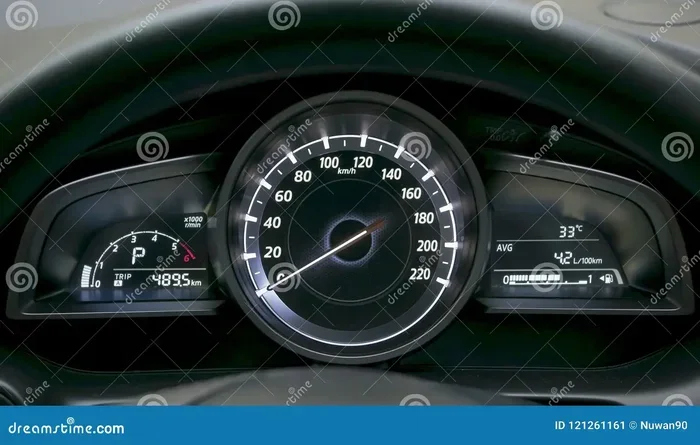
Can I Change My Odometer Reading All You Need to Know
Can you change your odometer reading? The short answer is no — not legally. Odometer fraud is a serious federal crime that carries heavy fines and prison time. Whether you are buying, selling, or simply curious, understanding the rules around odometer readings can save you thousands of dollars and a lot of headaches.
Have you ever wondered whether you can change your odometer reading? Maybe you bought a used car and noticed the mileage seems too low for its age. Or perhaps you are thinking about selling your vehicle and want to know the rules. Whatever your reason, this topic matters more than most people realize. Odometer fraud costs consumers billions of dollars every year, and the laws around it are strict. In this article, we will cover everything you need to know about changing an odometer reading, the legal consequences, and how to protect yourself.
The short answer to “Can I Change My Odometer Reading” is a firm no — at least not legally. Odometer tampering is a federal crime in the United States. The laws exist to protect buyers from deceptive mileage claims. But that does not stop some people from trying. Understanding the rules, the risks, and the detection methods is your best defense. Let us dive into the details.
Key Takeaways
- It is illegal to tamper with an odometer: Federal and state laws strictly prohibit changing or rolling back an odometer reading.
- Odometer fraud is a felony: Penalties include heavy fines, imprisonment, and civil lawsuits.
- Digital odometers are not foolproof: Even modern cars with digital displays can be manipulated with specialized tools.
- Always check a vehicle history report: Services like CARFAX and AutoCheck help uncover mileage discrepancies.
- Buyers have legal rights: If you discover odometer fraud, you can pursue compensation through the seller or manufacturer.
- Prevention is the best defense: Simple steps like verifying service records and inspecting wear and tear can protect you from mileage fraud.
📑 Table of Contents
- What Is an Odometer and Why Does It Matter?
- Is It Legal to Change Your Odometer Reading?
- How Odometer Fraud Happens
- How to Detect Odometer Fraud
- What to Do If You Have Been a Victim of Odometer Fraud
- How to Protect Yourself When Buying a Used Car
- Common Mistakes People Make When Checking Odometer Readings
- Conclusion
What Is an Odometer and Why Does It Matter?
An odometer is the device in your vehicle that records the total distance traveled. Most cars use either a mechanical or digital odometer. The reading is displayed on your dashboard and is a key factor in determining a vehicle’s value. When you buy or sell a car, the odometer reading is one of the first things people check.
The mileage on a vehicle directly affects its resale value, maintenance schedule, and overall reliability. A car with 30,000 miles is worth far more than one with 150,000 miles, even if they are the same make and model. This is exactly why some dishonest sellers try to manipulate the reading. They want to make the car seem newer and more valuable than it really is.
How Odometer Readings Are Used
Odometer readings are used in several important ways:
- Vehicle valuation: Dealers and buyers use mileage to determine fair market price.
- Maintenance tracking: Many service intervals are mileage-based, so accurate readings matter for upkeep.
- Vehicle history reports: Services like CARFAX and AutoCheck rely on odometer data to build a car’s history profile.
- Title and registration: When you title a vehicle, the odometer reading is recorded on the document.
- Warranty claims: Some warranties are mileage-limited, so the reading affects coverage.
Because the odometer plays such a central role, any tampering with it can have serious financial and legal consequences. This is why federal law treats odometer fraud so seriously.
Is It Legal to Change Your Odometer Reading?
The answer is absolutely not if you are trying to deceive someone. The Federal Odometer Act of 1972 makes it illegal to disconnect, reset, alter, or roll back an odometer with the intent to change the mileage representation. This law applies to both mechanical and digital odometers. It also applies to individuals, dealers, and manufacturers.
Federal vs. State Laws
While federal law sets the baseline, individual states have their own regulations too. Some states impose additional penalties or specific requirements. Let us look at how federal and state laws compare when it comes to odometer fraud.
| Aspect | Federal Law | State Law (Varies) |
|---|---|---|
| Is it illegal? | Yes, with intent to defraud | Yes, in all 50 states |
| Penalties | Fines up to $10,000 and/or imprisonment | Fines vary; some states include jail time |
| Civil liability | Yes, victims can sue for damages | Yes, many states allow civil claims |
| Applies to sellers | Yes | Yes |
| Applies to dealers | Yes, with additional disclosure requirements | Yes |
| Applies to buyers | Yes, if involved in the fraud | Yes |
The key takeaway here is clear. No matter where you live, you cannot legally change an odometer reading to mislead a buyer. The odometer disclosure requirements are strict, and violations carry real consequences.
Exceptions to the Rule
There are a few narrow exceptions where odometer readings can be changed. For example, if you replace a broken odometer, you must document the change and submit an odometer correction statement to your state’s motor vehicle agency. The new odometer must reflect the actual mileage at the time of replacement. You cannot simply install a new odometer and set it to zero.
Another exception involves vehicles that are exempt from odometer disclosure. These are typically vehicles over a certain age — usually 10 years or older. However, even in these cases, you still cannot roll back the reading to deceive a buyer. The exemption simply means you do not have to disclose the reading on the title transfer.
How Odometer Fraud Happens
Odometer fraud, also known as odometer rollback, takes several forms. Understanding how it happens can help you spot the signs. Fraudsters have gotten more creative over the years, especially as cars have become more high-tech.
Mechanical Odometer Manipulation
Older vehicles use mechanical odometers connected to the transmission via a cable. To roll back the mileage, a fraudster physically disconnects the cable and manually turns the gears backward. This was common in the 1980s and 1990s. While it is more difficult today, it still happens with older cars that have not been updated.
Digital Odometer Manipulation
Modern vehicles use digital odometers stored in the car’s electronic control unit. To change these readings, a scammer needs specialized diagnostic tools or software. Some methods involve plugging a laptop into the car’s OBD-II port and rewriting the mileage data. Others require removing the instrument cluster and reprogramming the chip inside.
This is a growing concern because digital manipulation can be harder to detect than mechanical tampering. A digital odometer can be reset to show lower miles without leaving obvious physical signs. This makes it especially dangerous for unsuspecting buyers.
Common Scenarios of Odometer Fraud
Here are some real-world examples of how odometer fraud occurs:
- A dealer buys a high-mileage trade-in, rolls back the odometer, and sells it as a low-mileage vehicle.
- A private seller replaces the instrument cluster from a lower-mileage wrecked car into their higher-mileage car.
- A salvage vehicle is rebuilt, and the odometer is reset to zero or a lower number to increase its value.
- A mechanic or shop employee uses diagnostic tools to reduce the mileage on a customer’s car without their knowledge.
Each of these scenarios is illegal and can result in serious penalties. The mileage discrepancy between what the odometer says and what the car has actually endured can cost buyers thousands in unexpected repairs.
How to Detect Odometer Fraud
Detecting odometer fraud requires a careful eye and some detective work. No single method is foolproof, but combining several approaches gives you the best chance of spotting a dishonest seller. Here is what you should look for.
Check the Vehicle History Report
A vehicle history report is one of the most powerful tools you have. Services like CARFAX, AutoCheck, and VinAlert compile odometer readings from various sources, including state inspections, service records, and insurance claims. If the report shows a sudden drop in mileage, that is a major red flag.
Always request the vehicle identification number from the seller and run a report yourself. Do not rely solely on the seller’s copy. A VIN check can reveal inconsistencies that are not visible on the surface.
Look for Physical Wear and Tear
Use your senses. If a car claims to have only 40,000 miles but the steering wheel is worn smooth, the pedals are shiny and thin, and the seats are sagging, something does not add up. Wear and tear on these areas generally correlates with mileage. A mismatch between the odometer reading and the physical condition of the car is one of the strongest indicators of fraud.
Review Service and Maintenance Records
Ask the seller for service records. Oil change stickers, inspection stickers, and repair invoices all contain mileage information. If the records show 100,000 miles but the odometer reads 60,000, you have a problem. Consistent mileage across multiple records builds confidence. Gaps or jumps in the records are warning signs.
Have a Pre-Purchase Inspection Done
Never buy a used car without a pre-purchase inspection from a trusted mechanic. A professional can spot signs of odometer tampering that an untrained eye would miss. They can also check the car’s computer for any evidence of mileage corrections or module replacements.
Quick Tips to Avoid Odometer Fraud
- Always get a vehicle history report before buying.
- Compare the odometer reading with the service records.
- Inspect wear on the steering wheel, pedals, and seats.
- Have a mechanic perform a pre-purchase inspection.
- Ask the seller about the car’s ownership history.
- Be suspicious of prices that seem too good to be true.
- Check the vehicle title for any branded designations like salvage or flood.
What to Do If You Have Been a Victim of Odometer Fraud
If you discover that a car you bought has a rolled-back odometer, you are not without options. The law provides several avenues for recourse. Here is what you should do step by step.
Step 1: Gather Your Evidence
Collect all documents related to the purchase. This includes the bill of sale, the vehicle title, the vehicle history report, and any communication you had with the seller. Take photos of the car’s condition, especially areas that show wear inconsistent with the mileage. Keep all receipts for repairs and maintenance you have done since the purchase.
Step 2: Contact the Seller
Reach out to the seller in writing. Explain what you have discovered and request a resolution. This could be a refund, a price reduction, or compensation for repairs. Having a paper trail is important, even if you plan to take further action.
Step 3: File a Complaint with the Right Authorities
If the seller does not cooperate, file a complaint with your state’s attorney general office and the National Highway Traffic Safety Administration. Both agencies take odometer fraud seriously and can investigate the matter. You can also contact your local consumer protection agency.
Step 4: Consult a Lawyer
Consider consulting a consumer protection attorney. Many offer free initial consultations. Under the Federal Odometer Act, you may be entitled to sue the seller for damages. The seller could be liable for the actual damages, which might include the difference between what you paid and what the car is actually worth, plus any repair costs caused by the higher mileage.
Expert Insight: “Victims of odometer fraud often do not realize they have legal recourse until it is too late. The key is to act quickly and document everything. The sooner you take action, the stronger your case becomes.” — Automotive Consumer Protection Specialist
How to Protect Yourself When Buying a Used Car
Prevention is always better than cure. When you are in the market for a used car, following a few smart practices can save you from becoming a victim of mileage fraud. Here is a practical guide to help you buy with confidence.
Buy from Reputable Sources
Stick with certified dealerships and well-known platforms. While no seller is completely above suspicion, reputable businesses have more to lose from fraudulent practices. Private sales carry higher risk, so always be extra vigilant when buying from an individual.
Verify the Title
Check the vehicle title carefully. Look for any branded titles such as salvage, flood, or lemon. A salvage title often indicates the car was declared a total loss, which could mean the mileage was tampered with before the vehicle was rebuilt and resold.
Ask the Right Questions
Do not be afraid to ask the seller direct questions. Ask how many previous owners the car had, why they are selling it, and whether they have all the maintenance records. A seller who hesitates or gives vague answers is someone you should be cautious about.
Use Multiple Verification Methods
Never rely on just one method to verify a car’s mileage. Use a combination of vehicle history reports, physical inspection, service records, and professional inspection. The more sources you check, the harder it is for fraud to slip through.
Understand the Odometer Disclosure Statement
When you buy a vehicle less than 10 years old, the seller must sign an odometer certification on the title. This statement confirms the mileage reading is accurate to the best of the seller’s knowledge. If the seller has knowingly falsified this statement, they are committing a federal crime. Take the time to read and understand this document before you sign.
Remember, the vehicle identification number is your best friend in this process. Every time a car is serviced, inspected, or titled, the VIN is recorded along with the odometer reading. This creates a trail that can expose fraud if you know where to look.
Common Mistakes People Make When Checking Odometer Readings
Even well-intentioned buyers can fall into traps when evaluating a car’s mileage. Here are some mistakes to avoid:
- Trusting only the odometer reading: The number on the dash can be manipulated. Always cross-reference with other data points.
- Ignoring the service history: Skipping the records means you miss a chance to verify consistency.
- Skipping the pre-purchase inspection: A mechanic can spot signs of tampering that you might overlook.
- Assuming digital means accurate: Digital odometers can be reprogrammed. Do not assume a digital display is tamper-proof.
- Buying based on price alone: An unusually low price paired with a low mileage reading is a classic fraud setup.
Avoiding these mistakes puts you in a much stronger position as a buyer. Knowledge is your best protection against odometer fraud.
Conclusion
The answer to “Can I Change My Odometer Reading” is a definitive no — not legally, and not ethically. Odometer fraud is a serious crime that harms real people and real wallets. The laws exist to protect consumers, and they are enforced at both the federal and state levels. Whether you are buying or selling, understanding the rules around odometer readings is essential.
If you are a buyer, take the time to run a vehicle history report, inspect the car carefully, and get a professional inspection. If you are a seller, be transparent about the mileage and complete all required odometer disclosures honestly. And if you ever suspect fraud, do not hesitate to report it and seek legal advice.
The bottom line is simple. Accurate mileage matters. It affects your safety, your finances, and your trust in the used car market. By staying informed and taking proactive steps, you can protect yourself and make confident decisions every time you buy or sell a vehicle. Always verify, never assume, and never let a suspiciously low mileage reading go unchecked.
Frequently Asked Questions
Can I legally reset my odometer if I install a new one?
No, you cannot reset the odometer to zero or any lower number when you install a new unit. Federal law requires that you record the actual mileage at the time of replacement and submit an odometer correction statement to your state’s motor vehicle agency. The new odometer must reflect the car’s true mileage.
What are the penalties for odometer fraud?
Penalties vary by jurisdiction but can include fines of up to $10,000 under federal law, imprisonment for up to three years, and civil lawsuits from victims. Many states also impose additional penalties, including license revocation for dealers found guilty of fraud.
How can I tell if a car’s odometer has been rolled back?
Look for inconsistencies between the mileage and the car’s physical wear, check the vehicle history report for sudden drops in mileage, review service records for gaps, and have a mechanic inspect the car’s electronics for signs of tampering. A combination of these methods gives you the best detection ability.
Is odometer fraud common in the used car market?
Unfortunately, yes. Odometer fraud remains one of the most common types of automotive deception. The National Highway Traffic Safety Administration estimates that around 450,000 vehicles are sold each year with false odometer readings, costing consumers over $1 billion annually.
Can I sue someone who sold me a car with a rolled-back odometer?
Yes, you can. Under the Federal Odometer Act, you have the right to sue the seller for actual damages. This includes the difference between what you paid and the car’s true value, plus any repair costs resulting from the higher-than-disclosed mileage. Consulting a consumer protection attorney is a good first step.
Do all vehicles need an odometer disclosure when sold?
Most vehicles less than 10 years old require an odometer disclosure on the title during transfer. Vehicles over 10 years old are generally exempt from this requirement, but it is still illegal to roll back the odometer on any vehicle with the intent to defraud a buyer.