Can a Toyota Camry Last 20 Years With Regular Maintenance
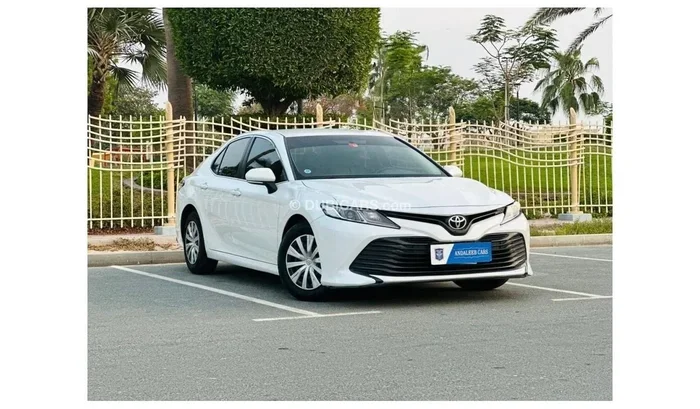
A Toyota Camry can absolutely last 20 years or more when you stick to a consistent maintenance routine. This reliable sedan has earned a reputation for durability, with many owners surpassing 200,000 miles without major issues. Regular oil changes, fluid flushes, and timely part replacements are the key to unlocking two decades of dependable service from your Camry.
Let’s talk about something that every car owner thinks about eventually. Can a Toyota Camry really last 20 years? The short answer is yes. The longer answer is that it depends on how well you take care of it. The Toyota Camry has been one of the most popular sedans in America for decades. People buy it for its reliability, its smooth ride, and its reputation for going the distance. But owning a Camry for two decades is not just about luck. It is about commitment to a maintenance routine that keeps every system running smoothly.
In this guide, we will walk through everything you need to know about making your Toyota Camry last 20 years. We will cover the engine, the transmission, the maintenance schedule, common problems, and the costs involved. Whether you drive a 2005 Camry or a brand-new 2024 model, this article has practical advice you can use today. Let us dive in.
Key Takeaways
- Toyota Camrys are built to last: With proper care, these sedans routinely reach 20 years or more on the road.
- Maintenance is everything: Staying on top of oil changes, fluid flushes, and part replacements makes all the difference.
- Common issues are manageable: Problems like timing chain wear and coolant leaks are fixable when caught early.
- Hybrid Camrys add extra longevity: The hybrid battery and electric motor reduce wear on the gas engine.
- Cost stays reasonable: Annual maintenance costs remain lower than many competing sedans over 20 years.
- Resale value holds strong: A well-maintained 20-year-old Camry still commands respect in the used car market.
📑 Table of Contents
- Why the Toyota Camry Is Built to Last
- A 20-Year Maintenance Schedule for Your Camry
- Common Problems That Can Shorten a Camry’s Life
- Hybrid Camry Longevity: What to Expect
- Cost of Ownership: Keeping a Camry for 20 Years
- Expert Tips for Maximizing Camry Lifespan
- Final Thoughts: The Camry’s 20-Year Legacy
Why the Toyota Camry Is Built to Last
The Camry is not just another sedan. It is a vehicle that Toyota engineers with longevity in mind. The frame, the engine components, and the electrical systems are all designed with durability as a top priority. When you compare the Camry to other midsize sedans, the difference in long-term reliability is clear. Toyota uses high-quality materials and rigorous testing to make sure each Camry can handle years of daily driving.
The Engine Design
The Camry engine is straightforward and robust. There are fewer moving parts that tend to fail compared to more complex engines. The inline-four engine design has been refined over decades. This means fewer things can go wrong over time. The 2GR-FE V6 engine, found in many older models, is also known for its strength. With proper care, these engines routinely exceed 250,000 miles.
One component that often comes up in Camry discussions is the timing chain. So, can a timing chain last 300,000 miles? In a well-maintained Camry, absolutely. The timing chain is designed to last the life of the engine in many cases. But it still needs regular inspections. Checking the chain tension and replacing it when needed prevents serious engine damage down the road.
The Transmission
The Camry transmission is another reason these cars last so long. The automatic transmissions used in Camrys are built with durability in mind. The 6-speed automatic in older models and the newer 8-speed units are both reliable. The key is keeping the transmission fluid fresh. Dirty fluid causes wear on internal components. A fluid change every 60,000 miles goes a long way toward extending transmission life.
A 20-Year Maintenance Schedule for Your Camry
Owning a Camry for 20 years means following a maintenance schedule without shortcuts. Toyota provides a recommended maintenance plan, and sticking to it is the single best thing you can do. Let us break down what that schedule looks like over two decades of ownership.
Oil Changes and Engine Care
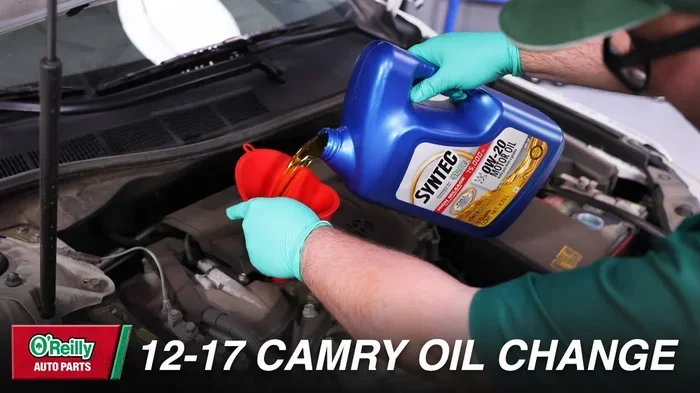
Oil changes are the backbone of Camry maintenance. You should change your oil every 5,000 to 7,500 miles with conventional oil. Synthetic oil can extend this interval to 10,000 miles. Do not skip oil changes. Old oil loses its ability to lubricate engine components. This leads to increased friction, heat, and eventually engine wear.
Along with oil changes, you should replace the oil filter every time. The air filter should be checked every 15,000 miles and replaced as needed. Spark plugs are another critical item. Most Camry models need new spark plugs every 60,000 to 100,000 miles. Fresh spark plugs keep the engine running efficiently and prevent misfires.
Fluid Flushes
Your Camry relies on several fluids to operate properly. Here is what needs to be flushed on a regular basis:
- Coolant: Flush every 30,000 miles or every 2 years. Coolant prevents overheating and protects the engine block.
- Transmission fluid: Change every 60,000 miles to keep gears shifting smoothly.
- Brake fluid: Replace every 2 years to maintain braking performance.
- Power steering fluid: Check and top off every 30,000 miles.
- Differential fluid: Replace every 50,000 miles for rear-wheel-drive models.
Skipping fluid flushes is one of the most common mistakes Camry owners make. Old fluids break down and lose their protective properties. This leads to premature wear on expensive components.
Brake System Maintenance
The brake system is essential for safety and longevity. Replace brake pads every 30,000 to 50,000 miles depending on driving habits. Rotors should be resurfaced or replaced every 60,000 to 70,000 miles. Brake fluid flushes every 2 years keep the system responsive and prevent corrosion inside the brake lines.
Suspension and Steering Components
Over 20 years, suspension parts wear out. Shock absorbers and struts typically need replacement every 50,000 to 70,000 miles. Tie rod ends and ball joints should be inspected regularly. Worn suspension components affect handling and tire wear. Replacing them promptly keeps your Camry driving smooth and safe.
Common Problems That Can Shorten a Camry’s Life
Even the most reliable cars develop issues over time. The Camry is no exception. Knowing what to watch for helps you address problems before they become expensive repairs.
Overheating Issues
Can a car overheat on a hot day? Yes, and Camrys are no exception. Overheating can damage the engine head gasket, warp cylinder heads, and cause costly repairs. Common causes of overheating in Camrys include a failing thermostat, a leaking radiator, or a broken water pump. Check your temperature gauge regularly. If it climbs into the red zone, pull over safely and let the engine cool down.
One sensor that can cause overheating problems is the temperature sensor. A bad temperature sensor can give false readings or prevent the cooling system from activating properly. Replacing a faulty sensor is inexpensive compared to the engine damage it can prevent.
Check Engine Light Issues
The check engine light can mean many things. Sometimes it is a minor issue like a loose gas cap. Other times it signals a more serious problem. A common code Camry owners encounter is the P0171 code. So, can you still drive with a P0171 code? In many cases, yes, but you should get it diagnosed quickly. This code usually indicates a lean fuel mixture, which can cause engine damage if left unaddressed.
Rust and Corrosion
Rust is the silent killer of many cars. Camrys from certain model years are more prone to rust than others. The undercarriage, wheel wells, and rocker panels are common areas to watch. Washing your Camry regularly, especially in winter when road salt is used, helps prevent rust. Applying a rust inhibitor or undercoating adds extra protection.
Electrical System Wear
After 15 to 20 years, electrical components can start to fail. The battery, alternator, and starter motor all have finite lifespans. Corroded battery terminals can cause starting problems. Wiring harnesses can develop cracks and short circuits. Keeping connections clean and replacing worn components prevents unexpected breakdowns.
Hybrid Camry Longevity: What to Expect
The Toyota Camry Hybrid adds another dimension to the longevity discussion. Hybrid Camrys combine a gas engine with an electric motor. This reduces wear on the gas engine because the electric motor handles some of the driving load. The result is less strain on the engine, transmission, and brakes.
The Hybrid Battery
The hybrid battery is the most expensive component in a hybrid Camry. Toyota designs these batteries to last the life of the vehicle in most cases. Many hybrid Camry owners report battery life of 15 to 20 years. If the battery does fail, replacement costs have decreased significantly over the years. You can also find refurbished or remanufactured options that save money.
Can you charge a hybrid car at home? Yes, but the Camry Hybrid does not need plug-in charging. It charges the battery through regenerative braking and the gas engine. This makes ownership simpler and more convenient.
Fuel Economy Benefits
Hybrid Camrys deliver excellent fuel economy. Over 20 years of ownership, the savings at the pump add up significantly. Less fuel burned means less wear on engine components. The electric motor also reduces strain on the brakes, which means brake pads last longer. These factors all contribute to a longer overall vehicle lifespan.
Cost of Ownership: Keeping a Camry for 20 Years
One of the biggest concerns for owners planning to keep a car for two decades is cost. The good news is that Camrys are relatively affordable to maintain. Let us look at the numbers.
Annual Maintenance Costs
On average, maintaining a Toyota Camry costs between $400 and $600 per year for routine services. This includes oil changes, fluid flushes, tire rotations, and brake inspections. Of course, costs go up as the vehicle ages. Major repairs like transmission work or engine work can add several thousand dollars to the total. But compared to many other sedans, the Camry remains one of the most cost-effective long-term ownership options.
Major Repair Costs Over 20 Years
Here is a rough breakdown of major repairs you might encounter over two decades:
- Timing chain replacement: $1,000 to $2,000 (if needed around 150,000 miles)
- Water pump replacement: $300 to $600
- Transmission rebuild: $2,500 to $4,000 (rare but possible after 200,000 miles)
- Hybrid battery replacement: $2,000 to $4,000 (typically after 15+ years)
- Suspension overhaul: $1,000 to $2,500 (around 150,000 to 200,000 miles)
These numbers might seem high at first glance. But spread over 20 years of ownership, the annual cost remains reasonable. And many of these repairs are avoidable with consistent maintenance.
Expert Tips for Maximizing Camry Lifespan
Want to push your Camry past the 20-year mark? Here are expert tips that make a real difference.
Drive Smoothly
Aggressive driving kills engines faster. Avoid rapid acceleration and hard braking whenever possible. Smooth driving reduces stress on the engine, transmission, and brakes. It also improves fuel economy.
Address Problems Immediately
Do not ignore warning signs. A strange noise, a fluid leak, or a dashboard warning light should never be ignored. The longer you wait, the worse and more expensive the problem becomes. Catching issues early is the secret to long-term vehicle health.
Keep It Clean
Regular washing protects the paint and undercarriage from rust. Waxing every few months adds a protective layer. Clean the interior regularly to prevent wear on seats and electronics. A clean car is a well-maintained car.
Store It Properly
If you park your Camry outside, consider using a car cover. Extreme heat and cold accelerate wear on rubber seals, hoses, and belts. A garage or covered parking spot is ideal. If you must park outside, invest in a quality cover and park in the shade when possible.
Use Quality Parts and Fluids
Cheap parts and fluids may save money upfront but cost more in the long run. Use OEM or high-quality aftermarket parts. Stick with manufacturer-recommended fluids. Your Camry’s engine was designed to run on specific formulations, and using the right products keeps everything working as intended.
Final Thoughts: The Camry’s 20-Year Legacy
The Toyota Camry proves that reliability is not just a marketing claim. It is a reality for owners who commit to regular maintenance. From the engine to the transmission to the smallest electrical component, every part of the Camry is designed to endure. The key is consistency. Change your oil on time. Flush your fluids. Replace worn parts before they cause collateral damage. Address warning signs immediately.
Owning a Camry for 20 years is not just possible. It is achievable for anyone willing to put in the effort. The Camry rewards its owners with low maintenance costs, strong resale value, and years of dependable service. Whether you drive a gas model or a hybrid, the principles are the same. Take care of your car, and your car will take care of you for decades to come.
So if you are sitting in a Camry right now and wondering if it can make it to 20 years, the answer is in your hands. Follow the maintenance schedule, drive responsibly, and enjoy the ride. Your Toyota Camry was built to last. Give it the care it deserves, and it will reward you with 20 years or more of faithful service.
Frequently Asked Questions
Can a Toyota Camry really last 20 years?
Yes, a Toyota Camry can absolutely last 20 years or more. The key is sticking to a regular maintenance schedule. Oil changes, fluid flushes, and timely part replacements prevent major problems. Many Camry owners routinely exceed 200,000 miles without significant issues.
What is the most common problem with a Camry after 10 years?
The most common issues after 10 years include coolant leaks, timing chain stretch, and suspension wear. These problems are manageable when caught early. Regular inspections help you spot these issues before they become expensive repairs.
How much does it cost to maintain a Camry for 20 years?
On average, annual maintenance costs range from $400 to $600. Over 20 years, total maintenance costs typically fall between $8,000 and $12,000. Major repairs like transmission work or hybrid battery replacement can increase this, but consistent maintenance keeps costs lower.
Is it worth keeping a Camry past 15 years?
Absolutely. A well-maintained Camry holds its value and remains reliable well past 15 years. The resale value stays strong, and maintenance costs remain reasonable. Many owners find that keeping a Camry for 20 years is more cost-effective than buying a new car every few years.
Does the Toyota Camry Hybrid last longer than the gas version?
Hybrid Camrys tend to last longer because the electric motor reduces wear on the gas engine. The hybrid battery is designed to last 15 to 20 years. Brake pads also last longer thanks to regenerative braking. Both versions are excellent choices for long-term ownership.
What maintenance items should never be skipped on a Camry?
Never skip oil changes, coolant flushes, transmission fluid changes, and brake inspections. These services protect the most expensive and critical components. Skipping them leads to premature wear and costly repairs that could have been easily prevented.